How to Catch Smallmouth Bass on the Shenandoah River
The Shenandoah River, with its breathtaking scenery and abundant wildlife, offers some of Virginia's most exhilarating smallmouth bass fishing. However, these feisty bronzebacks can be a real challenge to pin down if you don't know their habits or how to approach this dynamic river system. This guide is here to unravel the mysteries of the Shenandoah, providing you with the knowledge and tactics to consistently hook into those hard-fighting smallmouth bass that call these waters home.
Understanding the Shenandoah River and its Smallmouth Bass
Fishing the Shenandoah isn't like fishing a lake or a placid pond; it's a living, breathing, constantly changing environment. To truly succeed, you need to understand both the river itself and the unique way smallmouth bass interact with it.
The Unique Environment of the Shenandoah
The Shenandoah River system, comprised of its North and South Forks, is a magnificent free-flowing river. This isn't a stagnant pool; it's a dynamic environment characterized by a series of riffles, runs, and deep pools, all punctuated by abundant rock formations. The bottom is often a mix of gravel, bedrock, and scattered boulders, creating a complex habitat. Water levels can fluctuate significantly depending on rainfall, which directly impacts fish behavior and access. After a heavy rain, the river might be high and muddy, making fishing tough, but a few days later, it could drop and clear, revealing prime fishing conditions. Understanding these changes and how they influence the current and clarity is crucial. The current itself is a vital element; smallmouth bass are river fish, and they instinctively use current to their advantage, whether for ambush points or conserving energy.
Smallmouth Bass Behavior in River Systems
Smallmouth bass in river systems like the Shenandoah behave differently than their lake-dwelling cousins. They are intrinsically tied to the current and the structure it creates. During cooler months, or when water levels are low, they tend to congregate in deeper pools, seeking stable temperatures and shelter. As the water warms in spring, they'll begin moving into shallower, moving water, particularly near current seams, riffles, and rocky areas where they can ambush prey. Smallmouth are opportunistic feeders, preying on crayfish, minnows, insects, and anything else that the current brings their way. Their aggressive nature and powerful fights are legendary, making them a favorite target for many anglers. Knowing where to find them at different times of the year and day, based on water conditions and their natural instincts, is the first step to success. If you're looking for more general information on these incredible fish, check out Smallmouth Bass Identification Guide for Anglers.
Essential Gear for Shenandoah Smallmouth
Having the right tools for the job can make a world of difference when chasing smallmouth on the Shenandoah. Forget your heavy offshore gear; finesse and versatility are key here.
Rods, Reels, and Line Choices
For Shenandoah smallmouth, a medium-light to medium power spinning rod, around 6'6" to 7' in length, is generally ideal. This rod action provides enough backbone to fight strong fish in current but maintains sensitivity for detecting subtle bites and accuracy for casting lighter lures. A fast action tip is also beneficial for quick hook sets. Pair this with a lightweight spinning reel in the 2000-2500 size range, spooled with 6-10 lb test monofilament or fluorocarbon line. Monofilament offers a bit of stretch, which can be forgiving when a smallmouth makes a sudden run, while fluorocarbon is nearly invisible underwater and has excellent sensitivity. Many anglers also opt for a braided line (10-15 lb test) as their main line, adding a 6-8 lb fluorocarbon leader. Braided line offers incredible sensitivity and casting distance, and the fluorocarbon leader provides stealth in clear Shenandoah waters. You can find a fantastic selection of these rods, reels, and lines on Amazon, often with helpful reviews to guide your choice.
Lures and Baits That Consistently Deliver
Smallmouth bass on the Shenandoah are suckers for a variety of presentations. Matching the hatch and understanding what the fish are keying in on can be a game-changer.
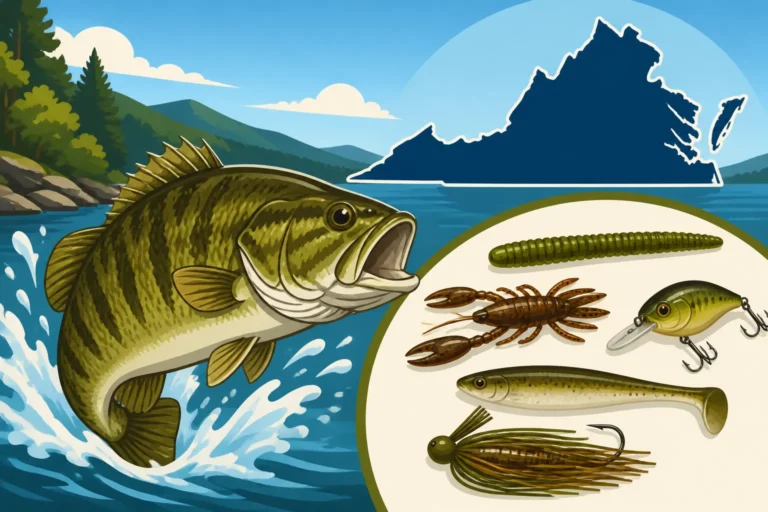
- Topwater Lures: When the water is warm, typically from late spring through early fall, topwater lures like poppers, walking baits (e.g., Heddon Super Spook Jr.), and prop baits can be incredibly exciting. These are best used in low-light conditions (dawn, dusk) or overcast days, creating explosive strikes as bass attack from below.
- Crankbaits: Shallow-diving crankbaits (diving 2-6 feet) are workhorses in the river. Look for crayfish patterns, shad patterns, or bright chartreuse/orange for stained water. Square bills are excellent for deflecting off rocks without snagging. Medium-diving crankbaits are good for deeper runs and pools.
- Soft Plastics: Grubs (single-tail or double-tail), tubes, and senko-style worms rigged weightless or on a light jig head are deadly. These mimic crayfish and baitfish and are incredibly versatile for various presentations. A 3-inch tube jig in green pumpkin or watermelon is a classic Shenandoah smallmouth killer.
- Jigs: Small finesse jigs (1/8 oz to 1/4 oz) with plastic trailers (crayfish imitations or small creature baits) are excellent for working deeper pockets, around rock piles, and in slower current. Darker colors like black and blue or green pumpkin are often effective.
- Spinnerbaits & Buzzbaits: These can be effective for covering water quickly, especially around submerged logs and weed beds, if present. Chartreuse, white, or a combination of both are popular colors.
- Live Bait: If all else fails, live bait like hellgrammites, crayfish, or minnows can be irresistible to smallmouth. These are often fished on a simple hook and split shot rig, allowing the bait to tumble naturally with the current.
To dive deeper into specific lure choices for this river, check out Best Lures for Smallmouth Bass on the Shenandoah River. You'll find a massive selection of all these lures on Amazon, making it easy to stock up before your trip.
Proven Techniques for Shenandoah Smallmouth Success
Simply casting and hoping isn't going to cut it on the Shenandoah. Success comes from understanding how smallmouth use the river and presenting your lure effectively.
Reading the Water and Identifying Holding Spots
The Shenandoah's varied structure means you need to learn to "read" the water to find the fish. Smallmouth bass are ambush predators that love current breaks and structure.
- Current Seams: These are prime locations. Look for areas where fast current meets slower water, or where an eddy forms behind a large rock or log. Bass will sit in the slower water, conserving energy, waiting for food to be swept by in the faster current.
- Riffles and Rapids: While intimidating, the calmer water directly below a riffle or rapid is often a feeding zone. The turbulent water disorients baitfish and washes insects and crayfish downstream, creating an easy meal for waiting bass.
- Deep Pools: Especially in warmer months or during cold fronts, bass will retreat to deeper pools for stable temperatures and cover. Look for the transition areas where a fast run dumps into a deeper pool.
- Rock Piles and Submerged Timber: Any kind of cover that provides shelter from the current or a place to hide is a potential bass haven. Cast parallel to rock walls, into gaps in fallen trees, or around large boulders.
- Undercut Banks: Over time, the current can carve out recesses under banks, creating perfect hiding spots for bass. Pitch your lures carefully into these shadowy areas.
Identifying these spots is a learned skill that comes with practice. Take your time to observe the water before making your first cast. This river also offers excellent opportunities for fly anglers; if that's your preference, consider looking into Shenandoah River Fly Fishing for Trout and Smallmouth Bass in Virginia.
Effective Presentation Strategies
Once you've identified a promising spot, your presentation is everything.
- Casting Accuracy: Precision casting is vital in a river environment. You need to place your lure exactly where the fish are likely to be hiding – often in tight pockets or alongside structure. Practice your skip casting and roll casts if you're fishing from a kayak or wading near overhanging trees.
- Upstream Casts: Often, casting upstream and allowing your lure to drift naturally downstream with the current, mimicking an injured baitfish or dislodged crayfish, can be highly effective. Maintain a tight line to feel for bites as the lure tumbles.
- Retrieval Techniques: Vary your retrieve. For crankbaits, a steady retrieve with occasional pauses or twitches can trigger strikes. For soft plastics and jigs, a "drag and hop" or "lift and drop" method, letting the current do some of the work, is usually best. Don't be afraid to experiment until you find what the fish want.
- Stealth: Smallmouth bass, especially in clear river water, can be spooky. Avoid loud noises, sudden movements, and casting your shadow over prime fishing spots. Wading carefully and approaching spots from downstream can give you an advantage.
- Covering Water: Don't get stuck on one spot for too long if it's not producing. Smallmouth are often spread out. Make a few targeted casts, then move on to the next promising area. This active approach is key to finding aggressive fish. You'll find that these techniques are invaluable when learning How to Catch Smallmouth Bass in Rivers and perfecting Best Techniques for Smallmouth Bass in Current.
Seasonal Strategies for Smallmouth Bass on the Shenandoah
The Shenandoah smallmouth's behavior shifts with the seasons, driven by water temperature and their biological clocks. Adapting your tactics to the time of year is crucial for consistent success.
Spring: Pre-Spawn and Spawn Tactics
As the cold grip of winter begins to loosen and the Shenandoah's water temperatures rise, smallmouth bass begin their pre-spawn movements. Typically, when water temperatures climb into the 50s Fahrenheit, bass start moving from their deeper wintering holes into shallower, current-protected staging areas. These areas are often adjacent to spawning flats, which are typically gravelly bottoms in 2-5 feet of water with some current break. During the pre-spawn, bass are actively feeding to build energy for the spawn, making them aggressive and relatively easy to catch. Focus your efforts on the seams of deeper pools, eddies, and the slower edges of runs where they can ambush prey. Crankbaits (especially in crawfish patterns), spinnerbaits, and tube jigs are excellent choices during this period.
Once water temperatures hit the low to mid-60s, the spawn begins. Male bass will move onto the beds, often visible in clear, shallower sections, guarding eggs or fry. While it can be tempting to target bedding bass, it's generally considered good practice to avoid actively fishing for them during this vulnerable period to ensure future populations. Instead, focus on the larger females that might be cruising nearby, still feeding or waiting to spawn, usually in slightly deeper water adjacent to the bedding areas.
Summer: Low Water and High Action
Summer on the Shenandoah can be a mixed bag. Lower water levels are common, which means fish might be concentrated, but it also means clearer water and hotter temperatures. Early mornings, late evenings, and overcast days are prime times. During the heat of the day, smallmouth will seek refuge in deeper pools, under cut banks, or in the shade of overhanging trees. Targeting them in these cooler, protected spots is key. During low light, they'll often venture into shallower riffles and runs to feed actively. Topwater lures shine during these periods, providing exciting strikes. Also, focus on current breaks and oxygenated water created by rapids and rock gardens. Soft plastics, particularly creature baits and tubes that mimic crayfish, are highly effective when fished slowly along the bottom in deeper sections. You might also find them congregated around areas where cooler tributaries feed into the main river. For summer, consider light lines and subtle presentations.
Fall: Feeding Frenzy Before Winter
Fall is often considered one of the best times to fish for smallmouth bass on the Shenandoah. As water temperatures begin to drop from the summer highs, but before the deep chill of winter sets in, smallmouth enter a major feeding period to fatten up. They become highly aggressive and will chase down bait. This is a fantastic time for covering water with moving baits like crankbaits, spinnerbaits, and larger topwaters in the early fall. As fall progresses and water temperatures continue to fall, smallmouth will gradually move into deeper water, often stacking up in larger pools and slow runs. Jigs, soft plastics, and even jerkbaits become more effective as fish become less willing to chase. Look for them around significant structure in these deeper areas, such as large boulders or submerged timber. The fishing can remain strong well into late fall, right up until the water gets truly cold and they settle into their winter patterns.
Important Considerations for a Successful Trip
Beyond the rods, reels, and techniques, a few practical considerations can make or break your Shenandoah smallmouth adventure.
River Access and Safety
The Shenandoah River offers numerous public access points, including boat ramps and riverside parks suitable for wading or launching canoes/kayaks. Research these spots beforehand, as access can vary in ease and availability. Popular areas include public boat landings maintained by local authorities or the Virginia Department of Wildlife Resources (DWR). If you plan to wade, investing in good quality wading boots with felt or sticky rubber soles is a must for navigating slippery rocks. Always know the river conditions, especially water levels and current strength, before entering the water. A rising river can quickly become dangerous. Always wear a life jacket, even if you're a strong swimmer, particularly if you're in a boat or kayak. Carry a whistle and a way to communicate in case of an emergency. Familiarize yourself with Best Wading Spots on the Shenandoah River, Virginia if you're planning to get your feet wet.
Regulations and Conservation
Before casting a line, ensure you have a valid Virginia fishing license. You can purchase these online, at DWR agents, or even on Amazon through various sporting goods retailers. It's crucial to understand the specific regulations for smallmouth bass on the Shenandoah River, which can include minimum size limits and daily creel limits. These regulations are in place to protect the fishery and ensure sustainable populations for future generations. Always check the current Virginia DWR fishing regulations guide, as rules can change annually. Practice catch-and-release, especially for larger breeding fish, to help conserve this incredible resource. Handle fish gently, minimize their time out of water, and use appropriate de-hooking tools. Leave no trace; pack out everything you pack in, and help keep the Shenandoah beautiful. Understanding Virginia Fishing Regulations Explained is key for any angler. You can even find essential items like a net or a pair of pliers for catch-and-release on Amazon, ensuring you have the right tools for responsible angling.
| Season | Typical Water Temperature | Preferred Lures/Baits | Key Locations for Smallmouth Bass | Notes |
|---|---|---|---|---|
| Spring | 50s-60s°F | Crankbaits (crawfish), Spinnerbaits, Tube Jigs | Deeper pools, current seams, staging areas near spawning flats | Pre-spawn: aggressive feeding. Spawn: avoid disturbing beds, target females nearby. |
| Summer | 70s-80s°F | Topwater, Soft Plastics (tubes, grubs), Small Jigs | Deep pools, shade, current breaks, riffles (low light) | Low light (dawn/dusk) best. Fish deeper during hot daytime. |
| Fall | 60s-50s°F | Crankbaits, Spinnerbaits, Jerkbaits, Jigs | Runs, larger pools, significant structure in deeper areas | Major feeding frenzy. Start with aggressive baits, transition to slower presentations as water cools. |
| Winter | 30s-40s°F | Small Jigs, Tubes, Live Bait | Deep, slow-moving pools, sheltered areas, significant structure | Very slow retrieve. Fish are lethargic but can be caught if presented precisely. |
Disclaimer
This article is for general informational purposes only and does not constitute professional advice. Laws, prices and regulations vary by location and change over time. Consult a qualified professional for guidance on your specific situation.