Best Bait for Spotted Bass at Claytor Lake, Virginia
Anglers often find themselves staring at their tackle box, wondering which lure or bait will finally unlock the secret to catching spotted bass, especially in a diverse fishery like Claytor Lake in Virginia. These hard-fighting fish can be particular, and what works on one lake might just get you skunked on another. This guide is here to cut through the confusion and help you pinpoint the absolute best baits and techniques to consistently land spotted bass on Claytor Lake.
Understanding Spotted Bass at Claytor Lake
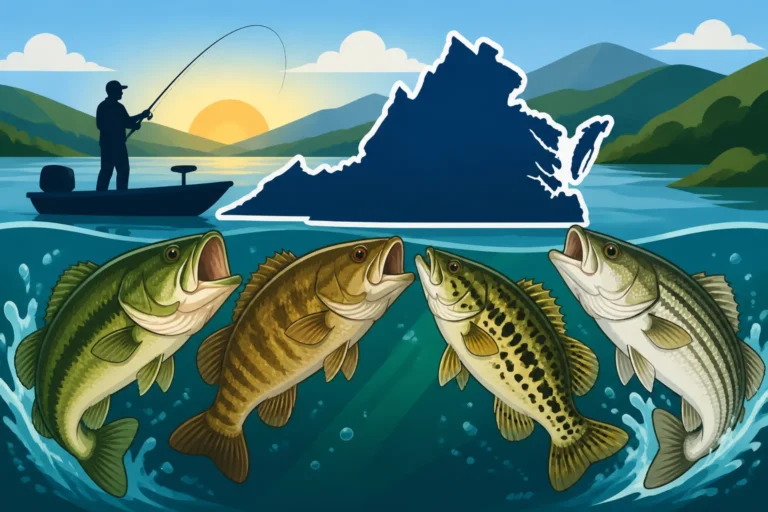
Before we dive into the tackle, it's crucial to understand the fish we're after and the environment they call home. Spotted bass, often called "spots," are a unique challenge, especially in a reservoir like Claytor Lake, which boasts a rich mix of bass species, including largemouth, smallmouth, and even Alabama bass. Claytor Lake's Mixed Bass Fishery: Largemouth, Smallmouth, Spotted, and Alabama. Knowing their specific habits and preferences within this particular lake is your first step to success.
Characteristics of Claytor Lake's Spotted Bass
Spotted bass in Claytor Lake tend to be lean, powerful fighters, often preferring deeper, clearer water than their largemouth cousins. They possess a distinct patch of small black spots along their lateral line, a key identifier that helps distinguish them from largemouths, especially when you're trying to quickly identify your catch. Spotted Bass vs Largemouth Bass: How Virginia Anglers Tell Them Apart. They often school in open water, suspend over deep points, or relate closely to vertical structure. Unlike largemouths, which might hide deep within thick cover, spotted bass are more comfortable patrolling rocky ledges, bluffs, and steep drop-offs. Their aggressive nature means they'll often strike at baits much larger than their typical forage, but their discerning eyes in Claytor Lake's clear water sometimes demand a more natural, subtle presentation.
What makes Claytor Lake's spotted bass particularly interesting is their tendency to thrive in the middle depths. They're not always hugging the bank like some largemouths, nor are they exclusively in the deepest, coldest parts like some smallmouth. They occupy a unique niche, often foraging on baitfish in open water or ambushing prey near submerged timber and rocky outcroppings. This mid-depth preference dictates that your bait choice and presentation must be versatile enough to cover various water columns and structure types.
Preferred Habitats and Structure
Claytor Lake is known for its deep, clear waters and abundant rock formations, which are prime real estate for spotted bass. You'll find them gravitating towards riprap banks, bluff walls, rocky points, and submerged humps. Areas with a sudden change in depth, often called "breaks," are particularly attractive, as these offer ambush points for schooling baitfish like shad, which the spots eagerly pursue. Submerged timber, especially isolated brush piles or standing trees in deeper water, also acts as a magnet for these fish, providing both cover and feeding opportunities.
The lake's consistent current from the New River also influences where spotted bass congregate. Look for them on the current-exposed sides of points or in eddies just behind prominent structures, where they can conserve energy while waiting for food to drift by. Claytor Lake also has significant deep-water access, so don't be afraid to fish depths ranging from 15 to 40 feet, especially during warmer months or mid-day. Understanding these preferred habitats will guide you not just in bait selection, but also in where you cast your line. Where to Find Spotted Bass in Virginia offers more general insights into spotted bass habitats across the state, but remember, Claytor Lake has its own unique nuances that make it special.
Seasonal Movements and Feeding Triggers
Spotted bass at Claytor Lake exhibit distinct seasonal patterns that influence their feeding habits and, consequently, your bait choices. In spring, as water temperatures rise, they move shallower, often congregating around secondary points and spawning flats. This pre-spawn period is characterized by aggressive feeding as they prepare for the spawn. During this time, larger, more attention-grabbing baits can be highly effective. Best Techniques for Spring Fishing can provide a good overview.
As summer progresses and the lake warms, spotted bass often retreat to deeper, cooler waters, suspending over main lake points, humps, and channel swings. This is when vertical presentations and deeper-diving lures become essential. They'll actively chase schools of baitfish in open water, making a good fish finder invaluable for locating them. In fall, as temperatures begin to drop, they become incredibly active again, feeding heavily to prepare for winter. They'll often push baitfish to the surface or into shallow coves, creating explosive topwater action. Finally, in winter, they'll hold tight to deep structure, often becoming more lethargic, requiring a slower, more deliberate approach with finesse baits. Water Temperature and Fish Feeding Patterns highlights how crucial temperature is to fish behavior.
Top Artificial Baits for Claytor Lake Spotted Bass
When it comes to artificial baits, spotted bass in Claytor Lake often favor presentations that mimic the small baitfish or crawfish abundant in the lake, but with a touch of finesse. The clear water demands realistic colors and subtle actions, while their aggressive nature allows for some flash and commotion when conditions are right.
Finesse Soft Plastics: Drop Shots, Shaky Heads, and Jigs
Finesse fishing is often the secret weapon for spotted bass, especially when they're finicky or in clear water conditions.
- Drop Shots: This rig allows your bait to suspend tantalizingly off the bottom, directly in the strike zone. Small worms (4-6 inches), minnow imitations, or even small creature baits work wonders. The key is a light line (6-8 lb fluorocarbon), a small hook, and a weight appropriate for the depth. Colors like green pumpkin, natural shad, or transparent hues with flake are consistently productive. You can twitch the rod tip to give the bait subtle action without moving it horizontally too much, which is incredibly effective for suspended spotted bass. Many anglers swear by specific brands of drop-shot weights and hooks, and you can find a wide selection of these precision components on Amazon.
- Shaky Heads: A jig head with a spring-keeper designed for soft plastic worms, a shaky head allows you to impart a quivering, "shaky" action to your worm. This imitation of a dying or feeding baitfish is irresistible to spotted bass. Use 4-7 inch straight-tail or finesse worms in natural colors. The beauty of the shaky head is its versatility – you can cast it, drag it, or "shake" it in place on rocky bottoms or around submerged timber. It's an excellent choice for probing rocky points and ledges. How to Fish a Plastic Worm for Bass provides general guidance that applies well to shaky heads.
- Jigs: While often associated with largemouth, smaller jigs (1/4 to 3/8 oz) with finesse trailers can be deadly for spotted bass, especially when mimicking crawfish or small baitfish. Football jigs bounced along rocky bottoms are fantastic, as are skirted jigs pitched into brush piles. Black and blue, green pumpkin, and brown are staple colors. The slow fall and subtle action can trigger strikes from even hesitant fish. How to Fish a Jig for Largemouth Bass also offers techniques applicable to spotted bass, especially in rocky areas.
Hard Baits: Crankbaits, Jerkbaits, and Topwater Poppers
When spotted bass are actively feeding and chasing, hard baits can cover a lot of water and entice aggressive strikes.
- Crankbaits: Medium-diving crankbaits (diving 6-12 feet) in shad patterns or crawfish colors are excellent for targeting spotted bass on points and ledges. They are perfect for covering water quickly and finding active fish. Deeper-diving models can be used to probe those deeper humps and channel edges. Retrieve them with varying speeds, occasionally bumping them off the bottom or submerged timber to trigger reaction strikes. For those looking for specific depth-diving crankbaits, you can often find a wide variety of models and colors from various manufacturers on Amazon.
- Jerkbaits: These lures are fantastic for suspended spotted bass or when they're holding around vertical cover. A long, slender profile that mimics a dying baitfish, jerkbaits are fished with a "twitch, twitch, pause" retrieve. The long pause is often when a spotted bass will inhale the lure. Clear water demands natural baitfish colors like silver, chrome, or translucent greens and blues. They're especially effective in cooler water temperatures.
- Topwater Poppers and Walking Baits: There's nothing quite like a spotted bass exploding on a topwater lure. Poppers, especially in smaller sizes (2-3 inches), worked with a "pop, pause" rhythm, can be irresistible, particularly during low light conditions (dawn, dusk) or overcast days. Walking baits, which move side-to-side on the surface, are also highly effective for drawing fish up from deeper water, especially in the fall when baitfish are schooling near the surface. These can create exciting, visual strikes that make fishing so thrilling.
Spinnerbaits and Underspins: Covering Water Efficiently
These lures excel at covering water and generating flash and vibration, making them ideal for aggressive spotted bass.
- Spinnerbaits: While often thought of for largemouth, smaller (1/4 to 3/8 oz) spinnerbaits with willow or Colorado blades can be very effective for spotted bass, especially when fished around submerged timber, rocky points, or sparse grass beds. Tandem willow-leaf blades provide flash and a more subtle vibration, mimicking fleeing baitfish. White, chartreuse, or shad patterns are classic choices. Vary your retrieve speed and depth until you find what the fish prefer.
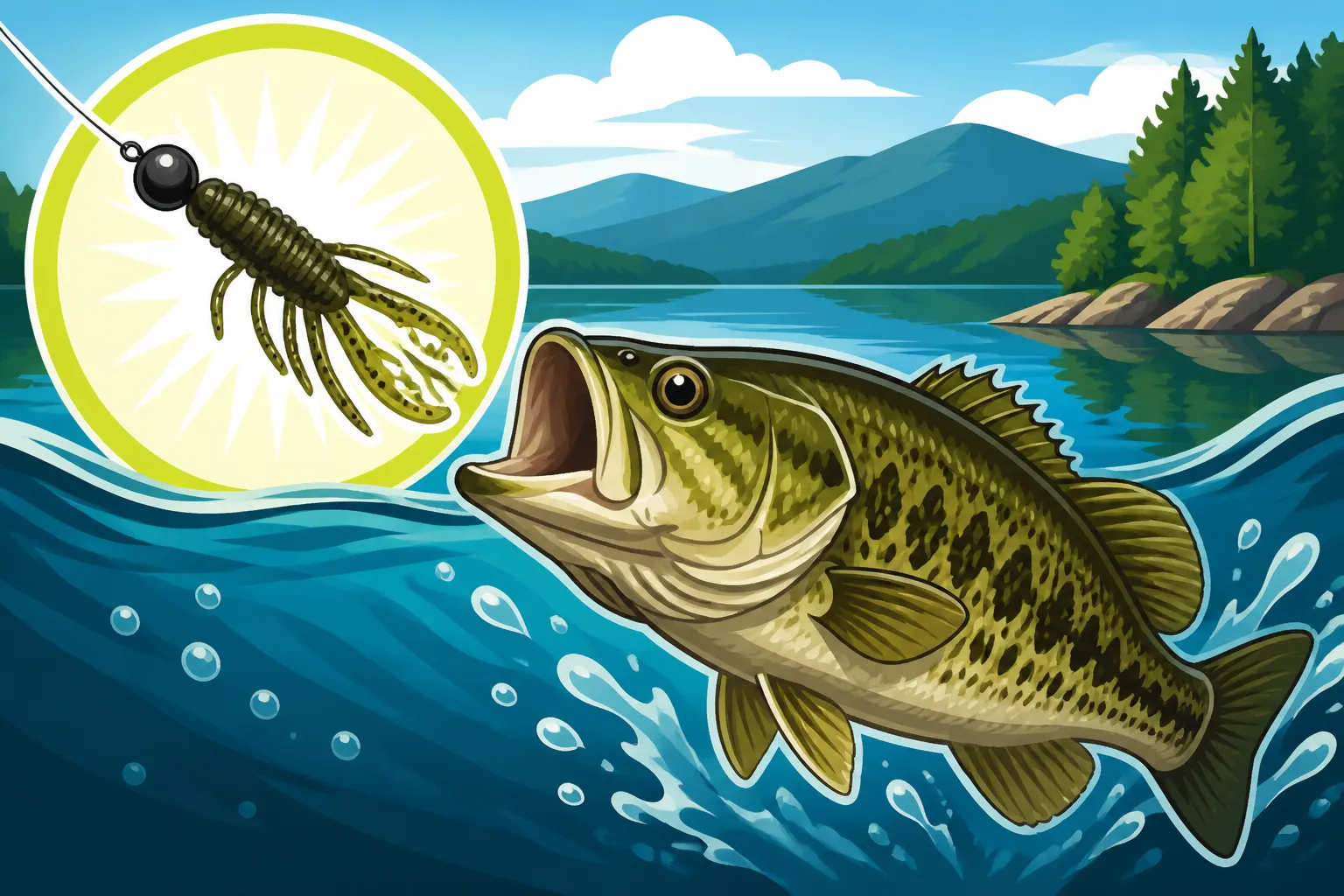
- Underspins: An underspin is essentially a jighead with a small spinner blade attached to the bottom. Paired with a small swimbait (2.5-3.5 inches), it creates a subtle flash and vibration that's incredibly alluring to spotted bass, especially in clear water. It's a fantastic option for suspended fish or those holding slightly deeper. The underspin offers a more natural, less aggressive presentation than a full-sized spinnerbait, making it perfect for those times when bass are a bit more hesitant. You can work it at various depths by simply adjusting your retrieve speed and the weight of the jig head.
Here's a quick comparison of some popular artificial bait categories for Claytor Lake spotted bass:
| Bait Type | Best Conditions | Ideal Depth Range | Retrieve Style | Pros | Cons |
|---|---|---|---|---|---|
| Drop Shot | Clear water, finicky fish, suspended bass | Mid-deep (10-40ft) | Subtle shakes, long pauses | Highly versatile, natural presentation | Slower fishing, requires light tackle |
| Shaky Head | Rocky bottoms, submerged timber, clear to stained | Shallow-mid (5-25ft) | Drag, shake, slight hops | Mimics crawfish/baitfish, easy to use | Can get snagged easily on rough bottom |
| Jerkbait | Cooler water, suspended fish, aggressive bites | Mid-deep (5-20ft) | Twitch, twitch, long pause | Excellent for reaction strikes, covers water | Requires specific action, less weedless |
| Crankbait | Actively feeding fish, covering large areas | Various (2-20ft+) | Steady retrieve, bottom-bumping | Locates active fish quickly, reaction bites | Depth sensitive, can snag |
| Topwater | Low light, calm water, aggressive fish | Surface | Pop-pause, walk the dog | Exciting strikes, visual fishing | Limited conditions, can be ignored |
| Underspin/Swimbait | Suspended fish, clear water, subtle presentation | Mid-deep (5-30ft) | Steady retrieve, slow roll | Natural look, flash and vibration combined | Can be subtle, not ideal for heavy cover |
The Effectiveness of Live Baits
Sometimes, no matter how realistic your artificial lure, nothing beats the real thing. Live bait, when fished correctly, can be incredibly effective for spotted bass, especially when they're hesitant to strike anything else.
Minnows and Shad: The Universal Attractors
For predatory fish like spotted bass, nothing says "easy meal" quite like a struggling baitfish.
- Minnows: Small shiners or fathead minnows are often readily available at local bait shops around Claytor Lake. They can be incredibly effective, especially when fished on a simple hook-and-split-shot rig. You can fish them beneath a bobber in shallower coves or freeline them (no weight, just a hook) over deeper points and ledges. The natural movement and scent of a live minnow are hard for a hungry spotted bass to resist. When fishing minnows, remember to use a small, sharp hook (size 4 or 6 octopus hook) to avoid hindering the minnow's natural action. Hook them lightly through the lips or just behind the dorsal fin.
- Shad: If you have access to a cast net and can catch threadfin or gizzard shad, these are often the primary forage for spotted bass in Claytor Lake. A live shad, especially a smaller one, is absolutely deadly. Fish them the same way you would minnows – freelined near schooling fish or suspended over deep structure. The excitement of spotted bass chasing down live bait is unmatched. However, keeping shad alive can be a challenge, so a good bait tank with aeration is essential. Using live shad is often a tactic employed by seasoned anglers who understand Best Time of Year for Bass Fishing in Virginia and can capitalize on aggressive feeding windows.
Crawfish and Worms: Bottom Bouncing Delights
Spotted bass are opportunistic feeders, and their diet often includes invertebrates found on the lake bottom.
- Crawfish: Crawfish are a natural food source for all bass species, including spots. Live crawfish, rigged with a weedless hook and a small weight, and slowly dragged along rocky bottoms or riprap, can be incredibly effective. The distinct escape behavior of a crawfish often triggers an aggressive strike. Look for areas with rocky habitat, as these are prime crawfish grounds. Presenting a live crawfish naturally can often fool the most discerning spotted bass.
- Nightcrawlers/Worms: While perhaps not as glamorous as live baitfish or crawfish, a simple nightcrawler can still catch plenty of spotted bass, especially on a dropshot or a Carolina rig. The scent and natural wiggle are powerful attractants. When spotted bass are less active or in colder water, a slowly presented worm can be just the ticket. It's often an overlooked, yet highly productive, option, especially when fishing for panfish in Virginia, but don't underestimate its ability to entice a spotted bass.
Tactics and Presentation for Success
Having the right bait is only half the battle. How you present it, and where you present it, makes all the difference when targeting Claytor Lake's smart spotted bass.
Reading the Water and Matching Forage
The first rule of successful fishing is to pay attention to your surroundings. Look for signs of baitfish activity—nervous schools on your sonar, birds diving, or actual baitfish jumping on the surface. Where there's bait, there are usually predatory fish like spotted bass close by. How to Find Fish From a Boat With a Fish Finder can really give you an edge here.
- Color Selection: In Claytor Lake's clear water, natural colors tend to outperform bright, unnatural ones. Think green pumpkin, watermelon, natural shad, transparent smoke, and brown for your soft plastics and crankbaits. On overcast days or in slightly stained water, you might experiment with chartreuse accents.
- Size Matters: Spotted bass often feed on smaller baitfish than largemouths. Adjust your lure size accordingly. While they can and will eat larger meals, finesse presentations with 3-5 inch soft plastics, small crankbaits, and 1/4 oz jigs are often more consistent.
- "Matching the Hatch": Observe what baitfish are present in the water. If you see small silver shiners, a silver jerkbait or a minnow-imitating soft plastic is a good choice. If you're fishing rocky areas where crawfish are common, a brown or green pumpkin jig or creature bait will be more effective.
Retrieve Techniques for Different Baits
The way you work your bait is just as important as the bait itself. Spotted bass are curious and aggressive, but they can also be finicky.
- For Finesse Baits (Drop Shot, Shaky Head): Slow and subtle is often the name of the game. Cast to your target, let the bait settle, and then impart subtle twitches with your rod tip. Allow for long pauses, especially in cooler water or when fish are lethargic. Focus on keeping your bait in the strike zone for as long as possible. For shaky heads, a gentle drag-and-shake motion along the bottom is key.
- For Hard Baits (Crankbaits, Jerkbaits): Vary your retrieve. For crankbaits, a steady retrieve might work, but often a stop-and-go or a retrieve that "crashes" into submerged structure will trigger more strikes. With jerkbaits, the "twitch, twitch, pause" is iconic for a reason; the longer the pause, especially in cold water, the better. Experiment with pause lengths until you find what the fish want.
- For Spinnerbaits and Underspins: A steady retrieve works well, but don't be afraid to vary your speed or even kill the bait occasionally, letting it flutter down. This erratic action can imitate an injured baitfish and draw strikes. Underspins are great for slow-rolling along contours.
Finding the Hot Spots on Claytor Lake
Claytor Lake has endless potential, but some areas consistently hold more spotted bass than others.
- Main Lake Points and Humps: These are classic spotted bass hangouts. Points that drop off steeply into deeper water, especially those with rock or timber, are prime. Submerged humps, often invisible from the surface, are goldmines when located with a good fish finder. Cast all around these structures, especially focusing on the deeper edges and breaks.
- Bluff Walls and Riprap Banks: Vertical structure is a favorite of spotted bass. Bluff walls offer deep water access immediately, and spotted bass will often suspend along them. Riprap (rocky banks, often found near bridges or dams) provides excellent cover and a ready food source. Fish parallel to these features, allowing your bait to fall along the face of the structure.
- Channel Swings and Deep Timber: The New River channel snakes through Claytor Lake, and its edges, especially where it swings close to points or banks, are natural highways for spotted bass. Look for standing timber or brush piles in these deeper channel areas. Spotted bass will often relate to the top or sides of these structures. You can find detailed access points for Claytor Lake on various fishing apps, or by checking the Boat Ramps on Claytor Lake for Fishing Access guide.
By understanding the unique behaviors of Claytor Lake's spotted bass, mastering both artificial and live bait presentations, and diligently seeking out their preferred habitats, you'll be well on your way to a successful day on the water. Remember, fishing is all about adapting, so pay attention to what the fish are telling you and be prepared to change your approach. Good luck out there!
Disclaimer
This article is for general informational purposes only and does not constitute professional advice. Laws, prices and regulations vary by location and change over time. Consult a qualified professional for guidance on your specific situation.