Walleye Fishing on Claytor Lake
For many anglers, the pursuit of walleye feels like chasing a ghost. These elusive, hard-fighting fish are notoriously tricky to locate and entice, often frustrating even seasoned fishermen. But if you’ve ever dreamed of that tell-tale "thump" on your line and the golden flash of a walleye breaking the surface, you've come to the right place. This guide is your ultimate resource for cracking the code on Claytor Lake's fantastic walleye fishery, giving you the knowledge to turn those elusive dreams into a stringer full of delicious reality.
Understanding Walleye in Virginia and Claytor Lake
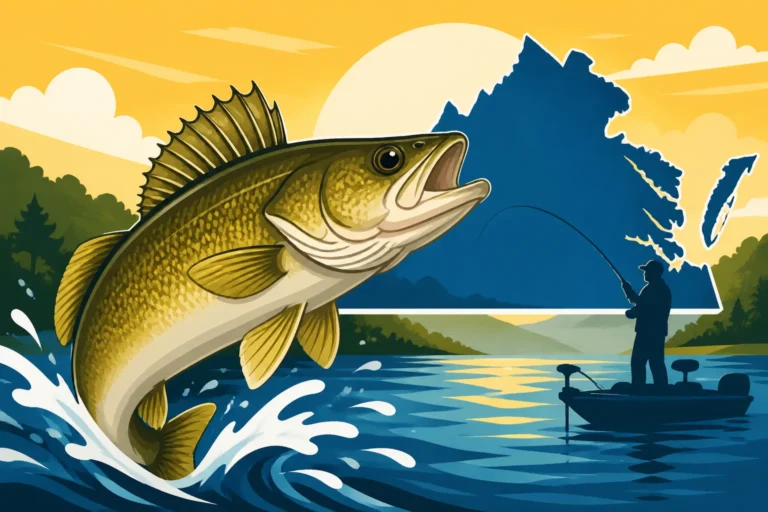
Virginia might not be the first state that comes to mind when you think of walleye fishing, but for those in the know, Claytor Lake stands out as a true gem. This incredible reservoir in Southwest Virginia offers some of the best opportunities in the Commonwealth for targeting this sought-after species. Understanding the walleye itself, what makes Claytor Lake so special, and their natural habits is your first step toward success.
Walleye Identification: Spotting the 'Glass Eye'
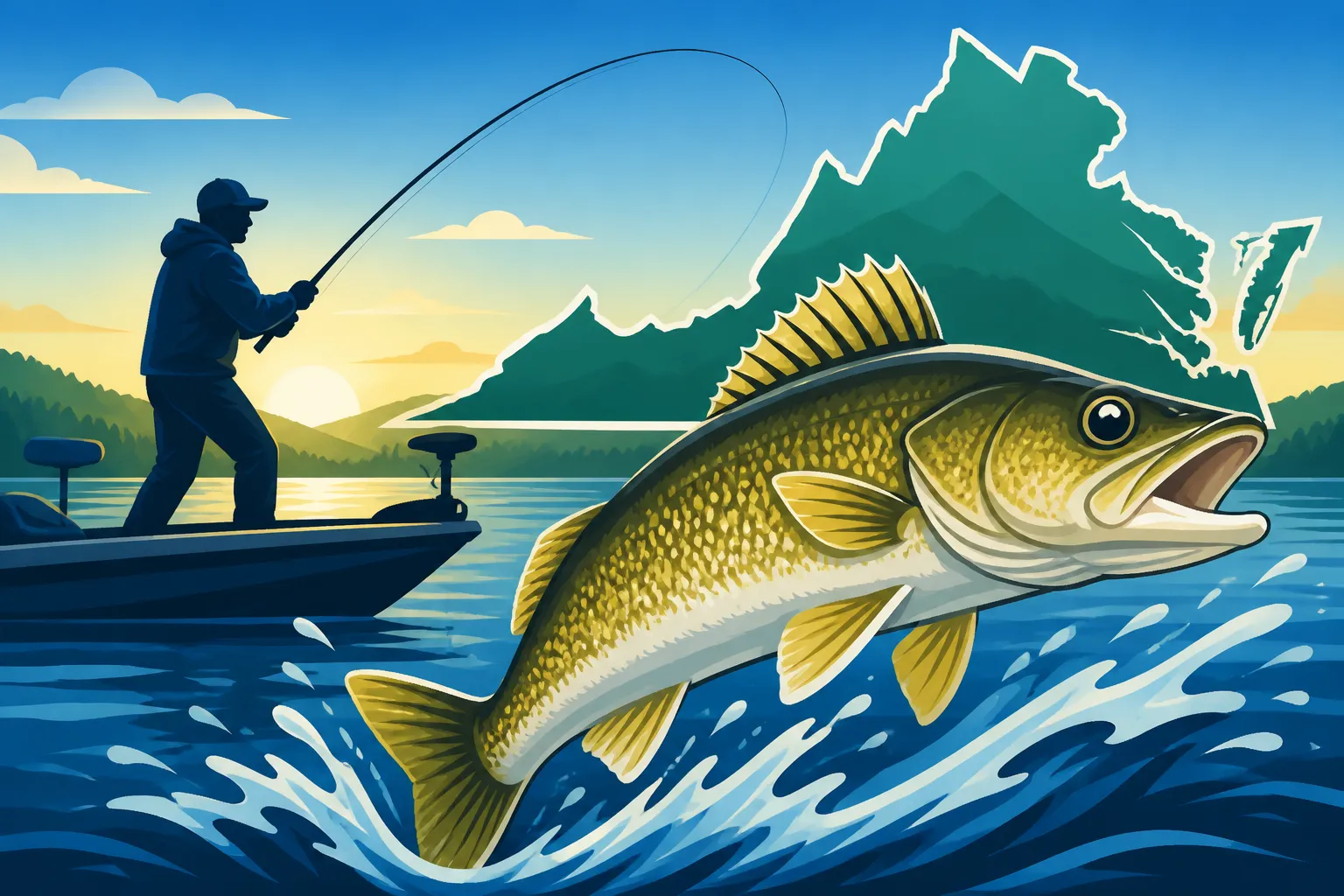
Before you can catch a walleye, you need to know what you're looking for, especially since they can sometimes be confused with other species like sauger or even yellow perch. Walleye are members of the perch family, and their most distinctive feature is their large, marble-like eyes, which have a reflective layer (the tapetum lucidum) that helps them see in low light – hence the nickname "glass eye." Their bodies are generally long and slender, with an olive-green to golden-yellow color fading to white on their bellies. They have a spiny dorsal fin followed by a soft-rayed dorsal fin, both of which often have dark blotches or streaks. A key identifier is a dark spot at the base of the last few rays of the spiny dorsal fin, a feature that distinguishes them from sauger.
Unlike some other fish, walleye aren't usually covered in prominent spots or bars, though their coloration can vary depending on water clarity and diet. They also possess sharp canine teeth, so always handle them with care, perhaps using a lip gripper or gloves, especially when dehooking. Knowing these characteristics will help you accurately identify your catch and ensure you're within legal limits for walleye, which can differ from other species.
Why Claytor Lake is a Walleye Hotspot
Claytor Lake, a 4,500-acre impoundment on the New River, boasts a thriving walleye population, making it a premier destination for anglers seeking this species. The lake's depth, varied bottom structure, and abundant forage create an ideal habitat for walleye to grow large and healthy. Claytor Lake offers everything from rocky points and ledges to deep creek channels and extensive flats, all of which appeal to different walleye preferences throughout the year. The consistent stocking programs by the Virginia Department of Wildlife Resources (DWR) have also played a crucial role in maintaining and enhancing this fishery, ensuring a robust population for anglers to enjoy.
What sets Claytor Lake apart is its unique combination of riverine and reservoir characteristics. The New River, which feeds the lake, brings in a steady supply of nutrients and creates current, which walleye often favor. Plus, the lake's generally clearer water compared to some other Virginia impoundments can be perfect for sight-feeding predators like walleye, especially during low-light conditions. When you combine these natural attributes with dedicated fishery management, you get a recipe for some truly exceptional walleye fishing opportunities. It's truly one of the best spots to find Walleye Fishing in Virginia.
Life Cycle and Habits of Claytor Lake Walleye
Understanding the life cycle and habits of walleye is paramount to successful fishing. Walleye typically spawn in early spring, usually when water temperatures are between 45 and 50 degrees Fahrenheit. On Claytor Lake, this often means late March through April, when they migrate to shallower, rocky areas with current, such as river sections or tributary mouths. After spawning, they disperse and generally move into deeper, cooler waters during the summer months, often holding near structure or thermoclines where they can ambush baitfish.
Walleye are primarily nocturnal feeders, meaning their activity peaks during dawn, dusk, and throughout the night. Their large, light-sensitive eyes give them a significant advantage over prey fish in low-light conditions. During the day, they often retreat to deeper, darker water or hug tight to structure, becoming less active. However, they can still be caught during daylight hours, especially on overcast days or in stained water, by presenting lures right in front of them. Their diet largely consists of smaller fish like shad, alewife, and perch, so understanding the forage base on Claytor Lake can give you a huge advantage in selecting the right baits and locations.
Essential Gear and Tackle for Claytor Lake Walleye
Having the right tools for the job can make all the difference, especially when you're targeting a cunning fish like the walleye. While you don't need a boatload of specialized equipment, understanding what works best for Claytor Lake's conditions will certainly improve your chances. From the rod in your hand to the lures in your tackle box, thoughtful preparation is key.
Rods, Reels, and Line Choices
For Claytor Lake walleye, a versatile spinning setup is usually the go-to choice. A medium-light to medium power rod, typically 6'6" to 7'6" in length, with a fast action tip, offers the sensitivity needed to detect subtle walleye bites and the backbone to handle larger fish. This length also works well for both casting and trolling. Pair this with a reliable spinning reel in the 2500-3000 size range, ensuring it has a smooth drag system to absorb powerful runs. Brands like Penn or Shimano offer excellent options that are widely available on platforms like Amazon.
When it comes to line, many walleye anglers prefer braided line for its sensitivity and lack of stretch, which is fantastic for feeling those light bites in deeper water. A 10-20 lb test braided line is a good starting point. However, because walleye have excellent eyesight, a fluorocarbon leader of 8-12 lb test, about 2-4 feet long, is often tied to the end of the braid. This leader offers invisibility in clear water and abrasion resistance against rocks. Alternatively, a high-quality monofilament line in the same 8-12 lb test range can also be effective, especially for top-water presentations or when trolling. The key is to match your line to your fishing technique and the clarity of the water you're fishing.
Lures and Baits That Work Best
Walleye are opportunistic feeders, but they do have preferences that vary by season and water conditions. For Claytor Lake, a diverse tackle box is your best friend. Crankbaits are incredibly effective, especially for trolling, mimicking baitfish like shad or alewife. Consider diving crankbaits that can reach various depths, with colors ranging from natural shad patterns to brighter chartreuse or firetiger, particularly in stained water. Examples include Rapala Shad Raps or Berkley Flicker Shads.
Jigs are another walleye staple, particularly for vertical fishing or casting to structure. A 1/4 to 1/2 ounce jig head tipped with a live minnow, a soft plastic swimbait, or a paddle tail grub can be deadly. Grubs in white, pearl, or chartreuse are often productive. For live bait fishing, shiners, minnows, nightcrawlers, and leeches are classic walleye magnets. These can be fished on a simple jig head, a slip bobber rig, or with a bottom bouncer setup. Don't be afraid to experiment with different sizes and colors until you find what the walleye are keying into on any given day. Many anglers stock up on a variety of these baits and lures online, knowing that Amazon often has a great selection.
Electronics and Other Crucial Tools
In walleye fishing, especially on a larger lake like Claytor, modern electronics can dramatically increase your success. A good fish finder with down-imaging and side-imaging capabilities is almost indispensable. These units allow you to not only see fish directly beneath your boat but also to scan the bottom structure and identify schooling baitfish and lurking walleye off to the sides. Look for humps, ledges, submerged timber, and deep creek channels – these are prime walleye hangouts. GPS mapping capabilities are also incredibly useful for marking productive spots, tracking trolling paths, and navigating safely.
Beyond electronics, a few other tools are highly recommended. A long-handled net with rubberized mesh is essential for safely landing walleye, especially those with sharp teeth. A good pair of pliers or a dehooking tool will help remove hooks quickly and minimize stress on the fish. A livewell is great if you plan to keep your catch or practice catch and release effectively, as it keeps fish healthy. Finally, don't forget the essentials like sunscreen, polarized sunglasses to cut glare and spot structure, and a good cooler for your refreshments and, hopefully, your catch! Sometimes you can find bundle deals for these accessories if you search around online retailers like Amazon.
Top Techniques for Catching Walleye on Claytor Lake
Walleye fishing isn't a one-size-fits-all endeavor. What works in one season or part of the lake might be completely ineffective elsewhere. Claytor Lake offers a diverse environment, which means adapting your techniques to the conditions is crucial. Let's dive into some of the most effective strategies to put Claytor Lake walleye in your boat or on the bank.
Trolling Strategies and Speed
Trolling is arguably one of the most popular and effective methods for covering water and locating scattered walleye on Claytor Lake. The idea is to slowly pull lures or live bait rigs behind your boat, allowing them to track at specific depths. Crankbaits are a favorite for trolling. Experiment with different sizes, colors, and lip designs to achieve the desired running depth. Shad patterns and perch colors tend to work well in clear water, while brighter colors like firetiger or chartreuse can be more effective in stained conditions or during low light. Pay attention to line counter reels to accurately reproduce successful depths.
The speed of your troll is critical. Walleye often prefer a slower presentation, typically between 1.0 and 2.5 miles per hour. However, don't be afraid to vary your speed; sometimes subtle changes, like a brief acceleration or deceleration (often achieved by making a slight turn), can trigger a strike from a hesitant fish. Using planer boards can help spread out your lines, cover a wider swath of water, and present baits away from the boat's disturbance, especially effective over shallow flats or alongside deep channels. Many anglers use a variety of crankbaits, often picking up different brands and colors from a wide selection found on Amazon, to ensure they have options for various conditions.
Jigging and Vertical Presentation
When walleye are concentrated in specific areas, such as around humps, ledges, or deep timber, vertical jigging becomes an incredibly potent technique. This involves positioning your boat directly over the fish (often identified with your fish finder) and dropping a jig or bait straight down to them. A 1/4 to 1/2 ounce jig head tipped with a live minnow or a soft plastic grub is a classic setup. The presentation is simple: drop the jig to the bottom, lift it a foot or two, and let it fall back down on a semi-slack line, allowing the lure to "swim" or "glide" naturally. Walleye often strike on the fall, so pay close attention to any slack line or sudden pressure.
For an even more precise vertical presentation, especially in deeper water, blade baits or spoon jigs can be highly effective. These lures shimmer and vibrate on the retrieve, mimicking injured baitfish. The key to successful jigging is boat control, especially in windy conditions. A trolling motor with a spot-lock feature is invaluable for holding your position over a productive spot. This method is particularly effective during the colder months or when walleye are lethargic and less willing to chase fast-moving baits.
Bottom Bouncing and Live Bait Rigs
When walleye are spread out along the bottom or holding tight to structure, but not actively chasing trolled crankbaits, bottom bouncers and live bait rigs shine. A bottom bouncer is a weighted wire rig designed to keep your bait just off the bottom without snagging. They come in various weights (from 1/2 to 3 ounces) and are often paired with a snell rig featuring a single hook for a nightcrawler or leech, or a double hook rig for a live minnow.
To fish a bottom bouncer, simply let it out until you feel it lightly tapping the bottom as your boat moves slowly forward (either drifting or with a trolling motor). The snell rig behind it will present your live bait naturally, often just a few inches to a foot or two above the bottom, right in the walleye's strike zone. This technique is fantastic for exploring contour lines, subtle depth changes, or hard-to-reach rocky areas. It's a slower, more methodical approach than pure trolling, but it can be incredibly rewarding when walleye are finicky and prefer a stationary or very slow-moving meal. Don't be surprised if this turns out to be your most reliable method on Claytor Lake, especially when targeting Walleye Fishing on Claytor Lake.
Seasonal Approaches to Walleye Fishing on Claytor Lake
Claytor Lake's walleye fishery changes with the seasons, and so too must your approach. What works during the spring spawn will likely be unproductive in the heat of summer. Understanding these seasonal patterns is like having a secret map to where the walleye will be and what they'll be willing to bite.
Spring Spawning Run Tactics
Spring is often the most anticipated season for walleye anglers, as it brings the opportunity to target fish concentrated for their annual spawn. On Claytor Lake, this typically occurs from late March through April when water temperatures climb into the 45-50 degree Fahrenheit range. Walleye will migrate from deeper main lake basins into shallower, rocky areas with good current. The upper reaches of the New River arm of Claytor Lake and rocky points or tributary mouths are prime areas during this time.
During the spawn, walleye are focused on reproduction, but they will still feed opportunistically. Slow-moving baits are often best. Jigging with live minnows or soft plastics around rocky shoals and current breaks can be incredibly effective. Casting shallow-diving crankbaits or even suspending jerkbaits in these same areas can also draw strikes. Focus on low-light periods – dawn, dusk, and overcast days – as walleye are especially active then. Remember, while the fish are concentrated, they can also be sensitive to pressure, so a stealthy approach is often rewarded. Be sure to check the specific Virginia Fishing Regulations Explained for walleye during this critical period.
Summer Deep Water Strategies
As the water temperatures on Claytor Lake rise into the 70s during summer, walleye generally retreat to deeper, cooler, and more oxygenated waters. They'll often be found near the thermocline (the layer where warm surface water meets cooler deep water), which can be anywhere from 15 to 30 feet deep, depending on the year and specific area of the lake. During this season, look for them along main lake channels, deep points, offshore humps, and submerged timber.
Trolling becomes a dominant strategy in summer. Use deep-diving crankbaits, like those from Bagley or Rapala, that can reach the depths where walleye are holding. Lead core line or downriggers can also be employed to get smaller baits down to precise depths. Bottom bouncers with live nightcrawlers or large minnows are also highly effective, slowly dragged along deep contours. Night fishing can be particularly productive in summer, as walleye will often move shallower under the cover of darkness to feed. Focus on structure adjacent to deep water, such as main lake points or humps.
Fall Feeding Frenzy Methods
Autumn on Claytor Lake brings cooler water temperatures and often triggers a major feeding frenzy for walleye as they bulk up for winter. This is a fantastic time for trophy-sized fish! As surface temperatures drop, walleye will become more active and start to disperse from their deepest summer haunts, moving shallower, particularly during overcast days or low light. They'll actively chase baitfish that are also schooling up in preparation for winter.
Trolling with crankbaits remains a top tactic, but you might find success with a wider range of lures, including shallower divers if fish are chasing bait closer to the surface. Look for large schools of baitfish on your electronics, as walleye will likely be nearby. Casting blade baits or large swimbaits into these baitfish schools can be incredibly productive. Focus on points, flats, and the mouths of larger creeks where baitfish gather. Early morning and late afternoon into dusk are prime times to be on the water.
Winter Cold Water Tactics
While Claytor Lake doesn't typically freeze over for extensive ice fishing like some northern lakes, winter still presents opportunities for intrepid anglers. With water temperatures at their coldest, walleye become more lethargic, but they still need to feed. They will often hold tight to deep structure, such as channel bends, deep humps, and vertical drop-offs.
Slow, vertical presentations are the key in winter. Jigging spoons, blade baits, or small jigs tipped with live minnows are excellent choices. Concentrate your efforts on areas where you can pinpoint fish with your electronics. Slowly lift and drop your lure, keeping it in the strike zone for extended periods. Patience is paramount, as bites can be very subtle. Targeting areas where current is present (from the New River inflow) or slightly warmer water pockets might also yield results. Even though it's cold, those who brave the elements can be rewarded with some impressive Claytor Lake walleye.
Finding the Best Walleye Spots on Claytor Lake
Knowing how to fish for walleye is only half the battle; knowing where to find them is the other. Claytor Lake offers a diverse underwater landscape, and understanding how to read that landscape and identify key walleye holding areas will dramatically increase your success.
Locating Structure: Points, Humps, and Channels
Walleye are masters of ambush, and they use underwater structure to their advantage, both for cover and to funnel baitfish. On Claytor Lake, focus your search on several key structural elements. Points that extend out into the main lake or into major creek arms are always worth investigating, especially those with rocky bottoms or quick depth changes. Walleye will often stage on the downcurrent side of these points, waiting for unsuspecting prey.
Submerged humps and roadbeds are another prime target. These hidden features offer elevated terrain in deeper water, providing excellent ambush points and congregation areas for baitfish. Use your electronics to find these humps and then thoroughly fish around their tops and sides. Deep creek channels, especially where they intersect with main lake points or flats, act like highways for baitfish and predators alike. Walleye will often patrol these channels or position themselves along their edges. Pay close attention to any breaks in the channel, such as bends or junctions with smaller ditches, as these are natural holding spots.
Identifying Forage and Baitfish Concentrations
Walleye go where the food is, so finding concentrations of their primary forage — typically shad, alewife, or smaller perch on Claytor Lake — is like finding a giant "X" on your fishing map. Your fish finder will be your best friend here. Look for large, dense schools of baitfish, often appearing as "clouds" or "balls" on your sonar screen. Walleye will rarely be far from these schools.
During different seasons, baitfish will be found in various locations. In spring, they might be in shallower bays. In summer, they'll likely be in deeper, cooler water. In fall, they often school up tightly in major creek arms or main lake basins. Once you locate bait, pay close attention to any larger arcs or marks lurking beneath or within the school – those are often the walleye. Targeting the edges of these bait schools, or fishing just below them, can be highly effective. The connection between healthy baitfish populations and strong walleye fishing on Claytor Lake is undeniable.
Prime Claytor Lake Tributaries and Coves
While much of the walleye fishing on Claytor Lake focuses on the main lake, don't overlook the importance of its tributaries and larger coves, especially during certain times of the year. In spring, as mentioned earlier, the upper reaches of the New River arm are crucial spawning grounds. These river sections offer the rocky bottoms and current that walleye prefer for reproduction. Fishing areas just downstream from these spawning zones can be excellent as fish recuperate and begin to feed.
Larger coves, particularly those with deep water access and good structure (like submerged brush piles or rock formations), can also hold walleye, especially during low-light conditions or when baitfish move into them. The deeper portions of coves, especially those with some current, can be productive year-round. While Claytor Lake is known for Claytor Lake's Unusual Mix of Bass, Catfish, and Walleye in Virginia, learning the specific patterns for walleye in these tributary and cove areas will add another powerful tool to your angler's toolkit. It’s all about understanding the subtle nuances of where these clever fish like to hide.
Walleye Fishing Regulations and Conservation on Claytor Lake
Responsible angling is about more than just catching fish; it's about preserving the resource for future generations. Understanding and adhering to fishing regulations and practicing good conservation habits are crucial for maintaining Claytor Lake's fantastic walleye fishery.
Size and Creel Limits
Fishing regulations are put in place by the Virginia Department of Wildlife Resources (DWR) to ensure the sustainability of fish populations. For walleye on Claytor Lake and across Virginia, specific size and creel (possession) limits are enforced. These limits can change, so it's absolutely vital to check the most current Virginia DWR regulations before heading out on the water. Typically, there will be a minimum length requirement, meaning any walleye caught under a certain size must be immediately released. There will also be a daily creel limit, dictating how many walleye you can keep per day.
These regulations are designed to protect the walleye population, especially ensuring that enough fish reach maturity to spawn and contribute to the next generation. Keeping undersized fish or exceeding your daily limit not only carries penalties but also actively harms the fishery. Always measure your fish carefully and accurately. If in doubt about a fish's size, it's always best to release it. Knowing the Virginia Fishing License and Catch Limit Basics is your responsibility as an angler.
Practicing Catch and Release for Future Generations
While it's certainly rewarding to take home a few walleye for a delicious meal, practicing responsible catch and release, especially for larger breeding-size fish, is vital for the long-term health of the fishery. Many anglers choose to release the largest walleye (often referred to as "brood stock") as they are the most valuable for future generations.
If you plan to release a fish, take steps to minimize stress and injury. Use circle hooks when possible, as they tend to hook fish in the corner of the mouth, making them easier to remove. Handle fish gently, supporting their body weight, and avoid touching their gills or eyes. If a fish is hooked deeply, cut the line as close to the hook as possible rather than trying to rip the hook out. Get a quick photo if you must, but return the fish to the water as quickly as possible. When releasing fish in deeper water, consider using a descending device to help them recover from barotrauma (pressure changes). By consciously thinking about conservation, we all contribute to keeping Claytor Lake a top-tier walleye destination for years to come.
Disclaimer
This article is for general informational purposes only and does not constitute professional advice. Laws, prices and regulations vary by location and change over time. Consult a qualified professional for guidance on your specific situation.