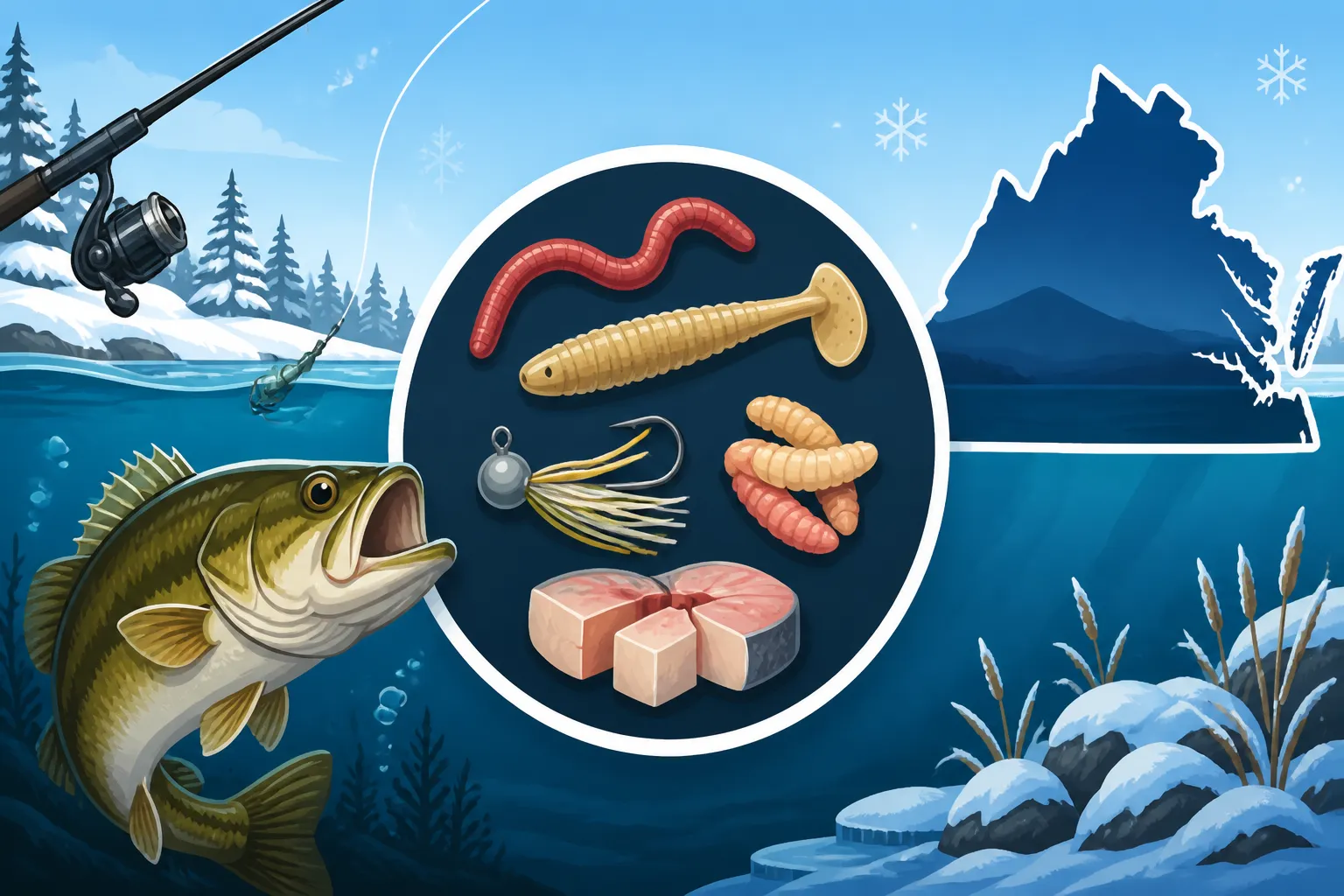
Best Bait for Winter Fishing
Winter fishing in Virginia can be incredibly rewarding, but it presents a unique set of challenges that can leave even seasoned anglers scratching their heads. The frustration of staring at an empty ice hole or a still line for hours is real, as fish metabolism slows down dramatically in frigid waters, making them far less active and picky eaters. This comprehensive guide will arm you with the knowledge of the best baits and techniques to entice those cold-water critters and make your Virginia winter fishing trips much more successful.
The Unique Challenges of Winter Fishing in Virginia
When the air turns crisp and the water temperatures plummet across Virginia's lakes, rivers, and even the shallow estuaries, fish undergo a significant transformation. They're not the same aggressive, high-energy eaters they were in the spring or summer, and understanding this shift is crucial for success. It's not just about finding the fish; it's about presenting something they simply can't resist when their desire to chase is at an all-time low.
Cold Water's Impact on Fish Metabolism and Behavior
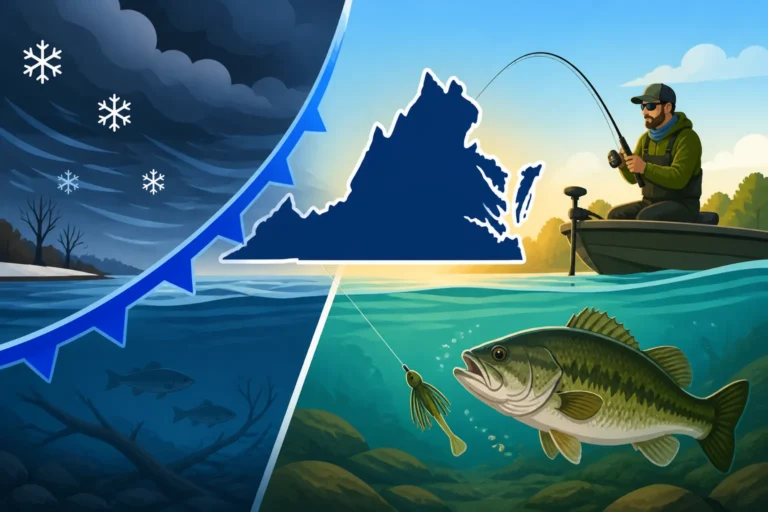
Think of fish in cold water like us on a lazy Sunday morning: slow, sluggish, and not keen on expending much energy. Their metabolism dips dramatically, which means they don't need to eat as often, nor do they need to chase down fast-moving prey. This physiological change affects everything from their swimming speed to their digestive rate. They're conserving energy, period. This translates to smaller strike zones and a preference for meals that are easy to catch and digest. You won't find many fish darting after a rapidly retrieved lure when their bodies are telling them to conserve every calorie. Understanding this fundamental biological shift is the first step in adapting your approach.
They often hunker down in deeper, more stable water where temperatures fluctuate less, or they might congregate near sources of warmth, however subtle, such as a warmer spring inflow or a dark, sun-soaked rock. Instead of actively foraging across wide areas, they'll often position themselves in ambush points, waiting for an easy meal to drift by. This means your bait presentation needs to be incredibly subtle, offering them a clear, enticing target without demanding much effort on their part. Speed is out; patience and precision are in.
Locating Fish in Winter: Structure and Depth
Finding fish in winter isn't always about a "secret spot" as much as it is about understanding their cold-water habits. They tend to seek out areas that offer stable temperatures and protection, often relating closely to structure. This could mean deep creek channels in a reservoir, submerged timber, rock piles, sudden drop-offs, or even humps that rise off the main lake bed. These spots provide both cover and access to slightly warmer, more stable water columns. In larger bodies of water like Smith Mountain Lake, fish will often hold near the thermocline (if one exists even subtly in winter) or suspend over deeper channels.
The depth itself is a key factor. While some fish might be found shallower during brief warm spells or in sun-exposed areas, the general rule is to start deeper. As the sun climbs higher on a clear winter day, some fish might temporarily move up shallower to bask in the limited warmth, especially late in the afternoon. However, the majority will stay deep, minimizing energy expenditure. Using your electronics to locate schools of baitfish, which the predators will inevitably follow, is paramount. If you find the bait, you're likely to find the bigger fish, but remember they'll be holding tight and won't chase far.
Best Live Baits for Virginia Winter Fishing
When fish are sluggish and hesitant, nothing beats the natural appeal of live bait. The scent, movement, and taste are often irresistible, even to the most lethargic winter fish. In Virginia, stocking up on the right kind of live bait can dramatically improve your chances of a successful outing.
Minnows and Shiners: The Universal Appeal
If there's one universal truth in cold-water fishing, it's that minnows and shiners are king. These small, silvery baitfish are a staple for many predatory species in Virginia's freshwater systems, from hungry bass to crappie and even walleye. Their natural erratic movements, even when hooked lightly, mimic a vulnerable prey fish, which is precisely what a cold, energy-conserving predator is looking for.
When using minnows or shiners, presentation is key. Many anglers will hook them lightly through the back, just behind the dorsal fin, being careful not to hit the spine, which allows them to swim naturally. You can also hook them through the lips for a more horizontal presentation. Using a float to suspend them at the desired depth, or slow-trolling them behind the boat, are both effective methods. For stationary fishing, such as through the ice or from a pier, simply allowing them to twitch and dart on a small hook can be enough to trigger a strike. Keep your minnows lively by using a good aerated bait bucket; tired minnows are far less effective. You can often find a good bait aerator for sale on Amazon to keep your minnows kicking longer.
Worms and Nightcrawlers: Slow and Steady Wins the Race
The humble worm, in its various forms like red wigglers or nightcrawlers, remains an incredibly effective winter bait, especially for panfish, trout, and even smaller bass. Their natural scent and slow, wriggling motion are a beacon to fish that are moving slowly along the bottom or suspended in vegetation. What makes them so good in winter is that their natural movements are already slow and subtle, perfectly matching the fish's metabolic pace.
For winter use, consider cutting larger nightcrawlers into smaller pieces. This provides a manageable, bite-sized meal that releases more scent into the water, attracting fish without overwhelming them. Fishing them on a small hook under a sensitive bobber, or on a light Carolina rig that allows them to drift naturally near the bottom, are excellent strategies. Trout in particular often respond well to a small piece of worm drifted naturally in a cold stream. Keep in mind that presentation should be as natural and effortless as possible for the fish. A small split shot a foot or two above the hook might be all you need to get the worm down to where the fish are holding without impeding its movement too much.
Crayfish and Other Invertebrates: Bottom Dwellers' Delights
While perhaps less common for widespread winter use, crayfish and other local invertebrates like hellgrammites can be absolute magnets for certain species, especially smallmouth bass and larger trout in rocky rivers and lakes. These creatures are a natural part of many fish diets, and in winter, they represent a slow, protein-rich meal that doesn't require much effort to catch. The trick is often finding them, as they also tend to be less active in colder temperatures.
If you can source live crayfish (check your local bait shops or try trapping your own), present them on a slow-moving bottom rig. Hook them through the tail for better longevity and a more natural escape motion. Their slow scuttling, when gently retrieved or allowed to drift, can be irresistible. This type of bait appeals to fish that are actively searching the bottom for food, often in rocky areas where crayfish naturally reside. The key, as always, is a slow, deliberate presentation that allows the bait's natural movements to do the work. Remember, different species have different preferences, and matching the hatch, even in winter, can make a huge difference.
Top Artificial Lures for Winter Fishing in Virginia
While live bait often has an edge in colder water, artificial lures can be incredibly effective when properly chosen and presented. The advantage of artificials is their durability, variety, and the ability to cover more water quickly. The key is to select lures that excel at slow presentations and mimic the subtle movements of distressed baitfish or invertebrates.
Jigs: Vertical Presentations are Key
Jigs are arguably the most versatile and effective artificial lure for winter fishing, particularly in deeper waters. Their ability to be worked vertically allows you to target fish precisely in their winter holding patterns, often suspended or tight to structure. Whether it's a small hair jig, a marabou jig, or a simple leadhead with a soft plastic trailer, the slow, subtle fall and lift of a jig can be deadly.
For crappie and panfish, tiny jigs (1/32 to 1/16 ounce) with a small plastic body or a dressed marabou tail are hard to beat. Slowly lift and drop them, or simply suspend them perfectly still, allowing the current or boat movement to impart just a hint of action. For bass, heavier jigs (1/4 to 1/2 ounce) with a bulkier profile, like a football head jig dressed with a chunk trailer, are excellent for crawling along the bottom or working through submerged brush. The key is to fish them incredibly slowly, often with pauses that can last several seconds. Sometimes, the bite will be almost imperceptible, just a slight pressure or a tick on the line, so pay close attention.
Blade Baits and Lipless Crankbaits: Aggressive, Cold-Water Options
While generally thought of as power fishing lures, blade baits and lipless crankbaits have a surprising place in the winter angler's arsenal, especially for targeting more aggressive fish or drawing reaction strikes. These lures are exceptional for covering water quickly and locating schools of fish, particularly on deeper flats or points in lakes like Lake Anna or Claytor Lake.
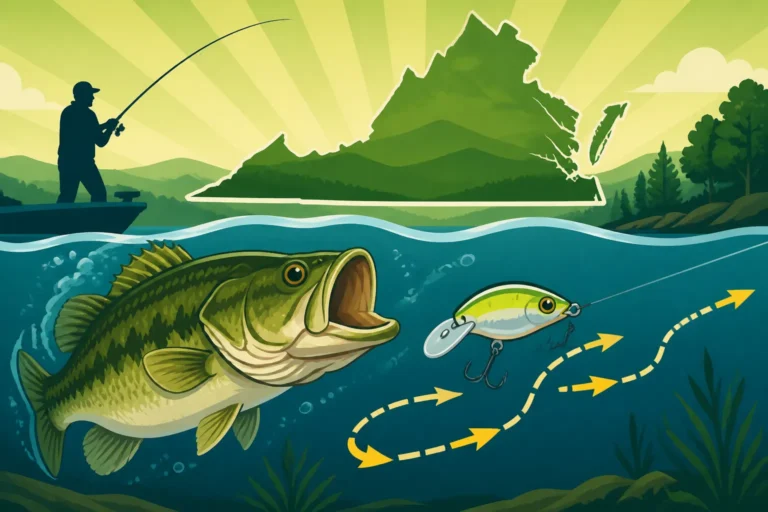
The trick with these lures in winter is not to retrieve them continuously. Instead, use a "lift and drop" or "yo-yo" retrieve. Cast them out, let them sink to the desired depth (often the bottom), then sharply lift your rod tip to make the lure vibrate and dart upward, followed by a controlled fall on a semi-slack line. Most strikes will occur on the fall, as the lure flutters down like a stunned baitfish. The vibration of a blade bait or lipless crankbait can be excellent for attracting fish in murkier water or when they need a little more convincing. Look for models in subtle colors that mimic natural baitfish, or those with highly reflective surfaces to catch the limited winter light. Many reputable brands offer effective blade baits and lipless crankbaits; checking reviews on Amazon can help you narrow down the best choices for your target species and conditions.
Soft Plastics: Slow Movement for Lethargic Fish
Soft plastics, in their myriad forms, are indispensable for winter fishing. Their supple texture and ability to mimic natural prey with minimal movement make them perfect for lethargic fish. From small grub tails for panfish to larger creature baits and worms for bass, there’s a soft plastic for almost every situation.
For bass, popular winter choices include finesse worms, smaller stick baits, and even creature baits on a shaky head or drop shot rig. The key is to use very light weights and a slow, almost imperceptible retrieve. Let the lure sit motionless for extended periods, occasionally twitching it just enough to make a tail quiver or a subtle shift on the bottom. Colors should generally be more subdued in winter – natural greens, browns, and blacks, or translucent shades are often best in clearer water. In stained water, sometimes a bit more vibrant color can make a difference. The flexibility of soft plastics means they can be rigged in countless ways, allowing you to fine-tune your presentation to the exact mood of the fish. Always be prepared with a variety of sizes and colors in your tackle box; it's easy to order a diverse selection of soft plastics from sites like Amazon to ensure you're ready for anything.
Selecting the Right Bait for Specific Virginia Winter Species
Virginia's diverse waterways host a fantastic array of fish, and while general winter principles apply, tailoring your bait choice to the specific species you're targeting will significantly boost your success. Different fish have different diets and feeding habits, even in the cold.
Bass (Largemouth & Smallmouth): What They're After
Largemouth and smallmouth bass are still active in winter, but they're concentrated and looking for easy meals. For largemouth bass, think slow and bulky. Jigs with a pork or soft plastic trailer, slow-rolled spinnerbaits, or vertically jigged spoons can be highly effective. Finesse techniques like a shaky head worm or a drop shot rig fished painstakingly slowly around deep structure are also fantastic options. They often relate to submerged timber, rock piles, or deep ledges in lakes like Smith Mountain Lake.
Smallmouth bass, found in clearer, rocky environments like the Shenandoah River or Claytor Lake, often prefer smaller, more natural presentations. Blade baits, small hair jigs, and tube baits bounced along the bottom are excellent. They love crawfish imitations, so a brown or green pumpkin jig with a subtle trailer can be deadly. Remember, smallmouths are often in clearer water, so lighter lines and more natural lure colors are usually beneficial. A Best Bait for Smallmouth Bass in Virginia guide might offer even more detailed strategies for these feisty fish.
Crappie & Panfish: Small Baits, Big Results
Winter is prime time for crappie, especially in lakes and reservoirs. They often school up tightly around submerged brush piles, bridge pilings, or deep docks. For these schooling panfish, less is often more. Crappie absolutely devour small jigs (1/32 to 1/16 ounce) tipped with a minnow or a small soft plastic grub. Spider rigging with multiple rods, each presenting a minnow or jig at a slightly different depth, is a popular and effective method. Vertical jigging directly over a brush pile you've marked on your fish finder can produce incredible results.
Other panfish like bluegill and shellcrackers will also bite in winter, though often less aggressively than crappie. Tiny ice jigs, often no larger than a pea, tipped with a wax worm, maggot, or even a small piece of corn, are excellent choices. Bream and Bluegill Fishing for Beginners can be a great place to start if you're new to targeting these fun-to-catch fish. Light line (2-4 lb test) is crucial for these light biters. Look for them in deeper pockets near weed lines or brush.
Trout: Natural Offerings and Imitations
Virginia's stocked trout waters and wild trout streams offer exciting winter opportunities. For stocked trout, which are often less wary, a variety of baits work well. PowerBait (especially in bright colors), corn, small worms, and salmon eggs are reliable choices. Float them under a sensitive bobber or rig them on a simple Carolina rig to keep them on the bottom in slower pools. Remember, a Stocked Trout License Requirements in Virginia is usually needed for these waters.
Wild trout in cold mountain streams are a different challenge. They prefer more natural presentations. Small nymphs, midge patterns, and tiny streamers are top choices for fly anglers. For spin fishermen, small inline spinners (like Panther Martins or Mepps Aglias) or micro jigs (1/32 to 1/64 ounce) can imitate the aquatic insects and minnows they feed on. Focus on slower moving pools, eddies, and undercut banks where trout can conserve energy. Wild Trout Stream Rules in Virginia provides important details about regulations in these sensitive areas.
Catfish: The Hardy Bottom Feeders
Catfish, especially blue catfish and channel catfish, remain a viable target throughout the Virginia winter, particularly in larger river systems like the James River. They're incredibly hardy and will feed even in very cold water, though their activity levels will be lower. They’ll congregate in deeper holes and channels, often in large numbers.
For winter catfish, cut bait is king. Fresh shad, herring, or even chicken livers are potent options. The scent trail they release is irresistible. Rig your cut bait on a heavy bottom rig, allowing it to sit directly on the bottom in deep holes or along the edges of channels. Patience is key, as bites can be slow and subtle. Large natural baits that offer a substantial, easy meal are what they're looking for. Some anglers find that scent enhancers can boost the appeal of cut baits in cold water. You can often find a good selection of catfish baits, including specialized dough baits and scent sprays, on Amazon. Catfish Fishing Techniques and Bait Guide can give you more in-depth strategies.
Essential Tips for Winter Bait Presentation and Technique
Having the right bait is only half the battle in winter fishing. How you present that bait is equally, if not more, important. Winter fish demand a different approach, one characterized by subtlety, patience, and precision.
Slow It Down: The Golden Rule of Winter Fishing
This cannot be stressed enough: slow down. Every aspect of your retrieve, jigging motion, or drift should be dramatically slower than what you'd use in warmer months. Fish are cold-blooded, and their metabolic rate is directly tied to water temperature. When the water is cold, they move slowly, digest slowly, and react slowly. A fast-moving lure that they have to chase down aggressively is simply not appealing, and they'll let it pass by.
Think of your presentation as a dying or struggling baitfish, or an easy, drifting meal. Let jigs sit motionless on the bottom for 10-20 seconds before a slight twitch. Reel crankbaits at a snail's pace, often with long pauses. For live bait, let it drift as naturally as possible, only moving it slightly to cover new water. The vast majority of winter bites will come when your bait is moving at its slowest, or even when it's completely still. Patience is your most powerful weapon.
Finesse Over Power: Light Lines and Subtle Movements
Winter fishing often calls for a finesse approach. This means using lighter line, smaller hooks, and lighter weights than you might typically use. The clearer water conditions often found in winter, coupled with the fish's lethargy, make them more discerning. Heavy line can be visible, and heavy weights can make your bait fall unnaturally.
For crappie and panfish, 2-4 lb test monofilament or fluorocarbon is ideal. For bass and trout, 6-8 lb test is often sufficient. Lighter line allows your bait to move more naturally, and it's less visible to wary fish. Focus on subtle rod tip movements to impart action to your lures. Instead of big jerks, think small twitches, lifts, and drops. Every movement should be deliberate and controlled, designed to tempt a hesitant fish rather than provoke an aggressive strike. This finesse approach is also key when considering Fishing Techniques After a Cold Front, as fish become even more sensitive to pressure.
Water Temperature and Depth: Reading the Conditions
Understanding water temperature and depth is absolutely critical in winter. Fish will seek out the most stable and comfortable water available, which is often the warmest available within their preferred range. In deep lakes, this might mean a thermocline that lingers even in cold weather, or simply the deepest parts of the main lake channel where temperatures are less affected by surface conditions.
Use a fish finder with a temperature gauge to identify these key zones. Look for slight temperature breaks or areas where baitfish are congregating. On sunny days, shallow, dark bottom areas might warm up a degree or two, drawing some fish up temporarily, especially late in the afternoon. Conversely, after a severe cold snap, fish will burrow into the deepest, most stable water they can find. Constantly adjusting your depth based on these thermal cues will put your bait in front of more fish. Knowing Water Temperature and Fish Feeding Patterns is a major advantage.
Winter Bait & Lure Recommendations for Virginia Species
Here's a quick guide to common Virginia winter species and their preferred baits/lures.
| Species | Preferred Live Baits | Preferred Artificial Lures | Key Techniques |
|---|---|---|---|
| Largemouth Bass | Minnows, Shiners | Jigs (football, arkie), Finesse Worms, Blade Baits | Slow retrieve, deep structure, shaky head, drop shot, slow jigging |
| Smallmouth Bass | Crayfish, Minnows | Tube Jigs, Hair Jigs, Blade Baits, Small Swimbaits | Bouncing off bottom, vertical jigging, rocky structure, current seams |
| Crappie | Minnows | Small Jigs (1/32-1/16 oz), Micro Spoons | Vertical jigging brush piles, suspending under floats, spider rigging |
| Trout (Stocked) | PowerBait, Corn, Worms, Salmon Eggs | Small Inline Spinners, Micro Jigs | Bottom rigs, float fishing, drifting with current, slow retrieve |
| Trout (Wild) | Small Worms (if legal/ethical) | Nymphs (fly fishing), Micro Jigs, Tiny Spinners | Drifting naturally, sight fishing, targeting pools and eddies |
| Catfish | Cut Bait (Shad, Herring), Chicken Livers | Large Soft Plastics (for active feeders) | Bottom rigging in deep holes, heavy weights, waiting for subtle bites |
| Panfish | Wax Worms, Maggots, Small Worm Pieces | Ice Jigs, Tiny Jigs (1/64 oz), Small Poppers (warm days) | Suspended under float, sight fishing in clear water, subtle twitching |
Disclaimer
This article is for general informational purposes only and does not constitute professional advice. Laws, prices and regulations vary by location and change over time. Consult a qualified professional for guidance on your specific situation.