Do Bass Bite Better Before a Storm?
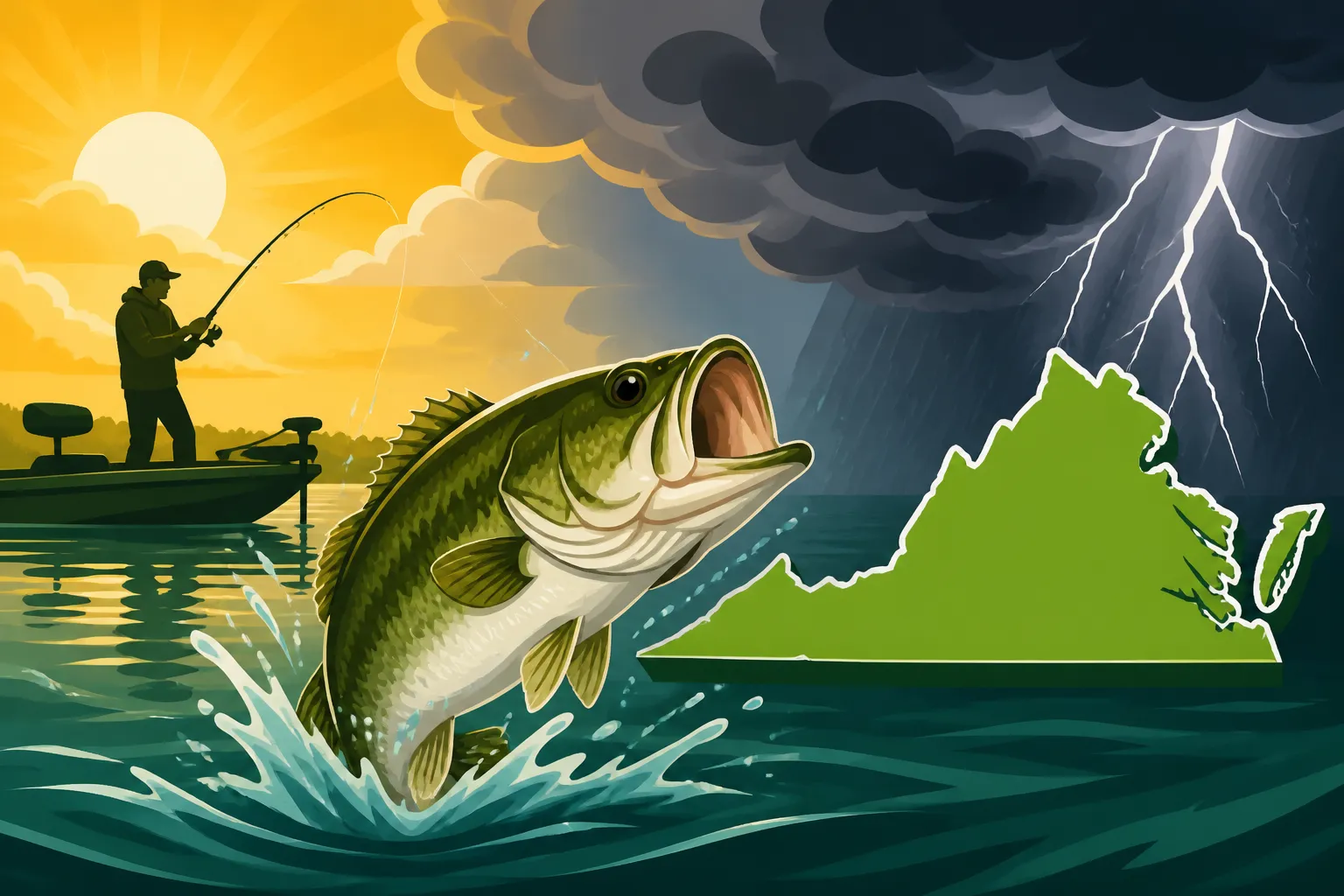
It's a question every angler has pondered, staring at a darkening sky or checking a rapidly dropping barometer: "Do bass really bite better before a storm?" We've all heard the old wives' tales, felt that surge of hope, or been utterly disappointed. This guide dives deep into the science and real-world experiences behind pre-storm bass fishing, helping you understand how changing weather influences these elusive fish and how you can capitalize on their behavior.
The Angler's Age-Old Question: Pre-Storm Bass Behavior
The idea that fish, especially bass, become more active and willing to bite just before a storm rolls in is practically etched into the DNA of every seasoned angler. It’s not just a myth passed down through generations; there’s a lot of truth to it, rooted in how atmospheric changes affect their underwater world. Many of us have experienced those magical hours where the bite just turns on as the clouds gather, only for it to shut down completely once the rain starts. It's a frustrating, yet fascinating, aspect of fishing in Virginia and beyond.
Understanding Barometric Pressure and Fish Activity
At the heart of pre-storm fishing lies barometric pressure, which is essentially the weight of the air above us. When a storm system approaches, the barometric pressure typically begins to fall. Think of it like this: the weight pushing down on the water column decreases. For bass, and many other fish species, this change is significant. Their swim bladders, which help them maintain buoyancy, are highly sensitive to these pressure fluctuations.
When the pressure is high and stable, fish tend to hold deeper, sometimes feeling a bit sluggish. But as the pressure drops, it creates a feeling of relief for them. It’s like taking a heavy backpack off after a long hike; they become more comfortable and can move more freely throughout the water column without expending as much energy to maintain their depth. This often triggers an increased level of activity. For a deeper dive into this phenomenon, you might find our article on Does Barometric Pressure Affect Fishing? particularly insightful.
Why Bass Get Active Before a Storm
So, beyond just comfort, what truly drives bass into a feeding frenzy before a storm? It’s a combination of physiological responses and an instinct for survival.
First, the dropping pressure makes their swim bladders less compressed, allowing them to move more comfortably and expend less energy. This newfound comfort translates into increased foraging activity. They’re less inclined to hug the bottom in deeper, more stable waters and are more likely to roam and actively hunt.
Secondly, many fish sense the impending changes in weather, often with an internal clock that tells them a period of instability is coming. They know that during and immediately after a severe storm, feeding opportunities might become scarce due to turbulent water, reduced visibility, or simply a need to seek shelter. Therefore, they instinctively engage in a "last supper" before the storm hits, trying to pack in as much food as possible. This heightened feeding instinct makes them more aggressive and, consequently, more susceptible to a well-presented lure. You'll often see them moving into shallower areas, attacking baitfish with vigor.
Reading the Signs: How to Predict Pre-Storm Bites
Knowing that bass can bite better before a storm is one thing; actually being on the water to experience it is another. Recognizing the subtle and not-so-subtle cues that indicate an impending feeding window is crucial for maximizing your chances. It requires a bit of environmental awareness and a good understanding of local weather patterns here in Virginia.
Atmospheric Clues and Local Forecasts
The most obvious signs of an approaching storm are visual. Darkening skies, increasing wind, and a general shift in the atmosphere are all indicators. However, relying solely on your eyes can sometimes be too late. By the time the sky is truly menacing, the prime pre-storm bite might already be over, or the weather could be too dangerous to be on the water.
This is where technology comes in handy. Modern weather apps are your best friend. Look for rapidly falling barometric pressure readings. Many anglers keep a close eye on the pressure trend – a sustained drop, even if slight, over several hours is a strong signal. Pay attention to the hourly forecast for wind shifts, cloud cover, and, of course, the probability of precipitation. If you see a cold front approaching, it often precedes a significant drop in pressure. Understanding How to Fish After a Cold Front is also key, as the post-storm conditions can be drastically different.
Beyond apps, a simple portable barometer can be a great tool, especially if you're out in a remote area without reliable cell service. Notice how the wind picks up, often shifting direction, and the air might feel heavier or more humid just before a good summer thunderstorm. These are all natural indicators that the bass are likely getting ready to put on the feedbag.
Observing Water and Fish Behavior
It’s not just the sky you need to watch; the water itself can tell a story. Before a storm, you might notice changes in the water's surface. Increased wind can create chop, which, counterintuitively, can be a good thing. The chop breaks up the surface, making it harder for baitfish to see predators and easier for bass to ambush. This low-light condition also encourages bass to move into shallower water where they might not venture on a bright, sunny day.
Furthermore, keep an eye out for visible signs of fish activity. Are baitfish acting skittish, jumping out of the water, or forming tighter schools? This often indicates that predators are nearby and actively hunting. You might also see bass breaking the surface, chasing bait, or hitting topwater lures with more aggression than usual. Pay attention to the bird activity too; seagulls or ospreys dive-bombing into the water are often a sign of baitfish being pushed to the surface by feeding bass below. Even subtle ripples or swirls near cover could be a sign of a large bass lurking, getting ready to feed.
Capitalizing on the Pre-Storm Feeding Frenzy
Once you've identified that sweet spot just before a storm, it's time to adjust your tactics. This isn't the time for finesse and subtle presentations; it's often a window for aggressive, high-impact fishing. The bass are in a hurry to eat, so you want to present baits that stand out and mimic frantic prey.
Best Lures and Techniques for Pre-Storm Bass
Given the bass’s heightened activity and aggressive nature, you'll want to reach for lures that create a lot of commotion, move quickly, and can be fished efficiently.
- Spinnerbaits: These are workhorses for pre-storm conditions. Their flash and vibration mimic fleeing baitfish perfectly. Cast them along weed lines, over submerged structure, or around points, reeling them back at a moderate to fast pace. A chartreuse and white combination, or perhaps a firetiger pattern, can be incredibly effective, especially if the water has a slight stain from recent weather or if the light is low.
- Crankbaits: Deep-diving crankbaits can be excellent for covering water quickly and probing different depths. Choose colors that stand out in the dimming light, like chrome with blue backs or bright orange. The erratic swimming action of a crankbait can trigger reaction strikes from eager bass. For tips on specific choices, check out our guide on Best Lures for Summer Bass Fishing.
- Topwater Lures: If the water is relatively calm but still showing signs of impending weather, topwater lures like poppers, walking baits, or buzzbaits can be absolutely thrilling. Bass are often looking up in these conditions, and a loud, splashing lure can be irresistible. Work them quickly and aggressively to mimic a frantic baitfish.
- Bladed Jigs (ChatterBaits): These hybrids offer the flash of a spinnerbait and the erratic action of a crankbait. They vibrate intensely, creating a disturbance that bass can home in on, especially in choppy or slightly murky water. Pair them with a swim-bait trailer for added bulk and action. You can find a great selection of these on platforms like Amazon.
- Swim Baits: Larger swimbaits, either soft plastic or hard-bodied, can be fantastic for targeting bigger, more aggressive bass that are looking for a substantial meal. Rig them weedless and work them through cover or around schools of baitfish.
The key is often a faster retrieve. Bass are trying to gorge themselves, so they’re less likely to scrutinize a lure and more likely to strike out of instinct. Experiment with different speeds until you find what triggers the most aggressive bites.
Targeting Key Locations During Changing Weather
As barometric pressure drops, bass tend to become less structure-oriented in deep water and more willing to roam and push into shallower feeding areas.
- Shallow Cover: Think weed lines, lily pads, submerged timber, and brush piles in 3-8 feet of water. Bass will move into these areas to ambush baitfish that are also seeking refuge or food. Cast your chosen aggressive lures right into and around this cover.
- Points and Humps: Any point that extends into deeper water, or a submerged hump, acts as a highway for bass moving between deep and shallow water. These are prime ambush points. Fish both the shallow and deeper sides of these structures.
- Creek Channels and Tributary Mouths: As a storm approaches, there might be increased current from incoming feeder creeks. Bass often stage at the mouths of these channels, waiting for baitfish to be flushed out.
- Wind-Blown Banks: A sustained wind pushing against a bank will concentrate baitfish there. Where the baitfish go, the bass will follow. These wind-blown banks, especially those with some cover, can be extremely productive. Don't be afraid to cast into the chop, as bass use the rough water to their advantage. For more ideas on how wind affects fishing, consider reading our advice on Best Techniques for Windy Day Fishing.
Remember that the bass are likely feeling more comfortable moving around, so they might not be tucked as tightly into the densest cover as they would on a bright, high-pressure day. They'll be actively hunting, so covering water is important.
Post-Storm Fishing: The Aftermath and Recovery
So, the storm has passed. The rain might have stopped, but the fishing often changes dramatically. This is where many anglers pack up, believing the bite is dead. While it’s true that the frenzied pre-storm action often dissipates, there are still opportunities if you understand how bass react to the post-storm environment.
Dealing with Cold Fronts and Stable High Pressure
The biggest shift post-storm is usually the arrival of a cold front, which brings with it stable, high barometric pressure. This is the opposite of the pre-storm conditions. Imagine that heavy backpack being put back on, perhaps with a few extra bricks. Bass feel this change profoundly. Their swim bladders become compressed, making them less comfortable in shallower water. They typically retreat to deeper, more stable environments, becoming lethargic and less willing to feed.
The water temperature might drop, especially if the storm brought heavy rain or a significant cool-down. Clear skies after a storm also mean brighter conditions, which bass often dislike, preferring the low light. This combination of high pressure, cooler temperatures, and clear skies often puts bass into a funk, making them much harder to catch. They'll hug tight cover, go deeper, and become much pickier about what they'll eat. If you find yourself in these conditions, our article on Fishing Techniques After a Cold Front will be a valuable resource.
Adjusting Your Approach for Post-Storm Conditions
Fishing after a storm, especially a strong cold front, requires a complete shift in mindset and tactics. Forget the aggressive, fast retrieves; it's time for finesse and patience.
- Slow Down, Way Down: The most crucial adjustment is slowing your presentation. Bass are not actively chasing, so you need to put the lure right in front of their faces and tempt them into a strike. This means slow retrieves, long pauses, and subtle movements.
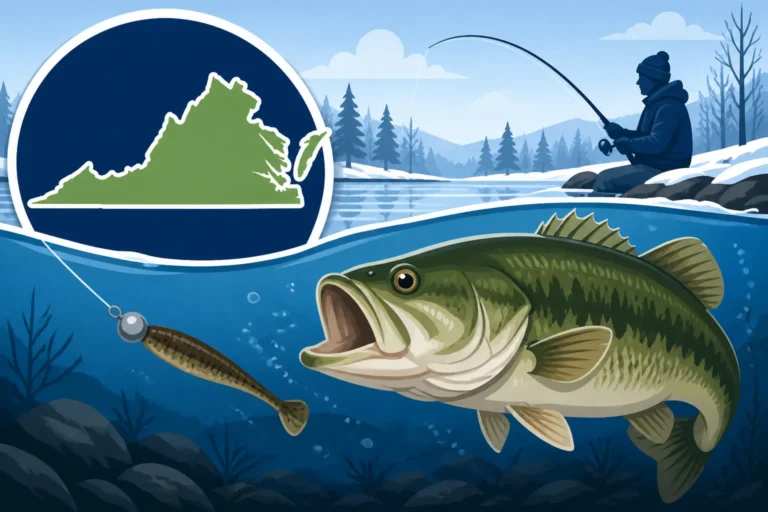
- Finesse Baits: Think Ned rigs, drop shots, weightless worms, and shaky heads. These are designed to be fished slowly, mimicking dying baitfish or crawfish that are easy prey. Natural colors, like green pumpkin or watermelon, often work best in clearer post-storm waters. You can find many of these finesse baits available on Amazon.
- Target Deep, Dense Cover: Look for bass tucked away in deep timber, brush piles, rock piles, or along channel edges. They will often be relating very tightly to this cover, seeking both security and the stable conditions found there. Use your electronics to find these deep holding areas.
- Focus on Structure: Steep drop-offs, deep creek channels, and the deepest parts of points become prime areas. Bass will often suspend off these features, waiting for an easy meal to pass by.
- Softer Bites: Don't expect aggressive strikes. Post-storm bites can be incredibly subtle – a slight tick, a spongy feeling, or just added weight on your line. Pay close attention to your line for any unusual movement.
- Consider Water Clarity: If the storm churned up the water and made it muddy, you might need to adjust your lure colors to brighter, more contrasting options. Fluorescent colors or black and blue can be effective in stained water, as bass rely more on their lateral line in these conditions. Our guide on How to Choose Lure Color for Murky Water can offer more specific advice here.
While the post-storm fishing can be challenging, it's not impossible. It simply demands a more methodical and patient approach, understanding that the bass are recovering from the environmental changes and are in a different mood entirely.
Pre-Storm vs. Post-Storm Bass Fishing Tactics
| Feature | Pre-Storm Conditions (Falling Pressure) | Post-Storm Conditions (Rising Pressure / Cold Front) |
|---|---|---|
| Barometric Pressure | Falling, unstable | Rising, stable, often after a sharp drop |
| Bass Activity | Highly active, aggressive, feeding instinctively | Lethargic, seeking deep cover, less willing to feed |
| Preferred Depth | Often shallower, roaming, actively hunting | Deeper, tighter to cover, less movement |
| Lure Types | Spinnerbaits, crankbaits, topwater, bladed jigs, larger swimbaits | Finesse baits (Ned rigs, drop shots, weightless worms, shaky heads) |
| Retrieve Speed | Moderate to fast, aggressive | Very slow, patient, subtle movements, long pauses |
| Target Areas | Shallow cover, wind-blown banks, points, creek mouths | Deep timber, rock piles, channel edges, steep drop-offs |
| Bite Intensity | Aggressive strikes, strong pulls | Subtle ticks, spongy feel, light weight on line |
| Water Clarity Impact | Can tolerate some chop/stain; commotion lures effective | Clearer water often; natural colors; in muddy, go high contrast |
In conclusion, the old adage rings true: bass do often bite better before a storm. The rapidly changing barometric pressure and their instinct to feed before conditions worsen create a unique and often exhilarating fishing window. However, understanding the why and adjusting your tactics for both pre- and post-storm conditions is what truly sets successful anglers apart. So, next time you see those storm clouds gathering over a Virginia lake, grab your gear, pay attention to the forecast, and get ready for some potentially incredible action. The best time of year for bass fishing in Virginia often includes these transitional weather periods, so be prepared!
Disclaimer
Please remember that fishing regulations and conditions can change. Always consult the most current Virginia Department of Wildlife Resources (DWR) regulations before heading out. Safety should always be your top priority, especially when dealing with changing weather conditions on the water. Be aware of forecasts and be prepared to seek shelter if a storm becomes severe.