How to Fish a Plastic Worm for Bass
It's incredibly frustrating when you're out on the water, seeing other anglers reel in bass while your line stays stubbornly still. We've all been there, staring at a tackle box full of lures and wondering which one is actually going to work. Well, my friend, if there's one bait that consistently turns those frustrating days into fantastic fishing memories for bass anglers, it's the humble plastic worm. This guide will walk you through everything you need to know to master fishing plastic worms for bass right here in Virginia.
Why Plastic Worms Are a Bass Angler's Best Friend
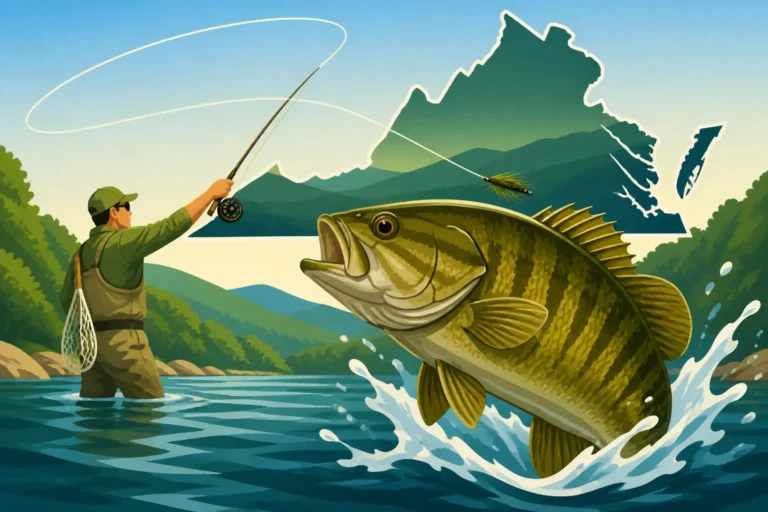
You might look at a simple piece of plastic and wonder, "How on earth does that fool a smart bass?" But trust me, the plastic worm isn't just a bait; it's a chameleon, a shape-shifter, and a master of disguise. Its adaptability is precisely why it's a staple in nearly every serious bass angler's arsenal, especially when you're targeting those elusive Virginia largemouths and smallmouths.
The Allure of Soft Plastics for Bass
Bass are ambush predators, and they're incredibly opportunistic. What makes soft plastics, particularly worms, so appealing to them? It boils down to a few key factors:
- Natural Presentation: A plastic worm mimics a real worm, a leech, a snake, or even a small injured baitfish. When retrieved correctly, it moves with a lifelike undulation that's irresistible. Bass in Virginia's murky rivers, like the James or the Rappahannock, often rely on scent and vibration, and the soft plastic's subtle movement and sometimes impregnated scents really seal the deal.
- Realistic Feel: Unlike hard baits, soft plastics feel natural when a bass strikes. They're soft and pliable, which means the bass is more likely to hold onto the bait longer, giving you precious extra seconds to set the hook. That split second can be the difference between a missed opportunity and a fish in the boat.
- Unmatched Versatility: You can rig a plastic worm in countless ways, allowing you to present it effectively in almost any fishing scenario. Whether you're fishing dense grass beds on Lake Anna, probing deep structure on Smith Mountain Lake, or navigating rocky riverbeds for smallmouths, there’s a plastic worm rig that fits the bill. This adaptability means you don't need a hundred different lures; you just need to know how to use a few plastic worms effectively.
Understanding Different Plastic Worm Styles
When you first dive into the world of plastic worms, the sheer variety can be overwhelming. There are so many shapes, sizes, and textures! But generally, they fall into a few common categories, each designed for a specific purpose and presentation. You'll find a massive selection of these on popular sites like Amazon, making it easy to experiment.
- Straight Tail Worms: These are your classic "do-nothing" worms. They have a slender, often tapered body with a simple straight tail. Their magic lies in their subtle action. They don't flap or vibrate aggressively; instead, they have a gentle, natural shimmy as they fall or are dragged along the bottom. They are fantastic for finicky bass in clear water or when the bite is tough, often excelling on a Carolina Rig or a weightless Texas Rig.
- Ribbon Tail (or Curly Tail) Worms: These worms feature a long, curling tail that provides a lot of action, even with minimal movement. The tail will undulate and swim with every twitch of the rod or even on a slow retrieve. Ribbon tails are excellent for covering water, drawing attention in stained water, or when you want a more aggressive presentation. They are staples for Texas Rigs and Carolina Rigs, and their lively tails can really trigger a strike.
- Creature Baits and Senko-Style Worms: While not strictly "worms," creature baits often fall into the same soft plastic category due to their rigging versatility. They have appendages, claws, or flaps that create lots of disturbance and mimic crawfish, salamanders, or other prey. Senko-style worms, on the other hand, are thick, straight worms heavily impregnated with salt. Their unique fall, a slow, shimmering wobble, is incredibly effective, especially when rigged wacky style. Bass often can't resist their slow, tantalizing descent.
Essential Gear for Fishing Plastic Worms in Virginia
Having the right gear makes all the difference when fishing plastic worms. It's not about having the most expensive stuff, but rather about having a balanced setup that allows you to feel those subtle bites and effectively present your chosen rig. Virginia's diverse waters demand versatility, and your tackle should reflect that.
Rod, Reel, and Line Selection
Choosing your rod, reel, and line is like picking the right tools for a specialized job. For plastic worm fishing, sensitivity and control are paramount.
- Rods: A good worm rod is typically 6'6" to 7'6" in length with a medium-heavy to heavy power and a fast action.
- Power refers to the rod's backbone or stiffness. Medium-heavy is great for all-around worm fishing, offering enough power to drive a hook into a bass's jaw and pull it out of cover. Heavy power might be preferred for really dense vegetation or when using heavier weights.
- Action describes where the rod bends. A fast action rod bends mostly in the tip, which provides excellent sensitivity for feeling light bites and gives you quick, powerful hooksets.
- Many anglers prefer baitcasting setups for worm fishing, as they offer more control for casting into tight spots and handling heavier lines and lures. However, a spinning setup with a medium-heavy rod can also be very effective, especially for lighter rigs like the wacky rig or for beginners.
- Reels: For a baitcasting setup, a gear ratio between 6.3:1 and 7.5:1 is ideal. This allows for quick line retrieve after a cast and helps you catch up to a fast-moving fish. Spinning reels should be a 2500-3000 size, offering a good balance of line capacity and retrieve speed.
- Line: This is where opinions often vary, but fluorocarbon is a top choice for plastic worm fishing.
- Fluorocarbon (12-20 lb test) is nearly invisible underwater, extremely sensitive, and offers good abrasion resistance, which is crucial when fishing around rocks and wood. It also sinks, which helps your worm get down to the bottom faster.
- Monofilament (12-17 lb test) is more forgiving due to its stretch and can be a good option for certain presentations or for beginners, but it lacks the sensitivity of fluorocarbon.
- Braided Line (30-50 lb test) offers extreme sensitivity and strength with no stretch, making it excellent for fishing heavy cover. However, it's highly visible, so many anglers will tie a fluorocarbon leader (15-20 lb test, 3-6 feet long) to their braid to maintain stealth. This is a popular setup for situations where you need to muscle fish out of thick vegetation, like in the dense hydrilla beds you might find in some Virginia lakes.
Hooks, Weights, and Other Terminal Tackle
The small pieces of terminal tackle are just as important as your rod and reel. They connect you to the fish, and choosing the right ones is crucial for proper presentation and successful hooksets. You can easily find high-quality hooks and weights from brands like Gamakatsu, Owner, and VMC on Amazon.
- Hooks:
- Extra Wide Gap (EWG) Hooks: These are probably the most popular for Texas rigging plastic worms. Their design allows the worm to be threaded on weedless, and the wide gap ensures good hook penetration even with bulky worms. Sizes typically range from 3/0 to 5/0, depending on the worm's size.
- Straight Shank Hooks: Often preferred by professional anglers for Texas rigging in heavy cover, straight shank hooks offer a direct, powerful hookset. They require a bit more finesse to rig truly weedless, but they are incredibly effective.
- Wacky Rig Hooks: These are typically small, lightweight, and often circle or octopus-style hooks. They are designed to pierce the center of the worm without impeding its natural wiggle. Some even come with a weed guard to allow fishing in light cover.
- Weights:
- Bullet Weights: These lead or tungsten weights are shaped like a bullet, allowing them to slip through cover easily. Tungsten is denser than lead, meaning you can use a smaller weight for the same poundage, increasing sensitivity and reducing snagging. Common sizes for worm fishing range from 1/16 oz (for lighter presentations) to 1 oz or more (for punching through heavy mats).
- Dropshot Weights: These are typically skinny, cylindrical, or teardrop-shaped weights designed to be tied to the bottom of your line, allowing your hook and worm to suspend above the weight.
- Nail Weights: Small, slender weights inserted directly into the worm for wacky rigging or Neko rigging, providing a unique fall.
- Other Terminal Tackle: Don't forget swivels (especially for Carolina Rigs), O-rings (for wacky rigging to extend worm life), and beads (for adding noise and protecting knots on a Texas or Carolina Rig).
Mastering the Art of Rigging Plastic Worms
Now that you've got your gear sorted, it's time to talk about how to actually put that worm on a hook. This is where the magic happens, and choosing the right rig for the situation is key. There are a few core methods that every bass angler should know, and understanding them will significantly boost your success in Virginia's diverse fishing environments.
The Versatile Texas Rig
If there's one plastic worm rig you absolutely must master, it's the Texas Rig. It's the bread and butter for countless bass anglers because it's incredibly weedless and effective in a huge variety of situations.
How to Rig It:
- Thread the Hook Tip: Take your worm and push the point of your EWG (Extra Wide Gap) hook into the very tip of the worm, about a quarter to half an inch.
- Expose and Rotate: Push the hook through the worm until the point comes out the side. Then, rotate the hook 180 degrees so the hook bend is pointing back towards the worm.
- Bury the Hook Point: Lay the hook alongside the worm to see where the hook point would naturally exit the worm's body if it were straight. Carefully push the hook point into the worm at that spot, making sure it's buried just under the surface (this is what makes it weedless!). The worm should lie straight on the hook, not bunched up.
- Add Your Weight: Slide your bullet weight onto your main line before tying on your hook. You can either leave it free-sliding or "peg" it in place with a small toothpick or rubber bobber stopper. Pegging the weight makes it even more weedless and keeps the weight and worm together, which can be useful when trying to punch through heavy cover.
When and Where to Use It:
The Texas Rig shines in heavy cover – think dense grass beds, lily pads, thick brush piles, and submerged timber. It's perfect for bouncing along the bottom, probing submerged stumps, or fishing through sparse weeds on lakes like Smith Mountain Lake or Lake Anna. If you're targeting bass that are tucked away in cover, this is your go-to. It's also excellent for pitching and flipping into tight spots. A pegged weight helps it penetrate cover better, while a free-sliding weight gives the worm a bit more natural movement and fall.
The Subtle Wacky Rig
The Wacky Rig is the antithesis of the Texas Rig in terms of presentation, but it's equally effective, especially for finicky or pressured bass. Its simple, mesmerizing fall is often all it takes to trigger a strike.
How to Rig It:
- Find the Center: Take a Senko-style worm or any straight-tailed worm and find its exact center.
- Insert the Hook: Gently push a small wacky rig hook (often a size 1 or 1/0) directly through the center of the worm, so the worm is perfectly balanced on the hook.
- Optional: Add an O-Ring: For added durability and to prevent the hook from tearing through your worm on every cast or bite, you can slide a small rubber O-ring onto the center of the worm first, then thread your hook through the O-ring. You can find specialty O-ring tools and O-rings on Amazon.
When and Where to Use It:
The Wacky Rig is best used in more open water or sparse cover, as it's not truly weedless. It's incredibly effective when bass are shallow, cruising around docks, laydowns, or sparse lily pads. The magic of the wacky rig is its fall: both ends of the worm gently shimmy and undulate as it sinks, creating an incredibly natural and tantalizing presentation. It's fantastic for "finesse" fishing when bass are lethargic or in clear water where they can inspect your bait closely. A slight twitch of the rod tip will make the worm dance enticingly.
Exploring Other Effective Rigs
While Texas and Wacky rigs are foundational, there are other plastic worm presentations that every angler should have in their toolkit. Each offers unique advantages for specific situations.
- Carolina Rig: This rig is excellent for covering large areas, especially in deeper water. It involves a heavy weight (often a 1/2 oz to 1 oz egg or bullet sinker) sliding freely on the main line, followed by a bead, a swivel, and then a leader (2-4 feet) tied to your hook and worm. The weight drags along the bottom, stirring up sediment, while the worm floats or slowly wafts above it, creating a natural, enticing presentation. It's perfect for finding scattered bass on long points or humps in big lakes.
- Ned Rig: A relatively new but highly effective finesse presentation, the Ned Rig uses a small, mushroom-shaped jig head paired with a short, buoyant plastic worm (often 2-3 inches long). It stands upright on the bottom, mimicking a small foraging baitfish or crawfish. It's incredibly subtle and fantastic for tough bites, clear water, or when bass are feeding on smaller prey. Its simplicity makes it a great choice for Easy Fishing Techniques for Kids.
- Drop Shot Rig: Popularized by tournament anglers, the drop shot is a finesse technique designed for vertical fishing, especially when bass are suspended or holding tightly to deep structure. The weight is tied to the very end of the line, and the hook is tied directly to the main line several inches or feet above the weight. This allows the worm to suspend horizontally and quiver enticingly with minimal rod movement. It's deadly for deep water fishing on ledges, humps, or over submerged brush.
Presentation Techniques for Virginia Bass
Rigging your worm correctly is only half the battle. The other half is knowing how to present it in a way that triggers a strike. Bass are finicky creatures, and the way you work your bait can make all the difference, whether you're fishing the bustling rivers of the Piedmont or the quiet reservoirs of Southwest Virginia.
The Slow and Steady Retrieve
Patience is a virtue when fishing plastic worms. This isn't a power fishing technique where you're cranking quickly. Instead, it's about subtle movements that mimic natural prey and allow the bass ample time to find and inspect your bait.
- Hop, Drag, Pause: This is the classic retrieve. Cast your worm out, let it sink to the bottom. Once it's down, give your rod tip a gentle lift, just enough to make the worm "hop" or "crawl" a few inches or feet off the bottom. Then, slowly drop your rod tip back down, reeling in slack as you go, and let the worm settle back down. The pause is critical – often, a bass will strike as the worm is falling or sitting motionless on the bottom. Experiment with the length of your pauses. Sometimes a long, drawn-out pause of 10-15 seconds can be what it takes to get a bite, especially in colder water or during less active feeding periods like those often seen in Winter Bass Fishing Techniques.
- Dragging: For a more subtle approach, especially with Carolina Rigs or when bass are less aggressive, simply drag the worm slowly along the bottom with your rod tip. Think of it as pulling a crawfish or a worm across the lakebed. The key is to maintain bottom contact and feel for any changes in terrain.
- Shaking/Wiggling: With Texas-rigged worms in cover or a wacky rig, a slight quivering of the rod tip can make the worm's tail or ends dance enticingly without moving the bait much forward. This can be incredibly effective when bass are holding tight to a piece of cover and you need to keep the bait in their strike zone for a longer period. This is often a great tactic during the warmer months, as detailed in Summer Bass Fishing Patterns.
Detecting Those Elusive Bites
One of the biggest challenges for new plastic worm anglers is detecting the bite. Unlike a bass smashing a topwater lure, worm bites are often incredibly subtle – sometimes barely noticeable. This is why sensitivity in your rod and line is so crucial.
- The "Thump": The most sought-after bite is a distinct "thump" or "tick" on your line. This is the bass inhaling the worm. It's unmistakable once you've felt it.
- Weightlessness: Sometimes, you'll feel your line go slack or a sudden sensation of "weightlessness" as if your worm has disappeared. This often means a bass has picked up the worm and is swimming directly towards you or upwards.
- Line Movement: Keep a close eye on your line where it enters the water. Any twitch, jump, or steady pull sideways, even a slight one, could indicate a bite. If your line starts moving when you haven't moved it, set the hook!
- Pressure: A subtle increase in pressure on your line, like feeling a sponge on the end of your rod, can also be a bass mouthing the worm. It might feel like you've simply picked up some moss or a leaf. When in doubt, set the hook!
Setting the Hook Like a Pro
You felt the bite! Now what? Setting the hook effectively is critical to landing that bass. There are generally two main ways to do it.
- The Sweep Set: This is the most common and often most effective method for Texas-rigged worms. When you feel a bite, drop your rod tip slightly towards the water, reel in any slack until you feel pressure, then make a long, powerful sweep of your rod to the side (often from 9 o'clock to 1 o'clock or 3 o'clock). This allows the hook to penetrate the bass's jaw firmly. Avoid a straight upward "jerk" which can pull the worm directly out of the fish's mouth.
- The Power Set: For very aggressive bites or when fishing heavy braided line in thick cover, a more direct, powerful upward snap of the wrist (often called a "power set" or "rip set") might be employed. However, for most worm fishing, the sweep set is more reliable.
- Common Mistakes: The biggest mistake is setting the hook too quickly or too lightly. Give the bass a moment to fully engulf the worm, then deliver that powerful sweep. If you're fishing braided line with a fluorocarbon leader, remember there's no stretch, so your hookset will be very direct.
Choosing the Right Worm for the Conditions
Just like you wouldn't wear a heavy winter coat in July, you shouldn't always use the same plastic worm regardless of the conditions. Matching your worm to the environment is a significant factor in getting bites. This involves considering the water clarity, the time of year, and even the local forage.
Color Theory and Water Clarity
The color of your plastic worm can be a game-changer. Bass rely heavily on sight, and choosing a color that stands out (or blends in) appropriately for the water conditions is key.
- Clear Water, Natural Colors: In clear waters, common in many of Virginia's highland reservoirs, bass have excellent visibility. Here, natural, subtle colors often work best. Think "green pumpkin," "watermelon seed," "junebug," or "natural shad" patterns. These colors mimic natural prey like crawfish, bluegill, or real worms without looking unnatural. If you're fishing a highly pressured lake where bass are wary, these natural hues are often your best bet. You can learn more about how to choose lures for these conditions in How to Choose Lure Color for Clear Water.
- Stained or Murky Water, Brighter/Darker Colors: When the water is stained, muddy, or low light conditions prevail (like dawn, dusk, or overcast days), bass rely more on scent, vibration, and silhouette. Brighter, more contrasting colors can be more visible, while dark colors provide a strong silhouette. "Black and blue," "chartreuse," "red shad," or "blue fleck" can be highly effective. The contrast helps the bass spot the worm. For specific advice on these conditions, check out How to Choose Lure Color for Murky Water.
- Matching the Hatch: If you know what the bass are feeding on (e.g., crawfish after a recent hatch, specific baitfish), try to choose a worm color that closely mimics that prey.
Size, Shape, and Action
Beyond color, the physical characteristics of your worm play a huge role in its appeal.
- Size Matters:
- Larger Worms (8-12+ inches): When targeting bigger, more aggressive bass, or when fishing in heavy cover where you want to make a statement, a larger worm can be ideal. They present a bigger meal and can entice trophy-sized fish. This can be particularly effective during the warmer months when bass are actively feeding.
- Smaller Worms (4-6 inches): For finesse applications, tough bites, or when bass are feeding on smaller forage, downsize your worm. A smaller profile can often tempt a finicky bass that ignores larger offerings. This is especially true for rivers with smaller smallmouth bass.
- Shape and Action:
- Ribbon Tails: As discussed earlier, these provide a lot of inherent action, making them great for active bass or when you need to draw attention in stained water.
- Straight Tails: These offer more subtle action and are excellent for clear water, finicky bass, or when you want a slower, more deliberate fall. Senko-style worms, with their unique side-to-side wobble on the fall, are in a league of their own.
- Creature Baits: The various appendages on creature baits create unique vibrations and mimic crawfish or other critters. They are fantastic for bottom presentations and pitching into cover.
- Finesse Worms: These are typically thin, straight-tailed worms, often used on drop shots or Ned rigs. Their minimalist design provides a natural, quivering action that bass find hard to resist.
Advanced Tips for Plastic Worm Success in Virginia
You've got the basics down, but there's always room to refine your technique and truly become a plastic worm master. These advanced tips can help you eke out a few extra bites, especially when the fishing gets tough on Virginia's more challenging waters.
Scent and Salt: Enhancing Your Worms
Bass have an incredible sense of smell and taste. Many soft plastics come impregnated with salt or fish attractants, but adding your own can often make a significant difference, turning a looker into a biter.
- The Power of Scent: Think about it: a bass picks up a plastic worm, and if it doesn't taste or smell like food, it's quickly spit out. Added scents, usually in a gel, spray, or liquid form, can mask human odors, encourage a bass to hold onto the bait longer, and attract fish from a greater distance. Popular brands include Pro-Cure, MegaStrike, and Berkley Gulp! Alive! When bass are sluggish or in murky water, scent can be a powerful tool.
- Salt Impregnation: Many plastic worms are heavily salted during manufacturing. This adds weight (helping them sink faster without external weights), changes their texture (making them feel more natural), and releases a savory taste that bass often find appealing. If your worms aren't salted, consider using a liquid attractant with a strong salt component.
Understanding Bass Behavior by Season
Bass behavior shifts dramatically with the seasons, and so too should your plastic worm approach. Knowing when and where bass will be helps you present your worm in the most effective way possible.
- Spring (Pre-Spawn & Spawn): In early spring, as water temperatures rise, bass begin to move towards shallower spawning areas. During the Pre-Spawn Bass Fishing Tips phase, they're hungry and aggressive. A Texas-rigged worm worked slowly along points and transitions can be deadly. During the spawn, wacky rigs or weightless Texas rigs pitched gently to visible beds can provoke protective strikes.
- Summer: Bass often move deeper in the heat of summer, seeking cooler, oxygenated water. This is when Carolina rigs become invaluable for targeting bass on deep ledges, humps, and submerged timber. Early morning or late evening, bass might move shallower, making a Texas rig or a jigged worm around docks and shaded cover effective. Check out Summer Bass Fishing Patterns for more in-depth strategies.
- Fall: As water temperatures drop, bass become highly active, feeding aggressively to fatten up for winter. This is often an incredible time for plastic worms. Texas rigs fished around creek channels, brush piles, and shallow flats can be very productive as bass chase baitfish.
- Winter: Bass are generally sluggish in winter, holding tight to deep cover. Finesse techniques like the drop shot or a slow-dragged Ned Rig with smaller worms can entice bites from inactive fish. Patience and slow retrieves are paramount. For more on cold water tactics, refer to Winter Bass Fishing Techniques.
Practice Makes Perfect on Virginia's Waters
There's no substitute for time on the water. All the theory in the world won't catch you a single bass if you don't put in the practice. Virginia offers an incredible array of fishing opportunities, from the famous Smith Mountain Lake and Lake Anna to the hidden gems of smaller ponds and rivers.
- Experiment and Adapt: Don't be afraid to experiment with different worm colors, sizes, and rigs. If one isn't working, switch it up. Try a different retrieve speed, a longer pause, or a different fishing depth. Bass patterns can change hourly, so adaptability is key. Many anglers will purchase a variety of worms and tackle from Amazon to ensure they have options.
- Learn Your Local Waters: Spend time understanding the nuances of your favorite Virginia fishing spots. Where's the deepest channel in the James River? Which coves on Lake Anna hold the thickest grass? What kind of structure is common in the Shenandoah River? The more you know about the bottom contours and cover, the better you'll be at presenting your plastic worm effectively.
- Go Out and Fish! The only way to truly master plastic worm fishing is to get out there and do it. Each fish you catch, and even each fish you miss, will teach you something valuable about detecting bites, setting the hook, and understanding bass behavior. Soon, you'll be the one reeling in those bass while others wonder about your secret weapon!
| Rig Name | Best Use Cases | Pros | Cons | Target Depth |
|---|---|---|---|---|
| Texas Rig | Heavy cover (grass, brush, wood), bottom fishing, pitching/flipping. | Highly weedless, versatile, good hook-up ratio, can use varied weights. | Less natural fall than wacky, can pick up some debris. | All depths |
| Wacky Rig | Open water, sparse cover, clear water, finicky bass, docks, laydowns. | Incredibly natural, seductive fall, very effective for subtle bites. | Prone to snagging in heavy cover, can tear worms easily (without O-rings). | Shallow-Mid |
| Carolina Rig | Deeper water, covering large flats/points, finding scattered fish, windy conditions. | Covers water efficiently, creates commotion, leader allows natural bait movement. | Can be cumbersome to cast, requires specific tackle, less sensitive to light bites. | Mid-Deep |
| Ned Rig | Tough bites, clear water, pressured fish, smaller forage situations, standing bait on bottom. | Extremely subtle, stands upright, highly effective for finicky bass, uses minimal plastic. | Limited to lighter weights, not for heavy cover, small hook for larger fish. | Shallow-Mid |
| Drop Shot Rig | Vertical fishing, suspended bass, deep structure, clear water, precise bait placement. | Excellent for suspended fish, highly sensitive, keeps bait in strike zone for extended periods. | Not for covering water, can twist line, requires patience. | Mid-Deep |
Disclaimer
Fishing involves inherent risks. Always prioritize safety, wear appropriate personal flotation devices when on the water, and be aware of your surroundings. Fishing regulations in Virginia can change, so it's your responsibility to review and comply with all current Virginia fishing rules and regulations. This guide is for informational purposes only and does not constitute professional advice.