Water Temperature and Fish Feeding Patterns
It's incredibly frustrating, isn't it? You head out to your favorite fishing spot, convinced today's the day, only to cast for hours with barely a nibble. Often, the missing piece of the puzzle isn't your bait, your technique, or even the moon phase – it's the water temperature. Understanding how water temperature influences fish behavior and feeding patterns is one of the most critical skills an angler can develop, transforming a hit-or-miss outing into a much more productive and enjoyable experience. This guide will dive deep into this often-overlooked factor, helping you crack the code to better fishing in Virginia's diverse waters.
The Unseen Influence of Water Temperature on Fish Activity
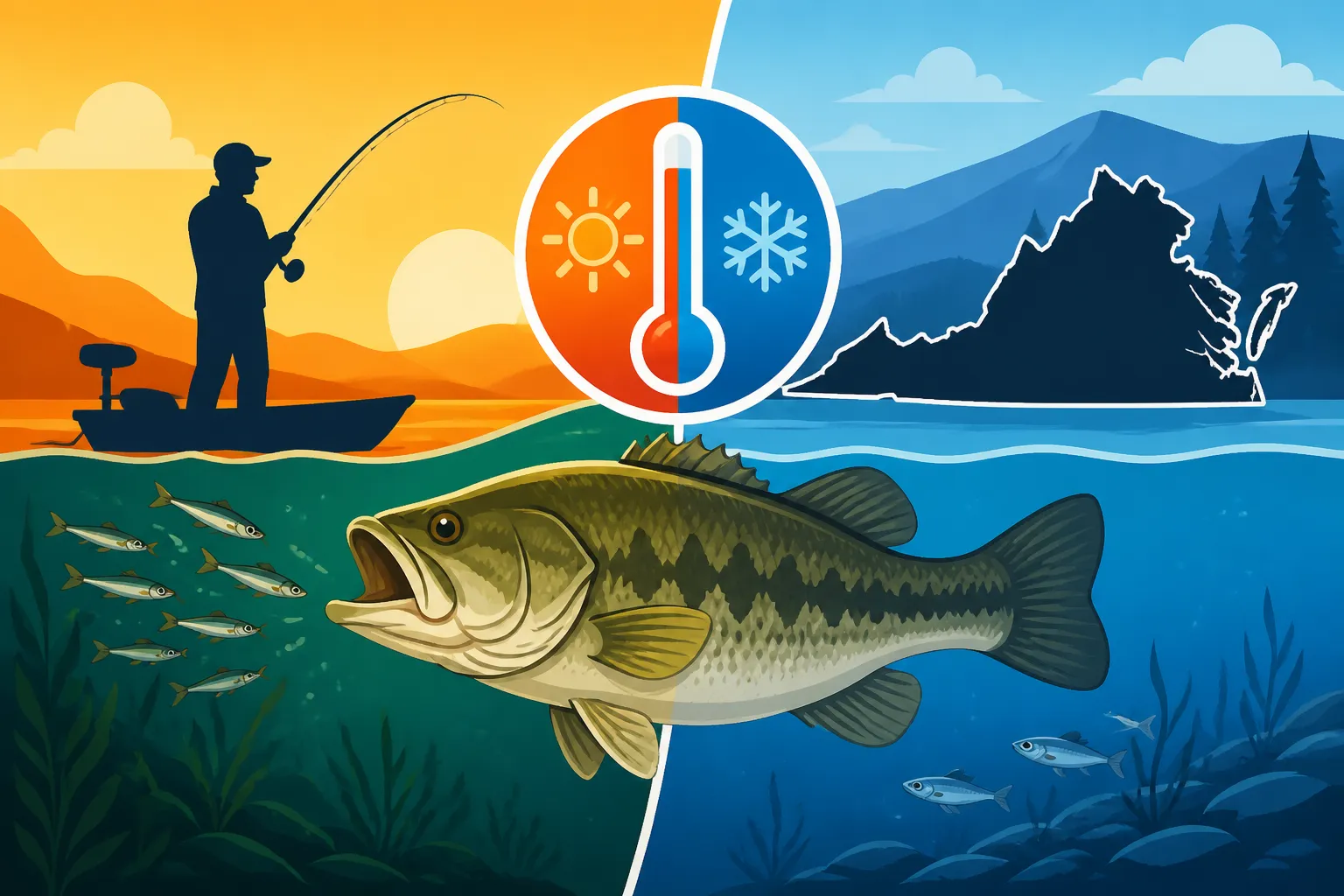
Think of water temperature as the master switch for fish activity. It's not just about comfort; it literally controls their entire physiological system. Fish are cold-blooded creatures, meaning their internal body temperature mirrors their surroundings. Unlike us, they can't regulate their body temperature, so every change in the water impacts their metabolism, energy levels, and, most importantly, their desire to eat.
Why Temperature Dictates Everything
For a fish, water temperature isn't just a number on a thermometer; it's a direct signal about survival. Too cold, and their metabolism slows to a crawl, making them sluggish and uninterested in chasing food. Too hot, and they struggle to absorb enough oxygen from the water, leading to stress and inactivity. There's a "sweet spot" for every species, a range where they feel most comfortable, energetic, and, you guessed it, most likely to feed actively. This prime temperature range is where they can efficiently digest food, grow, and reproduce. Step outside that range, and you'll find fish either conserving energy or actively seeking refuge in more favorable conditions.
The Metabolism Connection
Let's get a little scientific for a moment, but I promise it'll be practical. A fish's metabolism is directly linked to water temperature. When the water is cold, their metabolic rate drops significantly. This means they digest food much slower, need less food overall, and move less frequently to conserve energy. Picture yourself trying to sprint in freezing weather – you'd conserve every ounce of energy, right? Fish do the same. As the water warms, their metabolism speeds up, requiring more food to fuel their increased activity. This is why you'll often hear anglers talk about "active" or "aggressive" bites in certain conditions. The fish aren't just in a good mood; their biology is telling them it's time to eat! Understanding this fundamental connection is the first step to truly mastering how to fish in varying conditions.
Decoding Cold Water: Winter and Early Spring Strategies
Winter fishing in Virginia can be incredibly rewarding, but it requires a complete shift in strategy. The water is cold, and fish are operating on a completely different timetable. Early spring often presents similar challenges, as water temperatures slowly begin to climb from their winter lows.
The Slow-Mo World Below 50 Degrees
When water temperatures drop below 50 degrees Fahrenheit (and especially below 40 degrees), most freshwater fish in Virginia, like largemouth bass, crappie, and even some trout species, become significantly less active. Their metabolism slows down drastically. They're not completely dormant, but they're certainly not going to chase a fast-moving lure across a wide expanse of water. Instead, they seek out the warmest available water, often the deepest parts of a lake or river, or areas with dark bottoms that absorb a bit more sunlight. They'll school up tightly, conserving energy, and only feed opportunistically. If you're out on a crisp January morning on Smith Mountain Lake, don't expect a fast and furious bite. It's going to be a game of patience and precision. For more on navigating the seasons, check out our comprehensive guide on Virginia Fishing Seasons Explained.
Targeting Deep Structure and Drop-Offs
In cold water, fish gravitate towards stable, deeper water where temperatures are often a degree or two warmer and more consistent. Think about those steep drop-offs, deep points, submerged creek channels, or brush piles in 20-40 feet of water. These aren't just cover; they are thermal refuges. Bass, for instance, will often stack up on the edges of these structures. For crappie, deep brush piles or standing timber in reservoirs like Kerr Lake are goldmines. Even trout in larger rivers might hold in deeper pools or along current breaks. Your goal is to get your bait right into their face, often vertically, because they won't expend much energy to move for a meal. This is where a good fish finder really shines, helping you locate these deeper schools.
Lure Selection for Lethargic Fish
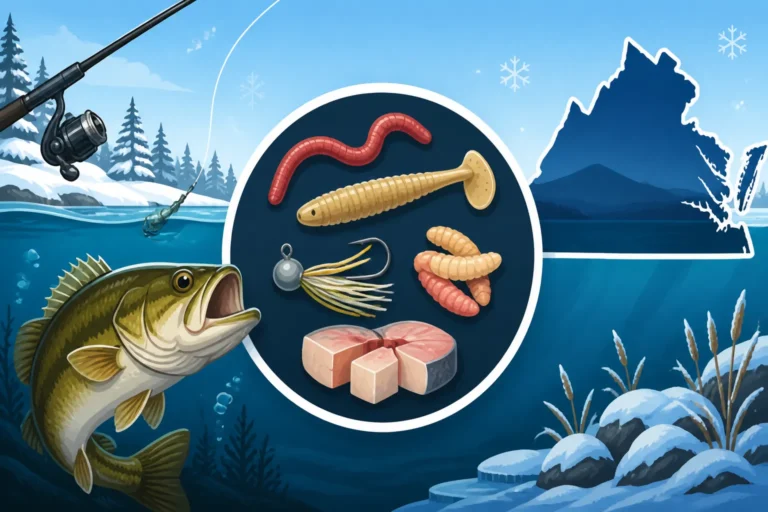
Forget the flashy, fast-moving baits when the water is cold. Fish are not in a chasing mood. Instead, you need baits that are small, subtle, and can be presented slowly, directly in the strike zone for extended periods. Think about finesse tactics:
- Jigs: Small jig-and-pig combinations, football jigs, or even tiny hair jigs are excellent. Work them with minimal movement, letting them sit on the bottom for several seconds.
- Drop-shot rigs: These allow you to suspend a small plastic bait precisely at the depth fish are holding, keeping it in their face without much movement.
- Ned Rigs: Another finesse staple, a small mushroom-head jig with a buoyant plastic worm, stands up enticingly on the bottom.
- Blade Baits & Spoons: These can be vertically jigged over schools of fish in deep water, mimicking a dying baitfish with minimal effort.
- Live Bait: Shiners, minnows, or worms presented under a bobber or on a bottom rig are often irresistible to cold-water fish, as they offer an easy, natural meal.
Remember, the retrieve is key: slow, slower, and then even slower. Give the fish plenty of time to react, or rather, not react too much, before they decide to take your offering. If you're targeting bass, our article on How to Catch Bass in Cold Water offers even more specific tips.
The Spring Warm-Up and the Spawn
Ah, spring! The air starts to get milder, the trees bud, and Virginia's waters begin their annual awakening. This is a time of tremendous transition for fish, driven almost entirely by climbing water temperatures.
Pre-Spawn Excitement: Rising Temps, Active Fish
As winter relinquishes its grip and water temperatures start climbing from the low 50s into the mid-60s, a switch flips for many fish species. Their metabolism kicks into high gear, and they begin feeding aggressively to build up energy for the upcoming spawn. This is arguably one of the best times of the year to be on the water! Fish will move from their deep winter haunts into shallower staging areas, often along points, secondary humps, and the edges of flats near their spawning grounds. They're hungry and willing to chase.
- Bass: Look for largemouth moving into protected coves and shallow bays as temperatures reach the mid-50s. Smallmouth will do the same in rivers like the Shenandoah, often staging near rocky current breaks. This is when lipless crankbaits, spinnerbaits, and jerkbaits can really shine, allowing you to cover water and trigger those reaction strikes from hungry fish.
- Crappie: These prolific panfish will also move shallower, often holding in brush piles or around docks in 5-15 feet of water as temps hit the low 60s. Small jigs and minnows are incredibly effective during this period.
- Trout: For stocked trout, the spring is prime time as the waters are still cool and comfortable. Our guide on Virginia Stocked Trout Season Guide has details on when and where to find them.
This "pre-spawn" period is all about energy consumption, and fish are seeking out the richest feeding opportunities they can find. If you know the general location of their spawning grounds, you can intercept them as they move in.
The Critical Spawn Window and Post-Spawn Recovery
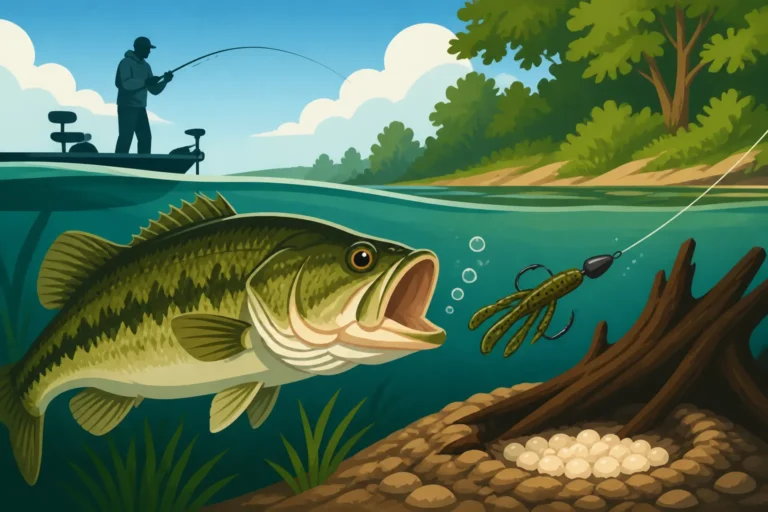
Once water temperatures hit the optimal range for spawning (usually mid-60s to low 70s for largemouth bass, slightly cooler for smallmouth), fish move onto their beds to reproduce. During this actual spawn, fish can become incredibly focused on protecting their nests rather than feeding. They might strike at anything perceived as a threat, but it's not a true feeding bite. This is a sensitive time, and many anglers practice catch-and-release, especially for species like bass, to ensure successful reproduction. Understanding Bass Spawn Timing on Virginia Lakes can help you plan your trips ethically and effectively.
After the spawn, fish enter a "post-spawn" phase. They are often exhausted and stressed, needing time to recover and replenish their energy stores. They might move a bit deeper, becoming less active for a week or two before resuming more consistent feeding patterns. This can be a challenging time to fish, as fish behavior can be unpredictable. They might relate to deeper structure near the spawning grounds or suspend in open water. Look for them to slowly transition back to more typical feeding behaviors as they regain strength.
Summer's Heat: Finding Comfort Zones in Warm Water
Virginia summers can get hot, and so can the water. While warm water can mean increased activity for some species, it also brings challenges, primarily related to dissolved oxygen.
Oxygen Depletion and Deep Water Retreats
As surface water temperatures climb into the high 70s, 80s, and even 90s, especially in shallower lakes and ponds, the amount of dissolved oxygen in the water decreases. Cooler water holds more oxygen. Fish, being reliant on gills to extract oxygen, will seek out areas where oxygen levels are higher and temperatures are more comfortable. This often means moving deeper.
- Deep Water: In many lakes, the coolest and most oxygenated water will be found in deeper sections, particularly below the thermocline (more on that in a moment).
- Shade and Cover: Areas with dense overhead cover like docks, lily pads, or overhanging trees provide crucial shade, keeping the water a few degrees cooler and offering ambush points.
- Moving Water: Rivers and streams, with their constant flow, tend to be better oxygenated and slightly cooler than stagnant lake water.
- Cool Water Inflows: Any spring or feeder creek that introduces cooler water can create a localized oasis for fish.
Ignoring the heat and fishing shallow, exposed areas during midday summer can be a wasted effort. Fish are simply not going to be there.
Dawn, Dusk, and Night Fishing Opportunities
When the sun is at its highest and the water is warmest, fish often become lethargic and retreat to their deeper, cooler haunts. However, as the sun begins to set, and especially through the night and into early morning, surface temperatures cool down, and fish feel more comfortable moving into shallower water to feed. This is when some of the most exciting fishing can happen!
- Topwater Action: For bass, topwater lures like poppers, frogs, and buzzbaits can be incredibly effective during these low-light periods. The cooler air and water bring baitfish to the surface, and predators follow.
- Catfish: Night fishing is legendary for catfish. Species like channel and flathead catfish are primarily nocturnal feeders, moving out of their deep daytime holes to cruise shallower flats and creek channels for an easy meal. Our guide on Catfish Bottom Fishing Techniques details some great ways to target them after dark.
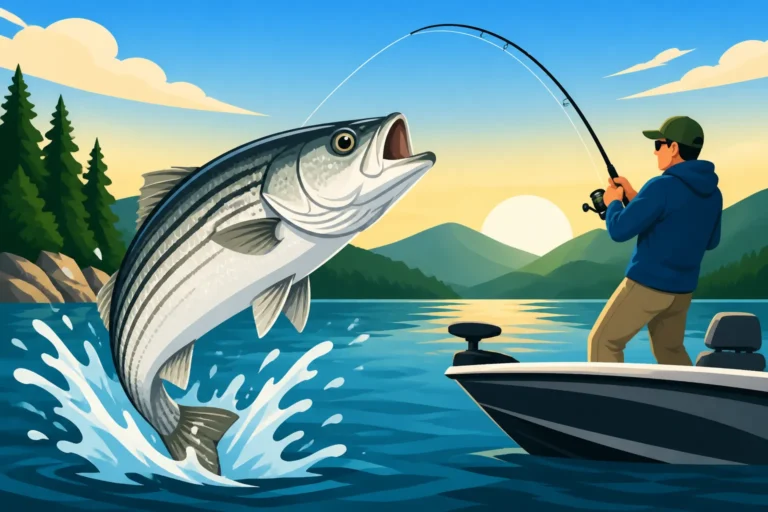
- Striped Bass: In lakes like Smith Mountain Lake, striped bass will often come up from the depths to feed on the surface during cooler morning hours or at night, chasing schools of baitfish.
Always be mindful of safety when night fishing, ensuring you have proper lighting and know your surroundings.
Thermoclines and Structure: Understanding Depth
A thermocline is a distinct layer within a body of water where the temperature changes more rapidly with depth than it does in the layers above or below. In many deeper Virginia lakes during summer, you'll find a thermocline. Above it, the water is warmer and often less oxygenated. Below it, the water is cooler but might also be low on oxygen, depending on the lake's characteristics. The "sweet spot" for many fish is often just above the thermocline. This is where they find a comfortable temperature and sufficient dissolved oxygen.
Think of it as an invisible ceiling or floor for fish. They might relate to structure (like a submerged hump or brush pile) that sits just above or within this thermocline. Your fish finder is an invaluable tool for identifying the thermocline; it often appears as a distinct, hazy line on the screen. Fishing your lures at this depth, or slightly above it, can be incredibly productive. For anglers looking to find those elusive deeper fish, understanding How to Find Fish From a Boat With a Fish Finder is key.
Autumn's Bounty: The Fall Feeding Frenzy
Fall is another phenomenal time to fish in Virginia, as cooling water temperatures trigger an aggressive feeding binge in many species.
Cooling Water and Aggressive Feeding
As the long, hot summer days give way to crisp autumn mornings, water temperatures begin to drop steadily. This signals to fish that winter is coming, and it's time to pack on the calories. Their metabolism is still high enough to be active, but the oxygen levels in the water are improving, and the discomfort of summer's heat is gone. This combination creates a perfect storm for aggressive feeding.
- Bass: Largemouth and smallmouth bass become incredibly active. They will chase baitfish in shallow coves and along main lake points. Crankbaits, spinnerbaits, and topwater lures can be incredibly effective as fish crash bait schools.
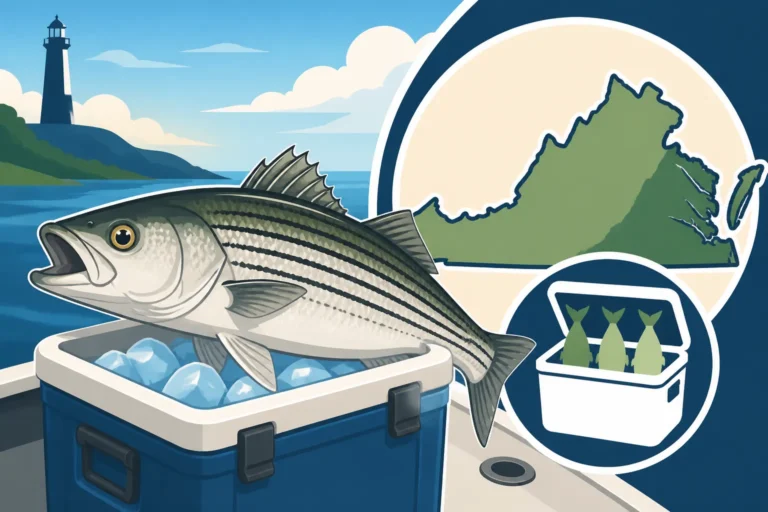
- Striped Bass: In both freshwater lakes and saltwater tidal rivers, the fall run for striped bass (often called rockfish in Virginia's coastal areas) is legendary. These powerful fish will aggressively pursue large schools of baitfish, providing some of the most exciting action of the year. Our Virginia Striped Bass Season and Slot Limit Guide offers details on targeting these prized fish.
- Crappie: Crappie will also school up and feed heavily in the fall, often positioning themselves around brush piles, timber, and bridge pilings in preparation for winter.
This is a time for active presentations, covering water, and matching the hatch (i.e., using lures that mimic the abundant baitfish).
Following Baitfish Migrations
One of the most defining characteristics of fall fishing is the movement of baitfish. As water temperatures drop, many baitfish species, like shad and herring, will migrate from deeper, open water into shallower coves and creeks, or school up tightly in major lake basins. Predator fish like bass, striped bass, and even catfish will follow these migrations relentlessly.
- Surface Activity: Look for schools of baitfish dimpling the surface, or even birds diving into the water – these are sure signs of predators pushing bait to the top.
- Sonar Screens: Your fish finder will be buzzing with activity, showing large schools of baitfish and often the bigger arches of game fish lurking below or around them.
- Creek Mouths and Points: Concentrate your efforts around the mouths of creeks, main lake points, and areas where baitfish might be funneled.
Being in the right place at the right time during the fall feeding frenzy means paying attention to these baitfish movements. If you find the bait, you'll find the fish. This time of year, you can often find a wide array of lures and tackle to mimic these baitfish on sites like Amazon.
Monitoring Water Temperature: Tools and Techniques
You can't effectively use water temperature to your advantage if you don't know what it is! Fortunately, there are several ways to monitor this crucial factor, from simple tools to high-tech electronics.
Essential Thermometers and Fish Finders
The most straightforward way to measure water temperature is with a thermometer.
- Handheld Thermometers: Simple, affordable, and accurate, these can be dropped into the water to give you an exact reading. Many anglers keep one tied to a string in their tackle box, pulling it out for quick checks at different depths or locations. You can find a good selection of these on Amazon.
- Built-in Thermometers: Most modern fish finders and depth sounders have a built-in water temperature sensor, usually located on the transducer. This gives you a continuous surface temperature reading, which is incredibly useful for tracking changes as you move across the water. More advanced units can even provide temperature readings at different depths, helping you pinpoint thermoclines.
- Temperature Gauges on Trolling Motors: Some electric trolling motors, like those from Minn Kota or Motorguide, also integrate temperature sensors into their components, offering another convenient way to monitor conditions.
Beyond just reading the number, it's about interpreting what that number means in relation to fish behavior, as we've discussed throughout this guide.
Using Online Resources and Local Reports
You don't always have to be on the water to get a sense of water temperatures.
- Virginia DWR Website: The Virginia Department of Wildlife Resources (DWR) website often provides reports on various lakes and rivers, sometimes including water temperature data, especially for popular spots or during specific seasons like trout stocking.
- Fishing Forums and Social Media: Local fishing forums, Facebook groups dedicated to Virginia fishing, and regional angling websites are treasure troves of real-time information. Anglers often share their observations, including water temperatures, where fish are being caught, and what techniques are working. A quick search before your trip can save you a lot of guesswork.
- Weather Apps and Marine Forecasts: While these don't give you specific lake temperatures, they can give you a general idea of ambient air temperatures, which directly influence water temps. Prolonged periods of warm, sunny weather will steadily raise water temperatures, while cold fronts will cause them to drop. Understanding the broader weather patterns helps you anticipate changes.
- Local Bait Shops: Never underestimate the knowledge of your local bait shop owner or employees. They talk to anglers all day, every day, and often have the most up-to-date information on water conditions, including temperatures and what's biting.
By combining your own on-the-water observations with these external resources, you'll develop a much more complete picture of the conditions and how to adapt your fishing strategy.
Water Temperature Ranges for Common Virginia Fish Species
To help you put all this information into practice, here's a handy table outlining the general preferred and optimal feeding temperature ranges for some of Virginia's most popular freshwater and anadromous (migratory) species. Keep in mind these are general guidelines, and fish can adapt to slightly different ranges depending on the specific body of water and time of year.
| Fish Species | Preferred Temp Range (°F) | Optimal Feeding Range (°F) | Behavior in Colder Water (<45°F) | Behavior in Warmer Water (>80°F) |
|---|---|---|---|---|
| Largemouth Bass | 65-75 | 68-72 | Lethargic, deep, slow retrieves needed | Seek shade/depth, inactive midday, active at dawn/dusk, lower oxygen |
| Smallmouth Bass | 60-70 | 62-68 | Slowed metabolism, deeper pools, current breaks | Seek cooler current, deeper rock structure, less active |
| Striped Bass (Freshwater) | 60-70 | 65-70 | Deep schools, often suspended, less active | Deeper, thermocline, less active midday, active low-light |
| Striped Bass (Saltwater) | 55-68 | 58-65 | Deep holes, near structure, slower feeds, less active | More active on surface early/late, seek deeper channel |
| Crappie | 65-75 | 68-72 | Deep brush, very subtle bites, tight schools | Deep brush/timber, less active, can be stressed |
| Channel Catfish | 70-85 | 75-80 | Active in slightly cooler water than others, but still slower | Highly active, nocturnal, less oxygen tolerant at extremes |
| Flathead Catfish | 70-80 | 72-78 | Deep holes, very sluggish, often stationary | Highly active, especially nocturnal, prefer current |
| Rainbow Trout | 50-65 | 55-60 | Very active in cold, but less willing to chase | Seek cold spring water, very stressed, can die if prolonged |
| Brown Trout | 50-65 | 55-62 | Active in very cold, but slower metabolism | Seek cold spring water, less tolerant of high temps than rainbows |
| Brook Trout | 45-60 | 48-58 | Most active in coldest temps, especially wild populations | Extremely sensitive, require pristine cold water, very stressed |
This table should give you a quick reference when planning your next trip. Remember, fish are resilient, but these ranges represent where they are most comfortable and, crucially for us anglers, most likely to feed.
Disclaimer
Fishing regulations and conditions in Virginia can change frequently. Always consult the latest Virginia Department of Wildlife Resources (DWR) regulations before heading out. This guide is for informational purposes only and does not supersede official regulations or local advisories. Be safe, practice good sportsmanship, and always respect our natural resources.