Winter Bass Fishing Techniques
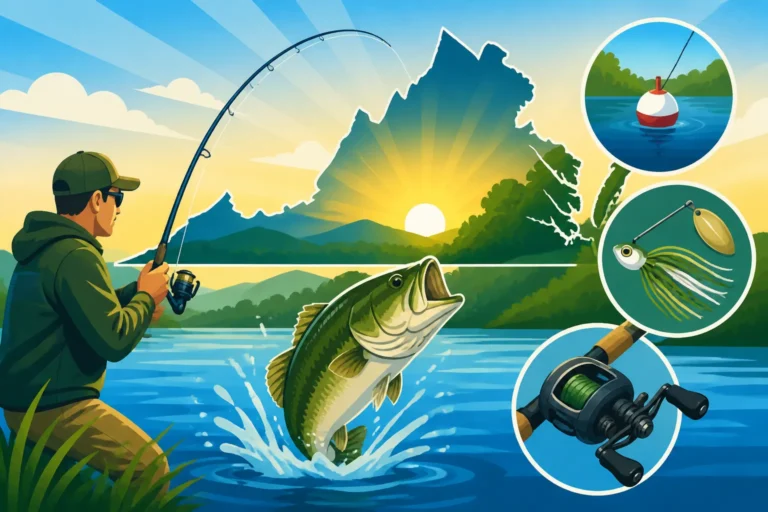
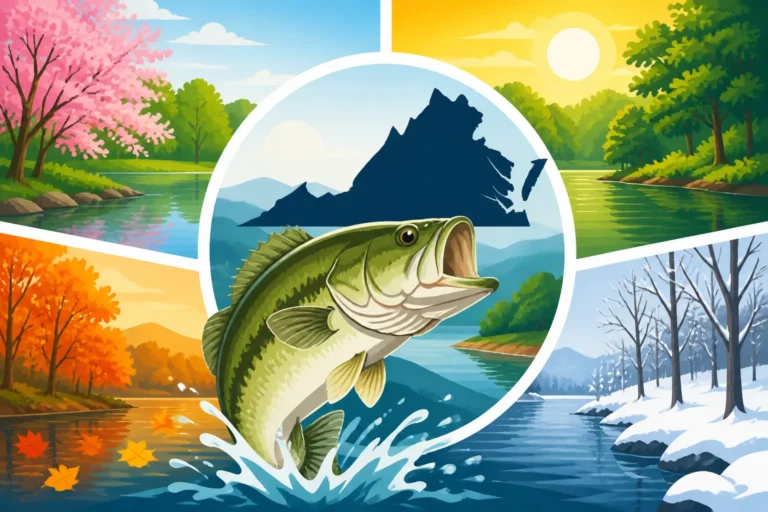
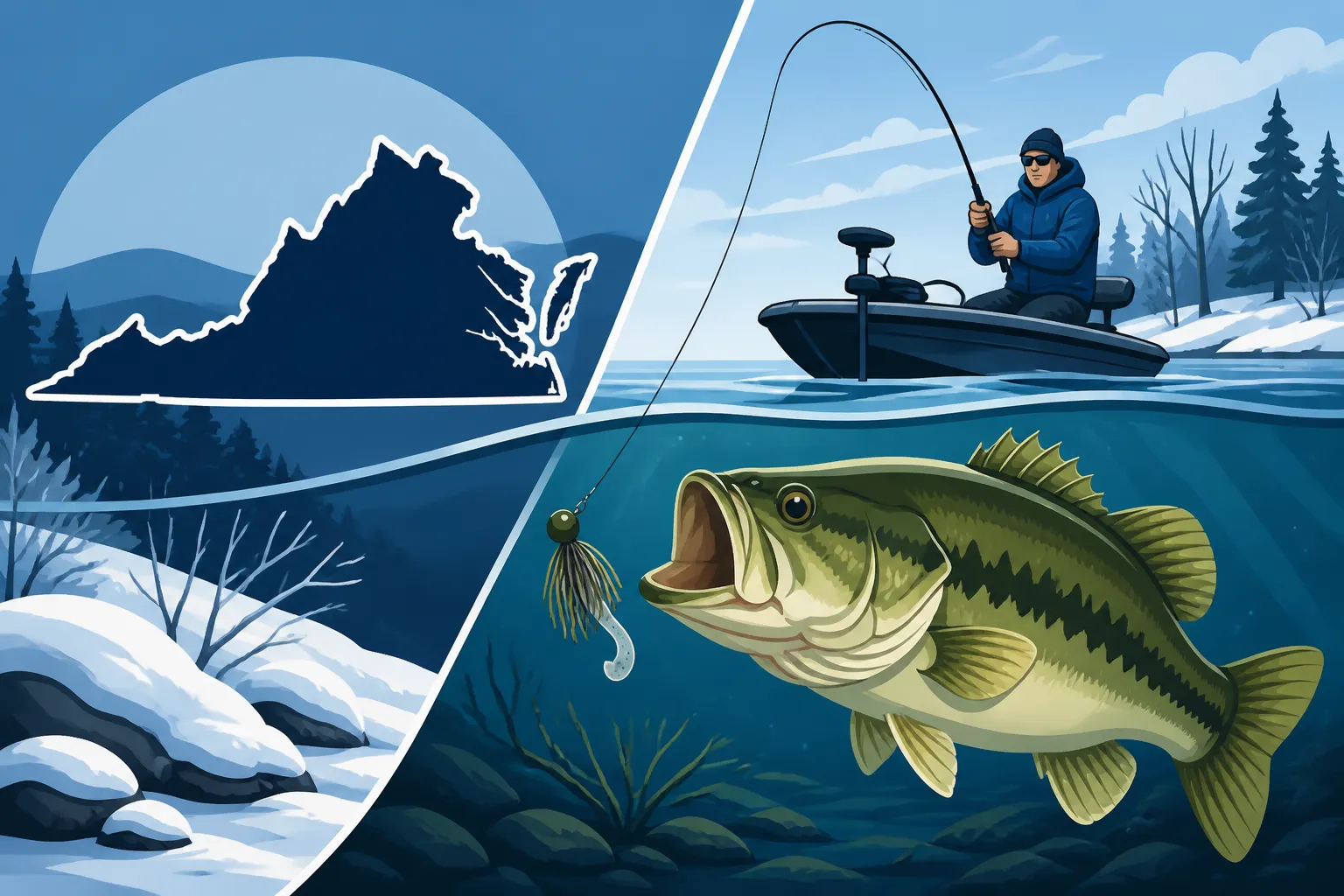
Oh, the crisp air, the quiet waters, and the undeniable challenge of winter bass fishing! Many anglers, myself included, have looked out at a frosty morning and thought about just packing it in until spring. It’s easy to feel defeated when the fish seem to have vanished, the bites are subtle, and your fingers are numb. But trust me, you don’t have to hang up your rod just because the temperatures drop. This comprehensive guide is here to equip you with the knowledge, techniques, and sheer stubbornness you need to successfully find and catch bass throughout Virginia's colder months, turning those frustrating days into triumphs.
Understanding Winter Bass Behavior
Catching bass in winter isn't about luck; it's about understanding how these amazing fish adapt to the cold. Their metabolism slows down, their activity levels decrease, and they become much more predictable in their movements and feeding patterns. If you can crack the code of their winter behavior, you’re already halfway to success.
The Impact of Water Temperature on Metabolism
Just like us, bass are cold-blooded creatures, meaning their body temperature mirrors that of the water around them. As water temperatures plummet below 50 degrees Fahrenheit, a bass's metabolism slows dramatically. This isn't just a minor shift; it fundamentally changes how they live. They don't need to eat as often or as much, and their movements become sluggish and conserved. Imagine trying to run a marathon after eating only a small snack and being bundled in a heavy coat – that's kind of how a bass feels. They're trying to conserve energy, which means they're less likely to chase a fast-moving bait or expend effort on something that doesn't look like an easy meal. This is why slow, methodical presentations are absolutely crucial in winter. A twitchy, erratic retrieve that might trigger a strike in summer will often just spook a lethargic bass in winter.
Winter Feeding Habits and Periods
While bass eat less in winter, they still need to feed. Their feeding windows, however, become much shorter and often coincide with specific environmental conditions. On sunny days, you might find them moving up to sun-warmed banks or dark bottom areas for a brief period to "sunbathe" and potentially forage. They're looking for an easy, high-calorie meal that doesn't require much of a chase. Think about baitfish like shad or minnows that might also be cold and slow, or even crawfish trying to escape a rocky crevice. These shorter, more intense feeding periods often happen during the warmest part of the day, typically from late morning to mid-afternoon. Anglers who hit the water at dawn expecting a flurry of activity like in summer will often be disappointed. Patience and timing are paramount; focus your efforts during these peak windows, even if they are brief.
Schooling Behavior and Locational Preferences
One of the most significant advantages for winter bass anglers is that bass tend to school up much more tightly in cold water. Instead of being spread out across vast areas, they'll congregate in specific spots, often around deep water structure. This makes them harder to find initially, but once you locate a school, you can often catch multiple fish from the same spot. They're seeking stability – consistent water temperature, abundant cover, and proximity to deeper escape routes. Look for them hunkered down on ledges, channel swings, deep points, humps, or submerged timber. These areas provide both shelter from current and easy access to different depths as conditions change. This schooling behavior is a critical piece of the puzzle; finding one fish often means finding many, so be thorough when you get a bite.
Essential Gear for Cold Water Bass Fishing
Fishing in winter isn't just about technique; it's also about having the right tools for the job. From your rod and reel setup to what you wear, every piece of gear plays a vital role in both your success and your comfort. Skimping on the details here can make an already challenging day unbearable.
Rods, Reels, and Line Choices
When it comes to winter bass fishing, finesse and sensitivity are your best friends. Light to medium-light spinning rods, often 6'6" to 7' in length, with a fast action tip, are ideal for detecting those subtle, almost imperceptible bites. A good quality graphite rod will transmit every bump and tap directly to your hand. Pair this with a smooth, lightweight spinning reel spooled with 6-8 pound fluorocarbon line. Fluorocarbon is a fantastic choice for cold water because it's virtually invisible underwater, has low stretch for excellent sensitivity, and sinks, which helps your bait get down to the fish faster. For heavier techniques like football jigs in deeper water, a medium-heavy casting rod, 7 to 7'6", with a fast tip and a low-profile baitcasting reel spooled with 10-15 pound fluorocarbon or braid with a fluorocarbon leader, will give you the power to drive hooks home and handle larger fish. You'll definitely want to check out some of the options on Amazon for reels that can handle the cold, often boasting better lubricants and materials that won't stiffen up in freezing temperatures.
Cold Weather Apparel and Safety Equipment
Your comfort directly impacts your concentration and ability to fish effectively. Layering is key: start with a moisture-wicking base layer, add an insulating mid-layer (fleece or down), and top it off with a waterproof and windproof outer shell. Good quality insulated gloves or mittens (often with convertible finger slots) are a must, as are a warm hat and neck gaiter. Insulated, waterproof boots will keep your feet from freezing. Beyond comfort, safety is paramount. Always wear a life vest, even if you’re a strong swimmer, as cold water immersion can quickly incapacitate you. A change of warm clothes stored in a dry bag, a fully charged cell phone, a first-aid kit, and a whistle are non-negotiable safety items. Remember that on Virginia's Best Lakes for Fishing, the water can be brutally cold, and accidents happen quickly.
Electronics for Locating Structure and Fish
In winter, you're looking for a needle in a haystack – tight schools of lethargic fish in deep water. This is where modern electronics become an absolute game-changer. A good fish finder with down imaging and side imaging capabilities can reveal subtle contour changes, submerged brush piles, rock formations, and even individual fish arches that would be impossible to find otherwise. Take the time to learn how to use your unit effectively. Look for hard bottom, isolated cover, and especially baitfish. Where there’s bait, there are usually predators nearby. For instance, on a lake like Smith Mountain Lake Fishing Guide, those deep channels and points become magnets for bass, and your electronics will be your eyes underwater. Many anglers find great deals on sophisticated marine electronics and accessories for their boats through online retailers like Amazon.
Top Winter Bass Lures and Presentations
Forget the fast-moving crankbaits and topwater explosions of summer. Winter bass fishing demands a much slower, more deliberate approach with specific lures designed to entice a reluctant bite. The key is to present something that looks like an easy, irresistible meal.
Jigs and Trailers: The Bottom Bouncers
Jigs are arguably the most effective winter bass lure. Their versatility allows you to mimic crawfish, baitfish, or even small panfish. Football jigs, often in weights from 1/2 to 1 ounce, are fantastic for deep rock piles, ledges, and transition areas, as their head design helps them crawl over structure without snagging. Casting jigs (or flippin' jigs) with weed guards are excellent for probing brush piles, fallen trees, and docks. Pair your jig with a soft plastic trailer that adds subtle action without overwhelming the jig. Colors like black and blue, brown, green pumpkin, and natural crawfish patterns are consistent producers. The retrieve is critical: a slow drag, a subtle hop, or barely shaking the rod tip to impart action is often all it takes. Think about a baitfish struggling, not fleeing.
Blade Baits and Underspins: Flash and Vibration
Sometimes, even lethargic bass need a little something extra to get their attention. This is where blade baits shine. These thin, metal lures vibrate intensely on the retrieve or on the fall, sending out irresistible pulses that bass can feel from a distance. A common technique is to vertically jig them over deep structure, letting them fall on a slack line, then ripping them up a foot or two before letting them flutter back down. The strike often comes on the fall. Underspins, which are essentially a jig head with a small spinner blade attached beneath, offer a more subtle flash and vibration. Rig them with a small swimbait or grub trailer and retrieve them slowly, just above the bottom, for a tempting presentation. Brands like Damiki and Megabass offer popular blade baits, while models from War Eagle and Keitech are well-regarded for underspins. When it comes to finesse presentations for How to Catch Bass in Cold Water, these lures can be incredibly effective.
Jerkbaits and Suspending Baits: Tempting with Stillness
Few lures can frustrate and tempt winter bass like a suspending jerkbait. These baits are designed to sink to a certain depth and then, when paused, suspend perfectly still in the water column. This "dead stick" retrieve is deadly in cold water. Bass will often follow a jerkbait for a long distance, studying it, before finally committing. The key is the pause. Cast it out, twitch it a few times to get it to depth, then pause for an incredibly long time – sometimes 10, 20, or even 30 seconds. The colder the water, the longer the pause. This mimics a dying baitfish, an easy meal for a bass trying to conserve energy. Suspending crankbaits or even deep-diving crankbaits that can be slowly retrieved and then paused can also be effective. The subtle wobble and then absolute stillness can be the final trigger.
Finesse Baits: When All Else Fails
When the bite is incredibly tough, and bass are ultra-finicky, it's time to go finesse. Drop shot rigs, particularly with small, soft plastic worms or minnows, allow you to present a bait directly in a bass's face while keeping the weight on the bottom. Shaky head jigs, rigged with a straight-tail worm, offer a subtle, quivering action with minimal rod movement. Ned rigs, with their mushroom-shaped head and short, buoyant soft plastic, are another fantastic option for coaxing bites from inactive bass, especially on clear, cold days. These tiny baits, often in natural colors, don't look intimidating to a sluggish fish and represent an effortless meal. Remember that Water Temperature and Fish Feeding Patterns are intimately linked, and when temperatures are frigid, finesse is often the answer. You can stock up on a huge variety of finesse soft plastics and specialty jig heads on Amazon to ensure you have the perfect option for any situation.
| Lure Type | Ideal Depth | Retrieval Speed | Action & Presentation |
|---|---|---|---|
| Football Jig | 15-40+ feet | Very Slow | Drag, hop, shake. Mimics crawfish. |
| Blade Bait | 10-30 feet | Rip & Fall | Vertical jigging, strong vibration. Triggers reaction. |
| Suspending Jerkbait | 5-15 feet | Twitch & Long Pause | Mimics dying baitfish. Very slow. |
| Underspin | 5-25 feet | Slow & Steady | Subtle flash and vibration with a soft plastic trailer. |
| Ned Rig | 5-20 feet | Drag & Shake | Ultra-finesse, subtle action. |
| Drop Shot | Any Depth | Static & Subtle | Bait suspended off bottom, minimal movement. |
Locating Winter Bass in Virginia Waters
Finding bass in winter can feel like hunting for treasure. They're not going to be everywhere, and they're definitely not going to be shallow (most of the time). You need to think about where they can find comfort, stability, and an easy meal without expending too much energy.
Deep Water Structure and Cover
When the water turns cold, bass instinctively head for the deepest available structure. This could be rock piles, humps, ledges, submerged roadbeds, bridge pilings, or deep brush piles. These areas offer thermal stability, as deep water temperatures fluctuate less than shallow water. They also provide crucial cover from current and predators, as well as ambush points for prey. Using your electronics to pinpoint these underwater features is non-negotiable. Don't just look for "deep water"; look for deep water with something on it. A solitary rock on a flat, a subtle drop-off, or a cluster of standing timber can hold an entire school of bass. On some of Virginia's larger impoundments, understanding how to effectively fish How to Catch Bass From a Boat in Deep Water is paramount to winter success.
Main Lake Points and Channel Swings
Main lake points that drop off steeply into a river or creek channel are classic winter bass haunts. These points act as highways, allowing bass to move up and down in the water column or from shallow to deep water with minimal effort. Look for points with additional cover, like brush, rocks, or old stumps. Similarly, channel swings – where the main river or creek channel makes a sharp bend and comes close to a bank – are prime locations. Bass will often suspend in these deeper bends, especially if there's a strong current, using the bend as a current break. They might also relate to the steeper side of the bank on the outside bend. These spots offer both deep water refuge and a convenient location to intercept baitfish being funneled by the current. It's places like these that often host Virginia Bass Fishing: Largemouth, Smallmouth, Spotted, and Alabama Bass throughout the cold months.
Sun-Exposed Areas and Dark Bottoms
While bass typically gravitate to deeper water, there are times when they will move shallower, especially on sunny winter days. Look for north-facing banks (in the northern hemisphere) or any bank that gets prolonged sun exposure. The sun will warm these shallow areas by a degree or two, and this slight temperature increase can be enough to draw baitfish and, subsequently, bass. Dark-bottomed areas, like those with mud or dark rock, absorb and retain heat better than lighter bottoms, making them warmer and more attractive. These areas might only be 5-10 feet deep, offering a brief window for shallower presentations. However, remember the bass won't stay there long once the sun moves or clouds roll in. These temporary "warm spots" can offer some of the most exciting winter fishing if you time it right. If you're looking for Best Time of Year for Bass Fishing in Virginia, winter days with consistent sun can provide unexpected opportunities.
Strategic Approaches for Different Winter Conditions
Winter isn't a monolithic season; conditions can change dramatically from one day to the next, often swinging from bitter cold to mild sunny spells. Adapting your strategy to these nuances is key to consistent success.
Post-Cold Front Tactics
A severe cold front can shut down fishing faster than anything else. After a front passes, expect clear skies, dropping temperatures, and often high pressure. Bass become even more lethargic and tight-lipped. During these challenging times, extreme finesse is your best bet. Think smaller baits, lighter line, and an even slower retrieve. Target the deepest, most stable cover you can find – often brush piles or rock formations in 25+ feet of water. Let your bait sit for extended periods, barely moving it. The goal is to make the bass feel like the meal is practically swimming into its mouth. Sometimes, just one or two fish from a spot after a brutal front is a huge victory. Don't be afraid to experiment with different angles of approach, as bass might be positioned precisely to one side of the cover.
Sunny vs. Overcast Days
The difference between a sunny winter day and an overcast one is significant for bass behavior. On bright, sunny days, bass might move up slightly shallower (as discussed above) to sun-warmed banks or points. They might also be more willing to chase a subtle jerkbait or blade bait. The increased light penetration can make finesse baits even more effective in clear water, as their natural presentation is enhanced. On overcast days, bass tend to stay deeper but might be more spread out or willing to roam slightly more, as there isn't a direct sunbeam to push them against structure. This can be a good time for slow-rolled swimbaits or larger jigs fished along deep breaklines and channel edges. The reduced light might also mean slightly brighter or more contrasting colors could draw a strike. Understanding these distinctions allows you to choose the right Best Bait for Largemouth Bass in Virginia for the conditions.
Dealing with Wind and Current
Wind and current are often overlooked factors in winter fishing, but they can be crucial. A gentle breeze on a sunny day can actually be beneficial, as it breaks up the water's surface, making your line less visible and potentially pushing baitfish. However, a strong, sustained wind can make boat control difficult and drastically reduce your ability to feel subtle bites. In windy conditions, focus on sheltered coves or the downwind side of main lake points. Current, especially in river systems like the James or Shenandoah, concentrates both bait and bass. Bass will position themselves just out of the main current, in eddies or behind cover, to ambush prey. These current breaks are high-percentage spots, but your boat control needs to be precise to keep your bait in the strike zone. Sometimes, a slightly heavier jig or bait is necessary to maintain bottom contact in stronger current.
Safety and Comfort on the Water
While the thrill of catching a winter bass is unmatched, it's absolutely vital to prioritize your safety and comfort. Cold water fishing comes with inherent risks, and being prepared can make the difference between a great day and a dangerous one.
Dressing in Layers and Hypothermia Prevention
We've talked about layering, but it bears repeating: it's your first line of defense against the cold. Your core body temperature needs to stay stable. Beyond insulated clothing, consider chemical hand warmers and toe warmers, which you can find easily on Amazon or at most sporting goods stores. These can provide hours of warmth and make a huge difference in finger dexterity and overall comfort. Hypothermia is a serious risk; symptoms include shivering, confusion, slurred speech, and loss of coordination. If you or a fishing buddy experience these, seek warmth immediately. Hot drinks in a thermos are a great idea, too. Virginia winters can be surprisingly brutal, especially on the water where wind chill can dramatically lower perceived temperatures.
Boat Safety and Cold Water Awareness
If you're fishing from a boat, never venture out alone, especially in winter. Let someone know your float plan – where you're going and when you expect to return. Ensure your boat's engine is in top condition, as a breakdown in cold weather can be life-threatening. Always wear your life vest. The shock of falling into cold water can cause involuntary gasping, leading to drowning. Even strong swimmers can be quickly incapacitated by cold water immersion. Most modern boats have safety features like kill switches; make sure yours is attached to you. Be extra careful on boat ramps, which can be slick with ice or frost. Remember, the colder the water, the less time you have if you end up in it.
Staying Hydrated and Energized
It's easy to forget to drink water in cold weather, but dehydration can still occur and contribute to fatigue and reduced mental acuity. Bring plenty of water and warm beverages like coffee or hot chocolate in an insulated thermos. Pack high-energy snacks like granola bars, nuts, or fruit. Keeping your body fueled and hydrated helps it regulate temperature more effectively and keeps your mind sharp, which you'll need for those subtle winter bites. A well-prepared angler is a safer and more successful angler, and taking care of your body is just as important as choosing the right lure for Best Smallmouth Bass Rivers in Virginia during the winter season.
Disclaimer
Please note: Fishing regulations, license requirements, and local conditions can change. Always check the latest Virginia Department of Wildlife Resources (DWR) regulations before heading out on the water. This guide is for informational purposes only and does not constitute official legal advice.