Virginia Free Fishing Days 2026 Best Techniques to Try
Let's be real: sometimes you just want to grab a rod, head to the water, and cast a line without having to navigate the often confusing and sometimes costly world of fishing licenses. For many aspiring anglers, or even seasoned veterans looking to try new waters, the upfront commitment of a license can be a real barrier. That's why Virginia's Free Fishing Days are such a fantastic opportunity! This guide is all about helping you unlock the full potential of those special license-free days in 2026, breaking down the best techniques to try whether you're chasing bass in a freshwater lake or hoping for a bite in the Chesapeake Bay.
Understanding Virginia's Free Fishing Days 2026
The idea of fishing without needing a license feels almost too good to be true, doesn't it? But it's absolutely real, and it's a wonderful initiative designed to encourage new anglers and allow current ones to explore without the usual red tape. It's a chance for folks who might be hesitant about the cost or the process of getting a license to simply experience the joy of fishing firsthand. Think of it as Virginia's way of saying, "Come on out, the water's fine!"
When Are Virginia's Free Fishing Days in 2026?
Mark your calendars, because knowing the dates is the first crucial step to planning your angling adventure. Virginia typically designates a weekend in June for these special days, and in 2026, you'll want to circle June 5th, 6th, and 7th on your calendar. That's a full three days to enjoy the diverse fishing opportunities Virginia has to offer, completely license-free. This specific timing is usually chosen to coincide with pleasant weather and active fish, making it an ideal time for beginners and families to get out on the water.
These three days are truly a gift to the angling community. Imagine being able to spontaneously decide to go fishing with your kids or grandkids without a last-minute scramble to buy licenses. It's an incredible opportunity to introduce someone new to the sport without any financial commitment beyond bait and tackle. For those of us who already hold a Virginia Fishing License Guide, it's still a fantastic chance to try out a new fishing spot or a different technique without feeling the pressure of needing a separate endorsement for, say, trout fishing if you normally only fish for bass.
What "License-Free" Really Means
While the "license-free" aspect is fantastic, it's super important to understand that it doesn't mean "regulation-free." This is a common misconception that can lead to some unpleasant surprises from wildlife officers. During these special days, you are exempt from needing a state fishing license, a trout license, or a saltwater license. However, all other fishing regulations remain in effect. This includes length limits, daily creel (bag) limits, gear restrictions, and any specific rules for particular bodies of water.
For instance, if you're fishing for largemouth bass, you still need to adhere to Virginia's daily bass limit of 5 fish combined, and any specific slot limits for the lake you're fishing. The same goes for saltwater species like striped bass (rockfish) where specific slot limits and seasons will still apply. Don't forget that if you're planning to fish on private lands, you still need permission from the landowner, and certain public access points, like some state parks, might still require a facility use permit even if the fishing license itself is waived. Always double-check the local regulations for your chosen spot to avoid any issues. You can find comprehensive details on the Virginia Fishing Regulations Explained on the DWR website.
Top Freshwater Techniques for Free Fishing Days
Virginia boasts an incredible array of freshwater fishing opportunities, from vast reservoirs to serene mountain streams. Free Fishing Days offer a perfect chance to explore these waters, especially for those new to the sport or looking to diversify their techniques. Freshwater angling can be incredibly rewarding, offering a chance to connect with nature and perhaps even catch dinner!
Bank Fishing for Panfish
Panfish like bluegill, crappie, and yellow perch are the perfect target for beginners and families during Free Fishing Days. They're abundant, relatively easy to catch, and often found close to shore, making them ideal for bank fishing. You don't need fancy equipment, just a simple rod and reel, some basic terminal tackle, and the right bait.
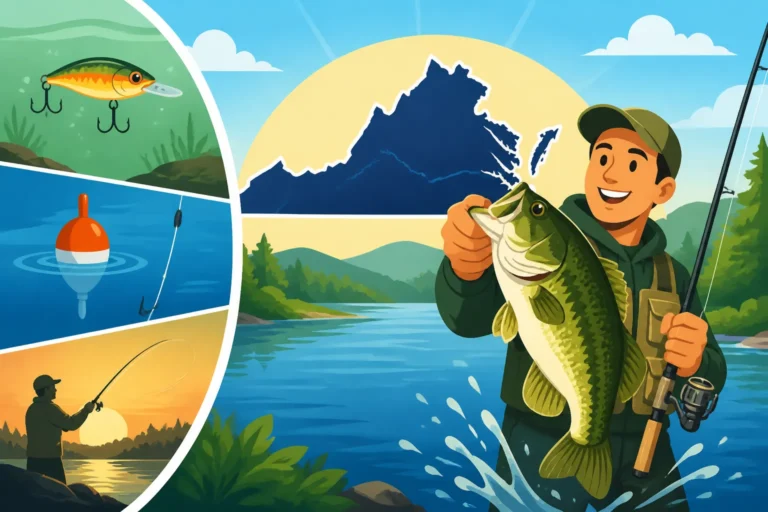
For bluegill and other sunfish, a small hook (size 8 or 10), a split shot weight, and a bobber are usually all you need. Red worms, nightcrawlers (pieces work fine!), or even crickets are irresistible to them. Cast your bait near submerged structures like fallen trees, docks, or weed beds, and watch that bobber disappear! Crappie, while also panfish, tend to prefer small minnows or tiny jigs (1/32 or 1/16 oz) fished under a bobber. They often school around brush piles or submerged timber. A simple ultralight spinning combo from, say, a brand like Zebco, is all you need to get started, and you can find great beginner kits on Amazon. These fish are not only fun to catch but also make for some delicious table fare, offering a wonderful reward for your efforts. If you want to dive deeper into techniques, check out our guide on Crappie Fishing Techniques for Beginners.
Targeting Largemouth Bass from Shore
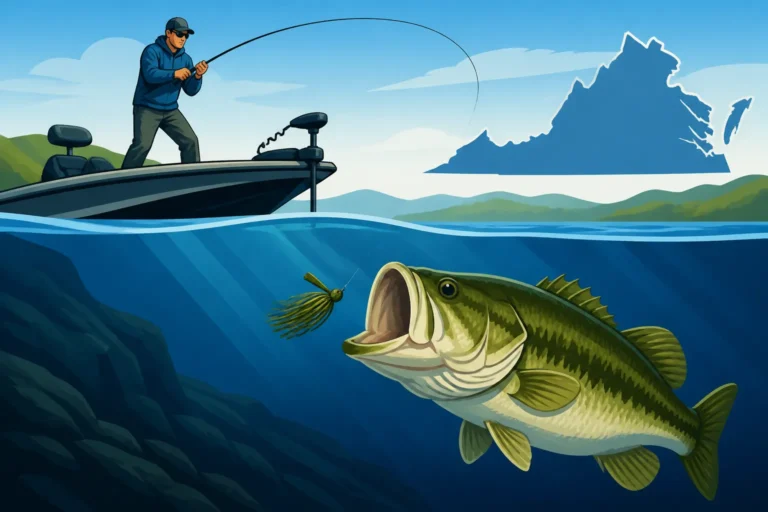
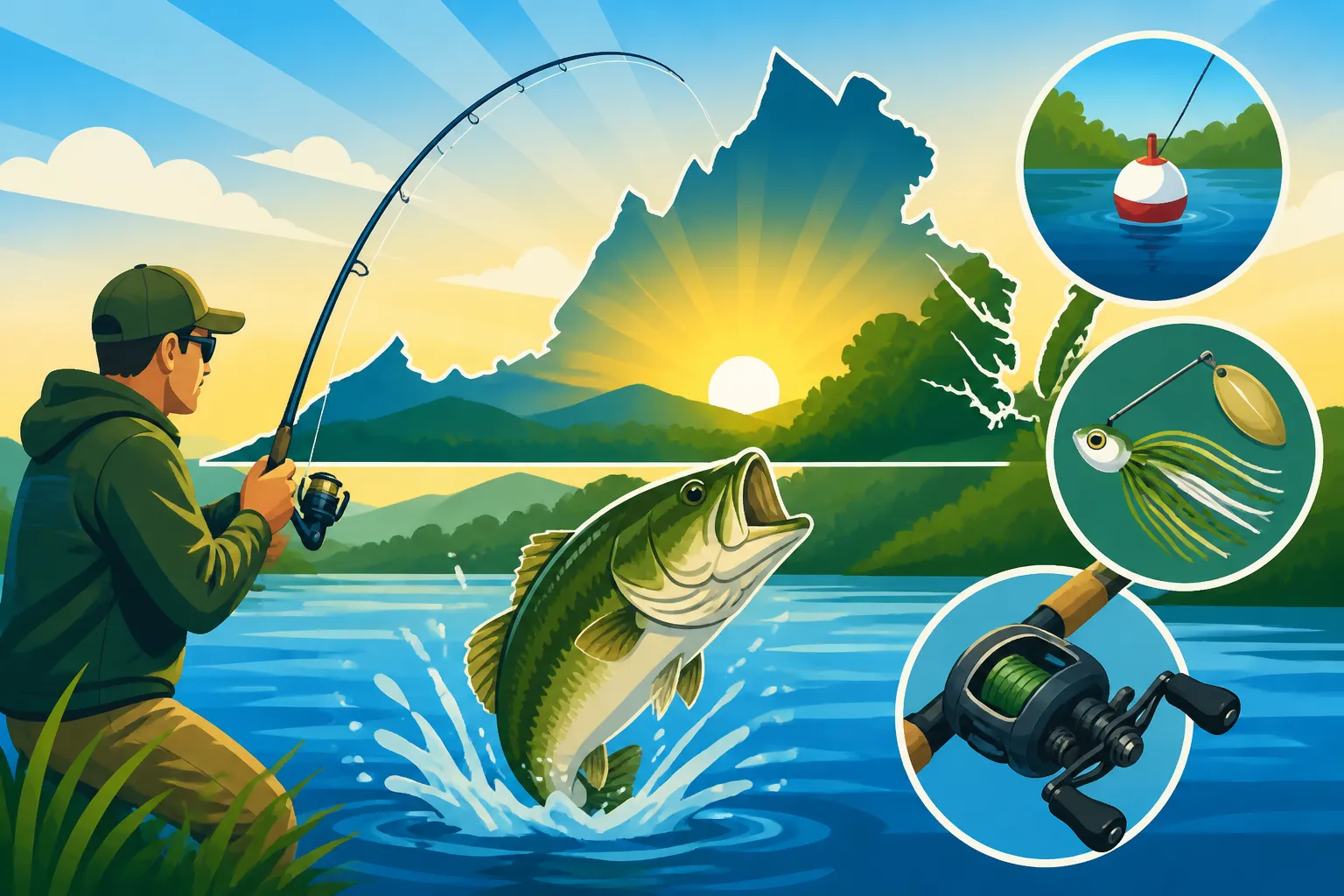
Largemouth bass are the undisputed kings of Virginia's freshwater lakes and ponds, offering an exciting challenge even from the bank. While they can be a bit more elusive than panfish, Free Fishing Days are a great time to try your hand at catching these feisty fighters. You'll want a slightly heavier setup than for panfish – a medium-action spinning rod with 8-12 lb test line is a good start.
For bait, plastic worms (Texas-rigged or wacky-rigged) are incredibly effective, mimicking natural prey. Spinnerbaits and small crankbaits can also draw aggressive strikes. Look for areas with structure: lily pads, submerged logs, docks, or points that jut out into the water. Bass love ambush points. Cast your lure parallel to the shoreline or into any visible cover, then retrieve it with varying speeds and pauses to entice a bite. Remember, bass fishing is often about patience and presentation. Even if you don't catch a lunker, the thrill of a bass strike is something every angler should experience. Our article on the Best Bait for Largemouth Bass in Virginia has even more ideas.
Simple Catfish Rigs
Catfish are another fantastic target for Free Fishing Days, especially if you're looking for a larger, hard-fighting fish that's also excellent for eating. Virginia is home to channel catfish, flathead catfish, and white catfish, all of which can be caught from the bank. They're often most active in the evenings and at night, but can be caught throughout the day, especially in deeper holes or shaded areas.
A basic bottom-fishing rig is all you need: a sinker (egg sinker or pyramid sinker works well) above a swivel, and a leader (12-24 inches) with a sturdy hook (size 2/0 to 5/0, depending on the size of fish you're targeting). Common baits include cut bait (chunks of shad or bluegill), chicken livers, nightcrawlers, or prepared stink baits, many of which can be found in tackle shops or even grocery stores. Catfish have an incredible sense of smell, so pungent baits are often the most effective. Cast your bait into deeper channels, near brush piles, or along river bends, then set your rod in a holder and wait for that telltale thunk. For more detailed insights, check out our comprehensive guide on Catfish Fishing Techniques and Bait Guide.
Effective Saltwater Techniques for Free Fishing Days
Virginia's coastal waters, particularly the expansive Chesapeake Bay and its tributaries, offer world-class saltwater fishing. During Free Fishing Days, you can experience the thrill of saltwater angling without the need for a specific Virginia's 10-Day Saltwater Fishing License or annual permit. Just like freshwater, remember that all other regulations, including size and creel limits, apply.
Pier and Surf Fishing for Croaker and Spot
If you're looking for accessible saltwater action, pier fishing and surf fishing are excellent choices during Free Fishing Days. These methods don't require a boat and can be incredibly productive, especially for popular panfish species like croaker and spot. Many public piers along the Chesapeake Bay and Virginia Beach offer great access, and often have bait and tackle shops right on site.
For both pier and surf fishing, a simple bottom rig with two hooks (a "top and bottom" rig) is usually all you need. Use small hooks (size 4 to 2/0) and bait them with small pieces of bloodworms, clam, or shrimp. Cast out and let your bait settle on the bottom. Croaker and spot are common catches and provide steady action, making them perfect for family outings. Surf fishing can also yield flounder, puppy drum, and even small striped bass. Just be prepared for potential strong currents and waves when surf fishing, and make sure your gear is up to the task – a longer surf rod is essential for casting beyond the breakers. You can easily find a suitable pier fishing rod and reel combo on Amazon to get started.
Targeting Striped Bass Rockfish in Tidal Rivers
Striped bass, affectionately known as "rockfish" in Virginia, are a prized catch in the tidal rivers and the Chesapeake Bay. While Free Fishing Days fall during a specific period in June, it can still be a good time to target them, especially in the cooler waters of the tidal rivers during dawn or dusk. Remember, the Virginia Striped Bass Season and Slot Limit in Virginia is very specific and can change, so always check the most current regulations for the given dates.
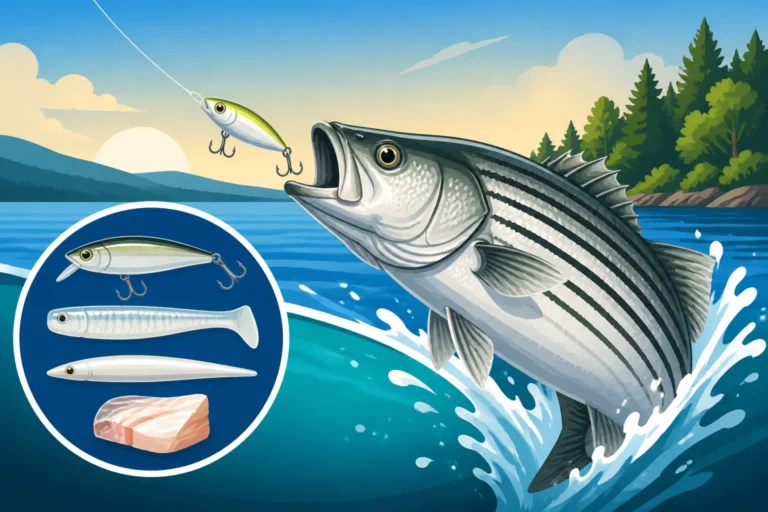
For targeting striped bass from shore or a small boat (if you have one, ensuring it's properly registered), artificial lures like bucktail jigs, soft plastic swimbaits, or even topwater plugs can be effective. Look for areas where current flows around structure, like bridge pilings, jetties, or submerged points. These are classic ambush spots for stripers. Bait fishing with live eels or chunks of fresh cut bait (like menhaden) can also be highly successful. Cast your lure or bait upstream and allow the current to carry it naturally past potential holding areas. The fight of a good rockfish is truly exhilarating! For more on specific locations, our Chesapeake Bay Striped Bass Fishing Guide offers valuable insights.
Bottom Fishing for Flounder
Flounder are delicious bottom-dwelling flatfish that are a favorite target for many Virginia anglers. While they might be a bit less active in the hotter parts of June, cooler mornings or evenings during Free Fishing Days can still provide opportunities, especially in the Chesapeake Bay or near its inlets.
To target flounder effectively, you'll want a light to medium spinning rod and reel setup. The most common and effective technique is bottom fishing with live bait. Small live minnows (like mud minnows or peanut bunker), strips of squid, or pieces of cut bait are excellent choices. A standard flounder rig typically consists of a sinker (pyramid or bank sinker) at the bottom, with one or two snelled hooks (size 1/0 to 3/0) tied above it on short leaders. Cast your rig out and slowly retrieve it, dragging the bait along the bottom. Flounder often lie partially buried in the sand or mud, waiting to ambush prey. You'll feel a subtle thump or weight when they bite, and it's best to let them "chew" on it for a few seconds before setting the hook. Look for sandy or muddy bottoms, especially near channels, drop-offs, or any structure where baitfish might congregate.
Essential Gear and Preparation for Free Fishing
Even though the license is free, having the right gear and being well-prepared can make all the difference between a frustrating outing and a truly memorable fishing experience. You don't need to break the bank to get started, especially when trying fishing for the first time on Free Fishing Days.
Basic Rod and Reel Setups
For most beginner anglers, a spinning rod and reel combo is the easiest and most versatile choice. These setups are simple to cast and operate, making them ideal for catching everything from panfish to small bass or even light saltwater species. A medium-light to medium power rod, around 6 to 7 feet long, spooled with 6-10 lb monofilament line, will serve you well for most freshwater situations and lighter saltwater applications like pier fishing.
If you're introducing kids to fishing, a spincast combo is often the best bet. These have a push-button release that makes casting incredibly intuitive. Brands like Shakespeare and Zebco offer reliable and affordable spincast and spinning combos that are perfect for getting started. You can often find decent beginner kits that include a rod, reel, line, and a small tackle box for a very reasonable price, sometimes even on Amazon. Having a couple of different setups can be beneficial – perhaps a lighter one for panfish and a slightly heavier one for bass or catfish.
Bait and Lure Recommendations
The right bait can make or break a fishing trip. For freshwater, live bait is almost always a winner. Nightcrawlers or red worms are universal crowd-pleasers for panfish and catfish. Small minnows are excellent for crappie and can also tempt bass. For those who prefer artificials, plastic worms (green pumpkin, black, junebug colors), small spinnerbaits, and tiny crankbaits are great for bass. Jigs tipped with soft plastics are fantastic for crappie and even smaller bass.
In saltwater, live shrimp, bloodworms, or small pieces of cut bait (squid, clam, or fresh fish) are irresistible to croaker, spot, and flounder. For striped bass, bucktail jigs, soft plastic paddle tails, and topwater poppers can be very effective, especially during low light conditions. Having a variety of both live and artificial options means you'll be prepared for whatever the fish are biting on that day. Don't forget a small tackle box to keep everything organized.
Safety and Comfort Items
Fishing should be a relaxing and enjoyable experience, and being prepared for the elements is key. Always bring plenty of water to stay hydrated, especially in June. Sunscreen, a wide-brimmed hat, and polarized sunglasses are essential for protecting yourself from the sun's harsh rays. Insect repellent can save you from annoying mosquito or fly bites, particularly in marshy or wooded areas.
Beyond personal comfort, safety is paramount. A small first-aid kit is always a good idea for minor cuts or scrapes. If you're fishing near water where currents might be strong or if you're not a strong swimmer, consider wearing a life vest, especially for children. A pair of pliers for removing hooks, a small cutting tool for line, and a ruler or measuring tape to check fish lengths are also invaluable. Lastly, don't forget a cooler with ice to keep your catch fresh if you plan to take fish home for dinner.
Choosing the Best Spots to Fish During Free Days
Virginia offers an incredible diversity of fishing locations, and during Free Fishing Days, you have the freedom to explore many of them without the usual license hurdle. Picking the right spot can significantly increase your chances of success, especially for new anglers.
Family-Friendly Ponds and Lakes
For families and beginners, smaller ponds and lakes are often the best choice. They typically have easier access, calmer waters, and a higher density of panfish, which are perfect for quick bites and building confidence. Many Virginia State Parks offer excellent fishing opportunities with designated fishing piers or easy bank access. For example, Lake Anna Fishing Guide or Smith Mountain Lake Fishing Guide offer diverse species, but smaller, local community ponds or reservoirs like those in parks near Richmond, Virginia, can be perfect for a relaxed day.
These locations often have amenities like restrooms and picnic areas, making them ideal for a full day out with the family. When choosing a spot, look for areas with public access, plenty of shoreline, and some natural cover like lily pads, cattails, or fallen trees. These are the places where fish love to hide and feed. Check online resources from the Virginia Department of Wildlife Resources (DWR) for a list of public fishing lakes and ponds, often stocked with various species.
Public Piers and Boat Ramps
When it comes to saltwater access, public fishing piers are invaluable. Places like the piers at Virginia Beach or those found along the Chesapeake Bay provide safe, accessible platforms for casting into productive waters. Often, these piers extend into deeper water, giving you access to species you might not reach from the immediate shoreline. Plus, many piers have bait shops, tackle rentals, and even cleaning stations, making them incredibly convenient. Do you need a license to fish from a pier in Virginia? Not during Free Fishing Days!
Boat ramps, even if you don't have a boat, can sometimes offer good bank fishing opportunities, especially in tidal rivers. The deeper water and access to current near a ramp can concentrate fish like catfish, striped bass, or even white perch. However, always be mindful of boat traffic and avoid obstructing ramp users. These spots are often well-maintained and provide good access to diverse fishing environments. Our guide on Virginia's Best Fishing Spots by Region can help you pinpoint some excellent locations.
Tidal River Access Points
Virginia's tidal rivers, such as the James River, Potomac River, and Rappahannock River, are teeming with both freshwater and saltwater species. During Free Fishing Days, these rivers offer a unique blend of angling opportunities. Upstream sections might hold largemouth bass, catfish, and various panfish, while downstream, closer to the Bay, you can target striped bass, flounder, and croaker.
Public access points along these rivers, including parks or designated fishing areas, can provide excellent bank or wade fishing. Look for areas with changes in depth, submerged structures, or points where currents create eddies – these are prime fishing spots. Using a regional map or even Google Earth can help you identify potential access points and promising fishing areas. Remember to pay close attention to the tidal charts when fishing these rivers, as incoming and outgoing tides can dramatically affect fish activity and feeding patterns.
Common Mistakes to Avoid and Regulations to Remember
Free Fishing Days are about encouraging participation, but that doesn't mean it's a free-for-all. To ensure a safe, enjoyable, and legal experience, it's vital to be aware of the rules and common pitfalls. Ignoring these can quickly turn a fun day into a costly one.
Ignoring Catch Limits and Size Restrictions
This is perhaps the most common mistake anglers make during Free Fishing Days. While the license requirement is waived, all other fishing regulations remain in full effect. This means you must still adhere to specific catch (creel) limits for each species, as well as minimum and maximum size restrictions. For example, if you catch a striped bass, it still needs to fall within the legal slot limit of 28 to 31 inches in most areas, and you're still only allowed one fish per person. Similarly, if the daily bass limit is five fish, that's all you can keep, regardless of how many you catch.
These regulations are put in place by the Virginia Department of Wildlife Resources (DWR) to protect fish populations and ensure sustainable fishing for future generations. Ignorance of the law is not an excuse, and game wardens actively patrol during Free Fishing Days just like any other time. Always carry a copy of the current Virginia Fishing Rules Every Angler Should Know, which you can usually find on the DWR website or pick up at a tackle shop. A quick check before you head out can save you from a hefty fine.
Forgetting Facility Permits and Private Property Rules
While you won't need a state fishing license, some fishing locations might still require a separate access or facility use permit. For instance, certain piers, private lakes, or even specific areas within state parks might have their own entry fees or permits. Always check with the specific venue beforehand. Don't assume that because fishing is "free" that all other costs are waived.
Furthermore, always respect private property. Fishing on private land without the landowner's explicit permission is trespassing, even if you're not fishing with a license. Look for clear signs indicating public access, boat ramps, or designated fishing areas. When in doubt, err on the side of caution or ask a local official. It's always better to be safe than sorry, and respecting private property is a fundamental part of being a responsible angler.
Respecting the Environment and Other Anglers
Part of being a responsible angler, especially during popular events like Free Fishing Days, is practicing good etiquette and environmental stewardship. This means packing out everything you pack in, and perhaps even picking up some stray litter you find. Leave no trace. Dispose of fishing line responsibly, as it can be incredibly harmful to wildlife.
Be mindful of other anglers, especially if you're fishing in a crowded area like a public pier. Give people enough space, avoid casting over their lines, and keep noise levels down. If you're using live bait, make sure to dispose of any unused bait properly and not introduce non-native species into the water. By showing respect for the environment and your fellow anglers, you help ensure that Free Fishing Days remain a positive and enjoyable experience for everyone for years to come.
| Species Target | Recommended Technique | Best Bait/Lure | Typical Habitat | Notes for Free Fishing Days |
|---|---|---|---|---|
| Panfish (Bluegill, Crappie, Perch) | Bank Fishing, Jigging | Worms, Small Minnows, Tiny Jigs (1/32-1/16 oz) | Near docks, brush piles, lily pads, submerged timber in lakes/ponds. | Ideal for beginners & kids. Easy action, often close to shore. |
| Largemouth Bass | Bank Fishing (casting), Pitching/Flipping | Plastic Worms (Texas/Wacky), Spinnerbaits, Small Crankbaits | Structure (logs, rocks, lily pads), drop-offs, shaded areas in lakes/ponds. | More challenging but rewarding. Focus on early/late day. |
| Catfish (Channel, Flathead) | Bottom Fishing | Cut Bait (Shad, Bluegill), Chicken Livers, Nightcrawlers, Stink Bait | Deep holes, river bends, channels, near submerged wood in rivers/lakes. | Great for larger fish. Often active in evenings. |
| Croaker & Spot | Pier & Surf Fishing (Bottom Rig) | Bloodworms, Squid, Clam, Small Pieces of Shrimp | Sandy/muddy bottoms, near structures, in tidal creeks and bays. | Excellent for steady action from piers/shore. |
| Striped Bass (Rockfish) | Casting Lures, Live Bait (Tidal Rivers) | Bucktail Jigs, Soft Plastic Swimbaits, Topwater Plugs, Live Eels/Cut Bait | Structure (pilings, jetties), current breaks, points in tidal rivers/bays. | Check current slot limits & seasons carefully during June. |
| Flounder | Bottom Fishing (Slow Retrieve) | Live Minnows, Squid Strips, Cut Bait | Sandy/muddy bottoms, near channels, drop-offs in bays/inlets. | Slow, deliberate retrieve needed. Best in cooler parts of the day. |
Disclaimer
The information provided in this guide is for general informational purposes only and is subject to change. While we strive to provide accurate and up-to-date details, fishing regulations, dates, and local rules can vary and be updated by the Virginia Department of Wildlife Resources (DWR) or specific locality management. Always consult the official Virginia DWR website or current fishing regulations pamphlet for the most precise and legally binding information before heading out on your fishing trip. Failure to comply with all regulations, even during Free Fishing Days, can result in fines or penalties.