Virginia Beach Striped Bass Charter Season Timing
If you're anything like me, you've probably stared at the calendar, dreaming of that perfect day on the water, only to feel utterly lost about when the best time actually is to reel in a trophy striped bass from a Virginia Beach charter. It's frustrating to plan a trip, invest your hard-earned money, and then wonder if you've picked the right window. This comprehensive guide is here to clear up all that confusion, walking you through the intricate timing of the Virginia Beach striped bass charter season so you can plan your ultimate angling adventure with confidence.
Understanding Virginia's Striped Bass Seasons
Fishing for striped bass, or "rockfish" as we often call them here in Virginia, isn't a year-round free-for-all. Far from it! These magnificent fish, highly sought after for their fighting spirit and delicious table fare, are managed carefully through strict regulations that dictate when and where you can target them, especially with a professional charter. It's a system designed to protect the species and ensure healthy populations for future generations, but it can certainly feel like navigating a maze if you're not familiar with the rules.
The Split Season: Why It Happens
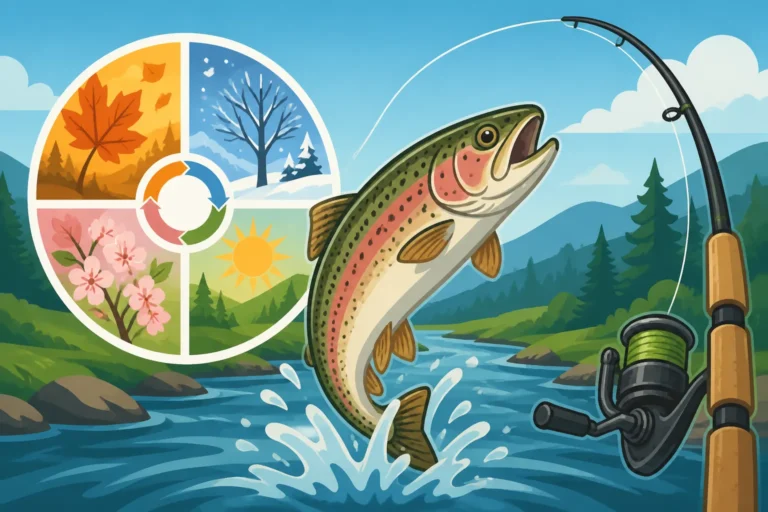
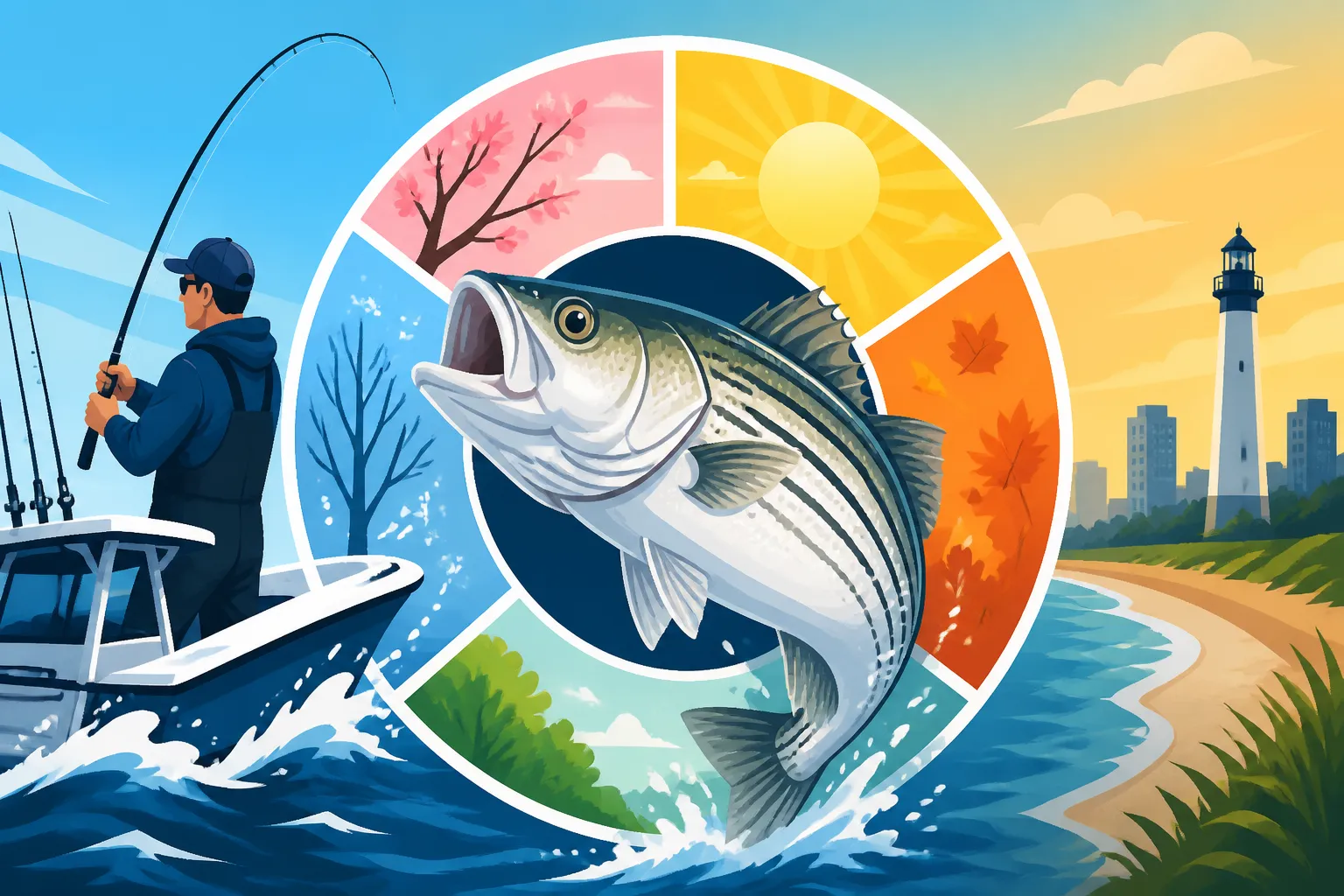
Virginia's striped bass season is famously (or infamously, depending on who you ask) a "split season." This means there isn't one continuous period where you can fish for stripers. Instead, the season is broken up into distinct windows, primarily to coincide with crucial migration patterns while also easing fishing pressure during spawning or vulnerable times. Imagine the sheer logistics of thousands of stripers migrating along the coast – these regulations are a critical tool to ensure sustainable fishing. Knowing these specific periods is the first step in understanding when Virginia Beach Striped Bass Charter Season Timing is at its best.
Typically, you'll find a winter/early spring season and a late spring/early summer season for recreational anglers, with specifics varying by year and sometimes even by specific body of water, like the Chesapeake Bay versus the Atlantic Ocean. Charters operate within these windows, offering guided trips when the fishing is legally open and the fish are most likely to be present. This split season model is a direct response to scientific data on fish populations, spawning habits, and migratory routes, aiming to balance angler opportunity with conservation needs. It's a dynamic system, so staying informed is key.
Tidal vs. Coastal Waters Regulations
Adding another layer of complexity, Virginia’s fishing regulations can actually differ between tidal rivers (like the James, York, or Rappahannock, which feed into the Chesapeake Bay) and the open coastal waters off Virginia Beach. For charter operations specifically targeting the ocean and lower Chesapeake Bay near Virginia Beach, the Virginia Striped Bass Split Season Dates Explained are primarily focused on the Atlantic migratory stock. This means what might be legal in the upper reaches of a river might not be legal offshore, and vice-versa, or the size and bag limits could differ.
Virginia's coastal waters are part of the larger Atlantic Striped Bass fishery management plan, which involves multiple states along the East Coast. This regional approach means that changes in regulations in states like Maryland or North Carolina can sometimes influence what happens here in Virginia. Charters operating out of Virginia Beach are hyper-aware of these nuances, as their livelihoods depend on adhering to the exact letter of the law. They'll always have the most up-to-date information on slot limits (the legal size range of fish you can keep) and bag limits (how many fish you can keep per person), which are crucial to a successful and legal trip. You definitely don't want to get a ticket for violating the Virginia Rockfish Slot Limit and Possession Rules.
Peak Striped Bass Charter Seasons in Virginia Beach
When you're looking to book a charter, you want to hit the prime windows when the fish are abundant and biting. For Virginia Beach, there are two distinct periods that anglers eagerly anticipate each year, offering different experiences but equally thrilling opportunities for connecting with powerful stripers.
The Exhilarating Fall/Winter Run
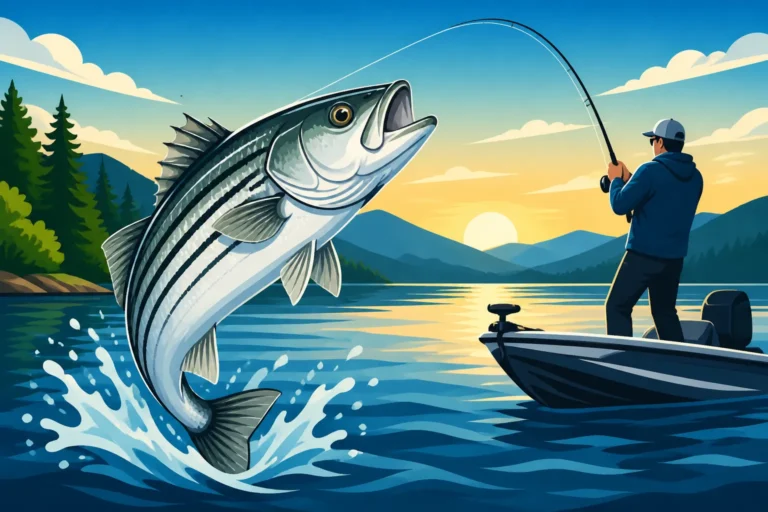
Without a doubt, the fall and early winter run is often considered the undisputed champion for Virginia Beach striped bass charters. This is when the large migratory striped bass, having spent their summer feasting in the cooler waters up north, begin their southward journey. As they pass by or funnel into the mouth of the Chesapeake Bay, they provide spectacular fishing opportunities. Imagine schools of rockfish stretching for miles, pushing baitfish to the surface – it's an exhilarating sight and even more thrilling to fish!
This period typically kicks off in late October or November and can run all the way through December and into January, depending on water temperatures and the specific year's migration. The fish are often fat and feisty, gorging themselves before colder waters settle in. Charters during this time are often fully booked, and for good reason. You'll often be targeting these fish by trolling large lures or live bait, or sometimes even casting into frenzies of feeding fish. This is the time when seasoned anglers truly shine, and a charter captain's experience can make all the difference in locating the big schools. If you're hoping for a true "trophy" striper, this is definitely your best bet.
The Productive Spring Window
While the fall/winter run gets a lot of glory, don't sleep on the spring! The spring season also offers fantastic opportunities for striped bass fishing from Virginia Beach, although the specifics can be a bit different. After the winter, a new wave of migratory stripers moves through, and local fish become more active as waters warm up. This season typically opens in May and can run into June, offering another window of opportunity before the summer closure.
During this spring period, you might find excellent fishing both offshore and closer to the Bay's mouth. The fish are often eager to feed as they recover from spawning or prepare for their northern migrations. You might encounter a mix of larger migratory fish and some resident fish that have spent the winter in the area. Charters during this time will employ similar techniques to the fall, focusing on trolling or live-lining bait. The weather can be more predictable than the choppy winter seas, making for a potentially more comfortable trip for some anglers. It's an excellent time for those who enjoy slightly milder conditions but still want to experience the thrill of a striper fight.
Navigating the Summer Closure
One of the most important things to understand about Virginia Striped Bass Season and Slot Limit Guide is the summer closure. For much of the summer, targeting striped bass in Virginia's coastal waters and lower Bay is generally prohibited. This closure is critical for the conservation of the species, allowing the fish to feed and recover without fishing pressure during warmer months when they can be more susceptible to stress. It's a necessary measure, but it does mean that if your vacation plans fall squarely in July or August, you'll need to adjust your expectations for stripers.
However, a "closure" for stripers doesn't mean fishing completely stops! Many Virginia Beach fishing charters pivot to other incredible species during the summer, offering trips for flounder, drum, cobia, or even offshore species like tuna and dolphin. So, while you won't be chasing stripers, you can still absolutely enjoy a productive and exciting day on the water. It just means planning your striped bass specific trip for those other prime windows. Always double-check the latest regulations with the Virginia Department of Wildlife Resources (DWR) or your chosen charter captain, as dates and rules can shift slightly year to year.
Factors Influencing Striped Bass Runs
Timing is everything, but it's not just about the calendar dates. Several environmental factors play a massive role in when and where striped bass will be found, and how aggressively they'll bite. A good charter captain in Virginia Beach is constantly monitoring these variables, making real-time decisions that can drastically affect your success on the water.
Water Temperature's Crucial Role
Ask any seasoned angler, and they'll tell you: water temperature is paramount for striped bass. These fish are cold-blooded, and their metabolism, feeding behavior, and migratory patterns are directly linked to the temperature of the water. Stripers generally prefer water temperatures between 50 and 68 degrees Fahrenheit (10-20 degrees Celsius).
In the fall, as northern waters cool, stripers move south, seeking that comfortable temperature range. When Virginia Beach waters hit that sweet spot, the fishing can explode. Conversely, in the spring, as waters warm up from their winter lows, the fish become more active, feeding heavily. If the water warms too quickly in the spring, or gets too cold too fast in the fall, it can speed up or slow down the migration, affecting when the fish arrive and depart the Virginia Beach area. A sudden cold snap can send them deeper or further south, while a prolonged warm spell might keep them around longer. This is why paying attention to sea surface temperature charts is a common obsession among serious striper anglers and charter captains alike.
Baitfish Migrations and Their Impact
Striped bass are predators, and like any good predator, they follow their food. The movements of baitfish are arguably the most significant driver of striped bass migrations. In the fall, huge schools of menhaden (bunker), spot, croaker, and even some mackerel or herring move along the coast and in and out of the Chesapeake Bay. Where these baitfish go, the stripers will follow, often pushing them to the surface in spectacular feeding frenzies known as "busts."
Virginia Beach is a prime location because it sits at the mouth of the Chesapeake Bay, a massive estuary that acts as a highway for both baitfish and the predators that feed on them. Charters will spend a lot of time looking for signs of bait on their sonar and even visually, watching for diving birds or surface disturbances that indicate a feeding event. No bait, no stripers – it's a fundamental truth of striper fishing. The abundance and health of these baitfish populations directly impact the quality and duration of the striped bass season in the area, a vital part of what makes the Chesapeake Bay such a world-class fishery.
Weather Patterns and Their Surprises
Beyond temperature, general weather patterns can significantly impact a striper trip. Strong winds, particularly out of the north or east, can make the ocean choppy, making it difficult and uncomfortable for fishing, sometimes leading to cancelled charters. A heavy rain can cause turbidity in the nearshore waters, which might put the fish off or make them harder to locate. Conversely, a stable period of mild weather can lead to predictable fishing patterns.
Barometric pressure changes, often associated with approaching or departing storm systems, can also influence fish behavior. Many anglers believe fish become more active before a front moves in and less so once it has passed and stabilized. While a good captain can navigate challenging weather to some extent, the sheer power of Mother Nature means that some days are just not ideal for heading out into the open ocean for stripers. Always be prepared for your trip by checking the forecast, and don't be surprised if your charter captain makes a call to reschedule for safety or better fishing conditions. Having a good rain jacket and proper foul-weather gear (you can find some great options on Amazon) is always a smart move for any trip on the water.
What to Expect on a Virginia Beach Striper Charter
Booking a fishing charter is an investment, and knowing what to expect can help you make the most of your day. Virginia Beach charters specialize in providing a full-service experience, aiming to put you on fish while ensuring a safe and enjoyable outing.
Typical Charter Operations and Inclusions
When you book a Virginia Beach Fishing Charters and Trip Costs excursion for stripers, you're not just renting a boat; you're hiring a seasoned professional with years of experience on these specific waters. Most charters will provide all the necessary fishing gear, including rods, reels, tackle, and bait. This is a huge convenience, especially for visitors who don't want to haul their own specialized equipment. You'll typically be fishing on a well-maintained, comfortable boat designed for offshore or bay fishing, equipped with state-of-the-art electronics like sonar, radar, and GPS to find fish and navigate safely.
The captain and crew will be your guides, teaching you techniques, helping with baiting, casting, and reeling in your catch. They’ll also handle the boat operation, navigation, and most importantly, finding the fish. Many charters also include the required fishing license for everyone on board, which is a fantastic perk since navigating individual license requirements can be a hassle. However, it's always wise to confirm this when booking. You won't have to worry about the logistics of obtaining your own Virginia Fishing License Guide if the charter provides it. After a successful day, the crew will often clean and bag your catch, making it ready for your cooler.
Rules and Regulations Onboard
Even though you're on a charter, you're still bound by Virginia's fishing regulations, which the captain enforces strictly. The most critical rules revolve around the striped bass slot limit (e.g., currently one fish per person between 28 and 31 inches) and bag limit (how many fish you can keep). The captain will make sure everyone understands these limits, as exceeding them can result in hefty fines for both the individual angler and the captain.
Respect for the boat, the crew, and fellow anglers is also paramount. Most charters have a "zero tolerance" policy for disruptive or unsafe behavior. Alcohol is often permitted in moderation, but hard liquor or excessive drinking is usually frowned upon or prohibited. Always ask about their specific policies beforehand. Safety is always the top priority, and captains will issue instructions for wearing life jackets when necessary or for moving around the boat, especially in rougher conditions. They are ultimately responsible for everyone's well-being.
Preparing for Your Trip
To make your Virginia Beach striped bass charter trip as enjoyable as possible, a little preparation goes a long way. Beyond confirming what the charter provides, you'll want to bring appropriate clothing. Layering is key, even on what seems like a warm day, as temperatures can change quickly on the water, and the wind chill can be significant. Think waterproof outerwear (a good quality rain jacket from, say, Columbia or even a more budget-friendly option on Amazon can be a lifesaver), non-slip shoes, and a hat.
Don't forget sun protection – sunglasses, sunscreen, and lip balm are essential, as the sun's reflection off the water can be intense. Pack plenty of water and snacks, and if you're prone to seasickness, consider taking medication like Dramamine or Bonine before you board the boat. A cooler with ice to take your cleaned fish home is also a good idea. Lastly, bring a camera to capture those memorable moments, but ensure it's protected from water.
Planning Your Virginia Beach Striped Bass Trip
A successful striper trip to Virginia Beach requires more than just showing up. Thoughtful planning can make the difference between a good trip and a truly unforgettable one.
Booking Ahead: Why It Matters
Because the prime striped bass charter seasons are relatively short and incredibly popular, booking your trip well in advance is absolutely critical. Reputable charter captains, especially those with a proven track record for finding fish, often have their calendars filled months in advance. This is especially true for those coveted weekend dates during the peak fall and spring runs. If you wait until the last minute, you might find yourself out of luck or settling for a less experienced captain.
When you're ready to book, reach out to several different charter operations. Don't be shy about asking questions about their experience, the type of boat they run, what's included, and their cancellation policies (especially important for weather-related issues). A good captain will be happy to answer all your questions and help you decide if their charter is the right fit for your group. Many offer online booking or at least a clear way to inquire about availability. Considering the popularity, reading reviews from previous customers can also provide valuable insight into what to expect.
Choosing the Right Charter and Trip Length
Virginia Beach offers a variety of charter options, so think about what kind of experience you're looking for. Are you hoping for a intense, full-day fishing expedition, or a more relaxed half-day outing? Consider the size of your group and their fishing experience levels. Some charters specialize in Family-Friendly Fishing Charters in Virginia, perfect for introducing kids to the sport, while others cater more to hardcore anglers seeking trophy fish.
When deciding between Half-Day vs Full-Day Fishing Charters in Virginia, consider the cost, your stamina, and how much time you want on the water. Half-day trips are typically 4-5 hours, while full-day trips can be 8 hours or more. Longer trips give captains more time to travel to distant fishing grounds and adapt to changing conditions, potentially increasing your chances of success. They also allow for deeper exploration of different fishing techniques and areas. Don't forget to clarify what species the charter targets during your chosen season, as some might offer mixed-bag trips that aren't solely focused on stripers.
Budgeting and Tipping Considerations
The cost of a Virginia Beach striped bass charter can vary widely depending on the boat, trip length, and time of year. Prices can range from several hundred dollars for a half-day trip to over a thousand for a full-day offshore excursion. It’s always a good idea to confirm the total cost upfront, including any fuel surcharges or extra fees. Don't forget to factor in the cost of food, drinks, and any specialized gear you might want to bring.
A crucial part of your budget should also be tipping the crew. Tipping is customary in the charter fishing industry, much like in a restaurant. A typical gratuity for a hardworking and attentive mate is 15-20% of the total charter cost. They work incredibly hard, from preparing the boat and gear to assisting you throughout the trip and cleaning your catch afterward. A generous tip is a great way to show your appreciation for their effort and expertise. Understanding Tipping Norms for Virginia Fishing Charter Crews ensures you're prepared and respectful of their service.
| Season/Period | Typical Months | Target Fish | Common Techniques | Notes |
|---|---|---|---|---|
| Fall/Winter Run | Late Oct – Jan (check specific dates annually) | Large Migratory Striped Bass (Rockfish) | Trolling (plugs, spoons), Live Bait (menhaden) | Peak season for trophy stripers. Cold weather gear essential. Popular, book well in advance. |
| Spring Window | May – June (check specific dates annually) | Migratory & Resident Striped Bass | Trolling (spoons, bucktails), Live Bait, Jigging | Good opportunities, often milder weather. |
| Summer Closure | July – August (check specific dates annually) | Striped Bass Prohibited | (Charters target other species: Flounder, Cobia, Drum) | No striped bass fishing allowed in coastal waters. Charters pivot to other game fish. |
Gear and Techniques for Virginia Beach Stripers
While your charter will provide the necessary gear, understanding the common lures, baits, and techniques used for striped bass can enhance your experience and even help you contribute to the day's success.
Common Lures and Baits
For striped bass in Virginia Beach, especially during the peak migratory runs, two categories of offerings tend to dominate: artificial lures and live bait.
Artificial Lures: Trolling is a hugely popular and effective method, and for this, a variety of lures come into play. Large diving plugs that mimic baitfish are excellent, often deployed in spreads with different colors and depths. Spoons, especially parachute rigs or umbrella rigs, are also incredibly effective, designed to imitate schools of baitfish. Think silver, chartreuse, or even darker patterns depending on water clarity and the captain's preference. Bucktail jigs, often tipped with a soft plastic or pork rind, are versatile and can be jigged vertically or cast and retrieved. These are often used when fish are closer to structure or bait is concentrated. Many anglers prefer to buy their favorite lures and tackle ahead of time on sites like Amazon to ensure they have specific colors or brands they trust.
Live Bait: When striped bass are finicky or during certain times of the season, live bait can be irresistible. Menhaden (bunker) are the undisputed kings of live bait for stripers. Charters will often have a livewell full of them, either caught fresh that morning or purchased. Live spot or croaker are also excellent options. The natural movement and scent of live bait can entice even the most cautious striped bass, making them a go-to choice for many captains aiming to secure a catch for their clients. Learning the nuances of Best Bait for Striped Bass in Chesapeake Bay can give you an edge.
Trolling vs. Live Lining Strategies
On a Virginia Beach striper charter, you'll primarily encounter two main fishing strategies: trolling and live lining.
Trolling: This is arguably the most common and effective method for covering large areas of water and enticing migratory striped bass, especially during the fall and spring runs. The boat moves slowly, dragging multiple lines with various lures or baits at different depths and distances behind the boat. This creates a "spread" that imitates a school of baitfish, making it easier for stripers to find and strike. Captains are masters at setting up a trolling spread, knowing exactly what speeds, depths, and lure combinations work best on a given day. They'll adjust based on current, wind, and where they see fish on their sonar. It's a method that often leads to multiple hookups, creating exciting chaos on deck! For those interested in the details, learning How to Troll for Striped Bass in Deep Water can be a fascinating study.
Live Lining: When stripers are holding in specific areas, perhaps around structure or over a dense school of baitfish, live lining becomes the preferred method. This involves suspending a live baitfish, often a menhaden, on a hook with minimal weight, allowing it to swim naturally in the water column. The live bait's erratic movements and scent are a powerful attractant. Anglers will often hold their rod, feeling for that tell-tale tap-tap before a solid strike. It’s a more active, hands-on fishing style than trolling, offering a direct connection to the fish. Both methods have their time and place, and a good charter captain will switch between them based on what the fish are telling them.
Essential Angler Gear Beyond the Rod
Even though the charter provides the core fishing equipment, there's certain personal gear that can significantly improve your comfort and overall experience. Beyond the layers of clothing and sun protection already mentioned, consider a good pair of polarized sunglasses. These aren't just for comfort; they cut glare off the water, allowing you to see baitfish, fish breaks, or even the fish itself, which can be invaluable.
A durable, waterproof bag or backpack is also a smart choice for keeping your personal items dry. A small, personal first-aid kit with any essential medications you might need (like allergy meds or motion sickness remedies) is always a good idea, though charters will have their own emergency supplies. Lastly, while the charter provides equipment, some anglers prefer to bring their own lucky fishing hat or a comfortable fishing glove for better grip and protection. Remember, comfortable anglers are happy anglers, and happy anglers often catch more fish!
Disclaimer
Please remember that fishing regulations, seasons, and limits are subject to change. Always consult the latest rules and regulations published by the Virginia Department of Wildlife Resources (DWR) or directly with your chosen fishing charter captain before planning your trip. This guide is for informational purposes only and does not constitute legal advice.