Best Fishing Spots Open Year-Round in Virginia
It's incredibly frustrating when you've got that itch to cast a line, only to realize your favorite fishing hole is closed for the season, iced over, or just not producing. Many anglers in Virginia face the challenge of finding prime spots that remain productive and accessible outside of specific seasonal windows. It can feel like a guessing game trying to plan a spontaneous fishing trip when the weather shifts. This comprehensive guide is here to take the guesswork out of it, revealing the best fishing spots across Virginia that welcome anglers year-round, ensuring you can always find a fruitful line in the water, no matter the calendar date.
Understanding Year-Round Fishing Opportunities in Virginia
Fishing isn't just a fair-weather activity, even though some might think so! While many popular spots or specific species have distinct seasons due to spawning cycles, water temperature fluctuations, or regulatory needs, Virginia is blessed with a wealth of waterways that offer fantastic angling opportunities throughout all four seasons. The key is understanding why some locations remain viable and adapting your approach.
Why Some Spots Are Seasonal and Others Aren't
Think about trout streams, for instance. Many wild trout streams in the mountains have specific seasons, often closing during the coldest winter months or hottest summer days to protect vulnerable fish populations. Similarly, popular migratory species like striped bass have very specific windows for legal harvest in the Chesapeake Bay or along the coast, influenced by their migration patterns and conservation efforts. These regulations are in place for a good reason – to ensure sustainable fishing for generations to come. You can always refer to the official Virginia Fishing Regulations Explained for the latest updates.
On the other hand, certain lakes, large river systems, and even some coastal areas possess characteristics that make them incredibly resilient and productive year-round. Deep water reservoirs, for example, can maintain more stable temperatures, providing thermal refuges for fish during extreme heat or cold. Diverse ecosystems that support a variety of forage and fish species also tend to offer more consistent action. Furthermore, some fish, like catfish or various panfish, are simply less affected by seasonal changes than others, making them reliable targets throughout the year.
The Beauty of Consistent Access
Having go-to spots that are open year-round offers more than just the ability to scratch that fishing itch whenever it arises. It provides a fantastic opportunity for skill development, allowing you to learn how fish behave in different conditions and practice various techniques. For many, fishing is a stress reliever, and knowing you can always find a peaceful spot to cast a line is a huge mental health boost. There's a unique satisfaction in landing a fish on a crisp winter morning or a balmy summer night, proving that dedicated anglers can find success anytime. It transforms fishing from a seasonal hobby into a consistent lifestyle pursuit.
What Makes a Spot "Year-Round" Viable
A truly year-round fishing spot usually boasts a few key characteristics. First, it often has diverse habitat, including deep channels, submerged structure, shallow flats, and ample vegetation, allowing fish to move and find comfort zones as conditions change. Second, it supports a mix of species, ensuring that if one species is slow, another might be biting. For instance, while bass might be sluggish in winter, catfish or crappie could still be active. Third, consistent water levels and quality are crucial, preventing areas from becoming unfishable due to drought or flooding. Finally, easy public access like boat ramps, fishing piers, or ample bank access ensures you can reach the water whenever you please.
Top Freshwater Havens for Year-Round Angling
Virginia's freshwater landscape is dotted with incredible reservoirs and lakes that truly shine as year-round fishing destinations. These aren't just summer hotspots; they offer consistent action if you know where to look and what to target.
Smith Mountain Lake
Nestled in the Blue Ridge Mountains, Smith Mountain Lake isn't just one of Virginia's largest lakes; it's a genuine year-round fishing paradise. Known for its clear waters and staggering depths, this lake provides ample thermal refuge for fish, making it productive even during the extremes of summer and winter. Many anglers consider it one of the Best Fishing Spots in Virginia.
Throughout the year, you'll find incredible opportunities for striped bass. These powerful fish thrive in Smith Mountain Lake's deep, cool waters, making it one of the premier freshwater striper fisheries on the East Coast. In cooler months, stripers often school up in open water, making them a prime target for trolling or jigging. As temperatures rise, they'll seek out deeper, cooler sections of the lake. If you're new to the area or targeting specific species, finding a local guide through platforms like FishingBooker can be invaluable for understanding seasonal patterns.
Beyond stripers, Smith Mountain Lake also boasts an exceptional largemouth and smallmouth bass fishery. While their activity levels certainly fluctuate with water temperature, skilled anglers can find them year-round. In winter, bass often retreat to deep structure and slow down their feeding, requiring finesse techniques. Come spring, they move shallower for the spawn, and in summer, they'll feed early and late in the day or hold to deep cover. Don't forget the crappie here either! These panfish are abundant and can be caught year-round, often found around brush piles and docks, especially in the cooler months when they school tightly.
Lake Anna
Another fantastic multi-species lake offering consistent action is Lake Anna, located in central Virginia. This massive impoundment is unique because of its two distinct sections: the "cold side" and the "hot side" (the warm water discharge from the North Anna Nuclear Generating Station). This thermal difference creates fascinating year-round patterns for fish and anglers alike.
The "cold side" of Lake Anna provides excellent habitat for largemouth bass, which can be found across varying depths and structures throughout the year. In winter, they'll hug deep creek channels and points, while spring sees them move to shallower coves for spawning. The "hot side," warmed by the power plant's discharge, creates a unique microclimate where fish remain active even in the coldest months. This can be a game-changer when other lakes are slow. Here, you'll often find active striped bass and catfish even in December or January, drawn to the warmer water.
Lake Anna is also renowned for its striped bass fishery, which benefits significantly from the power plant's warm water discharge. These stripers can be caught year-round, moving between the lake's two sides depending on the season and their feeding patterns. Anglers often find success jigging or trolling for them. Additionally, crappie and a variety of catfish species (channel, blue, flathead) are abundant and provide consistent action throughout the year, often congregating around submerged timber, rock piles, or deep holes. Whether you're targeting Best Largemouth Bass Coves on Lake Anna, Virginia or trying your hand at catfish, Lake Anna has you covered.
Claytor Lake
Down in Southwest Virginia, Claytor Lake offers a picturesque setting and incredibly diverse fishing that keeps anglers coming back year-round. This deep, clear lake is part of the New River system and boasts an impressive array of species that remain active even when other waters might slow down. It’s definitely one of the Top Fishing Lakes in Virginia.
Claytor Lake is a multi-species gem, featuring largemouth, smallmouth, spotted, and even Alabama bass. This unique combination means you can target different bass species throughout the year as their activity levels and preferred habitats shift. In cooler months, anglers often find success jigging deep structure for sluggish smallmouth or spotted bass. The lake's deep channels and abundant rocky points offer excellent habitat. When spring arrives, the shallower coves burst with bass activity, and as summer heat sets in, the fish retreat to deeper, cooler waters, often near baitfish schools.
What truly makes Claytor Lake a standout year-round destination, however, are its thriving populations of walleye and catfish. Walleye, known for their elusive nature and delicious fillets, are active even in colder water, making winter and early spring prime times to target them, often by jigging or slow trolling with live bait. The lake's robust flathead and channel catfish populations provide consistent action throughout all seasons. Flatheads, in particular, are powerful, predatory fish that grow to impressive sizes here, often targeted with live bait in deep holes and around structure. Many local guides listed on FishingBooker specialize in these species, offering valuable insights into their year-round habits. You can also explore Claytor Lake Fishing Spots and Tips for more specific advice.
Reliable Saltwater Destinations for Any Season
While many think of saltwater fishing as a summer pursuit, Virginia's coastal waters and extensive estuarine systems offer fantastic opportunities throughout the entire year, provided you know which species to target and where to find them.
Chesapeake Bay Tributaries
The vast Chesapeake Bay, with its intricate network of tidal rivers and creeks, is a year-round powerhouse for a variety of species. While the main Bay might see seasonal migrations of trophy fish like striped bass (often called "rockfish" locally), its tributaries consistently hold fish that are accessible pretty much any day of the year.
Rivers like the James, York, Rappahannock, and Potomac are prime examples. Here, you can consistently find white perch and various catfish species (especially channel and blue catfish) thriving even in the dead of winter. White perch are scrappy, delicious panfish that school up in deeper channels during colder months, making them a fun and reliable target. Catfish, particularly the massive blue catfish, are incredibly resilient and active year-round, often found in deep holes or along river bends. They provide incredible sport and can reach impressive sizes.
During the cooler parts of the year, anglers can also sometimes find striped bass in the tributaries, especially smaller "resident" fish that don't migrate far into the ocean. While the harvest seasons for larger migratory striped bass are specific (check Virginia Striped Bass Season and Slot Limit Guide), resident fish can provide catch-and-release action. These tributaries offer excellent bank fishing, pier fishing, and boat access, making them incredibly versatile.
Virginia Beach Piers and Inshore Waters
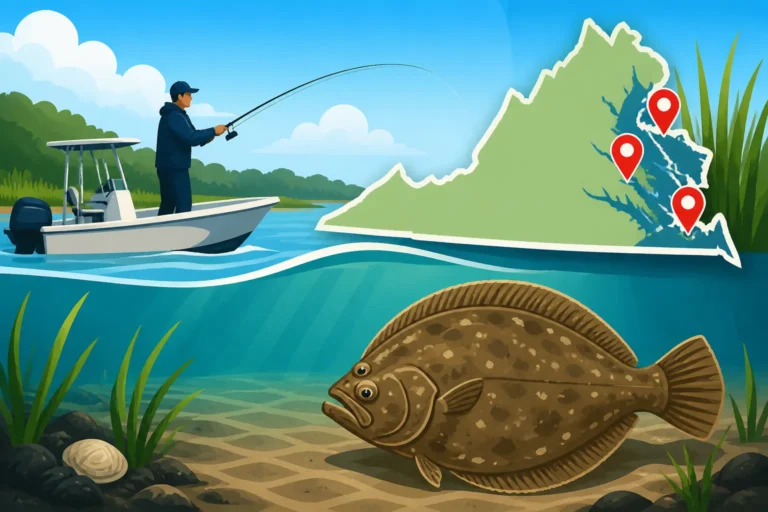
Virginia Beach isn't just a summer vacation spot; its piers and inshore waters provide consistent fishing action across all seasons, especially for anglers seeking accessible, close-to-shore opportunities. The municipal piers, like the Virginia Beach Fishing Pier, are often open year-round, or at least for extended seasons, offering a unique platform to fish without a boat.
In the colder months, species like tautog and various drum species (like black drum) can be targeted from piers and inshore boats. Tautog are notoriously strong fighters that prefer rocky structure, which is abundant around jetties and pier pilings. During warmer parts of the year, you'll find a wider variety, including croaker, spot, flounder, and even some small bluefish. While specific species peak at different times, there's almost always something biting.
The inshore wrecks and reefs off Virginia Beach also hold fish year-round. While offshore charter fishing might be weather-dependent, closer-to-shore trips can often be made on milder winter days for species like sea bass or even the occasional flounder. For exploring the vastness of the Chesapeake Bay year-round, or finding a specific inshore wreck, consider checking FishingBooker for experienced captains who know these waters intimately, regardless of the season. Knowing the local species and regulations, as detailed in the Virginia Fishing Regulations Explained, is crucial for success here.
Coastal State Parks and Access Points
Virginia's coastal state parks and numerous public access points provide fantastic opportunities for year-round fishing, often with excellent amenities. Places like First Landing State Park or Grandview Nature Preserve offer access to bayside fishing, while others provide surf fishing opportunities.
Surf fishing can be a surprisingly good year-round option. While the famous drum runs are seasonal, anglers can consistently catch skates and dogfish in the colder months, which, though not table fare, offer plenty of fight and keep your rod bent. As temperatures warm, croaker, spot, and flounder become more prevalent. The key is to be prepared for the elements and understand the tides.
Many of these coastal access points also provide calmer water fishing in tidal creeks and protected bays where white perch and small striped bass can be found. These areas are often more sheltered from strong winds, making them viable on days when the oceanfront might be too rough. The variety of access, from sandy beaches to marshy creeks, means there's always a different fishing experience to be had, regardless of the season.
River Systems That Keep Giving Throughout the Year
Beyond the big lakes and coastal areas, Virginia's river systems are a phenomenal resource for year-round fishing. These flowing waters offer dynamic environments where fish move and feed in fascinating ways through every season.
James River
The mighty James River, flowing from the Appalachian Mountains to the Chesapeake Bay, is an absolute superstar for year-round fishing. Its sheer length and diversity of habitat mean that you can find productive angling opportunities across its many sections, from its freshwater upper reaches to its tidal saltwater-influenced lower sections.
In the freshwater stretches, particularly above Richmond, the James is famous for its smallmouth bass fishing. While winter can slow them down, they can still be caught with finesse techniques in deeper pools. Spring and fall see explosive action, and even in summer, early morning or late evening trips can yield great results. Further downstream, as the river becomes tidal and brackish, the focus shifts to largemouth bass and, most notably, the colossal blue catfish. The James River is home to some of the largest blue catfish on the East Coast, and these powerful bottom-dwellers are active and hungry year-round, providing thrilling battles regardless of the weather.
Additionally, white perch are abundant in the tidal sections, schooling up in deep channels during cooler months and spreading out onto flats as temperatures rise. During the spring, the James also hosts a fantastic shad run, adding another seasonal but predictable species to the mix. With countless public boat ramps and excellent bank access, especially around Richmond, the James River ensures that anglers always have a place to cast. For more in-depth information, check out our guide on Fishing the James River in Virginia.
Shenandoah River
For those who prefer the tranquility of mountain rivers, the Shenandoah River, particularly its North and South Forks, offers outstanding year-round fishing, primarily for smallmouth bass and trout. This river system is famed for its scenic beauty and productive waters.
While spring, summer, and fall are prime for wading or floating for smallmouth bass, these feisty fish can still be caught in winter, often holding in deeper pools and feeding on crawfish or minnows. Winter fishing for smallmouth requires a slower, more deliberate approach, often with jigs or suspend baits. Many anglers find the quiet, uncrowded winter days on the Shenandoah to be incredibly rewarding.
Furthermore, certain sections of the Shenandoah's tributaries, and even some stretches of the main river, are managed as stocked trout waters or support wild trout populations. While Virginia Stocked Trout Season Guide indicates specific times for stocking and harvest, many wild trout streams remain open year-round for catch-and-release fishing, offering a cold-weather fly-fishing challenge. Always double-check specific section regulations, as trout rules can vary. The diverse ecosystem ensures that whether you're targeting smallmouth with artificials or trout with flies, the Shenandoah always has something to offer. Exploring Fishing the Shenandoah River in Virginia can provide more detailed insights.
Rappahannock River
The Rappahannock River, another major tributary to the Chesapeake Bay, mirrors the James in its year-round appeal, transitioning from a freshwater stream in its upper reaches to a broad tidal estuary. This river provides consistent opportunities for a variety of species throughout all seasons.
In its upper to middle freshwater sections, the Rappahannock offers excellent smallmouth and largemouth bass fishing. Similar to the Shenandoah, winter bass fishing here involves targeting deeper pools and slower presentations. As you move downstream into the tidal waters, the river becomes a hotspot for blue and channel catfish, which are incredibly active all year. The Rappahannock is known for producing massive blue catfish, particularly in the stretches around Fredericksburg, making it a prime destination for dedicated catfishing enthusiasts. Using cut bait on the bottom is a reliable technique here, regardless of the season.
Beyond catfish, the tidal Rappahannock also boasts strong populations of white perch, providing reliable action, especially during the colder months when they school tightly. Additionally, during the spring, the river experiences an incredible herring and shad run, drawing in other predatory fish, though these are seasonal. With ample public boat ramps and numerous bank fishing spots along its course, the Rappahannock ensures that anglers have access to productive waters throughout the entire year. For those planning a trip, considering a guide found on FishingBooker can offer local expertise, especially for targeting specific species or navigating challenging conditions.
Seasonal Fishing Spot Comparison
To help you visualize the year-round potential of these spots, here's a quick comparison of some key destinations:
| Fishing Spot | Primary Target Species (Year-Round) | Best Seasonal Targets | Primary Access Types |
|---|---|---|---|
| Smith Mountain Lake | Striped Bass, Largemouth/Smallmouth Bass, Crappie | Trophy Largemouth (Spring), Deep Stripers (Winter) | Boat, Shore, Guide |
| Lake Anna | Largemouth Bass, Striped Bass, Catfish, Crappie | "Hot Side" Stripers/Catfish (Winter) | Boat, Shore, Guide |
| Claytor Lake | Largemouth/Smallmouth/Spotted Bass, Walleye, Catfish | Walleye (Winter/Early Spring), Flathead Catfish (Summer) | Boat, Shore, Pier, Guide |
| Chesapeake Bay Tribs | Blue/Channel Catfish, White Perch | Striped Bass (Spring/Fall, with specific regs), Shad (Spring) | Boat, Shore, Pier |
| Virginia Beach Inshore/Piers | Tautog, Skates, Dogfish, Small Flounder | Croaker/Spot (Summer), Red Drum (Seasonal) | Pier, Shore, Boat |
| James River | Blue Catfish, White Perch, Smallmouth Bass | Trophy Blue Catfish (All Year), Shad (Spring) | Boat, Shore |
| Shenandoah River | Smallmouth Bass, Wild Trout (C&R) | Smallmouth (Spring/Fall), Stocked Trout (Seasonal) | Wading, Kayak, Shore |
| Rappahannock River | Blue/Channel Catfish, Smallmouth Bass, White Perch | Trophy Blue Catfish (All Year), Shad (Spring) | Boat, Shore |
This table highlights that while all these spots offer year-round possibilities, some species will be more active or easier to target during certain seasons. Flexibility and adapting your techniques are key to consistent success. Don't forget, you'll need a Virginia Fishing License Guide no matter where or when you decide to fish.
Disclaimer
The information provided in this guide is for general informational purposes only and does not constitute legal or professional advice. Fishing regulations and conditions in Virginia can change frequently. Always consult the most current regulations from the Virginia Department of Wildlife Resources (DWR) before planning any fishing trip. Adherence to all local, state, and federal laws is the sole responsibility of the angler.