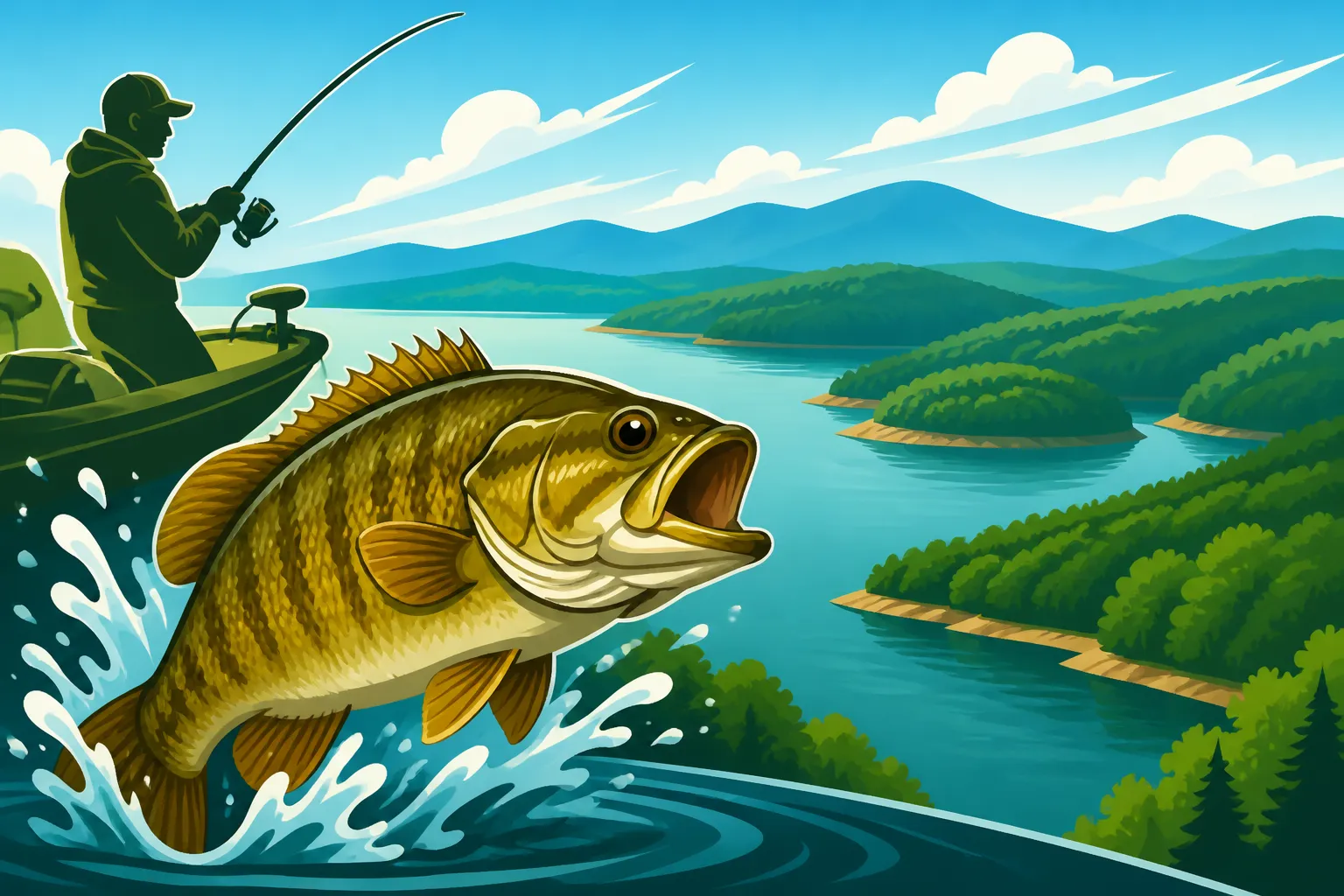
Best Smallmouth Bass Spots on South Holston Lake, Virginia
South Holston Lake, nestled in the scenic Appalachian Highlands of Virginia, is a true gem for anglers, yet it can feel like an overwhelming expanse when you're specifically targeting its renowned smallmouth bass. These bronze beauties are famous for their feisty fights, but finding them in a large, clear reservoir can be a real challenge for even seasoned fishermen. This guide is designed to cut through that complexity, providing you with detailed insights into the best smallmouth bass spots on South Holston Lake, how to approach them, and the essential techniques to make your next trip a resounding success.
Understanding South Holston Lake's Unique Smallmouth Habitat
South Holston Lake isn't just any body of water; its specific characteristics make it a premier smallmouth fishery. Understanding these nuances is the first step to consistently finding and catching these exciting fish.
Lake Characteristics and Water Conditions
South Holston is a TVA reservoir, meaning it's a deep, clear impoundment with a rocky bottom composition and a substantial amount of standing timber in certain areas. This geology creates ideal conditions for smallmouth bass, which thrive in cooler, oxygen-rich waters with plenty of rocky structure for cover and ambush points. The lake's clear water, often offering visibility down to 10-15 feet, means that smallmouth can be skittish and require a more stealthy approach or longer casts.
The reservoir's depth plays a huge role in where smallmouth hang out. While you'll find them shallow during certain times of the year, they frequently retreat to deeper humps, ledges, and channel swings, especially during warmer months or when fishing pressure is high. This constant vertical movement, influenced by water temperature, baitfish presence (like the abundant alewives), and light penetration, demands an angler's adaptability. The clearer water also impacts lure selection; natural colors and more subtle presentations often outperform flashy, aggressive baits, though there are always exceptions depending on the fish's mood.
Seasonal Movements of Smallmouth Bass
Smallmouth bass are creatures of habit, yet their habits shift dramatically with the seasons. Knowing these patterns is crucial for targeting them effectively on South Holston.
- Spring (Pre-Spawn & Spawn): As water temperatures climb into the 50s and low 60s, smallmouth begin their migration from deep wintering holes to shallower spawning grounds. During the pre-spawn, they'll often stage on secondary points, rocky humps, and gradual sloping banks near deeper water. This is a time when they feed aggressively to build energy. Once water temperatures hit the mid-60s, typically from April into early June, they move onto gravelly or rocky banks, often in protected coves or along main lake points, to spawn. Targeting these areas with jerkbaits, spinnerbaits, and soft plastics can be incredibly effective. Understanding these Spring Bass Fishing Patterns can significantly boost your success.
- Summer: Once the spawn is over, and water temperatures climb into the 70s and 80s, South Holston's smallmouth go deep. They'll relate to offshore structure like main lake points, deep humps, ledges, and channels. Look for baitfish schools, especially alewives, congregated in these deeper areas. This is prime time for vertical presentations like drop shots, jigging spoons, and deep-diving crankbaits. Early morning and late evening, they might push up to the surface to chase bait, offering exciting topwater action.
- Fall: As water temperatures cool down in autumn, smallmouth begin to move shallower again, following baitfish that are also moving into creek arms and shallower flats. This "fall feeding frenzy" can be some of the best fishing of the year. They'll aggressively strike a wide range of baits, from topwaters and crankbaits to swimbaits and jigs. Focus on main lake points, creek mouths, and steeper rocky banks. For more detailed insights, check out Fall Bass Fishing Patterns.
- Winter: During the coldest months, when water temperatures dip into the 40s, smallmouth retreat to their deep wintering holes. They'll often be found in the deepest parts of the lake, suspended over channels, or clinging to steep bluff walls and rock piles. Finesse techniques like slow-reeling a shaky head, working a blade bait, or vertical jigging can entice bites from these lethargic fish. While challenging, winter smallmouth can be some of the largest, as they conserve energy. Learn more about effective approaches with Winter Bass Fishing Techniques.
Prime Smallmouth Bass Hotspots on South Holston Lake
Knowing the seasonal movements is one thing, but pinpointing exact locations is where the magic happens. South Holston offers a variety of structures that smallmouth bass love, each requiring a slightly different approach.
Main Lake Points and Humps
These are arguably the most consistent producers of smallmouth bass on South Holston Lake throughout much of the year, especially during pre-spawn, post-spawn, and fall. Look for points that extend far out into the main lake, particularly those with a mix of rock, gravel, and some scattered timber or brush.
Smallmouth will often use the contours of these points to ambush baitfish. On a typical main lake point, you might find fish staging on the deeper side of the point during the day and moving up onto the shallower top or sides during low-light conditions. Offshore humps, which are underwater hills that rise from the bottom, are essentially isolated points and act as magnets for schooling smallmouth. These structures concentrate baitfish and provide excellent ambush cover. When fishing these areas, start by throwing topwater baits or jerkbaits on the shallower sections early in the morning. As the sun gets higher, transition to drop shots, Ned rigs, or football jigs fished slowly down the slope and around any deeper cover. Pay close attention to your electronics to spot baitfish schools or individual fish relating to the structure.
Creek Arms and Tributary Mouths
While South Holston is known for its clear, deep main lake, the mouths and lower sections of its creek arms, such as Beaver Creek and Big Creek, offer different opportunities, particularly during spring and fall. These areas tend to warm up faster in the spring, attracting baitfish and then hungry smallmouth looking to spawn. In the fall, baitfish push into these creeks as water temperatures cool, and smallmouth follow closely behind.
Focus your efforts on the points and channel swings within these creek mouths. Look for transition areas where the bottom changes from mud to rock, or where there's submerged timber. These can be fantastic spots for throwing spinnerbaits, crankbaits, or swimbaits to cover water and locate active fish. During the spawn, investigate the shallower, gravelly banks inside these creeks, where smallmouth will build their nests. Even in the depths of winter, deeper creek channels can hold inactive fish. These areas can sometimes be less pressured than main lake spots, offering a more peaceful angling experience. Some of the Best Remote Fishing Coves on South Holston Lake might be found tucked away in these lesser-known creek areas.
Deep Water Structure and Offshore Fishing
Given South Holston's clarity and depth, smallmouth bass frequently suspend or relate to deep water structure, especially during summer and winter. This offshore game requires good electronics and patience, but it can yield some truly massive smallmouth. Look for deep ledges, humps that top out at 20-40 feet, and the original river channel itself.
These are the domains of vertical jigging, deep-diving crankbaits, and especially drop shot rigs. Alewives, a key forage species, often suspend in the water column, and smallmouth will follow. Your fish finder becomes your best friend here, helping you locate schools of bait and the predatory smallmouth lurking beneath or within them. Once you mark fish, position your boat directly over them or slightly upwind/upcurrent and present your bait vertically. Blade baits and jigging spoons can also be highly effective when fish are suspended and aggressive. Don't be afraid to experiment with different depths; sometimes fish will be just off the bottom, and other times they might be suspended 10-20 feet below the surface in 50 feet of water.
Essential Techniques and Lures for South Holston Smallmouth
Smallmouth bass are notorious for their varied preferences, but a few key techniques and lure choices will serve you well on South Holston Lake.
Topwater and Reaction Baits
There's nothing quite like a smallmouth blowing up on a topwater lure, and South Holston offers excellent opportunities for this thrilling technique, especially during low-light conditions (dawn, dusk, or overcast days) or during the fall feeding frenzy.
- Topwater Lures: Walk-the-dog baits like a Heddon Super Spook Jr. or a Zara Spook, poppers such as the Rebel Pop-R, and prop baits can all draw explosive strikes. Cast these lures over shallow points, along rocky banks, or near submerged cover early in the morning. A steady "walk-the-dog" retrieve or a pop-and-pause action for poppers often works best. The clear water here means a more subtle, natural presentation can often outfish an overly aggressive one.
- Jerkbaits: For suspended fish or those chasing bait, jerkbaits are indispensable. Brands like Rapala (their X-Rap) or Megabass (Vision 110) are popular choices. Retrieve them with a "twitch-twitch-pause" cadence, allowing the lure to suspend tantalizingly in the water column. This erratic action mimics a wounded baitfish and can trigger vicious strikes, especially in cooler water or when fish are holding just off structure.
- Spinnerbaits and Crankbaits: While often associated with largemouth, smallmouth will crush spinnerbaits (especially tandem willow leaf blades in clearer water) and crankbaits, particularly during the pre-spawn and fall. Medium-diving crankbaits that mimic alewives (silver, chrome, or natural baitfish patterns) can be extremely effective when bounced off rocky points and ledges.
Finesse Techniques for Tricky Conditions
Given South Holston's clear water and often pressured smallmouth, finesse techniques are not just an option—they're often a necessity, especially when the bite gets tough or fish are deep.
- Drop Shot Rig: This is perhaps the most versatile finesse rig for smallmouth. It allows you to present a soft plastic bait (like a Gulp! Minnow, a small straight-tail worm, or a small tube bait) precisely at the depth where fish are holding, while your weight maintains bottom contact. This is devastating for suspended fish, fish on deep humps, or those relating to vertical structure. The key is minimal movement; let the boat's slight rocking impart action to the bait.
- Ned Rig: The Ned rig, a small mushroom-head jig paired with a short, buoyant soft plastic, has taken the fishing world by storm, and for good reason. It's incredibly effective for smallmouth, particularly on clearer, rocky bottom lakes. The bait stands up off the bottom, creating a subtle, irresistible presentation. Cast it out, let it sink, and retrieve it with short hops or a slow drag. This simple rig is especially potent on heavily fished areas or when fish are lethargic.
- Shaky Head: A worm rigged on a shaky head jig is another smallmouth staple. It offers a subtle, natural presentation that's hard for wary smallmouth to resist. Target rocky transitions, points, and sparse cover. A slow drag-and-shake retrieve, letting the worm flutter and undulate, is often all it takes.
Live Bait and Trolling Strategies
While artificial lures dominate the smallmouth scene, don't underestimate the power of live bait, and in a lake as large as South Holston, trolling can be a highly effective search pattern.
- Live Bait: Alewives, shiners, or even small creek chubs can be absolute dynamite for smallmouth, especially when they're finicky or deep. Rig them on a simple hook and split shot, or a drop shot rig, and present them near known smallmouth hangouts. The natural scent and action of live bait can trigger bites when nothing else will. Keep in mind local regulations regarding live bait use.
- Trolling: For covering vast amounts of water and locating schools of actively feeding smallmouth, especially suspended fish, trolling can be very efficient. Use crankbaits designed to reach specific depths, or umbrella rigs mimicking a school of baitfish. Pay close attention to your electronics while trolling; when you mark fish or get a strike, you can then switch to casting techniques to thoroughly work the area. This method is particularly useful for finding those elusive schools of fish suspended over deep structure.
Planning Your Smallmouth Fishing Trip to South Holston
A successful trip is more than just knowing where to cast; it's also about practical planning and leveraging local expertise.
Access Points and Facilities
South Holston Lake offers several public access points managed by the TVA and local authorities, providing boat ramps and parking. Popular ramps include Observation Knob Park Boat Ramp, Avens Boat Ramp, and Little Oak Campground Boat Ramp. These offer good starting points to explore various parts of the lake. Before you head out, make sure to check the specific amenities at each ramp, like restrooms or docking facilities, and always review any relevant TVA regulations for lake use. If you need details on getting your boat in the water, a guide like Boat Ramps on South Holston Lake for Fishing Access can be very helpful.
Remember, a Virginia Fishing License Guide is essential before you even think about wetting a line. You can often purchase these online through the Virginia Department of Wildlife Resources (DWR) website or from authorized vendors in the area. Make sure you have the correct type of license for freshwater fishing.
Hiring a Local Guide
If you're still feeling overwhelmed by the sheer size of South Holston, or if you want to fast-track your learning curve and increase your chances of a trophy smallmouth, consider booking a trip with a local guide. These professionals spend countless hours on the water and possess an intimate knowledge of current fish patterns, bait movements, and the most productive hotspots. They can teach you techniques specific to the lake and save you valuable time searching.
Many excellent guides specializing in smallmouth bass on South Holston Lake can be found through platforms like FishingBooker. Using a service like FishingBooker allows you to browse guides, read reviews from other anglers, and book directly, often with all the necessary gear provided. This is especially beneficial if you're new to the lake or fishing in general. They'll have top-notch equipment, live bait (if desired), and the latest intel on where the fish are biting. To learn more about how to choose the right professional, check out What to Look for When Booking a Virginia Fishing Charter. For a broader overview of finding guided trips, the article Virginia Fishing Charters and Guides: The Complete Guide is also an excellent resource, and it can explain How to Book a Fishing Charter in Virginia step-by-step. A good guide isn't just a boat driver; they're a teacher and a partner in your fishing adventure, providing invaluable insights that can make your trip truly unforgettable.
South Holston Lake Smallmouth Bass Hotspots & Techniques Summary
| Spot Type | Key Features | Best Seasons | Primary Techniques & Lures |
|---|---|---|---|
| Main Lake Points | Rocky outcrops, gravel, deep water access | All seasons | Drop Shot, Ned Rig, Jerkbaits, Topwater (dawn/dusk), Football Jigs |
| Offshore Humps | Submerged hills, isolated deep structure | Summer, Winter | Drop Shot, Jigging Spoons, Blade Baits, Deep-diving Crankbaits |
| Creek Mouths | Beaver Creek, Big Creek junctions, channel swings | Spring, Fall | Spinnerbaits, Crankbaits, Swimbaits, Soft Plastics (spawn) |
| Deep Bluff Walls | Vertical rock faces, sudden depth changes | Summer, Winter | Drop Shot (vertical), Blade Baits, Finesse Jigs |
| Spawning Flats | Gravelly, shallow banks in coves or points | Spring (April-June) | Jerkbaits, Spinnerbaits, Tube Baits, Wacky Worms |
| Standing Timber/Brush | Submerged wood cover on deeper edges | All seasons | Jigging (football/flipping), Texas-rigged Worms, Drop Shot |
Disclaimer
Fishing conditions and regulations in Virginia can change rapidly. Always consult the latest Virginia Department of Wildlife Resources (DWR) regulations before your trip. This guide is for informational purposes only and does not constitute official fishing advice.