Virginia’s Best Panfish Fishing Spots
It can feel like a real treasure hunt trying to pinpoint those perfect spots where you can consistently reel in a good mess of panfish. Sometimes, you just want a relaxing day on the water, maybe with the kids, without the pressure of chasing a trophy bass, but finding those reliable honey holes for bluegill, crappie, or perch can be tougher than it sounds. This guide is all about sharing those cherished locations across Virginia where you can find excellent panfishing opportunities, ensuring you spend less time searching and more time enjoying the tug on your line.
Understanding Virginia's Panfish Diversity
Before we dive into the specific locations, let's take a moment to appreciate the variety of panfish that call Virginia home. Many anglers lump them all together, but each species has its own quirks and preferences, which can make a big difference in how and where you target them. Knowing what you're looking for can really improve your success rate and add a layer of enjoyment to your outing.
Common Panfish Species in Virginia
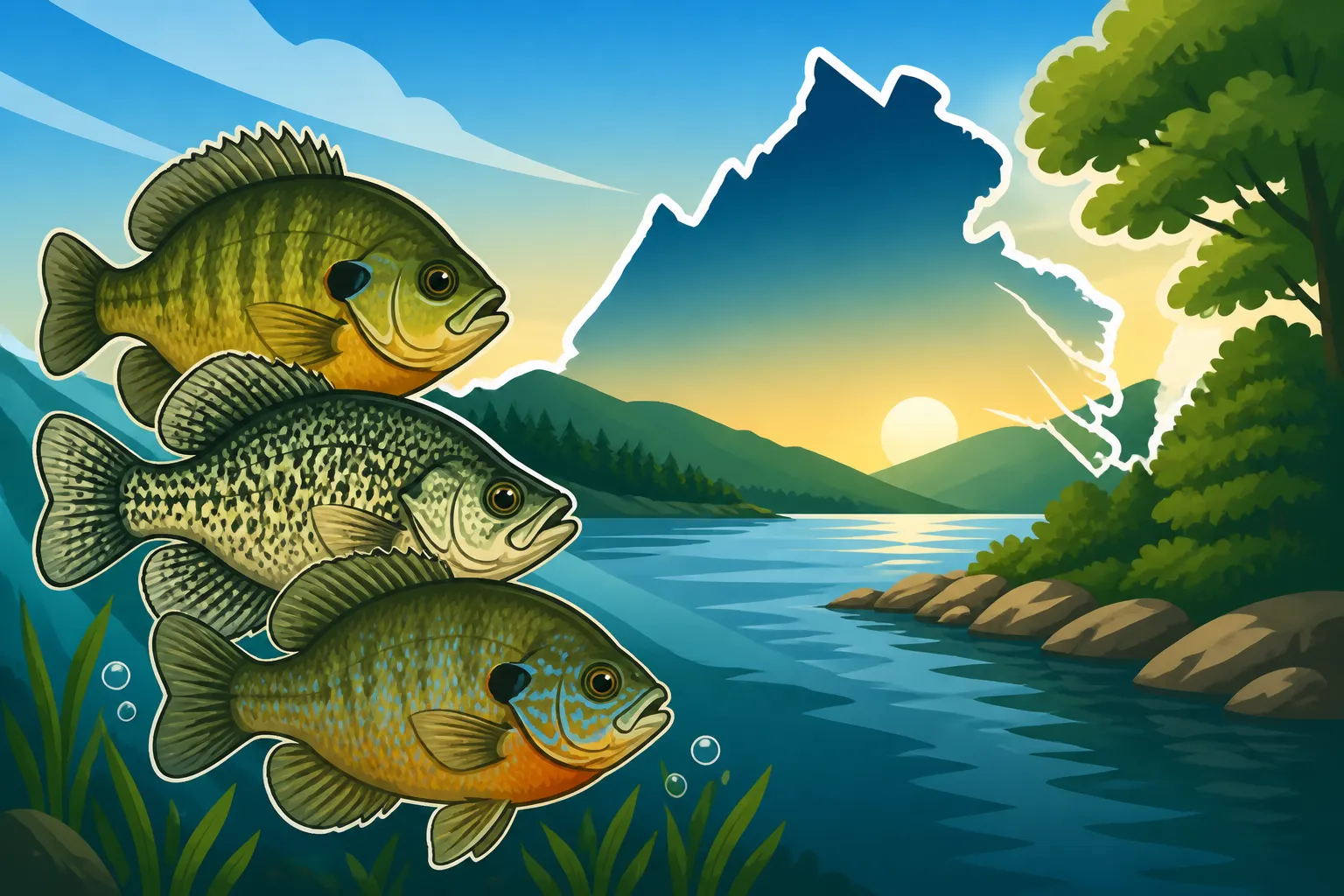
Virginia boasts a fantastic array of panfish, each offering its own unique fishing experience. From the feisty bluegill to the schooling crappie, there's a panfish for every angler and every season. Understanding their habits is the first step to finding them.
- Bluegill: These little fighters are probably the most recognized panfish. They're typically found in clear, shallow waters, often near structure like fallen trees, lily pads, or docks. Bluegill are incredibly aggressive and will hit a wide variety of baits, making them perfect for beginners and seasoned anglers alike. You’ll often find them guarding their nests in late spring and early summer, making them particularly easy to catch then. For tips on how to catch these guys, check out our guide on Bream and Bluegill Fishing for Beginners.
- Crappie (Black and White): Crappie are a real favorite for their delicious table fare and their tendency to school up, meaning if you find one, you're likely to find many. Black crappie prefer clearer, cooler water with more vegetation, while white crappie tolerate murkier, warmer conditions and are often found in larger, more turbid rivers and impoundments. Both species love brush piles, submerged timber, and bridge pilings. You can learn more about finding them in our Crappie Fishing Techniques for Beginners guide.
- Yellow Perch: Distinguished by their distinctive vertical stripes, yellow perch are a cool-water species often found in the same habitats as crappie, particularly in larger lakes and reservoirs. They tend to congregate in schools, making for fast-paced action once you locate them. They're particularly active in colder months.
- White Perch: Often confused with yellow perch, white perch are more silvery and typically inhabit brackish or tidal freshwater areas of Virginia's rivers and the Chesapeake Bay. They are incredibly prolific and provide fantastic action, often schooling in vast numbers.
- Redear Sunfish (Shellcracker): These sunfish are known for their preference for eating snails and other mollusks, hence the "shellcracker" nickname. They're often found in deeper, clearer waters than bluegill and can grow to impressive sizes for a panfish. They put up a fantastic fight and are a real treat to catch.
- Rock Bass: Found predominantly in clear, rocky streams and rivers, especially in Western Virginia, rock bass are stout, greenish-brown fish that put up a surprisingly strong fight for their size. They love hiding around rocks, logs, and undercut banks.
Seasonal Panfish Behavior
Just like us, panfish change their routines throughout the year. Understanding these patterns is key to finding them consistently. What works in spring might not in summer, and certainly not in winter.
- Spring: This is prime time! As water temperatures rise into the 50s and 60s, panfish move into shallower waters to spawn. Bluegill, crappie, and redear sunfish will be actively feeding and guarding nests, making them easy targets. Look for them in coves, around submerged brush, and along sunny banks.
- Summer: Once the spawn is over and the water warms up, panfish tend to retreat to deeper, cooler water, especially during the heat of the day. They'll still feed, but often around dawn and dusk, or in areas with shade and structure. Targeting submerged brush piles, bridge pilings, or deeper weed lines becomes crucial.
- Fall: As temperatures drop, panfish often move back to shallower flats and creek channels, feeding aggressively to fatten up for winter. This can be another fantastic time to catch large numbers, especially crappie. They often school tightly as they prepare for the colder months.
- Winter: Panfish become lethargic in cold water, but they don't stop eating entirely. They'll typically hold in deep water, often suspending over structure like old creek channels, humps, or deep brush piles. Fishing slowly with small baits is the key to success during these months.
Top Freshwater Panfish Destinations
Virginia is blessed with an abundance of freshwater lakes, rivers, and ponds, many of which offer exceptional panfishing. Whether you're after a stringer full of crappie or some big bluegill, these spots consistently deliver.
Major Impoundments and Reservoirs
Virginia's large lakes are panfish powerhouses, offering vast expanses of water and diverse habitats that support healthy populations of multiple species.
- Smith Mountain Lake: This massive lake, nestled in the Blue Ridge Mountains, is famous for its striped bass, but it's also a phenomenal panfish destination. Anglers consistently find excellent crappie, bluegill, and yellow perch here. The lake's clear waters and abundant submerged timber and docks provide endless opportunities.
- Crappie Hotspots: Look for crappie around the many brush piles that litter the lakebed, often near channel swings and points. The creeks and coves in the upper sections of the lake, like the Blackwater and Roanoke River arms, are particularly productive, especially in spring. During summer, they'll move deeper, suspending over creek channels. You can explore more about this fantastic fishery in our Smith Mountain Lake Fishing Guide.
- Bluegill and Redear Sunfish: These sunfish thrive in the lake's shallower coves and around the numerous docks. Worms under a bobber are classic, but small jigs and flies also work wonders. Focus on areas with aquatic vegetation or submerged logs. Many families find success fishing off the public piers or along accessible shorelines within state parks.
- Lake Anna: Known for its warm waters due to the power plant, Lake Anna offers year-round fishing, including fantastic panfish action. Crappie, bluegill, and yellow perch are abundant, often growing to impressive sizes.
- Crappie and Perch Tactics: The "cold side" of the lake, away from the warm water discharge, holds good numbers of crappie, especially in spring and fall. Look for them around submerged brush, timber, and bridge pilings. The discharge area on the "hot side" can be phenomenal in winter for active crappie and yellow perch, as the warmer water keeps them feeding. Small jigs or minnows are irresistible.
- Sunfish Havens: Lake Anna's numerous coves and private docks provide excellent habitat for bluegill and redear sunfish. Fishing around the edges of lily pads and beneath docks with crickets, worms, or small beetle spins can lead to a productive day. The lake's clear water means stealth can be beneficial when approaching shallower areas.
- Claytor Lake: This deep, clear lake in Southwest Virginia is a hidden gem for panfish, particularly crappie and a good population of yellow perch. It also holds a healthy number of bluegill and the occasional rock bass in its upper reaches.
- Crappie Concentrations: Crappie tend to congregate around the lake's many steep banks, rocky points, and submerged structure. In spring, they'll push into the shallower coves and creeks. Vertical jigging or slow trolling with minnows and jigs are popular and effective methods. Our Claytor Lake Fishing Spots and Tips provide even more details.
- Perch and Bluegill: Yellow perch are often found in the main lake body, especially over deeper structure. Bluegill are plentiful in the shallower coves and along the edges, particularly where there's some vegetation or brush. Claytor Lake State Park offers great bank access and often has good panfish action right off the shoreline.
- Kerr Lake (Buggs Island Lake): Straddling the Virginia-North Carolina border, this massive reservoir is renowned for its excellent crappie fishing. Its vast size and abundant submerged timber, especially in the creek arms, make it a true crappie paradise.
- Crappie Bonanza: Kerr Lake is arguably one of the best crappie lakes in the state. Anglers often employ spider rigging (multiple rods out at once) or slow trolling jigs and minnows around the flooded timber and brush piles. The countless creek channels and coves, particularly in the Nutbush Creek and Grassy Creek areas, hold immense numbers of fish, especially during the spring spawn.
- Bluegill and Catfish: While crappie are the stars, Kerr Lake also offers good bluegill fishing in its shallower, vegetated areas. It's also a fantastic lake for catfish, which often bite on baits intended for panfish.
Rivers and Smaller Impoundments
Don't overlook Virginia's numerous rivers and smaller community lakes. They can offer more intimate fishing experiences and sometimes produce surprisingly large panfish, especially rock bass in rocky rivers.
- James River: While famous for its smallmouth bass and catfish, the James River, particularly its slower-moving sections and tidal tributaries, holds excellent populations of white perch, yellow perch, and bluegill.
- Tidal Section Perks: The tidal James River, especially below Richmond, is a fantastic spot for white perch. They congregate in large schools around bridge pilings, oyster reefs, and channel edges. Small jigs, Sabiki rigs, or bottom rigs with bloodworms or shrimp are deadly. You'll find active fish throughout the spring, summer, and fall. If you're looking to explore this river, check out our guide on Fishing the James River in Virginia.
- Upper River Panfish: Further upstream, in the clearer, rockier sections, you'll find good numbers of bluegill and rock bass. Target eddies, submerged logs, and rock gardens with small spinners, flies, or worms.
- Shenandoah River: This iconic river, particularly its South Fork, is a paradise for smallmouth bass and rock bass. It's an ideal destination for anglers who enjoy wading or kayaking.
- Rock Bass Haven: The clear, rocky waters of the Shenandoah are perfect for rock bass. Look for them lurking behind boulders, under submerged logs, and in current breaks. Small crankbaits, spinners, and live crickets or worms are highly effective. You can often sight-fish for them in the crystal-clear water. Our guide on Fishing the Shenandoah River in Virginia has more details on this picturesque fishery.
- Bluegill in Backwaters: While rock bass dominate, the slower backwater sections and eddies can hold good numbers of bluegill, especially where there's some vegetation.
- Virginia State Parks and Community Lakes: Many smaller lakes within Virginia State Parks, like Lake Moomaw, Douthat State Park, and Holliday Lake State Park, are regularly stocked and managed for excellent panfishing. These often offer easy bank access, boat rentals, and family-friendly amenities.
- Accessible Fishing: These spots are often designed with accessibility in mind, featuring fishing piers and easy shoreline access, making them perfect for new anglers or families. Check the Virginia Department of Wildlife Resources (DWR) website for specific stocking schedules and fishing reports for these smaller impoundments.
Top Saltwater and Brackish Panfish Destinations
While we often think of panfish as freshwater dwellers, Virginia's coastal waters and tidal rivers offer incredible opportunities for saltwater panfish, primarily white perch and various species of "bottom fish" that fit the panfish bill.
Chesapeake Bay and Tributaries
The vast Chesapeake Bay system is a goldmine for saltwater panfish, especially white perch, which provide fantastic light-tackle action.
- White Perch Central: The entire Chesapeake Bay and its major tidal rivers – the James, York, Rappahannock, and Potomac – are teeming with white perch. They are often found in large schools, making for fast and furious fishing.
- Spring and Fall Runs: During spring, white perch migrate upstream into the tidal freshwater sections of rivers to spawn. This is an incredible time for bank anglers and small boaters. In the fall, they move back downriver towards the Bay, feeding aggressively.
- Summer Deep Water: In summer, they'll hold in deeper channels, around oyster beds, bridge pilings, and submerged structure within the Bay. Small jigs tipped with bait (bloodworms, grass shrimp), bottom rigs with small pieces of squid, or Sabiki rigs are highly effective. You can often find active schools using your boat's fish finder. A platform like FishingBooker can help you find local guides specializing in these white perch runs if you're looking for expert assistance.
- Piers and Docks: Many public fishing piers along the Chesapeake Bay and its rivers, such as the Grandview Nature Preserve Pier in Hampton or various piers in Norfolk, provide excellent opportunities to catch white perch, as well as croaker and spot, which are often considered saltwater panfish for their size and abundance. These spots are fantastic for a casual day of fishing with simple bait-and-bottom-rig setups.
Coastal Creeks and Inlets
Beyond the main Bay, numerous smaller coastal creeks and inlets also offer rewarding panfish experiences, especially for those seeking a tranquil setting.
- Eastern Shore Creeks: The serene creeks of Virginia's Eastern Shore are often overlooked but can provide fantastic white perch and spot fishing. These shallow, marshy areas are rich in forage and offer protected waters for small boats or kayak anglers.
- Stealthy Approach: Kayaks and paddleboards are perfect for exploring these quieter waters. Focus on fishing around marsh edges, submerged grass beds, and small feeder creeks. Small jigs, grubs, or live grass shrimp are excellent baits.
- Rudee Inlet (Virginia Beach): While known for larger species, the calmer waters within Rudee Inlet and its connected waterways can be great for white perch, small spot, and croaker, especially for families or beginners. The fishing piers and bulkheads offer easy access, and you might even pick up a flounder or two. If you're thinking about a guided trip out of Virginia Beach, exploring options on FishingBooker can provide insights into local captains who know these productive inshore waters.
Essential Gear and Techniques for Panfish
Panfishing doesn't require a lot of fancy equipment, which is one of its many appeals. Simple setups and techniques often yield the best results, making it accessible for everyone.
Rods, Reels, and Line
Keep it light and fun! That's the mantra for panfishing. You want to feel every nibble and every fighting dive.
- Light Spinning Combos: A 5 to 6.5-foot ultralight or light-action spinning rod paired with a small spinning reel (size 1000 or 2000) is ideal. This setup allows for accurate casting of small baits and jigs and makes even a small bluegill feel like a trophy.
- Line Choice: 4 to 6-pound test monofilament or fluorocarbon line is perfect. It's thin enough not to spook fish but strong enough for average panfish. If you're targeting crappie around heavy cover, you might consider 8-pound test or a light braided line with a fluorocarbon leader for abrasion resistance.
Baits and Lures
Panfish are rarely picky eaters, which is great news for anglers. A variety of natural baits and small artificial lures will get their attention.
- Natural Baits:
- Worms: Red wigglers, nightcrawlers (cut into pieces), and mealworms are universal panfish attractants.
- Crickets: Especially effective for bluegill and other sunfish in warmer months.
- Minnows: Live minnows are king for crappie and yellow perch, especially when slow-trolled or suspended under a bobber.
- Grass Shrimp/Bloodworms: Fantastic for white perch in brackish and saltwater environments.
- Artificial Lures:
- Small Jigs: 1/32 to 1/8 ounce jigs tipped with small plastic grubs, tubes, or curly-tail baits are incredibly effective. Popular colors include chartreuse, white, black, and pink.
- Spinners: Small inline spinners (e.g., Rooster Tails, Mepps) are great for bluegill, rock bass, and sometimes crappie.
- Tiny Crankbaits: Micro crankbaits can entice larger crappie and rock bass.
- Flies: Fly fishing with small nymphs, dry flies, or poppers can be a thrilling way to catch bluegill and other sunfish, especially in clearer waters.
Common Panfishing Techniques
Simplicity often wins in panfishing, but a few refined techniques can really boost your catch rates.
- Bobber Fishing: The classic and perhaps most enjoyable method, especially for kids. A small bobber suspends your bait (worm, cricket) at a desired depth. When the bobber dips, set the hook! This is particularly effective for bluegill in shallower water.
- Jigging: Whether it's vertical jigging over brush piles for crappie or casting and retrieving small jigs for bluegill, jigging is versatile. Vary your retrieve speed and depth until you find what the fish want.
- Tightlining: This involves fishing a bait or jig without a bobber, relying on the feel of the line for bites. It’s often used for crappie in deeper water or when fishing vertically in structure.
- Trolling: For crappie and yellow perch in larger lakes, slow trolling with multiple rods (spider rigging) using jigs or minnows is a very productive way to cover water and find schools of fish.
- Bottom Fishing: For white perch, spot, and croaker in tidal rivers and the Bay, a simple bottom rig with a small sinker and hooks tipped with bait is highly effective. Cast it out and let it sit, waiting for that tell-tale tap-tap-tap.
Responsible Panfishing Practices
While panfish are abundant, practicing responsible angling ensures these fantastic fisheries remain healthy for generations to come. It’s not just about catching, it's about conserving.
Catch and Release vs. Keeping Your Catch
Panfish are typically excellent table fare, and keeping a reasonable limit for a meal is perfectly acceptable and often encouraged as it helps manage populations.
- For the Pan: Crappie, yellow perch, and white perch are particularly delicious. Bluegill and redear sunfish also make for a great meal. When keeping fish, bring a cooler with ice to preserve their freshness.
- Size and Bag Limits: Always check the current Virginia DWR regulations for specific size and creel limits for each species and body of water. These regulations are in place to ensure sustainable populations. For a comprehensive overview, you can check out our article on Virginia Fishing Regulations Explained.
- Sustainable Harvesting: Consider releasing the largest fish of each species. These larger individuals are often the best spawners and contribute most to the genetics of the population. Keeping mid-sized fish for dinner and releasing the smaller ones (if they meet minimum size) and the very largest helps maintain a balanced fishery.
Protecting Panfish Habitats
The places panfish live are just as important as the fish themselves. Protecting their habitat is crucial for healthy populations.
- Litter Prevention: Always pack out everything you pack in. Fishing line, bait containers, and plastic waste can be incredibly harmful to aquatic ecosystems.
- Respecting Shorelines and Vegetation: Be mindful when fishing around aquatic plants or delicate shorelines. Avoid trampling vegetation or disturbing sensitive nesting areas, especially during the spring spawn.
- Boat Etiquette: When boating, avoid disturbing shallow spawning areas and be aware of your wake, which can erode banks and disrupt fish. Consider using electric trolling motors in sensitive areas.
Planning Your Panfish Adventure
Now that you're armed with knowledge about Virginia's best panfish spots and how to catch them, it's time to plan your trip! A little preparation goes a long way.
What to Bring on Your Trip
Beyond your fishing gear, a few essentials will make your panfish outing more comfortable and enjoyable.
- Sun Protection: Sunscreen, a wide-brimmed hat, and polarized sunglasses are a must, especially on bright days.
- Insect Repellent: Mosquitoes and other biting insects can be a nuisance, particularly in marshy or wooded areas.
- Cooler and Ice: For your drinks, snacks, and, of course, your catch.
- First-Aid Kit: Always a good idea for minor cuts, scrapes, or hook mishaps.
- Fishing License: Make sure you have a valid Virginia fishing license for the waters you plan to fish (freshwater, saltwater, or a combination). Even if you're just dipping a line, it's a critical requirement. You can find out more by reading our Virginia Fishing License Guide.
- Camera: To capture those memorable moments, especially if you're fishing with family or friends.
Finding Local Information and Reports
Before heading out, a quick check of local conditions can save you time and increase your chances of success.
- Virginia DWR Website: The Department of Wildlife Resources website (dwr.virginia.gov) is an invaluable resource for regulations, stocking reports, lake maps, and fishing forecasts.
- Local Bait and Tackle Shops: These shops are goldmines of local knowledge. The folks working there often have the most up-to-date information on what's biting, where, and on what bait. They can also offer specific advice for the local body of water.
- Online Forums and Social Media Groups: Many local fishing groups on social media platforms share real-time reports and tips. Just remember to take some of the "secret spot" claims with a grain of salt!
- FishingBooker: If you're new to an area or want to experience a particular fishery with expert guidance, searching for local panfish guides on platforms like FishingBooker can provide options for a stress-free and productive day on the water. Many guides specialize in family-friendly panfish trips.
| Panfish Species | Preferred Habitat | Common Baits/Lures | Best Time to Target | Average Size Range (inches) | Notes |
|---|---|---|---|---|---|
| Bluegill | Shallow coves, docks, weed beds, brush piles | Worms, crickets, small jigs, flies | Spring (spawn), Summer (dawn/dusk) | 6-10 | Great for kids, feisty fighters |
| Black Crappie | Clearer water, submerged timber, brush piles, bridge pilings | Minnows, small jigs, spider rigging | Spring (spawn), Fall (schooling) | 8-12 | Excellent eating, school in large numbers |
| White Crappie | Murkier water, submerged timber, brush piles, bridge pilings | Minnows, small jigs, spider rigging | Spring (spawn), Fall (schooling) | 8-12 | More tolerant of turbid water than black crappie |
| Yellow Perch | Deeper lakes, cool water, near structure | Minnows, worms, small jigs, Sabiki rigs | Fall, Winter, Early Spring | 7-11 | Distinctive stripes, often school with crappie |
| White Perch | Tidal rivers, brackish water, oyster beds, bridge pilings | Bloodworms, grass shrimp, small jigs, Sabiki rigs | Spring (spawn), Summer, Fall | 7-10 | Abundant, provide fast action |
| Redear Sunfish | Deeper, clearer water, near bottom structure | Worms, crickets, small jigs, corn | Spring (spawn), Summer | 8-12 | "Shellcracker" nickname for eating mollusks |
| Rock Bass | Clear, rocky streams and rivers | Small spinners, crankbaits, worms, flies | Spring, Summer | 6-9 | Found mostly in Western Virginia, strong fighters |
Virginia truly is a panfish paradise, offering diverse opportunities from mountain lakes to tidal rivers. With a little planning and the right approach, you're sure to find some incredible action and fill your cooler (or just enjoy the simple pleasure of a bent rod). So grab your gear, pack a lunch, and head out to explore the amazing panfish waters that Virginia has to offer!
Disclaimer
The information provided in this guide is for general informational purposes only. Fishing regulations, conditions, and fish populations can change. Always consult the Virginia Department of Wildlife Resources (DWR) for the most current regulations, licenses, and specific advisories before planning your fishing trip. Ensure you have the proper licenses for the waters you intend to fish. Fishing involves inherent risks; please exercise caution and good judgment while on the water.