Fishing the Shenandoah River in Virginia
The Shenandoah River, with its gentle flows and dramatic mountain backdrops, often looks like an angler's paradise, but knowing where to cast your line and what to expect can feel like deciphering an ancient map. Many folks dream of landing that trophy smallmouth or elusive musky, only to find themselves staring at vast, unfamiliar waters, unsure where to even begin. This comprehensive guide is designed to cut through that confusion, giving you the insider knowledge you need to confidently explore and successfully fish the Shenandoah River in Virginia, turning those dreams into tangible catches.
Why the Shenandoah River is a Premier Destination for Anglers
The Shenandoah River isn't just a waterway; it's a living, breathing ecosystem steeped in history and natural beauty, making it one of Virginia's most cherished fishing destinations. Spanning hundreds of miles, its two main branches—the North Fork and the South Fork—converge near Front Royal to form the main stem, each offering distinct characteristics and angling opportunities. For many of us, the sheer vastness can be intimidating, but that's also what makes it so rewarding; there’s always a new bend to discover, a new honey hole to uncover.
A Unique Ecosystem and Breathtaking Scenery
What truly sets the Shenandoah apart is its remarkable biodiversity paired with its stunning visual appeal. Imagine drifting down a clear, flowing river, rod in hand, with the Blue Ridge Mountains rising majestically on either side, often shrouded in a soft, misty haze. The riverbed itself is a mosaic of rock ledges, gravel bars, and deep pools, providing perfect habitat for a variety of fish species. These varied structures, often visible in the river's clear waters, present both challenges and fantastic opportunities for those willing to study the river. It’s a place where you can feel truly immersed in nature, far from the hustle and bustle, a rare commodity in today's fast-paced world.
The river's water quality is generally excellent, supporting healthy populations of both game fish and the forage they depend on. You'll find a rich insect life, crayfish, and various baitfish, all contributing to a vibrant food chain. This natural abundance means the fish are well-fed and typically strong, offering exhilarating fights. While some rivers might offer a few prime fishing spots, the Shenandoah presents an almost continuous stretch of promising water, from long, lazy pools to fast-moving riffles, each requiring a slightly different approach and promising a unique experience.
Historical Significance for Anglers and Nature Lovers
Beyond its natural allure, the Shenandoah River carries a deep historical resonance, particularly for those of us who appreciate the outdoors. For centuries, this river has been a lifeline, a source of sustenance, and a place of recreation. Native American tribes fished these waters, followed by early settlers who recognized its bounty. Today, that legacy continues, as countless anglers flock to its banks and boats, seeking the thrill of the catch and the serenity of the river. It's more than just fishing; it's connecting with a tradition that spans generations.
The river's importance extends to the conservation efforts that protect it. Organizations and local communities work tirelessly to preserve its health, ensuring that future generations can enjoy the same incredible fishing experiences we do today. This collective stewardship means that when you cast a line into the Shenandoah, you’re not just engaging in a hobby; you're participating in a living history, supported by ongoing dedication to its ecological well-being. Knowing this adds an extra layer of meaning to every cast and every fish caught, making each trip a reminder of the precious resources we have right here in Virginia.
Top Fish Species to Target in the Shenandoah
The Shenandoah River is renowned for its diverse fish population, offering something for every angler, from those seeking a challenging fight to families just wanting to catch a few panfish. While it's famous for certain species, the river's varied habitats support a surprising array of aquatic life. It's truly a treasure trove, and knowing what's swimming beneath the surface helps you tailor your approach for a successful day.
Smallmouth Bass: The River's Prized Fighter
If you ask any angler about fishing the Shenandoah, the first fish they'll likely mention is the smallmouth bass. These bronze beauties are the undisputed kings of the river, celebrated for their aggressive strikes, acrobatic leaps, and relentless fighting spirit. Landing a feisty smallmouth from the Shenandoah is an experience that keeps anglers coming back year after year. They tend to congregate around structure—rock ledges, boulders, fallen trees, and gravel beds—making them a blast to target with a variety of techniques. When the water's right, you can find incredible numbers of them. Many consider the Shenandoah one of the Best Smallmouth Bass Rivers in Virginia.
The challenge and reward of smallmouth fishing here are significant. You might spend hours without a bite, only to hit a productive stretch where every other cast yields a strong fish. It's a game of patience, observation, and adaptability. Whether you're a seasoned fly fisherman or prefer spinning gear, smallmouth bass will test your skills and provide an unforgettable battle. Their prevalence and fighting prowess are what make Smallmouth Bass Fishing on Virginia's Shenandoah River a bucket list item for many.
Musky: The Elusive Apex Predator
While smallmouth bass are abundant, the Shenandoah also holds a much more elusive prize: the muskellunge, or musky. These freshwater giants are known as the "fish of a thousand casts" for a good reason – they are incredibly difficult to hook and even harder to land. Musky fishing is not for the faint of heart; it requires specialized gear, immense patience, and often a bit of luck. But for those dedicated enough to pursue them, the reward of encountering one of these apex predators, which can grow to impressive sizes in the Shenandoah, is unparalleled.
Musky prefer deeper pools and areas with significant woody debris or underwater vegetation where they can ambush prey. They are solitary hunters, making them even more challenging to locate. Anglers often spend entire days throwing large baits or flies, hoping for that one explosive strike. If you're looking for an ultimate freshwater challenge, the Shenandoah's musky population offers just that. Just remember, musky fishing is often about the pursuit and the chance of a lifetime catch, more so than consistent action.
Sunfish, Rock Bass, and Catfish: Fun for Everyone
Beyond the glamour species, the Shenandoah River is brimming with a variety of panfish and catfish that offer consistent action and great fun, especially for families or beginners. Rock bass, often mistaken for smallmouth, are plentiful and provide a spirited fight on light tackle. They love the same rocky habitat as smallmouth but are generally less finicky. Various sunfish species, including bluegill and redbreast sunfish, are ubiquitous in quieter sections and are perfect for introducing kids to the joys of fishing.
Then there are the catfish – channel catfish, flathead catfish, and bullheads. These bottom dwellers offer a different kind of angling experience, often biting readily, especially during warmer months or at night. They can grow quite large, providing a powerful pull on your line. Whether you're targeting them specifically with stink baits or chicken livers, or just catching them incidentally while fishing for bass, catfish are a welcome addition to any day on the Shenandoah. They're also excellent table fare! These species ensure that even if the bass are being stubborn, you can still have a productive and enjoyable outing.
Best Fishing Spots and Access Points Along the River
Navigating a river as extensive as the Shenandoah can feel like a maze, especially if you're not familiar with its nuances. The good news is that Virginia offers numerous public access points, from bustling boat ramps to secluded canoe launches and bank fishing spots. Knowing where to put in, or where you can simply walk to the water's edge, is key to unlocking the river's potential.
North Fork Hotspots
The North Fork of the Shenandoah River, which flows through towns like Woodstock and Edinburg, is often characterized by its winding bends and shallower, rockier sections. This stretch is a fantastic destination for wading anglers and those in kayaks or canoes, especially during lower water conditions. One popular area is near the town of Strasburg, where the river widens, offering a mix of deeper pools and faster runs. The access points here are generally good, and the river is quite productive for smallmouth bass.
Further upstream, near Mount Jackson, you'll find other excellent stretches, often more remote and requiring a bit more effort to reach. These areas can reward anglers with less pressure and healthier fish populations. When planning a trip here, always check local conditions; heavy rains can swell the river quickly, making wading dangerous and significantly changing the fishing dynamics. For those seeking quiet solitude and the classic smallmouth experience, the North Fork is an absolute gem.
South Fork Shenandoah Highlights
The South Fork, originating in the southern Valley, runs through areas like Luray and Bentonville, and is generally wider and deeper than the North Fork. This makes it particularly suitable for larger johnboats, drift boats, and kayaks, though plenty of excellent Bank Fishing Spots on the South Fork Shenandoah River exist as well. The section around Bentonville is particularly famous, often yielding trophy smallmouth and even musky. The deep pools and extensive rock gardens here provide ideal habitat for larger fish.
Another notable stretch is near the town of Front Royal, where both forks converge. This confluence creates a powerful current and diverse structure, attracting a wide variety of fish. Public boat ramps are available in these areas, making it easier to launch larger vessels. It's a great place to hire a guide if you're looking for local expertise; many guides, some of whom you can find on platforms like FishingBooker, specialize in these productive sections. They can often navigate to the best spots quickly, maximizing your fishing time.
Access Points and Boat Ramps
Public access to the Shenandoah River is primarily managed by the Virginia Department of Wildlife Resources (DWR) and various local parks and outfitters. Key access points include:
- Bentonville Boat Ramp (South Fork): A very popular access point, great for launching canoes, kayaks, and small johnboats. Often a starting point for floats.
- Front Royal DWR Ramp (Main Stem): A larger ramp suitable for bigger boats, located just below the confluence of the North and South Forks.
- Strasburg Boat Launch (North Fork): Provides good access for smaller boats and canoes, with excellent wading opportunities nearby.
- Foster's Landing (South Fork): Another solid option for float trips, offering diverse habitat.
When planning a trip, consider not just where you'll launch, but also where you'll take out. Many sections of the river are popular for float trips, and understanding the logistics of shuttling vehicles or arranging a pickup service is crucial. For anglers who prefer to stay on foot, there are numerous Best Wading Spots on the Shenandoah River, Virginia available, though always exercise caution and wear appropriate wading gear. Always respect private property and be mindful of other river users, whether they're fishing, paddling, or simply enjoying the scenery.
Here's a quick overview of some popular access points:
| Access Point | River Section | Primary Use | Key Species | Notes |
|---|---|---|---|---|
| Bentonville DWR Ramp | South Fork | Kayak, Canoe, Wade | Smallmouth, Musky | Popular float trip start, good for bigger bass |
| Front Royal DWR Ramp | Main Stem | Powerboat, Drift | Smallmouth, Musky | Confluence area, diverse fishing |
| Strasburg Boat Launch | North Fork | Kayak, Canoe, Wade | Smallmouth, Panfish | Excellent wading, shallower sections |
| Foster's Landing | South Fork | Kayak, Canoe | Smallmouth, Catfish | Good for extended float trips |
| Shenandoah River State Park | South Fork | Bank, Kayak, Canoe | Smallmouth, Panfish | Fee may apply, good facilities |
Essential Techniques and Lures for Shenandoah Success
Successfully fishing the Shenandoah River demands a versatile approach. The river's ever-changing conditions—from fast-moving riffles to deep, calm pools—mean that what worked yesterday might not work today. It can be frustrating when you feel like you've tried everything, but with a few core techniques and a smart lure selection, you can significantly increase your chances of success.
Fly Fishing for River Species
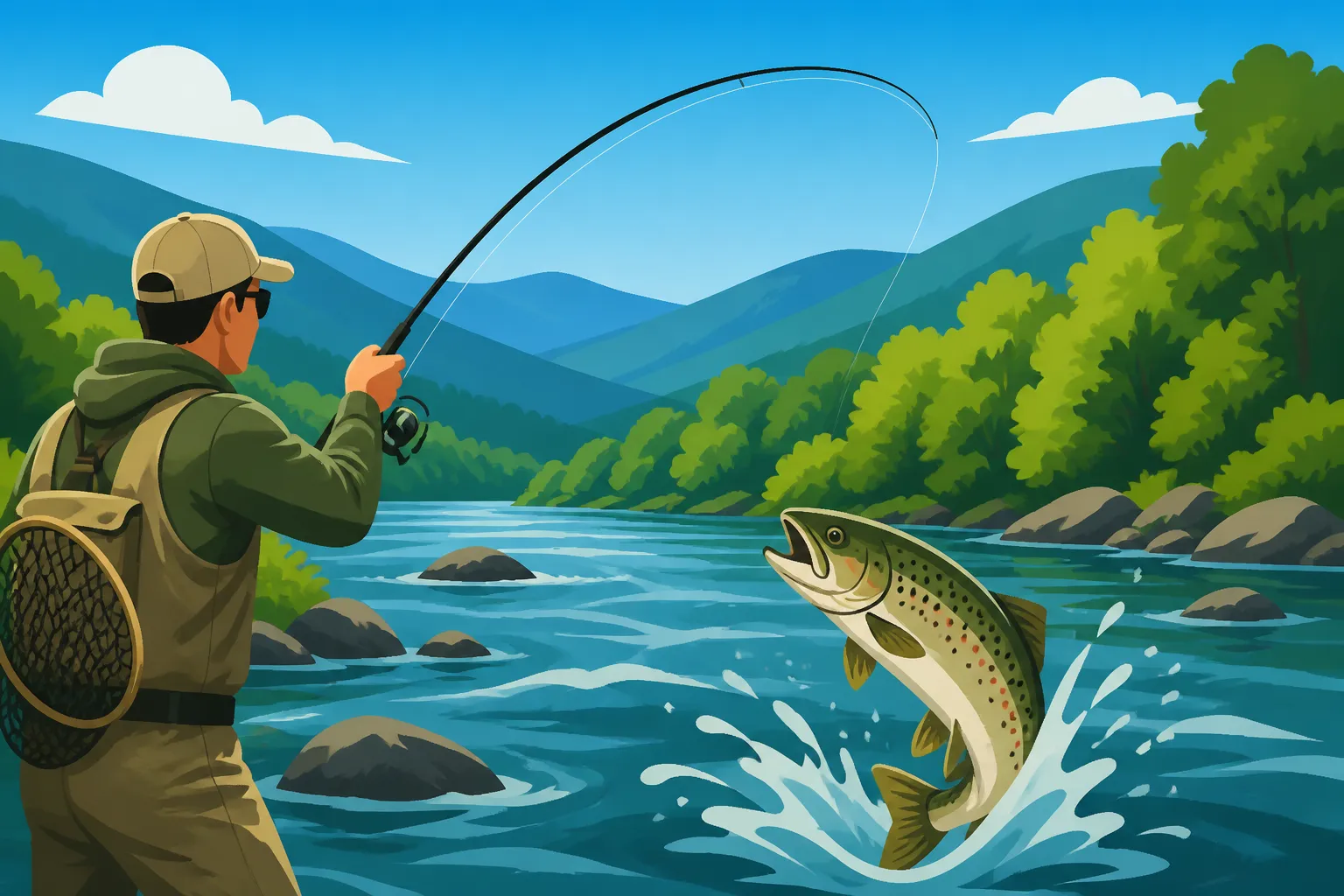
For many, the Shenandoah is synonymous with fly fishing, especially when targeting smallmouth bass. The river's clear waters and abundant insect life make it an ideal environment for presenting flies. While trout are less common in the main stem (you'd head to higher elevation tributaries for that), smallmouth bass readily strike a variety of fly patterns. Think poppers and gurglers for exciting topwater action, especially during warmer months, or crayfish and baitfish imitations (like clouser minnows or woolly buggers) fished subsurface. For more specific guidance, resources like Fly Fishing for Smallmouth Bass can be invaluable.
Learning to read the water is paramount when fly fishing the Shenandoah. Look for current seams, eddies behind boulders, and areas where faster water transitions into deeper pools. These are often prime holding spots. A 6 or 7-weight fly rod is generally sufficient for most Shenandoah smallmouth, offering enough backbone to cast larger flies and handle strong fish. It definitely takes practice, and it can be disheartening to spend hours false-casting without a strike, but that moment when a smallmouth explodes on your popper makes it all worthwhile. If you're new to the game, consider guided trips; many experienced Shenandoah guides, often found through services like FishingBooker, specialize in these challenging conditions and can quickly put you on fish.
Spinning and Baitcasting Techniques
If fly fishing isn't your style, or if you're fishing in conditions that favor conventional gear, spinning and baitcasting setups are incredibly effective on the Shenandoah. For smallmouth, a medium-light to medium-action rod with 6-10 lb test line is a versatile choice. The beauty of conventional gear is the wide array of lures you can present.
- Soft Plastics: Grubs, tubes, and creature baits rigged on jig heads are deadly, especially when fished slowly along the bottom or bounced through rocky sections. The natural presentation is hard for smallmouth to resist.
- Crankbaits: Small to medium-sized crankbaits that imitate baitfish or crayfish can be extremely effective, particularly in areas with moderate current or along ledges. Choose colors that match the forage or water clarity.
- Spinnerbaits and Buzzbaits: These are excellent for covering water quickly and drawing aggressive strikes, especially in stained water or during low light conditions.
- Topwater Lures: Think poppers, walk-the-dog baits, and prop baits. There's nothing quite like the thrill of a smallmouth blowing up on a topwater lure at dawn or dusk.
When selecting bait, you might want to consult a guide on the Best Bait for Smallmouth Bass in Virginia. The key is often to match the hatch or imitate what the fish are naturally feeding on. Don't be afraid to experiment with different lure types and retrieve speeds until you find what the fish are responding to on a given day. Sometimes a subtle presentation is key, while other times, a loud, flashy lure will trigger a strike.
Kayak, Canoe, and Wade Fishing
The Shenandoah is perfectly suited for fishing from a kayak or canoe, or by wading. These methods allow you to access stretches of river that are inaccessible to larger boats, offering a more intimate and often more productive fishing experience.
- Kayak and Canoe Fishing: A stable fishing kayak or canoe allows you to quietly drift downstream, covering miles of prime water. You can stop to fish promising spots, access bankside cover, and navigate shallower sections. Look for eddies, submerged timber, and current breaks where fish like to hide. Make sure to have a good anchor system to hold your position in current.
- Wade Fishing: For many anglers, Best Wading Spots on the Shenandoah River, Virginia offer the most direct connection to the river. Wading allows for precise casting and stealthy approaches. Always wear sturdy wading boots with good grip, and use a wading staff for safety, especially in sections with strong current or uneven bottoms. Be mindful of water levels and currents; what looks calm from the bank can be deceptively powerful.
Both methods emphasize stealth and careful movement. You're trying to integrate with the river, not disturb it. It's a fantastic way to experience the river's beauty up close while putting yourself in the best position to catch fish. Remember to always prioritize safety, wear a PFD in a kayak or canoe, and be aware of potential hazards like swift currents or sudden drop-offs when wading.
Understanding Seasons and Conditions for Optimal Fishing
Fishing the Shenandoah River is a year-round endeavor, but the most productive times, and the techniques you'll use, change dramatically with the seasons and prevailing river conditions. Being flexible and understanding these patterns is what separates a good day from a frustrating one. It’s important to remember that fish are highly sensitive to changes in temperature, water levels, and clarity.
Spring and Pre-Spawn Action
Spring on the Shenandoah is an exciting time for anglers. As water temperatures begin to rise from their winter lows, typically reaching the high 40s and 50s Fahrenheit, smallmouth bass and other species become increasingly active. They start moving out of their deep winter haunts and into shallower areas, actively feeding to prepare for the spawn. This pre-spawn period, usually from late March through April, can offer some of the year's best fishing. The fish are hungry and aggressive.
During this time, look for fish in transitional areas—where deeper pools meet shallower flats, or around submerged timber and rocky points. Lures like suspending jerkbaits, lipless crankbaits, and jig-and-trailer combinations are highly effective. The key is often a slower retrieve, allowing the fish to track and commit to the lure. Water levels can be higher and more stained due to spring rains, so choosing lures with vibration and a strong profile can be beneficial. Understanding Best Time of Year for Bass Fishing in Virginia can give you a significant advantage during this prime window.
Summer Strategies and Challenges
Summer on the Shenandoah brings warmer water temperatures, lower water levels, and often clearer conditions. While the fishing can still be fantastic, it often requires a shift in strategy. Smallmouth bass will be more active in low light conditions (dawn, dusk, or overcast days) and may seek refuge in deeper, cooler pockets or under heavy overhead cover during the brightest parts of the day. This can be a challenging time, as fish might be lethargic and less willing to chase a lure aggressively.
Topwater action can be incredible during early mornings and late evenings, as bass cruise the shallows looking for an easy meal. During the day, focus on fishing shady banks, current breaks, and the edges of deeper pools with soft plastics or jigs. Kayak and wade fishing are particularly popular in summer due to the lower water levels, allowing access to many areas. However, caution is advised: prolonged hot, dry spells can lead to very low water and elevated water temperatures, which can stress fish. Practice catch-and-release, handle fish gently, and consider fishing early or late to minimize stress on the fish.
Fall Fishing Frenzy
As temperatures begin to drop in the fall, typically from September through November, the Shenandoah River undergoes another transformation, often leading to another "fishing frenzy." Smallmouth bass and musky sense the coming winter and go on a feeding binge, trying to pack on calories. This is a favorite time for many anglers because the fish are aggressive, and the river's scenery, with changing foliage, is simply spectacular.
Fish will often school up and become more predictable, gravitating towards deeper pools and rock structures as temperatures continue to fall. Lures like spinnerbaits, crankbaits, and even larger swimbaits can be highly effective. For musky anglers, fall is one of the best times to target these giants, as they become more active in cooler water. The key is to find those concentrated schools of baitfish, as the predatory species won't be far behind. Cooler air temperatures also make for a more comfortable day on the water.
Winter Slow Down
Winter on the Shenandoah means cold water and often slow fishing, but it's not impossible, especially for those seeking larger, less active fish. Smallmouth bass will retreat to deep holes and slow-moving stretches, conserving energy. They'll be much less inclined to chase a fast-moving lure. Your approach needs to be extremely slow and deliberate.
Jigs, small soft plastics, and live bait (where permitted) fished very slowly along the bottom of deep pools are your best bets. Look for the deepest, calmest water you can find. Musky fishing can also be productive in winter, as the cold-blooded predators are still opportunistic feeders, though strikes will be few and far between. While not the season for numbers, winter can occasionally yield a true trophy for the patient and dedicated angler. Always dress warmly and prioritize safety when fishing in cold conditions.
Regulations and Conservation Efforts on the Shenandoah
Being a responsible angler on the Shenandoah River means more than just knowing how to catch fish; it also means understanding and adhering to the regulations designed to protect this incredible resource. Virginia has specific rules in place to ensure sustainable fishing for generations to come. Trust me, getting caught without the right paperwork or exceeding limits is a headache you definitely want to avoid.
Virginia Fishing License Guide
The absolute first step before casting a line in the Shenandoah, or any public water in Virginia, is to ensure you have a valid fishing license. This isn't just a formality; the fees collected from licenses directly fund the Virginia Department of Wildlife Resources (DWR) conservation efforts, including stocking programs, habitat restoration, and enforcement. The type of license you need will depend on your residency and the type of fishing you plan to do. Since the Shenandoah is primarily a freshwater river, a Virginia Fishing License Guide or a specific Virginia resident freshwater fishing license will be required.
Non-residents also need a license, and options include annual or short-term licenses, which are great for visitors planning a quick trip. You can typically purchase licenses online through the DWR website, at most sporting goods stores like Dick's Sporting Goods or Bass Pro Shops, or through various local bait and tackle shops throughout the state. It's usually a quick and easy process. Always keep your license with you while fishing, either a physical copy or a digital version on your phone, as wildlife officers do check, and the penalties for fishing without one can be quite stiff. For detailed steps, you can also check out How to Get a Fishing License in Virginia.
Catch Limits and Size Restrictions
Beyond the license, it’s critical to be aware of the specific catch limits and size restrictions for different species on the Shenandoah River. These regulations are scientifically determined to maintain healthy fish populations and prevent overfishing. Ignoring them isn't just illegal; it actively harms the very fishery we all cherish. For smallmouth bass, for instance, there's typically a daily creel limit and a minimum size limit. These limits can vary by water body, so it’s always wise to double-check the latest Virginia DWR regulations.
For other species like musky, there might be even stricter rules, sometimes including catch-and-release only or very large minimum size limits due to their slow growth rates. Panfish often have more generous limits, but it's still good practice to only keep what you'll eat and release the rest. These rules are detailed in the annual Virginia Fishing Regulations booklet, which you can usually pick up wherever licenses are sold or view online. Familiarizing yourself with Virginia's Fishing License and Catch Limit Basics before you head out is truly a must. It's much better to know before you go than to learn the hard way from a DWR officer.
Protecting the Resource: Leave No Trace
Beyond the official regulations, there's an unwritten code of ethics that every angler should follow to protect the Shenandoah River. This largely falls under the "Leave No Trace" principles. The river is a shared resource, and it's up to all of us to keep it pristine. This means packing out everything you pack in, including all trash, discarded fishing line, and bait containers. Don't leave anything behind.
Additionally, responsible fish handling is paramount, especially if you're practicing catch-and-release, which is highly encouraged for many species, particularly the larger breeding stock. Wet your hands before handling fish, support their weight horizontally, and release them gently as quickly as possible. Avoid dragging fish on the bank or keeping them out of water for extended periods for photos. If you're using a fishing guide you found on FishingBooker, they’ll typically emphasize these practices. By being good stewards of the river, we ensure that the Shenandoah remains a fantastic fishing destination for generations to come, allowing everyone to enjoy its beauty and bounty.
Disclaimer
Please remember that fishing regulations, water conditions, and fish populations can change. Always consult the latest Virginia Department of Wildlife Resources (DWR) regulations before your trip. Fishing inherently carries risks; always prioritize safety, wear appropriate gear, and be aware of your surroundings on and near the water.