Virginia’s Best Fishing Spots by Region
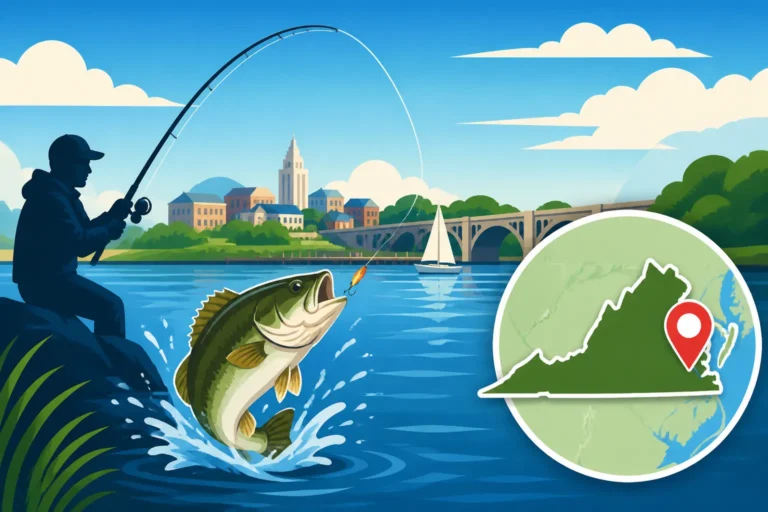
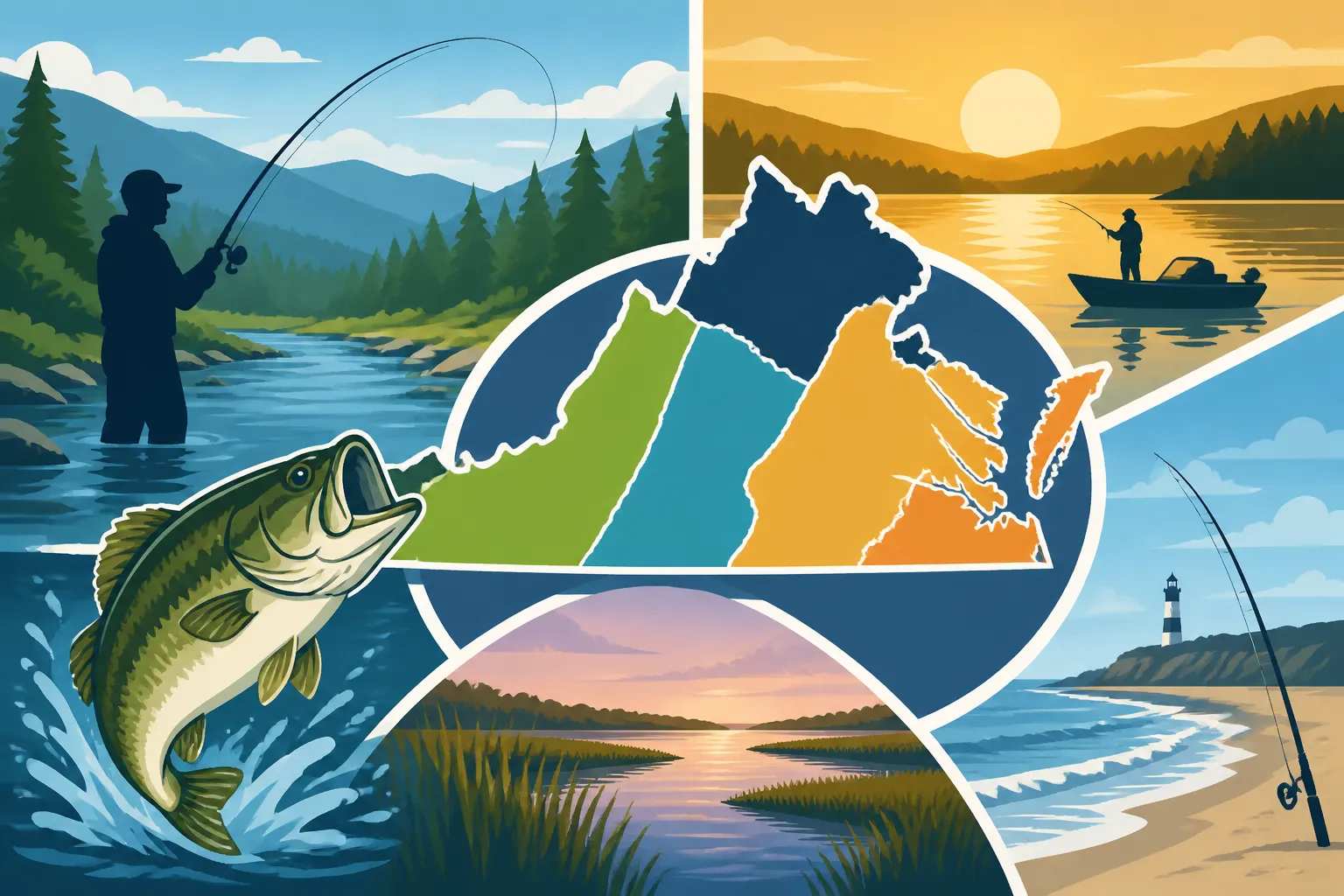
It can be incredibly overwhelming trying to decide where to cast your line in Virginia. With its stunning coastlines, vast rivers, and myriad of freshwater lakes, the Old Dominion state offers a fishing experience for just about everyone. But knowing where to go to find your target species, or even just a peaceful day on the water, can feel like a full-time job. This guide is here to untangle that complexity, breaking down Virginia's incredible fishing opportunities by region, so you can confidently plan your next angling adventure.
Coastal Virginia's Saltwater Bounty
When you think of Virginia fishing, often the first image that comes to mind is the vast expanse of the Atlantic Ocean and the mighty Chesapeake Bay. This region is a saltwater angler's paradise, offering everything from trophy striped bass to delicious flounder and challenging offshore species. It’s a completely different world from freshwater fishing, with its own rhythms, challenges, and rewards.
The Mighty Chesapeake Bay
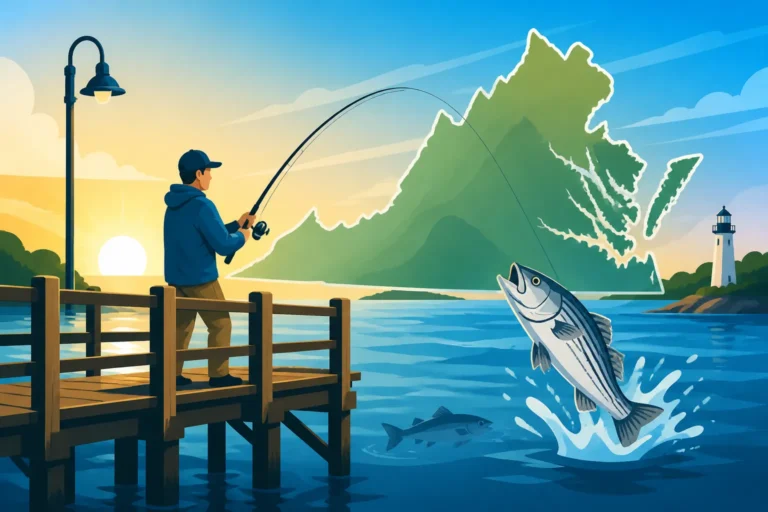
The Chesapeake Bay, the largest estuary in North America, is the crown jewel of Virginia's saltwater fishing scene. It's a complex, dynamic system that supports an incredible diversity of fish species, making it a world-class destination. Anglers flock here primarily for the famed striped bass, affectionately known as "rockfish" by locals. These hard-fighting fish migrate through the Bay, offering fantastic action, especially during the spring and fall runs. You'll find anglers trolling with large swimbaits or spoons, jigging near structure, or even live-lining baitfish during prime times. The sheer size of the Bay means there's always a new nook or cranny to explore, from the deep shipping channels to the shallower oyster beds.
Beyond striped bass, the Bay teems with other desirable species. Flounder are a popular target, often found lurking near structure, wrecks, and artificial reefs. Bottom fishing with minnows or squid is a tried-and-true method for these flatfish. You can also hook into croaker, spot, white perch, and various drum species. The action can be fast and furious, especially during the warmer months when these smaller, schooling fish are abundant. Many anglers find that booking a Chesapeake Bay fishing charter through platforms like FishingBooker can be an excellent way to navigate the expansive waters and tap into local expertise, ensuring you're hitting the hottest spots.
One of the biggest frustrations for Bay anglers is understanding the ever-changing regulations, especially for striped bass, which have specific slot limits and seasons. It's crucial to check the latest Virginia fishing regulations for striped bass season and slot limit guide before heading out. However, when the conditions are right, and you're dialed into the fish, the Chesapeake Bay offers a truly unforgettable saltwater experience that keeps anglers coming back year after year, drawn by the promise of a bent rod and the shimmering waters.
Virginia Beach and the Offshore Thrills
Just a stone's throw from the mouth of the Chesapeake Bay, Virginia Beach provides direct access to the Atlantic Ocean, opening up a whole new world of angling opportunities. For those who prefer to keep their feet on solid ground, the numerous piers and surf fishing spots offer excellent chances to catch a variety of species. From the Virginia Beach Fishing Pier to the Lynnhaven Inlet, you can target croaker, spot, flounder, puppy drum, and even some smaller sharks right from shore. It’s a fantastic option for families and those looking for a more relaxed day of fishing without the need for a boat.
For the more adventurous, Virginia Beach is your gateway to deep-sea fishing. Offshore charters regularly head out to the canyon areas, where the waters drop dramatically, attracting pelagic species like tuna (bluefin, yellowfin, and bigeye), mahi-mahi (dolphin), wahoo, and various billfish such as marlin and swordfish. These trips are often full-day or even multi-day excursions, requiring specialized gear and experienced crews. The thrill of hooking into a powerful tuna or watching a marlin light up the spread is an experience many anglers chase for a lifetime.
Even closer to shore, anglers can target king mackerel, Spanish mackerel, cobia, and large red drum, especially during their seasonal migrations. These trips often involve trolling or sight-casting to schooling fish. The availability of diverse species makes Virginia Beach a dynamic fishing destination, where one day you might be catching spot from a pier, and the next you’re battling a yellowfin tuna miles offshore. Remember that the cost for these trips can vary, so it's wise to compare Virginia Beach fishing charters and trip costs before you commit, often by using a service to check availability and pricing from reputable captains.
Eastern Shore and Barrier Islands
Venturing across the Chesapeake Bay Bridge-Tunnel, you'll discover Virginia's Eastern Shore, a narrow peninsula flanked by the Bay on one side and the Atlantic on the other. This area offers a more serene and less crowded fishing experience, with vast marshlands, pristine barrier islands, and an abundance of secluded fishing spots. It’s a wilder, more untouched side of coastal Virginia, perfect for anglers seeking tranquility and diverse inshore action.
The inshore waters of the Eastern Shore are famous for their speckled trout and red drum fishing. Kayak anglers, in particular, love navigating the intricate creek systems and shallow flats, sight-casting to cruising fish. The sheer beauty of the undeveloped coastline, with its migrating birds and clear waters, makes every cast a joy, even if the fish aren't always biting. The barrier islands themselves, like those accessible from Wachapreague or Chincoteague, offer incredible surf fishing for larger red drum, black drum, and even striped bass during migration seasons.
These areas are less about big charters and more about personal boats, kayaks, or wade fishing. Local guides can be invaluable here, helping you navigate the complex tides and find hidden honey holes in the expansive marsh grass. It's a place where you can genuinely connect with nature while pursuing some truly exciting inshore game fish. The quiet solitude and raw beauty of the Eastern Shore, combined with its fantastic fishing, make it a unique and highly rewarding destination for those willing to explore off the beaten path.
Southeastern Virginia's Tidal Rivers
Moving inland from the immediate coast, Virginia's major tidal rivers — the James, York, and Rappahannock — offer a fascinating blend of freshwater and saltwater fishing. As these rivers flow from the Piedmont down to the Chesapeake Bay, their character changes dramatically, transitioning from narrow, freshwater stretches to wide, brackish estuaries. This creates incredibly diverse fisheries, often within just a few miles of each other.
James River: Bass, Catfish, and More
The James River is perhaps one of Virginia's most iconic and versatile fishing destinations, stretching from the Allegheny Mountains all the way to the Chesapeake Bay. This river truly offers something for every type of angler. In its upper and middle stretches, particularly around Richmond, the James is renowned for its fantastic smallmouth bass fishery. These feisty fish thrive in the river's rocky rapids and swift currents, providing thrilling action for both conventional and fly anglers. It's a challenging but highly rewarding fishery, often requiring precise casting and presentation.
As you move downstream, particularly below the fall line in Richmond, the James transforms into a wide, tidal river system, heavily influenced by the Bay. Here, the focus shifts to largemouth bass, which lurk in the countless creeks, lily pad fields, and woody cover. This tidal section is also a hotspot for giant blue catfish and flathead catfish. Anglers regularly pull out catfish weighing over 50 pounds, making it a prime destination for trophy catfishing. Using heavy tackle and sturdy baits like cut shad or potent stink baits are common tactics for these bottom dwellers.
The James River also offers exciting seasonal runs. In early spring, the river comes alive with the migration of shad and herring, drawing in anglers looking for fast action. And, of course, the tidal James can also hold striped bass during their migrations into the Bay. The sheer diversity of species and environments within a single river system is astounding. Whether you're targeting a Largemouth Bass Fishing in Virginia's Chesapeake Bay Tributaries or seeking a record-breaking catfish, the James River delivers.
York and Rappahannock Rivers: Estuary Gems
The York and Rappahannock Rivers are classic tidal estuaries that serve as vital nurseries for many Chesapeake Bay species. They share many characteristics with the lower James, offering exceptional fishing for those who understand the tides and target specific seasonal patterns. These rivers are often less crowded than some of the larger lakes or the main Bay, providing a more intimate angling experience.
The Rappahannock, flowing through Fredericksburg and down to the Bay, is famous for its striped bass fishing, especially during the colder months when large schools of rockfish push upriver. Anglers often find success trolling or jigging along channel edges and around bridge pilings. Like the James, it also boasts excellent populations of various catfish species, particularly in its middle and lower tidal sections. The spring shad run is also a highlight, attracting anglers who enjoy the fast-paced action of these migratory fish. Fishing the Rappahannock River in Virginia offers a mix of tranquil beauty and exciting angling.
The York River, formed by the confluence of the Mattaponi and Pamunkey Rivers, is another productive estuary. It’s a fantastic spot for croaker and spot in the summer, offering plenty of action for kids and beginners using simple bottom rigs. Flounder are also present, often found near the many oyster reefs and drop-offs. For those seeking larger game, the York can produce impressive striped bass, particularly around structure and during the seasonal runs. Both the York and Rappahannock provide a prime opportunity to experience the unique challenges and rewards of tidal river fishing, where understanding the ebb and flow of the water is as important as your bait selection.
Central Virginia's Freshwater Powerhouses
Leaving the brackish waters behind, Central Virginia is home to some of the state's most popular and productive freshwater lakes. These sprawling reservoirs offer incredible opportunities for bass, stripers, crappie, and catfish, often providing year-round action due to their size and varied depths.
Smith Mountain Lake: Striper and Bass Heaven
Smith Mountain Lake, often simply called "SML" by locals, is a sprawling 20,600-acre reservoir nestled in the Blue Ridge Mountains. It's truly a bucket-list destination for many anglers, particularly those chasing striped bass and largemouth bass. SML is renowned for its incredible Smith Mountain Lake's Elite Virginia Striped Bass Fishery. Anglers here target stripers trolling deep diving crankbaits, jigging spoon, or live baiting gizzard shad in the vast open waters, especially near humps, points, and river channels. These fish can grow to impressive sizes, offering a truly powerful fight.
Beyond stripers, Smith Mountain Lake also boasts an exceptional largemouth bass fishery. The lake's irregular shoreline, abundant coves, docks, and submerged timber provide countless hideouts for trophy-sized bucketmouths. Anglers use a wide array of techniques, from pitching jigs and plastics to docks, to cranking riprap banks, or throwing topwater lures in the early morning and late evening. The clear waters of SML mean fish can be spooky, requiring finesse and careful presentation, but the rewards are well worth the effort.
Crappie and catfish also thrive in SML. You'll find crappie congregating around brush piles, submerged trees, and bridge pilings, especially during cooler months. Catfish, including channel and flathead, offer a more relaxed fishing experience, often caught on cut bait or stink bait in deeper holes. For those who want to maximize their chances, especially on a large and complex lake like SML, hiring a guide found on a platform like FishingBooker can provide invaluable insight into current patterns and hot spots, leading to a much more productive trip. If you're serious about your bass fishing, be sure to check out the Smith Mountain Lake Fishing Guide for more detailed tactics and tips.
Lake Anna: Largemouth and Striped Bass Action
Lake Anna, located in Louisa County, is another Central Virginia gem, covering about 13,000 acres. What makes Lake Anna unique is its "hot side" and "cold side," thanks to the North Anna Nuclear Generating Station. The discharge from the power plant creates warmer water on one side, which significantly impacts fish behavior, especially in cooler weather. This can lead to fantastic fishing opportunities even in the dead of winter, when other lakes might be slow.
Largemouth bass are the primary draw for many anglers at Lake Anna. The lake offers a variety of habitat, from open water and deep humps to shallow coves filled with hydrilla and standing timber. This diversity allows for numerous fishing techniques, from flipping jigs in heavy cover to working crankbaits along points. The warmer water on the hot side often keeps bass more active year-round, making it a reliable spot for anglers seeking consistent action.
Lake Anna also has a strong striped bass population, particularly in the lower lake and near the warm water discharge. These stripers can be caught by trolling, jigging, or live baiting, similar to SML. Crappie and catfish are also plentiful, providing good secondary targets. The lake's accessibility from major population centers like Richmond and Fredericksburg makes it a popular choice for weekend warriors, though it can get busy during peak season. Understanding how the thermal output affects fish behavior is key to unlocking the lake's full potential, especially for those looking to catch Best Largemouth Bass Coves on Lake Anna, Virginia.
Lake Gaston: Border Lake Bass and Crappie
Straddling the border between Virginia and North Carolina, Lake Gaston is a massive reservoir known for its fantastic largemouth bass and crappie fishing. It spans over 20,000 acres and offers a slightly different character than SML or Lake Anna, with a mix of clear and stained water depending on the arm of the lake. Its reputation for producing trophy largemouth bass draws serious anglers from across the region.
Lake Gaston's bass fishery benefits from extensive hydrilla beds, docks, and a wide variety of cover, making it a classic Southern bass lake. Techniques like flipping jigs and plastics into thick cover, Carolina rigging points, and throwing spinnerbaits along grass lines are highly effective. The lake is regularly featured in bass tournaments, a testament to its consistent production of quality fish. Anglers often find success targeting structure and transitions where the depths change, especially in the larger creek arms.
Crappie fishing on Lake Gaston is also exceptional, particularly in the spring and fall. Anglers find large schools of crappie congregated around submerged brush piles, bridge pilings, and standing timber, especially in the many coves and feeder creeks. Using small jigs or live minnows is the go-to method for filling a cooler. Catfish are also abundant, offering good opportunities for a relaxing day of soaking bait. Remember, since Lake Gaston crosses state lines, it's essential to understand Fishing License Reciprocity Between Virginia and Neighboring States to ensure you're legally covered no matter which side of the lake you're fishing on.
Southwestern Virginia's Mountain Lake Retreats
Moving further west into the scenic Blue Ridge Mountains, Southwestern Virginia boasts a collection of lakes that offer a different kind of freshwater fishing experience. These lakes, often deeper and clearer, provide unique opportunities for diverse bass species, walleye, and excellent cold-water fisheries.
Claytor Lake: Diverse Bass and Walleye Fishery
Claytor Lake, a 4,500-acre reservoir on the New River, is a true gem in Southwest Virginia. What sets Claytor apart is its incredibly diverse bass fishery, often referred to as a "mixed bass fishery." Here, you can find largemouth, smallmouth, spotted bass, and even Alabama bass, all thriving in the same waters. This unique blend makes it a fascinating challenge for anglers who enjoy targeting multiple species in one outing. Understanding the nuances of each bass species and their preferred habitats is key to success on Claytor. For an in-depth look, check out Claytor Lake's Diverse Virginia Fish Species Guide.
Beyond bass, Claytor Lake is one of Virginia's premier destinations for walleye. These elusive and delicious fish are highly sought after, and Claytor consistently produces good numbers. Anglers target walleye by trolling crankbaits, jigging spoons, or drifting live bait along deeper humps, points, and channel edges, especially during low-light conditions or at night. Their keen eyesight and preference for subtle presentations make them a rewarding challenge.
The lake's clear, deep waters also support healthy populations of crappie and catfish, making it a well-rounded fishery. Claytor Lake offers excellent facilities for boaters and bank anglers, including Claytor Lake State Park, which provides easy access. The stunning mountain backdrop only adds to the allure, making Claytor Lake a perfect spot for a scenic and productive fishing trip.
Kerr Reservoir (Buggs Island Lake): Catfish and Crappie Galore
Kerr Reservoir, better known to locals as Buggs Island Lake, is Virginia's largest lake, a massive 50,000-acre impoundment that stretches into North Carolina. Its sheer size and extensive network of creeks and timber make it a paradise for catfish and crappie anglers, though it also holds a healthy population of largemouth bass. This lake is known for its ability to produce not just numbers, but also truly impressive sizes of its dominant species.
For catfish enthusiasts, Buggs Island is a legend. Both blue catfish and flathead catfish grow to immense proportions here, with 50+ pound fish not uncommon. Anglers target them in the deep river channels, around submerged timber, and in the numerous creek arms using heavy-duty gear and large cut baits. The vastness of the lake means there are always new spots to explore, and dedicated catfishermen can spend days mapping out their prime locations.
Crappie fishing on Buggs Island is equally phenomenal, especially during the spring spawn when these panfish move into shallower waters. During other times of the year, anglers find success targeting brush piles, submerged cover, and bridge pilings with small jigs and minnows. The lake's abundant forage base allows crappie to grow large and healthy, making it a top destination for those looking to fill their coolers. While bass fishing can be challenging due to the lake's size and varied conditions, the consistent action for catfish and crappie ensures that Buggs Island Lake remains a beloved fishing spot for thousands of anglers.
South Holston Lake: Smallmouth and Trout Potential
Nestled on the Virginia-Tennessee border, South Holston Lake offers a distinctly different fishing experience compared to its larger cousins in the region. This 7,580-acre lake is known for its clear, cold waters and steep, rocky shorelines, making it a prime location for smallmouth bass and, indirectly, for trout fishing due to its outflow. It's a picturesque mountain lake that offers both challenging and rewarding angling.
Smallmouth bass are the star attraction on South Holston. These bronze beauties thrive in the lake's rocky habitat, often found around points, humps, and submerged timber. Anglers find success using a variety of techniques, including drop-shotting, jigging spoons, throwing shaky heads, and working topwater lures in low light. The clear water can make the smallmouth wary, but when you dial them in, the action can be incredible. It's a fantastic lake for anglers who enjoy a more technical approach to bass fishing.
While the lake itself primarily holds smallmouth, the cold-water discharge from South Holston Dam creates a tailwater river that is an exceptional trout fishery. Anglers can fish for rainbow and brown trout in the South Holston River below the dam, making it an excellent dual-purpose destination. This combination of quality lake fishing and nearby river trout opportunities makes South Holston Lake a standout choice for those looking for a diverse angling adventure in a stunning mountain setting.
Northern Virginia & Potomac River Fishing
Northern Virginia, often associated with bustling urban areas, might not immediately jump to mind as a fishing hotspot. However, it boasts significant fishing opportunities, particularly along its border with Maryland via the Potomac River, and within its numerous accessible smaller lakes and ponds. This region offers convenient fishing for city dwellers and visitors alike.
The Potomac River's Diverse Fishery
The Potomac River, forming much of Virginia's northern border, is a powerhouse fishery that offers an incredible range of species depending on the section you're fishing. Upstream, in the more rural, mountainous stretches, the Potomac is a renowned smallmouth bass river, especially in areas around Harpers Ferry and Brunswick. Here, anglers enjoy float trips and wade fishing, targeting aggressive smallmouth with topwater lures, spinnerbaits, and soft plastics around rocky outcrops and current breaks.
As the Potomac flows closer to the D.C. metro area and beyond, it transforms into a wider, tidal river, heavily influenced by the Chesapeake Bay. This lower, tidal Potomac, particularly around Alexandria and Fredericksburg, is a premier largemouth bass fishery. The river's vast grass beds, lily pads, and submerged timber provide ideal habitat for big bucketmouths, making it a consistent tournament destination. Anglers flip jigs, worm plastics, and crank the edges of grass lines for impressive catches.
The tidal Potomac is also famous for its burgeoning snakehead population. These invasive, yet incredibly challenging and delicious, fish have found a home in the river's shallow, vegetated backwaters. Targeting snakeheads involves frog imitations, topwater lures, and weedless presentations, often resulting in explosive strikes. Beyond bass and snakeheads, the Potomac also holds excellent populations of channel catfish, blue catfish, and even migratory striped bass during their seasonal runs. The accessibility of the Potomac makes it a fantastic option for anglers in Northern Virginia, offering a diverse array of species and fishing experiences right on their doorstep.
Local Ponds and Smaller Lakes
For those not looking to venture far, Northern Virginia has a surprising number of local ponds, small lakes, and community reservoirs that provide excellent, accessible fishing. These spots are often perfect for family outings, beginners, or a quick fishing fix after work. While they might not yield trophy-sized game fish as consistently as the larger reservoirs, they offer reliable action and a peaceful escape.
Many county and regional parks maintain stocked ponds that are easily fishable from shore. These often contain healthy populations of panfish like bluegill and sunfish, along with smaller largemouth bass and channel catfish. Simple setups with a bobber, a hook, and some worms or corn can lead to a fun and productive day, especially for kids. Lakes like Lake Fairfax in Reston, Burke Lake in Fairfax Station, and Pohick Bay Regional Park offer opportunities for a wider range of species, including larger bass, crappie, and even some muskie in certain waters.
These smaller venues are fantastic for honing skills, introducing new anglers to the sport, or just enjoying a quiet afternoon. They typically have easy access, often with piers, bank fishing areas, and sometimes boat rentals. Before heading out, always check the specific regulations for community lakes, as some may have special size or creel limits. These local gems prove that you don't always need to travel far to find a rewarding fishing experience in Virginia.
Shenandoah Valley's River and Stream Adventures
The Shenandoah Valley, nestled between the Blue Ridge and Appalachian Mountains, is a picturesque region renowned for its stunning natural beauty and, for anglers, its incredible river and stream fishing. This area is a haven for smallmouth bass and boasts some of Virginia's most cherished wild trout streams.
Shenandoah River: Smallmouth Bass and Fly Fishing
The Shenandoah River, with its North and South Forks converging to form the main stem, is a legendary smallmouth bass fishery. It's often considered one of the best smallmouth rivers in the eastern United States, drawing anglers from far and wide. The river's rocky bottom, riffles, pools, and abundant structure create ideal habitat for these hard-fighting fish. Floating the river in a canoe, kayak, or drift boat is a popular and highly effective way to cover water and target prime holding areas.
Fly fishing for smallmouth on the Shenandoah is particularly popular and rewarding. Anglers cast poppers, streamers, and various nymph patterns to entice strikes from aggressive smallmouth, often resulting in explosive topwater action. For conventional tackle anglers, spinnerbaits, crankbaits, tubes, and soft plastic jigs are all highly effective. The consistent action, combined with the stunning scenery of the Valley, makes a day on the Shenandoah an unforgettable experience. For a deeper dive into this unique fishery, explore the Shenandoah River Fly Fishing for Trout and Smallmouth Bass in Virginia.
Beyond smallmouth, the Shenandoah River also holds healthy populations of largemouth bass in its slower, deeper sections, as well as various panfish and catfish. The river's health and productivity are a testament to ongoing conservation efforts, ensuring it remains a premier destination for generations of anglers. Whether you're a seasoned fly fisherman or a casual caster, the Shenandoah River offers a quintessential river fishing adventure that embodies the spirit of Virginia's natural heritage.
Wild Trout Streams: A Challenge and a Reward
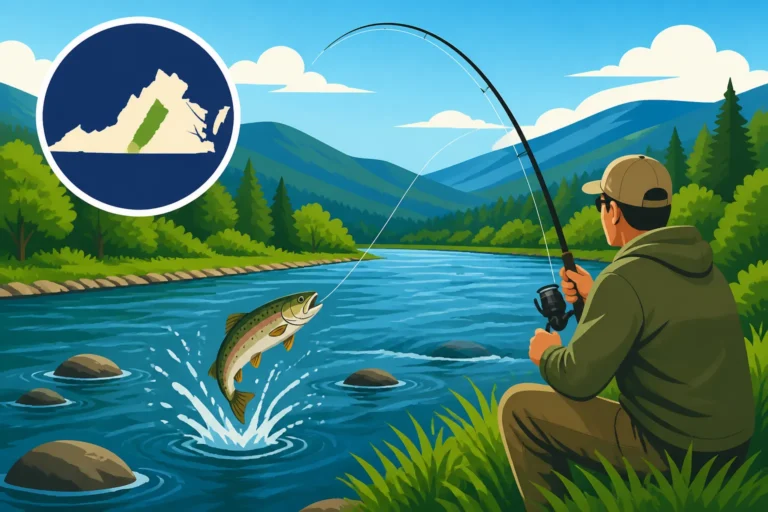
For those seeking a more remote and challenging fishing experience, the headwaters and feeder creeks of the Shenandoah Valley, as well as other mountainous regions of Virginia, hold a network of pristine wild trout streams. These are typically smaller, colder, and often more difficult to access, but they offer the unique reward of catching native brook trout – Virginia's only native trout species – as well as wild rainbow and brown trout.
Fishing these wild trout streams is often an exercise in stealth, patience, and precise presentation. Fly fishing with light tackle, using small dry flies, nymphs, or emerger patterns, is the preferred method. Anglers often wade up these streams, carefully navigating slippery rocks and dense streamside vegetation. The fish, though often smaller than their stocked counterparts, are incredibly beautiful and vibrant, reflecting the pristine environments they inhabit.
Before venturing into these areas, it's critical to research specific stream regulations, as many wild trout streams have special catch-and-release or artificial lures-only rules. A dedicated Trout Fishing License Rules Explained will provide you with all the necessary information. The experience is less about filling a cooler and more about the connection with nature, the challenge of the hunt, and the satisfaction of landing a truly wild fish in its natural habitat. These streams offer a profound sense of wilderness and a rewarding challenge for any dedicated angler.
Planning Your Virginia Fishing Adventure
Virginia's diverse fishing landscape means there's almost always somewhere that's biting, regardless of the season. The key is knowing how to plan, what to expect, and ensuring you're compliant with all the rules.
Choosing Your Ideal Spot and Time
With so many incredible options, choosing your ideal fishing spot in Virginia can be the hardest part! Start by thinking about what kind of fish you want to target and what kind of experience you're after. Do you want the thrill of offshore big game, the tranquility of a mountain stream, or the consistent action of a large bass lake? Once you know your target species, consider the time of year. For example, Virginia Striped Bass Season and Slot Limit Guide will tell you exactly when to hit the Bay for rockfish, while trout seasons might guide you to mountain streams.
Match the species to the region and the season. Spring often means excellent crappie and bass action in the lakes, along with shad runs in the rivers. Summer brings the heat, but also hot offshore action, fantastic panfish, and night fishing for catfish. Fall is prime time for big striped bass in the Bay and tidal rivers, and a great time for aggressive bass in cooler lake waters. Winter offers unique opportunities for stripers in power-plant lakes and trophy catfish in the big rivers. Don't be afraid to try different areas or different target species throughout the year.
A little research goes a long way. Check local fishing reports, online forums, and even call local bait shops – they're often a goldmine of up-to-date information on what's biting where and on what bait. Websites from the Virginia Department of Wildlife Resources (DWR) are also invaluable resources for understanding fish populations and seasonal trends.
Essential Gear and Local Knowledge
While you don't need a boatload of expensive gear to enjoy fishing in Virginia, having the right equipment for your chosen pursuit can make a huge difference. For saltwater fishing, especially from a boat or pier, you'll need sturdy rods and reels capable of handling larger fish and corrosive saltwater environments. For freshwater lake fishing, a medium-action spinning or baitcasting setup will cover most bass, crappie, and catfish situations. Trout fishing in mountain streams often calls for lighter, more sensitive gear.
Don't underestimate the value of local knowledge. Visiting a local tackle shop isn't just about buying bait; it's about getting the inside scoop. Store owners and employees are often passionate anglers themselves and can tell you what's working, where fish are being caught, and any nuances of the local waters. If you're tackling a new or complex fishery, or want to target a specific species with maximum efficiency, consider hiring a professional guide or booking a charter. Platforms like FishingBooker make it easy to find and connect with experienced captains and guides across Virginia, from Chesapeake Bay striped bass charters to Smith Mountain Lake fishing guides, ensuring you have the expertise on board.
Always pack essentials like sunscreen, insect repellent, a first-aid kit, and plenty of water. Depending on the season, layers of clothing are always a good idea, as Virginia weather can change quickly. And never forget a cooler with ice for your catch!
License and Regulations Checklist
This is perhaps the most critical part of planning any fishing trip in Virginia: getting your license and understanding the rules. Fishing without a valid license can lead to hefty fines and a ruined day on the water.
Virginia has distinct licensing requirements for freshwater and saltwater fishing, as well as specific stamps for stocked trout waters. You can purchase annual licenses, short-term options (like Virginia's 5-Day Freshwater Fishing Pass or Virginia's 10-Day Saltwater Fishing License), and even combination licenses that cover both freshwater and saltwater. Non-residents also have various options. The easiest way to get your license is online through the Virginia DWR website, but you can also purchase them at bait shops and other authorized agents. For a full breakdown, consult the Virginia Fishing License Guide or the more concise How to Get a Fishing License in Virginia.
Beyond the license itself, you must be aware of catch limits, size limits, and seasonal closures for specific species. These regulations are in place to protect fish populations and ensure sustainable fishing for the future. For example, striped bass (rockfish) often have strict slot limits and specific open seasons in different areas. Wild trout streams have unique rules compared to stocked trout waters. It’s your responsibility as an angler to know and follow these rules. The Virginia DWR website provides comprehensive and up-to-date information on all fishing regulations. Taking a few minutes to review these details before you head out will save you a lot of potential headaches and ensure a legal and enjoyable day on the water.
| Virginia Fishing Regions & Top Species | Primary Water Bodies | Key Target Species | Best Time of Year | Typical Fishing Style |
|---|---|---|---|---|
| Coastal Virginia | Chesapeake Bay, Atlantic Ocean, Eastern Shore Barrier Islands | Striped Bass, Flounder, Red Drum, Tuna, Mahi, Cobia | Spring, Fall (Stripers); Summer (Flounder, Offshore) | Trolling, Jigging, Bottom Fishing, Offshore Trolling |
| Southeastern Tidal Rivers | James River, York River, Rappahannock River | Largemouth Bass, Smallmouth Bass, Blue Catfish, Striped Bass | Spring (Bass, Shad), Summer (Catfish), Fall (Stripers) | Casting (Bass), Bottom Fishing (Catfish), Trolling (Stripers) |
| Central Virginia Lakes | Smith Mountain Lake, Lake Anna, Lake Gaston | Largemouth Bass, Striped Bass, Crappie, Catfish | Spring, Fall (Bass, Crappie); Year-round (Stripers, Catfish) | Casting (Bass), Trolling (Stripers), Jigging (Crappie) |
| Southwestern Mountain Lakes | Claytor Lake, Kerr Reservoir (Buggs Island), South Holston Lake | Smallmouth Bass, Walleye, Crappie, Blue Catfish | Spring, Fall (Bass, Walleye); Year-round (Catfish, Crappie) | Casting, Jigging, Trolling, Bottom Fishing |
| Northern Virginia & Potomac | Potomac River, Burke Lake, Lake Fairfax | Largemouth Bass, Smallmouth Bass, Snakehead, Catfish | Spring, Summer, Fall | Casting (Bass, Snakehead), Bottom Fishing (Catfish) |
| Shenandoah Valley | Shenandoah River, Mountain Trout Streams | Smallmouth Bass, Brook Trout, Rainbow Trout | Spring, Fall (River Bass, Trout); Summer (River Bass) | Fly Fishing, Casting (Smallmouth), Wade Fishing (Trout) |
Disclaimer
The information provided in this guide is for general informational purposes only and is subject to change. Fishing regulations, seasons, and licensing requirements in Virginia are dynamic and can be updated by the Virginia Department of Wildlife Resources (DWR) at any time. It is the responsibility of every angler to consult the most current Virginia DWR regulations before engaging in any fishing activity. Always prioritize safety, practice ethical angling, and respect local guidelines.