Minimum age for needing a fishing license in Virginia
It's a common dilemma for parents and guardians: you're planning a fun fishing trip in Virginia, maybe to one of the beautiful lakes or coastal spots, and suddenly you wonder, "Does my child need a fishing license?" The rules can seem a little murky, especially when you're just trying to enjoy a relaxing day on the water. This comprehensive guide will clear up all the confusion surrounding the minimum age requirements for fishing licenses in Virginia, ensuring your family's next angling adventure is perfectly legal and stress-free.
The Foundations: Virginia's Youth Fishing License Exemption
There's nothing quite like watching a child's face light up as they reel in their first fish, feeling that tug on the line and the excitement of a catch. Virginia absolutely wants to encourage this joy, and thankfully, the state has made it easy for young anglers to get started without immediate bureaucratic hurdles. The primary rule that brings relief to many families revolves around age, a simple cutoff that simplifies things considerably.
How Young is Too Young to Need a License?
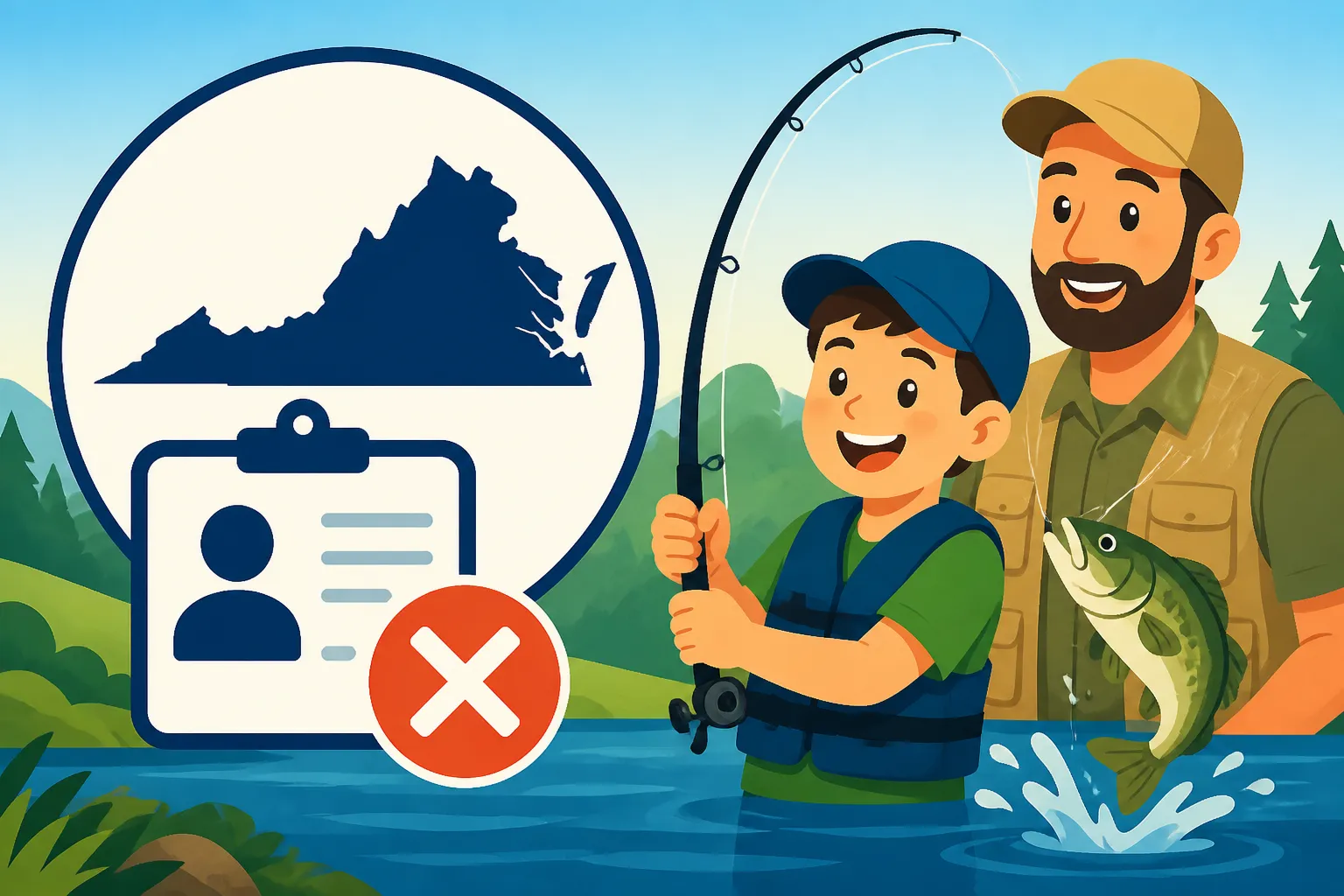
Let's get straight to the point: in Virginia, if you are under 16 years of age, you do not need a fishing license to cast a line. That means if you have a enthusiastic 5-year-old, a curious 10-year-old, or even a soon-to-be-teenager at 15, they can fish in both freshwater and saltwater without a state-issued license. This exemption is a fantastic way the Virginia Department of Wildlife Resources (DWR) promotes youth participation in outdoor activities and fosters an early appreciation for nature and conservation. It removes a significant barrier for families, making spontaneous fishing trips much more feasible.
Imagine a Saturday morning: the sun is shining, the birds are singing, and your kids are bouncing with energy. You decide to head down to the local pond with some worms and a couple of rods. If your children are under 16, you don't need to worry about purchasing a special "junior" license for them. They can just grab their gear and go! This exemption helps to cultivate a love for fishing from a young age, hopefully leading to a lifelong passion. It's a thoughtful way to ensure that the excitement of fishing isn't overshadowed by paperwork for the youngest members of our community.
This policy reflects a broader understanding that introducing children to the outdoors should be as simple and accessible as possible. For many families, the cost and process of obtaining multiple licenses could be a deterrent. By exempting those under 16, Virginia actively works to nurture the next generation of anglers and conservationists. This means more kids spending time outside, learning about aquatic ecosystems, and building lasting memories with family and friends, all without needing to remember where they put their license.
What "Under 16" Really Means for Virginia Anglers
While the "under 16" rule seems straightforward, it's worth clarifying what it truly means in practical terms. It's not about being "15 and under" or "16 and up needs a license." Rather, the exemption applies right up until the day a child celebrates their 16th birthday. So, if your child is 15 years and 364 days old, they are still covered by the exemption. However, the moment they turn 16, they are officially considered an adult for licensing purposes and will need to purchase a license to continue fishing legally.
This distinction is important because it’s a hard cutoff. There’s no grace period; once that birthday hits, the license requirement kicks in. It's a good idea for parents to mark that upcoming 16th birthday on their calendars, not just for the party planning, but also to ensure a seamless transition into licensed angling. The state's system is built on this clear age demarcation, and wildlife enforcement officers will expect anyone age 16 or older to have a valid license in their possession when fishing.
For example, if your teenager turns 16 on a Tuesday and wants to go fishing that Saturday, they absolutely need to have their own Virginia fishing license by then. This applies whether they're fishing in a freshwater lake like Lake Anna or trying their luck in the brackish waters of the Chesapeake Bay. While they might not be asked for ID every single time they cast a line, it's always best to be prepared and compliant with the regulations to avoid any unnecessary complications or potential penalties for fishing without a license in Virginia.
Beyond the Basics: Special Scenarios and Considerations
While the "under 16" rule is generally quite clear, some situations often lead to further questions. What if an adult is fishing alongside an exempt child? Are there any special days when everyone can fish license-free, regardless of age? Understanding these nuances can help families plan their fishing excursions with even greater confidence and enjoyment.
Fishing with an Adult Who Has a License
A common misconception is that a child under 16 only needs to be accompanied by a licensed adult to fish legally. This isn't actually the case in Virginia. The youth exemption stands on its own; a child under 16 does not need a license regardless of whether the adult they are with possesses one. The exemption applies to the child, not to their proximity to a licensed guardian. However, it is always a good idea for the supervising adult to be properly licensed, not just for their own compliance but also to set a good example of responsible angling.
Think of it this way: your 12-year-old cousin is visiting, and you want to take them fishing. Even if you, as the adult, decide not to fish yourself and just supervise, your cousin is still free to fish without a license. Now, if you decide to cast a line as well, then you, being over 16, absolutely need your own valid Virginia fishing license. It's about individual responsibility based on age, not a blanket coverage for a group. This distinction means families can introduce younger members to fishing even if not every adult wants to actively participate in angling themselves.
While the license requirement doesn't extend from the adult to the child, having a licensed adult present offers other advantages. These adults are often more experienced and can teach proper techniques, ethical angling practices, and the importance of adhering to Virginia fishing regulations. Plus, if the adult plans to fish, they'll need their own license, whether that's a Virginia Resident Freshwater Fishing License Cost or a combination license. It ensures that the entire fishing party, when applicable, is compliant and contributing to the conservation efforts funded by license sales.
Free Fishing Days and Youth Participation
Virginia's Free Fishing Days are a truly wonderful initiative, typically held over a weekend in early June each year. During these special days, everyone—residents and non-residents alike, regardless of age—can fish in designated public waters without needing a state fishing license. This is an incredible opportunity for families where some members are over 16 and normally require a license. It completely removes the licensing requirement for those specific dates, allowing entire families to experience the joys of fishing together without any concern about paperwork or fees.
For instance, the Virginia Free Fishing Days 2026 Dates are June 5-7. If your family decides to go fishing during this period, your 17-year-old, who would normally need a license, can fish alongside your 10-year-old, who is already exempt, and even your spouse, all without anyone needing to purchase a license. It's a fantastic incentive to get out and explore the many amazing fishing spots Virginia has to offer, from the rivers to the large reservoirs. It's especially beneficial for those who are curious about fishing but aren't ready to commit to an annual license.
While kids under 16 are already exempt from needing a license, these free fishing days still hold immense value for them. It means their older siblings, parents, grandparents, and friends can join them on the water without having to buy a license, making it a truly collective family experience. It’s also an excellent time for those who might be just on the cusp of turning 16 to get some solid fishing experience before the license requirement kicks in. It's all about making fishing accessible and fostering community enjoyment of Virginia's natural resources.
Transitioning to Licensed Angler Status: Turning 16
The 16th birthday is a big deal for many reasons, and in Virginia, it also marks a significant milestone for aspiring anglers. It’s the age when the state recognizes you as ready to contribute directly to the management and conservation of its fisheries through the purchase of a fishing license. This transition is straightforward but requires a bit of planning to ensure continuous legal enjoyment of fishing.
The 16th Birthday Milestone: Getting Your First License
The moment a young angler turns 16, the clock starts ticking for their fishing license requirement. On their 16th birthday, or any day thereafter that they wish to fish, they must possess a valid Virginia fishing license. This is a rite of passage for many, symbolizing a step into more independent and responsible participation in the sport. It's important to understand the available options, as Virginia offers a variety of licenses to suit different fishing preferences.
A new 16-year-old angler might opt for a basic Freshwater and Saltwater Fishing Licenses in Virginia, depending on where they plan to fish most often. A resident freshwater fishing license costs $23, and a resident saltwater license is $17.50. Many choose a combination license for broader coverage. These can be purchased easily through several convenient channels. The Virginia DWR website is an excellent resource for buying licenses online, a process that is quick and user-friendly. Alternatively, licenses are available at hundreds of authorized license agents across the state, including many Walmart locations, local bait and tackle shops, and sporting goods stores.
It’s crucial for parents and guardians to guide their new 16-year-old angler through this process. Explain why the license is necessary and help them choose the right type. Acquiring that first official license can be an exciting moment, a tangible symbol of their commitment to fishing. It’s a good opportunity to discuss the various Virginia Fishing License Costs and Types Explained to ensure they get the best value for their angling plans.
Why the Age Limit Matters: Conservation and Compliance
The requirement for anglers aged 16 and over to purchase a fishing license is far more than just a bureaucratic formality; it's a cornerstone of Virginia's impressive wildlife and fisheries conservation efforts. Every dollar spent on a fishing license in Virginia contributes directly to the vital work of the Virginia Department of Wildlife Resources (DWR). These funds are used for everything from stocking fish in public waters, maintaining boat ramps and access points, to conducting critical research on fish populations and habitat restoration.
Imagine the vast network of lakes, rivers, and coastal waters across Virginia. Without these license fees, the DWR would struggle to manage these diverse ecosystems, monitor fish health, and ensure sustainable fishing opportunities for future generations. When you buy a license, you're not just buying permission to fish; you're investing in the health and future of Virginia's natural resources. This is a valuable lesson to impart to young anglers as they transition into needing their own license—that their participation directly supports the sport they love.
Compliance with this age limit is also legally important. Wildlife wardens and state park rangers regularly patrol Virginia's waters, checking for valid fishing licenses. Being caught fishing without the appropriate license after turning 16 can lead to significant fines and penalties for fishing without a license in Virginia. These consequences are in place to uphold the integrity of the conservation funding system and ensure fairness among all anglers. It's a clear expectation that responsible anglers understand and adhere to these regulations for the collective good of Virginia's fisheries.
Practical Advice for Young Anglers and Their Families
Getting kids into fishing is one of the most rewarding experiences, offering connection to nature, patience, and excitement. Beyond understanding the license requirements, having the right gear and knowing where to go can make all the difference in fostering a lifelong love for the sport.
Essential Gear for Young Anglers
Starting a young angler off with the right gear can make a huge difference in their enjoyment and success. You don't need to break the bank for expensive equipment; simplicity and durability are key. A basic spinning rod and reel combo, often sold as a kit, is perfect for beginners. Look for something lightweight that they can comfortably hold and cast. Many reputable brands offer such kits specifically designed for children, featuring easy-to-use push-button reels. You can often find great beginner combos on platforms like Amazon, offering a convenient way to get started.
Beyond the rod and reel, a small tackle box stocked with a few essentials will cover most needs. Think about simple hooks (size 6 or 8 are versatile), a variety of bobbers (those classic red and white ones are always a hit!), and some split-shot sinkers to get the bait down. Live bait like worms or crickets are often the easiest and most effective for panfish, which are abundant and fun for kids to catch. A pair of needle-nose pliers for hook removal and a small cooler for drinks and snacks will round out the basic setup.
Safety should always be a top priority. Ensure children wear properly fitted life vests when near or on the water, especially if they are not strong swimmers. Sunscreen, hats, and sunglasses are also crucial for protecting them from the elements. A small first-aid kit in your tackle bag is always a good idea for minor scrapes or punctures. Remember, the goal is to make fishing a positive and safe experience, and having the right gear, easily obtainable from stores or online retailers like Amazon, contributes greatly to that.
Finding Family-Friendly Fishing Spots
Virginia is blessed with an abundance of diverse fishing locations, many of which are perfect for families and young anglers. When choosing a spot, prioritize accessibility, safety, and the likelihood of catching fish, even small ones. Local ponds in parks are often fantastic starting points, offering calm waters and usually plenty of panfish like bluegill and crappie, which are eager biters and a blast for kids to reel in.
Virginia State Parks are another excellent resource, often featuring accessible fishing piers, designated bank fishing areas, and facilities like restrooms and picnic spots. Lakes like Lake Anna and Claytor Lake offer numerous public access points and often have thriving populations of species that are fun for all ages. Even certain sections of larger rivers, like the James River, can offer calmer bank fishing opportunities perfect for a family outing. For specific ideas, checking out guides to Family-Friendly Fishing Spots in Virginia can provide great starting points.
Teaching kids about common species like bream and bluegill fishing for beginners can also enhance their experience. These fish are generally smaller, but they bite frequently, keeping young anglers engaged and excited. The sheer joy of catching any fish is what truly matters in those early days, far more than the size or species. A successful trip, even with small fish, builds confidence and cultivates a lasting interest in the sport.
| Age Group | Virginia Fishing License Required? | Notes |
|---|---|---|
| Under 16 | No | Exempt from both freshwater and saltwater license requirements. Focus is on encouraging participation. |
| 16 and Older | Yes | Must possess a valid Virginia fishing license (freshwater, saltwater, or combination) on or after their 16th birthday. |
| Any Age (Specific Dates) | No | During designated Virginia Free Fishing Days in June 2026, all anglers can fish without a license. Great for family outings where older members might typically need a license. |
Disclaimer
The information provided in this guide is for general informational purposes only and is not intended as legal advice. Fishing regulations in Virginia can change, and it is always the angler's responsibility to consult the most current Virginia Department of Wildlife Resources (DWR) regulations before fishing. Always ensure you are in compliance with all state and local laws.