Virginia game wardens check for valid fishing licenses on the water
There’s a unique mix of anticipation and perhaps a touch of anxiety that many anglers feel when they see a Virginia Department of Wildlife Resources (DWR) patrol boat or a truck with official insignia pull up to their fishing spot. You’re out there to relax, to connect with nature, and to hopefully reel in a few good fish, but the thought of a game warden checking your license can be a bit jarring if you're not entirely sure of the rules. This guide is here to demystify those encounters, explain exactly what Virginia game wardens are looking for, and ensure you feel confident and prepared every time you cast a line in the Commonwealth.
The Role of Virginia Game Wardens on the Water
Game wardens, officially known as Conservation Police Officers (CPOs) in Virginia, are much more than just "license checkers." These dedicated men and women play a crucial role in protecting Virginia's natural resources and ensuring that everyone enjoys our beautiful waterways responsibly. Their presence on the water is a vital part of maintaining healthy fish populations and preserving our fishing heritage for generations to come.
Why Wardens Patrol Fishing Spots
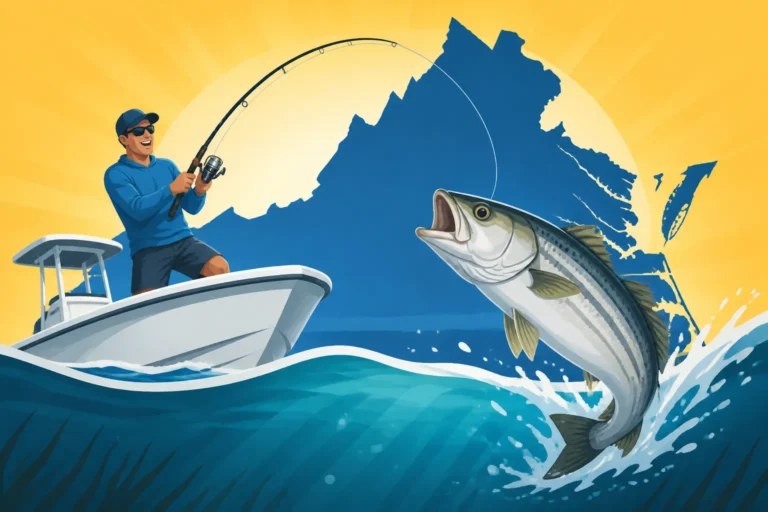
The primary mission of Virginia's Conservation Police Officers is wildlife conservation and the enforcement of fishing, hunting, and boating laws. When they patrol fishing spots, they aren't just looking to ticket people; they're actively monitoring the health of our ecosystems and ensuring fair play. For instance, they're checking for compliance with catch limits and size restrictions, making sure anglers aren't overharvesting specific species like striped bass or trout, which could severely impact future populations. This helps to protect the long-term viability of Virginia's diverse fisheries.
Beyond catch limits, wardens also ensure that fishing gear is used legally, preventing the use of illegal nets, traps, or destructive fishing methods that could harm the environment or non-target species. They investigate reports of poaching, pollution, and habitat destruction, all of which are critical to the well-being of our rivers, lakes, and coastal waters. Every time you buy a license, a portion of that fee goes directly into these conservation efforts, helping fund fish stocking programs, habitat restoration, and enforcement. It's a collective effort, and the wardens are on the front lines, making sure everyone contributes and adheres to the rules designed to benefit us all.
Where You're Likely to Encounter a Warden
You might be surprised by the sheer breadth of areas where Virginia game wardens conduct their patrols. It's not just the obvious spots like busy boat ramps or popular fishing piers. They cover vast territories, from the serene mountain streams of the Shenandoah Valley to the bustling tidal waters of the Chesapeake Bay. You could encounter them on sprawling freshwater impoundments like Smith Mountain Lake or Lake Anna, where anglers pursue largemouth bass and striped bass, or along the banks of major rivers such as the James, Rappahannock, or Potomac.
Don't assume that remote spots are off-limits, either. Wardens often use ATVs, canoes, kayaks, and even foot patrols to reach secluded areas where violations might go unnoticed. They also frequently visit state parks, wildlife management areas, and public access points. Whether you're casting from a sandy beach, trolling in the middle of a lake, or quietly fly fishing a wild trout stream, there's always a chance a warden could be nearby. It's truly a testament to their dedication to cover every corner of the Commonwealth's fishing grounds.
What Happens During a License Check
So, you see the unmistakable vehicle or boat approaching, and a uniformed Conservation Police Officer steps out. It’s natural to feel a little nervous, but remember, these checks are routine, and if you’re compliant, it’ll be a quick and uneventful process. Staying calm and cooperative is always the best approach.
The Interaction Itself: What to Expect
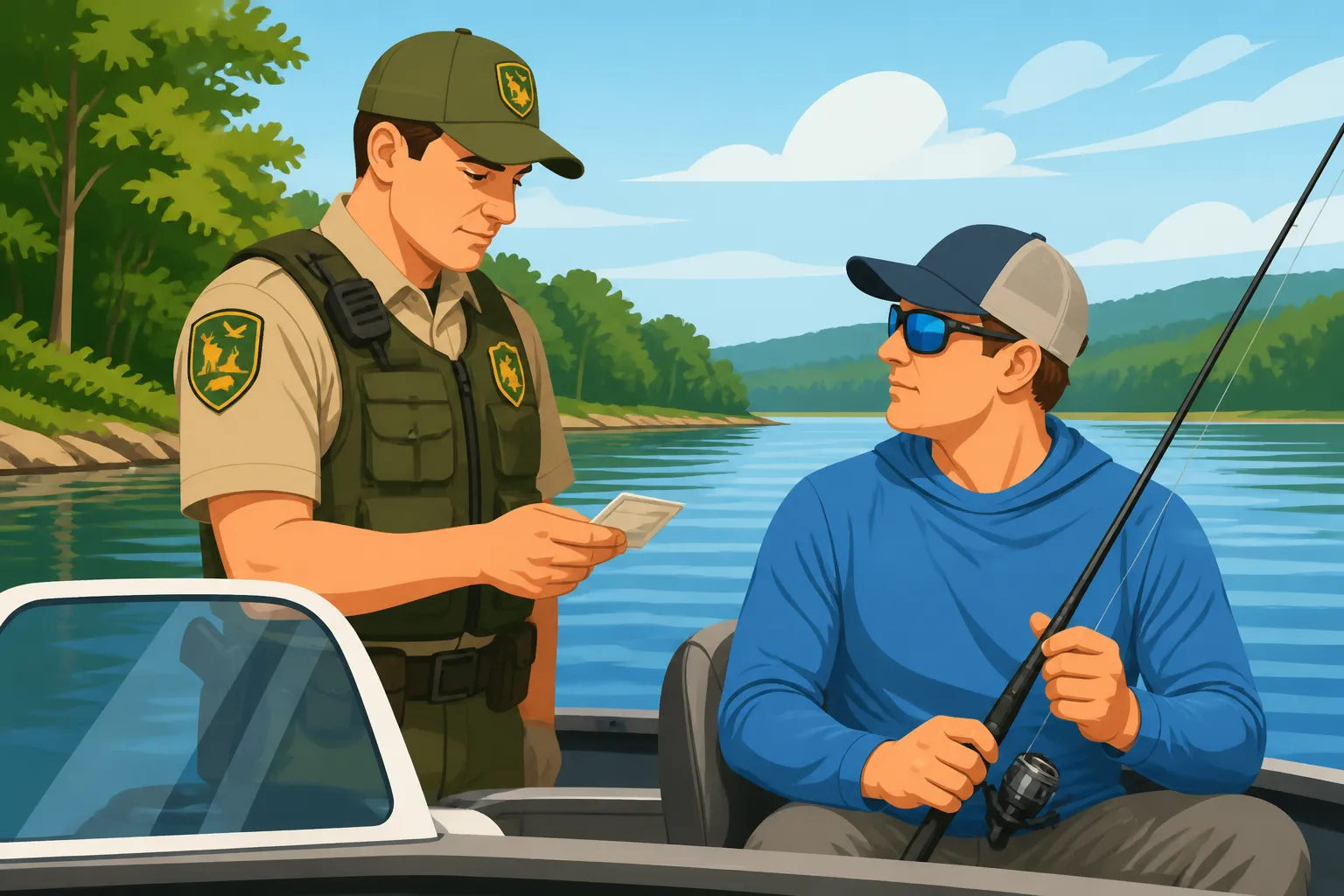
When a Virginia game warden approaches, they will typically identify themselves, state their purpose (e.g., "Conservation Police Officer Smith, conducting a routine fishing license check"), and politely ask to see your fishing license and a form of identification. They might also inquire about your catch, asking to see your cooler or livewell to verify compliance with size and creel limits for species like bass or striped bass. They're looking for honest answers and adherence to regulations, not trying to trick you.
During this interaction, it's crucial to be polite and cooperative. Provide your license and ID promptly. Answer their questions truthfully and respectfully. Resist the urge to argue or become defensive, as this can unnecessarily escalate a simple check. If you have any questions about specific regulations for the area you're fishing, this is actually a great opportunity to ask an expert. Most wardens are more than happy to provide information and clarify rules, especially regarding nuanced regulations like Virginia's 28 to 31 Inch Striped Bass Slot Limit for Charter Anglers or Wild Trout Stream Rules in Virginia. Remember, they are there to enforce the law, but also to educate and protect our natural resources.
Verifying Your License and Identity
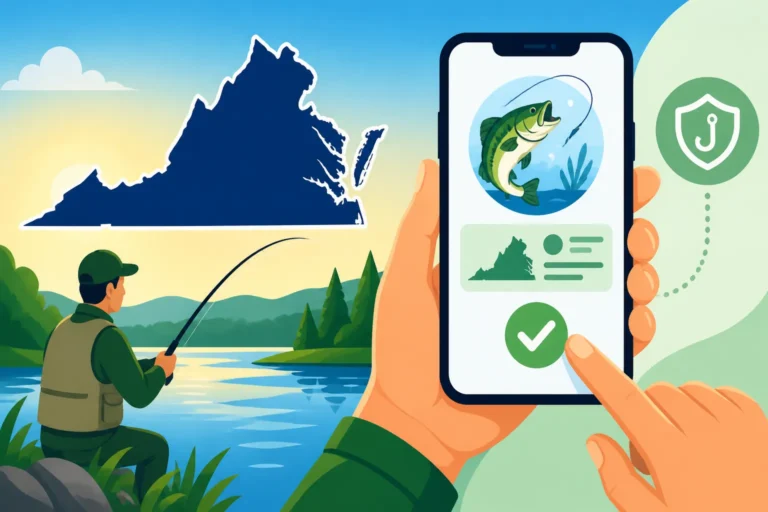
Virginia has made it incredibly convenient for anglers to carry their fishing licenses. While a physical paper copy is always acceptable, you can also display your license on your smartphone. Many anglers prefer this digital option, keeping a screenshot or the license readily available through the Go Outdoors Virginia app. When a warden requests your license, they'll either visually inspect your physical copy or ask you to pull it up on your phone. They'll then typically cross-reference the information on your license with your photo ID to confirm your identity.
In some cases, especially if you're using a digital license or if there's any uncertainty, they might use a portable device to access the DWR database to confirm the validity of your license in real-time. This system is quite efficient and allows them to quickly verify that you have a current Virginia Fishing License valid for one year from purchase date. It's a good idea to ensure your phone is charged if you rely on a digital license, and maybe even keep a waterproof case, easily found on Amazon, to protect it from the elements. Having your license readily accessible prevents delays and shows that you're a responsible angler.
Consequences of Fishing Without a Valid Virginia License
It’s easy to think, “What’s the big deal if I forget my license just this once?” or “I’m only catching and releasing.” But the truth is, fishing without a valid license in Virginia carries real, tangible consequences. The DWR takes these regulations seriously, and for good reason—they directly impact the health and sustainability of our fisheries.
Penalties and Fines
Let's not sugarcoat it: getting caught fishing without a valid Virginia fishing license is a misdemeanor offense. Specifically, it's classified as a Class 4 misdemeanor under Virginia law. While it might not sound as severe as other infractions, a Class 4 misdemeanor can result in a fine of up to $250. This isn't just a slap on the wrist; it's a significant financial hit that could easily buy you several years' worth of licenses.
Beyond the immediate fine, you might also be required to appear in court. This means taking time off work, potential court costs, and the general hassle and stress of navigating the legal system for what should have been a simple day of fishing. While initial offenses might result in just a fine, repeated violations or more severe infractions (like fishing commercially without a commercial license, or exceeding limits by a large margin) can lead to steeper fines, higher classification misdemeanors, and even the potential suspension of your fishing privileges in the Commonwealth. The DWR has strict Penalties for Fishing Without a License in Virginia in place to deter such actions, ensuring that all anglers abide by the rules.
Beyond the Fine: Other Ramifications
The financial penalty is often just the beginning of the unpleasantness. Imagine this scenario: you're out on the water, having a fantastic day, only to have it completely derailed by a citation. Your peaceful fishing trip is instantly overshadowed by frustration and regret. You'll likely be asked to pack up and leave the water, effectively ending your day prematurely. In some more egregious cases, or if other violations are present, a game warden could potentially confiscate your fishing gear, though this is rare for a first-time, simple license offense. The hassle of retrieving confiscated items or replacing them adds another layer of stress and expense.
Furthermore, fishing license fees are directly tied to the vital conservation work done by the Virginia DWR. When someone fishes without a license, they're not contributing their fair share to the efforts that protect fish habitats, stock our waters, conduct scientific research, and ensure our waterways remain healthy. This not only undermines the system but also places a greater burden on the honest anglers who do purchase their licenses. It’s a matter of equity and shared responsibility. By understanding How Fishing License Fees Support Wildlife Conservation in Virginia, you can appreciate why compliance is so important for everyone who loves to fish.
Ensuring You're Always Compliant
The good news is that avoiding these hassles and consequences is incredibly easy. With a little planning and awareness, you can ensure that every fishing trip is legal, enjoyable, and stress-free. There's really no excuse for not having a valid license, especially with how accessible they are today.
Getting Your Virginia Fishing License
Obtaining your Virginia fishing license is a straightforward process, designed to be as convenient as possible for anglers. The easiest and most popular method for How to Buy a Fishing License Online in Virginia is through the Virginia Department of Wildlife Resources (DWR) website. It's a user-friendly platform where you can purchase your license in minutes, print a copy, or save it to your phone. This is often the quickest way to get set up, whether you're looking for a resident freshwater, saltwater, or a combination license.
If you prefer an in-person experience, you can visit any authorized license agent across the Commonwealth. These agents are typically found at sporting goods stores, bait and tackle shops, and even some department stores like Walmart. They can guide you through the options, whether you need a short-term license like Virginia's 5-Day Freshwater Fishing Pass or Virginia's 10-Day Saltwater Fishing License, or an annual one. You can also purchase by mail, though this is the slowest method. Remember to check out the detailed Virginia Fishing License Costs and Types Explained to find the option that best suits your needs, whether you're a Virginia resident or an out-of-state visitor. And don't forget that there are special considerations, such as a Free Fishing License for Virginia Seniors 65 and Older, so always check the specific Virginia Fishing License Requirements for Residents and Nonresidents.
Best Practices for Anglers
Once you have your license, the key is to keep it accessible and valid. First and foremost, always have proof of your license with you when fishing. Many anglers opt to carry both a physical, laminated copy (which you can easily print after an online purchase) and a digital version stored on their smartphone. This dual approach ensures you're covered even if your phone battery dies or your paper copy gets wet. Products available on Amazon like waterproof phone pouches or small, durable wallets can help protect these important documents while you're out on the water.
Another crucial best practice is to always be aware of the specific regulations for the body of water you're fishing. Virginia has a vast array of water types, and regulations can vary significantly. For instance, Virginia Fishing Regulations Explained can be quite different between the tidal James River and a small mountain trout stream. Specific permits might be required for certain activities, such as a special stamp for fishing in designated Stocked Trout License Requirements in Virginia waters. Before you head out, a quick check of the DWR website or the official Virginia Fishing Regulations Handbook (which you can often find digitally or physically at tackle shops) is highly recommended. Regularly checking the expiration date of your license and planning for Renewing a Fishing License in Virginia before it lapses will save you a headache later. Being a prepared angler means knowing the rules and having the proper documentation.
| License Type | Resident Annual Cost (Approx.) | Non-Resident Annual Cost (Approx.) | Notes |
|---|---|---|---|
| Freshwater Fishing License | $23.00 | $47.00 | Required for all freshwater bodies. |
| Saltwater Fishing License | $17.50 | $25.00 | Required for tidal waters and the Chesapeake Bay. Also requires FIP registration. |
| Freshwater/Saltwater Combo | $39.50 | $71.00 | Most convenient for anglers fishing both types of water. |
| 5-Day Freshwater Fishing | $9.50 | $14.00 | Great for short trips or visitors. |
| 10-Day Saltwater Fishing | $10.00 | $10.00 | Uniform price for residents and non-residents, ideal for coastal vacations. |
| Trout Fishing License (Additional) | $23.00 | $23.00 | Required in addition to a freshwater license for designated stocked trout waters. |
Costs are approximate and subject to change. Always check the official Virginia DWR website for the most current pricing.
Disclaimer
The information provided in this guide is for general informational purposes only and does not constitute legal advice. Fishing regulations in Virginia can change, and it is the angler's sole responsibility to ensure compliance with all current state and local laws. Always consult the official Virginia Department of Wildlife Resources (DWR) website and the latest Virginia fishing regulations handbook before heading out on the water.