Charter Fishing License Requirements Explained
One of the most common questions I hear from folks gearing up for a fantastic day on the water in Virginia is, "Do I still need my own fishing license if I'm going out on a charter boat?" It's a completely understandable point of confusion, especially when you're shelling out good money for a guided trip. Nobody wants to accidentally break the law, and the rules around licenses can feel like a maze. This guide is here to clear up that very specific question, explaining exactly what you need to know about charter fishing license requirements in Virginia.
Understanding the General Rule for Charter Fishing Licenses
Let's start with the big picture, the answer most people are hoping for: for the vast majority of charter fishing trips in Virginia, you, as the individual angler, do NOT need to purchase your own fishing license. This is a huge relief for many and one of the big perks of booking a charter.
How the Charter's License Covers You
The magic behind this convenience lies in the fact that licensed charter boat captains operate under a commercial fishing license that covers all passengers on board. Think of it like a blanket policy. When a captain obtains their specific Virginia Department of Wildlife Resources (DWR) or Virginia Marine Resources Commission (VMRC) charter boat license, part of that licensing agreement includes coverage for everyone fishing from their vessel. This means that when you step aboard, say, a Chesapeake Bay charter looking for rockfish, the captain's credentials essentially extend to you. They've already paid the necessary fees and met the requirements to allow everyone on their boat to legally fish. It's their responsibility, not yours, to ensure the vessel is properly licensed.
This system simplifies things immensely, especially for tourists or first-time anglers who might not be familiar with Virginia's specific regulations or where to even begin with getting a license. Imagine trying to figure out if you need a freshwater, saltwater, or combination license, or a special trout stamp, just for one day of fishing. It can be overwhelming! The charter operator handles all that administrative heavy lifting so you can focus on the fun part: catching fish. This is a common practice you'll find across many states, making charter trips an accessible option for everyone from seasoned pros to families with kids casting a line for the very first time. You simply show up, listen to the captain's instructions, and enjoy the experience.
The Benefit for Anglers and Tourism
This "captain's license covers all" rule isn't just a convenience; it's a strategic benefit for both anglers and Virginia's robust fishing tourism industry. For anglers, it removes a significant barrier to entry. You don't have to worry about the hassle of researching license types, finding a vendor, or navigating online portals. If you're visiting Virginia Beach for a weekend and decide spontaneously to book a half-day trip, you can do so without a last-minute scramble for a license. For families, especially those with young children, it means one less thing to manage before an outing. Parents can rest assured that their kids are legally covered, allowing for a stress-free introduction to fishing.
From an industry perspective, this makes Virginia an even more attractive destination for fishing enthusiasts. Charter operations thrive on ease of access, and eliminating individual license requirements streamlines the booking process. It promotes spontaneous trips and encourages visitors to experience Virginia's incredible fisheries, knowing that the regulatory burden is handled by professionals. Reputable booking platforms, like FishingBooker, often highlight this benefit, letting potential customers know that licenses for their trip are typically included. It's a win-win, really, making fishing more accessible while supporting local businesses and the state's outdoor recreation economy.
Virginia's Specific Charter Fishing Nuances
While the general rule is that your charter captain's license covers you, Virginia does have a few specific details and considerations that are worth understanding, particularly when it comes to different types of waters and specific regulations. It’s always smart to be informed.
Freshwater vs. Saltwater Charters
Most of Virginia's charter fishing action, especially when people think "charter," tends to be in saltwater, primarily in the Chesapeake Bay or out of coastal towns like Virginia Beach. For these saltwater charters, the captain's Marine Recreational Fishing License (MRFL) issued by the Virginia Marine Resources Commission (VMRC) is what covers all passengers. This is the license that allows them to take paying customers out for striped bass, flounder, drum, or other species. So, if you're trolling for rockfish or bottom fishing for croaker, you're good to go without your own personal saltwater license. Virginia's Fishing License and Catch Limit Basics can give you more insight into how these licenses generally work.
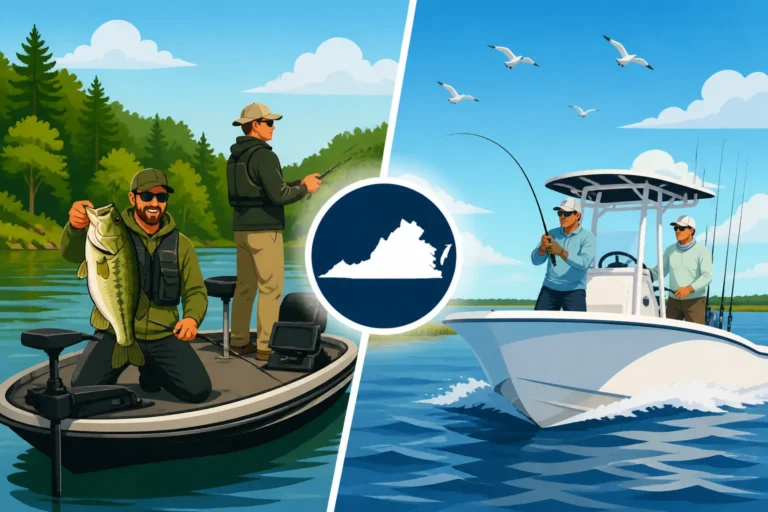
However, Virginia also offers fantastic freshwater guided trips and charters, particularly on large reservoirs like Smith Mountain Lake or Lake Anna for striped bass, or the Shenandoah River for smallmouth bass. For these trips, the guide or captain will operate under a different type of commercial license issued by the Virginia Department of Wildlife Resources (DWR). Just like with saltwater charters, this DWR-issued commercial guide license typically covers all clients on their boat for freshwater fishing. It's always a good idea to confirm with your specific guide whether their license covers all anglers, but this is the standard practice for legitimate operations. If you're ever unsure, a quick call to the guide or checking their website (or their listing on a site like FishingBooker) should clarify things.
Federal Permits and Fishing Information Program (FIP)
Beyond the state-level licenses, there are sometimes federal permits involved, particularly for offshore saltwater fishing or specific species. For instance, if you're targeting highly migratory species like tuna or marlin far offshore, the vessel itself might need specific federal permits. Rest assured, your charter captain is responsible for having all of these in order. You, as the passenger, do not need to acquire these federal permits yourself.
Another important point to understand is the Virginia Saltwater Recreational Fishing License and FIP (Fisheries Information Program) registration. While charter passengers are generally exempt from needing a personal saltwater license, there are scenarios where individuals who do purchase their own Virginia saltwater license might also need to register with the FIP, especially if they are fishing from their own vessel or shore. The good news for charter clients is that you don't typically need to worry about individual FIP registration because the charter boat's commercial license satisfies these reporting requirements for all onboard. The captain handles the reporting of catches, contributing to the vital data collection that helps manage fish populations. This is another layer of responsibility that a professional charter operator takes off your plate.
| Angler Type | Fishing Location | Personal License Required? | Explanation |
|---|---|---|---|
| Passenger on Charter | Virginia Saltwater | No | Covered by Captain's Commercial MRFL. |
| Passenger on Charter | Virginia Freshwater | No | Covered by Guide's Commercial DWR License. |
| Angler on Private Boat | Virginia Saltwater | Yes (and FIP registration) | Must purchase own Virginia saltwater license and register with FIP. |
| Angler on Private Boat | Virginia Freshwater | Yes | Must purchase own Virginia freshwater license. |
| Shore Angler | Virginia Saltwater | Yes (and FIP registration) | Must purchase own Virginia saltwater license and register with FIP. |
| Shore Angler | Virginia Freshwater | Yes | Must purchase own Virginia freshwater license. |
| Out-of-State Angler on Charter | VA Saltwater/Freshwater | No | Same as resident charter passengers; covered by captain's license. |
This table simplifies the core differences. Always remember, if you're not on a licensed charter, the responsibility for your license is entirely yours. Virginia Fishing License Requirements for Residents and Nonresidents offers a comprehensive breakdown of those scenarios.
Why the Charter Captain Handles It All
The system where the charter captain provides the license coverage isn't just about convenience; it’s about professionalism, accountability, and ensuring a safe, legal, and enjoyable experience for everyone involved. When you book a trip, you’re not just paying for a boat ride; you’re investing in the captain's expertise, equipment, and their adherence to all regulations.
Professionalism and Compliance
A professional charter captain or guide isn't just someone who owns a boat; they are a licensed commercial operator. This means they've gone through specific training, passed examinations, and obtained certifications (like a U.S. Coast Guard Master license for many saltwater operations). Part of their professional responsibility is to be fully compliant with all state and federal fishing regulations, which includes having the appropriate commercial fishing licenses and permits. They have to keep up with changes in Virginia Fishing Regulations Explained, catch limits, and seasons. This ongoing commitment to compliance means that when you step onto their boat, you are automatically under their legal umbrella.
They understand the nuances of the law far better than an occasional angler ever could. For example, a captain knows exactly when Virginia's Striped Bass Season and Slot Limit Basics apply, or what specific rules might be in effect for particular species or bodies of water. This expertise is part of what you’re paying for. It eliminates the risk of an individual angler inadvertently violating a rule due to lack of knowledge. You can trust that the person at the helm has all their ducks in a row, allowing you to relax and focus on the fishing itself. Websites like FishingBooker often detail a captain's credentials, giving you peace of mind before you even book.
What's Included in Your Charter Fee
When you pay for a charter trip, you're buying into a complete package. Beyond the boat and the captain's expertise, this typically includes:
- Your fishing license coverage: As discussed, this is usually covered by the captain's commercial license.
- All necessary fishing gear: Rods, reels, tackle, and often bait are provided. You don't need to bring your own unless you specifically prefer to.
- Safety equipment: Life jackets, first-aid kits, communication devices, and other safety gear are mandated and maintained by the captain.
- Navigation and fish-finding electronics: The captain uses advanced equipment to locate fish and navigate safely, increasing your chances of a successful trip.
- Fuel, ice, and basic amenities: These operational costs are all factored into your fee.
This comprehensive approach is why charter fishing is such a popular option for many. It's a "turn-key" experience. You show up, everything is ready, and you get to enjoy a day of fishing without the overhead or logistical headaches. Think about what it would cost to buy a boat, maintain it, purchase all the gear, and then ensure you're compliant with all licenses and regulations – the charter fee suddenly looks very reasonable for a stress-free outing. If you're curious about what else is generally included, checking out What's Included in a Virginia Fishing Charter can provide further details.
Other Important Considerations for Your Trip
While the license aspect is often taken care of, there are still a few things you, as the angler, might want to consider or clarify before and during your charter trip in Virginia. Being prepared always enhances the experience.
Confirming with Your Captain
Even though the general rule is that your charter captain covers your license, it never hurts to confirm this detail when you're booking or before you embark. A quick question like, "Does your charter's license cover all anglers, or do I need to get my own?" is perfectly acceptable. Reputable captains will be happy to clarify and reassure you. This is especially true if you’re booking a more specialized trip, or if there's any ambiguity. For example, some small, independent guides on very specific trout streams might operate differently, though this is rare for larger "charter" operations. When browsing options on a platform like FishingBooker, pay attention to the details listed for each trip, as they often explicitly state if licenses are included. How to Book a Fishing Charter in Virginia details other important questions you should ask.
It's about peace of mind. Knowing for sure that you're legally good to go means one less thing to worry about, allowing you to fully immerse yourself in the excitement of the fishing trip. This proactive approach ensures there are no surprises on the day of your adventure and that everyone is on the same page.
Understanding Catch Limits and Regulations
While your license is handled, you are still personally responsible for adhering to all other fishing regulations, such as catch limits, minimum size requirements, and possession limits. Your captain will certainly guide you and ensure that the boat as a whole stays within legal limits, but it's good practice for you to be aware as well. If you catch a fish that's too small or out of season, the captain will instruct you to release it. Don't argue! They are trying to protect both you and their livelihood.
For instance, if you're on a Chesapeake Bay Striped Bass Fishing Guide trip, you'll likely learn about the Virginia Rockfish Slot Limit and Possession Rules which state you can keep one fish within a very specific size range. It's crucial that every angler on board understands and respects these rules. This isn't just about avoiding fines; it's about ethical angling and contributing to the conservation efforts that keep Virginia's fisheries healthy and productive for years to come. Your captain is your best resource for understanding these rules in real-time on the water, so listen closely to their instructions.
What to Bring (Beyond a License)
Since you won't typically need your own fishing license, what should you bring on a Virginia fishing charter? Focus on personal comfort and essentials:
- Appropriate clothing: Layers are always a good idea. Even on a warm day, it can be cooler on the water. A rain jacket is wise, just in case.
- Sun protection: Sunscreen, a wide-brimmed hat, and polarized sunglasses are non-negotiable for a day out on the water. The sun's reflection can be intense.
- Food and drinks: Pack snacks, sandwiches, and plenty of water or other beverages. Most charters don't provide meals.
- Cooler (for your catch): If you plan on keeping fish, bring a cooler to transport your fillets home. The charter will usually have ice on board for your catch, but your personal cooler for the ride home is a good idea.
- Camera: To capture those amazing memories and trophy catches!
- Motion sickness medication: If you're prone to seasickness, take medication before you board, as directed.
- Gratuity for the crew: It's customary to tip your captain and mate for their hard work and expertise. This is a big one that many first-timers forget! Tipping Norms for Virginia Fishing Charter Crews can give you more details on appropriate amounts.
By preparing these items, you'll be set for a fantastic day of fishing in Virginia, free from license worries and ready to make some incredible memories.
Disclaimer
This article is for general informational purposes only and does not constitute professional advice. Laws, prices and regulations vary by location and change over time. Consult a qualified professional for guidance on your specific situation.