What to Look for When Booking a Virginia Fishing Charter
Deciding to book a fishing charter in Virginia is exciting, but for many anglers, especially those new to the region or to charter fishing in general, the sheer number of options can feel completely overwhelming. From the expansive Chesapeake Bay to the serene inland lakes and rivers, knowing what kind of trip to choose, what questions to ask, and what to expect can make or break your experience. This comprehensive guide is here to walk you through everything you need to consider, ensuring you pick the perfect Virginia fishing charter for your adventure.
Understanding Your Fishing Goals and Desires
Before you even start browsing for captains or boats, the very first step is to sit down and honestly think about what you want out of your fishing trip. Are you chasing a trophy fish, hoping for a relaxing day on the water with family, or trying to learn new techniques? Your answers will dramatically narrow down your choices and help you find the ideal charter experience.
Identifying Your Target Species
Virginia boasts an incredible diversity of fish, both in its freshwater lakes and rivers, and its vast saltwater estuaries and ocean waters. What you want to catch directly influences where you go and what kind of charter you need. If you've always dreamed of battling a powerful striped bass, often called "rockfish" in these parts, then a trip to the Chesapeake Bay or a freshwater impoundment like Smith Mountain Lake might be your target. These charters are specifically geared up for handling large, strong fish, often employing different trolling or live bait strategies. You can learn more about A Guide to Striped Bass Fishing in Virginia.
Perhaps you're more interested in a calmer day catching flounder for dinner, or the thrill of reeling in hard-fighting red drum. These species generally require different locations, tackle, and even seasons. For instance, flounder are typically found closer to the bottom in shallower, sandy areas or around structure, making them a great target for bottom fishing techniques. Meanwhile, if you're hoping to introduce kids to fishing, panfish like crappie or bluegill are often more accessible and provide plenty of action, which would lead you to a freshwater guide on a lake. Understanding the specific habits and habitats of your desired catch, whether it's Virginia Bass Fishing: Largemouth, Smallmouth, Spotted, and Alabama Bass or something else entirely, is key.
Defining Your Experience Level and Group Dynamic
Are you a seasoned angler who knows the difference between a crankbait and a jig, or are you a complete beginner just hoping to get a line wet? Are you planning a solo adventure, a romantic outing, a buddies' trip, or a family excursion with young children? These factors are hugely important. A charter that caters to hardcore, experienced anglers might not be the best fit for a family with a toddler who needs frequent breaks. Many captains specialize in family-friendly trips, offering patience and guidance for little ones and ensuring a comfortable, safe experience. They might even have gear specifically sized for smaller hands.
On the other hand, if you're looking to hone your skills, an experienced guide can provide invaluable instruction on specific techniques, lure choices, and reading the water. Don't be shy about communicating your experience level and who will be in your group when you're making inquiries. This helps the captain manage expectations and tailor the trip to ensure everyone has a great time. Exploring Family-Friendly Fishing Charters in Virginia can give you specific options if you're bringing the whole crew.
Choosing Your Fishing Environment: Freshwater, Saltwater, or Bay
Virginia offers a stunning array of fishing environments, each with its own charm and challenges. The vast Chesapeake Bay, with its tidal rivers like the James, York, and Rappahannock, offers world-class saltwater fishing for species like striped bass, croaker, flounder, and red drum. The dynamics of bay fishing, with its currents and diverse bottom structures, can be quite different from open ocean fishing or even inland lake fishing. Charters operating in the Bay often use larger boats equipped for navigating these waters, dealing with larger waves, and covering significant distances.
Inland, Virginia is home to spectacular freshwater lakes like Smith Mountain Lake, Lake Anna, and Claytor Lake, renowned for their bass, crappie, and even freshwater striped bass fisheries. A lake guide will typically run a bass boat or a pontoon, focusing on different techniques suited for calmer, more contained waters. Then there are the scenic rivers, such as the Shenandoah or the James upstream, which offer fantastic smallmouth bass and trout fishing, often requiring smaller boats, rafts, or even wading with a fly-fishing guide. Each environment presents a unique experience, so consider what kind of scenery and fishing action appeals most to you. For those drawn to the big estuary, Chesapeake Bay Fishing Charters in Virginia is a great starting point.
Navigating Charter Types and Durations
Once you have a clearer picture of your fishing goals, the next step is to understand the different types of charters available and how trip length can impact your experience and budget. It's not just about getting on a boat; it's about the kind of journey you want to have.
Private Charters vs. Shared (Headboat) Trips
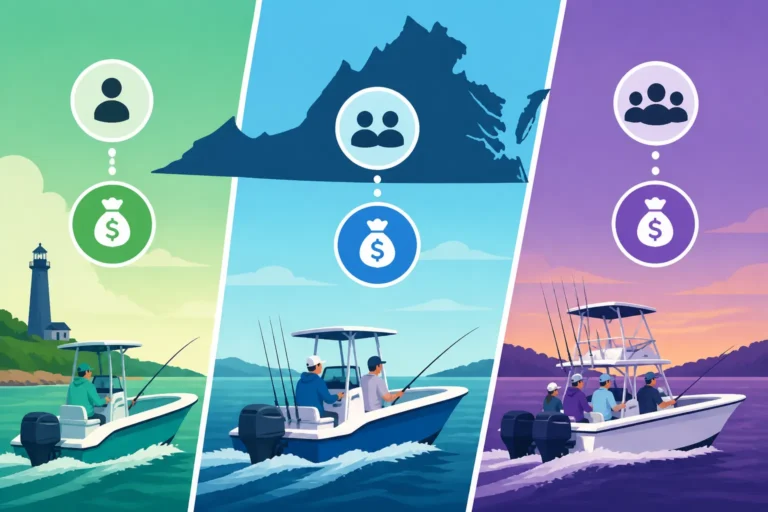
This is one of the biggest decisions you'll make when booking a charter. A private charter means you and your chosen group (family, friends, colleagues) have the entire boat and captain to yourselves. This offers several distinct advantages:
- Flexibility: You have more say in where you go, what you target, and how much time you spend on different techniques. The captain can tailor the trip to your group's specific interests and skill levels.
- Personal Attention: The captain and crew's focus is entirely on your group, providing personalized instruction, untangling lines, and helping everyone maximize their fishing time.
- Privacy: It's just your group, allowing for more relaxed conversation and camaraderie without worrying about strangers.
The downside, of course, is the cost. While the per-person price might be higher, if you have a group large enough to split the cost, it can be quite comparable to individual tickets on a shared trip, with significantly more benefits.
Shared trips, often called "headboats" or "party boats," involve multiple individuals or small groups booking spots on a larger vessel.
- Cost-Effective: This is often the most economical way to experience charter fishing, as the cost of the boat, captain, and fuel is spread among many passengers.
- Social Aspect: You get to meet other anglers, share stories, and sometimes even learn from their techniques.
- Less Pressure: There's less individual pressure to perform, and you can simply enjoy the ride and the fishing.
The main drawbacks are less flexibility in target species or locations, and less individual attention from the crew, who are managing many lines and many people. It's a fantastic option for solo anglers or small groups on a budget who just want to get out on the water. Think about Private vs Shared Fishing Charters in Virginia before you commit.
Deciding on Trip Length: Half-Day, 3/4-Day, or Full-Day
The duration of your trip significantly impacts the fishing possibilities and your overall experience.
Half-Day Charters
Typically lasting 4-5 hours, half-day trips are perfect for families with young children, beginners, or those on a tighter schedule. They usually focus on closer fishing grounds and target more accessible species. You might not have time to chase a specific trophy fish, but you'll get plenty of action and a good introduction to charter fishing. They are a great way to test the waters without committing to a full day. Often, these trips are less expensive, making them a budget-friendly option.
3/4-Day Charters
A 3/4-day trip, usually around 6-7 hours, strikes a fantastic balance. It provides more time on the water than a half-day, allowing the captain to travel further to different fishing spots or spend more time focusing on specific techniques or species. You get a deeper fishing experience without the full commitment of a whole day, and it's often a sweet spot for groups looking for a substantial trip that isn't overly exhausting. Many anglers find this length ideal for a serious fishing outing that still leaves time for other activities later in the day. Virginia Beach often offers these Virginia Beach 3/4-Day Charter Trips.
Full-Day Charters
These are typically 8 hours or more and are generally reserved for serious anglers or those seeking a truly immersive experience. A full-day trip allows the captain to venture to more distant fishing grounds, explore multiple locations, and dedicate ample time to targeting specific, harder-to-find species or trophy fish. If you're after a particular species, want to try various techniques, or simply want to maximize your time on the water, a full-day charter is the way to go. Be prepared for a longer day and ensure everyone in your group is up for the challenge. Comparing Half-Day vs Full-Day Fishing Charters in Virginia can help you weigh the pros and cons for your group.
| Trip Length | Typical Duration | Best For | Advantages | Considerations |
|---|---|---|---|---|
| Half-Day | 4-5 hours | Beginners, families with kids, shorter schedules | Cost-effective, less tiring, good introduction | Limited range, fewer target species |
| 3/4-Day | 6-7 hours | Anglers wanting more time, balanced experience | More fishing time than half-day, good value, wider range | Can still feel a bit rushed for deep-sea trips |
| Full-Day | 8+ hours | Experienced anglers, targeting specific trophies, maximum time on water | Maximum range, multiple spots, best chance for trophy fish | More expensive, can be tiring, requires full commitment |
Evaluating Captains and Boats
Once you know what kind of trip you want, the next crucial step is finding the right captain and boat. This isn't just about finding someone with a license; it's about finding a guide who matches your style, prioritizes safety, and knows their local waters inside and out.
Captain's Experience, Personality, and Licenses
A truly great fishing charter experience often hinges on the captain. You want someone with extensive local knowledge, not just of the fishing spots, but of the current conditions, fish patterns, and relevant regulations. An experienced captain can make all the difference between a slow day and a successful one, knowing when to move, when to change bait, and how to adapt to unexpected challenges like changing weather. Don't be afraid to ask about their years of experience fishing these particular waters and what their specialty is.
Beyond experience, consider their personality. Do they sound patient and encouraging, especially if you're bringing beginners or children? Are they passionate about teaching, or more focused on just getting fish in the boat? Many online booking platforms, like FishingBooker, allow you to read reviews from previous customers, which can offer invaluable insight into a captain's demeanor and teaching style. You want a captain who is not only a skilled angler but also a good host. Finally, ensure they are properly licensed and insured – this is non-negotiable for your safety and peace of mind. A legitimate charter captain will proudly display their credentials or readily share that information.
Boat Features, Amenities, and Safety
The vessel itself plays a significant role in your comfort, safety, and fishing success. Charters come in all shapes and sizes, from agile center console boats perfect for bay fishing to larger sportfishing yachts designed for offshore adventures, or even smaller bass boats for lake and river excursions. Consider the size of your group and the type of fishing you'll be doing. A larger boat generally provides more stability in rougher waters, more deck space for multiple anglers, and often more amenities like a private head (toilet) or shaded areas.
When discussing boats, ask about what amenities are available. Does it have a restroom? Is there a cooler for your drinks and snacks, or should you bring your own? What kind of fishing equipment is on board – modern electronics like fish finders and GPS are standard for many, but some might have specialized gear for specific techniques. Most importantly, inquire about safety equipment. A reputable captain will have all necessary safety gear, including life jackets for all passengers (including children), a first aid kit, communication devices, and emergency procedures in place. You should feel secure and confident in the vessel and the captain's commitment to safety.
The Importance of Reviews and Reputation
In today's connected world, researching a charter's reputation is easier than ever. Websites like FishingBooker are excellent resources, compiling reviews and ratings from past clients. Take the time to read through these reviews carefully. Look for consistent themes:
- Positive Feedback: Are people praising the captain's knowledge, patience, and ability to find fish? Do they mention clean boats and good equipment?
- Constructive Criticism: Sometimes, even good charters get a less-than-perfect review. See how the captain responds. Are they professional and willing to address concerns?
- Specific Details: Look for reviews that mention the type of trip you're interested in, whether it's Virginia Striped Bass Charter Season Explained or a family outing.
A charter with many positive, recent reviews is usually a strong indicator of a reliable and enjoyable experience. Be wary of charters with very few reviews, or those with consistently negative comments about safety, professionalism, or fishing success. A good reputation isn't just about catching fish; it's about providing a professional, safe, and enjoyable experience from start to finish.
Understanding Costs and What's Included
Charter fishing is an investment, and like any investment, you want to understand what you're paying for. The sticker price rarely tells the whole story, so it's essential to dig a little deeper into the costs and what is genuinely included in your trip.
Base Price and Standard Inclusions
When you see a price quoted for a Virginia fishing charter, it almost always includes the boat, the captain's time and expertise, fuel (though sometimes a surcharge applies for long-distance offshore trips), and standard fishing equipment. This means rods, reels, basic bait, and tackle are typically provided. This is a huge convenience, especially for visitors or new anglers who don't want to transport or invest in specialized gear. Many charters will also have a cooler with ice to keep your catch fresh.
However, "standard" can vary, so it's crucial to confirm what specifically is covered. Don't assume anything. Ask explicit questions like: "What fishing gear is included?", "Is all bait and tackle provided, or do I need to bring anything specific?", and "Is there ice for my drinks and fish?". Knowing these details upfront prevents surprises and helps you pack appropriately. You might be surprised at the value when you consider What's Included in a Virginia Fishing Charter.
Navigating Potential Hidden Costs and Extras
This is where many anglers get caught off guard. While the base price covers the essentials, several additional costs can add up:
- Fishing Licenses: Most reputable charter boats operate under a blanket fishing license that covers all passengers on board. This is a fantastic perk, meaning you don't need to purchase individual licenses. However, always confirm this beforehand. Some smaller guides or specific types of trips might require you to have your own. Never assume, especially when regulations like Virginia Fishing License Requirements for Residents and Nonresidents are so important.
- Fish Cleaning: While many captains and crews are happy to clean and fillet your catch, this is often an additional service for which they charge a fee. The fee might be per fish, per pound, or a flat rate. Discuss this before you head out if you plan on taking fish home.
- Food and Beverages: Unless explicitly stated, you are usually responsible for bringing your own food, snacks, and drinks. Some high-end charters might offer catering or basic refreshments, but assume you need to pack your own cooler.
- Gratuities (Tips): Tipping the captain and crew is customary in the charter fishing industry, much like in restaurants or other service industries. A standard tip is typically 15-20% of the total charter price, assuming you had a good experience. This is a significant part of the crew's income, and a well-deserved thank you for their hard work. Plan this into your budget. For more details, see Tipping Norms for Virginia Fishing Charter Crews.
- Fuel Surcharges: While less common for inshore or bay trips, longer offshore trips, especially during periods of high fuel costs, might have a fuel surcharge. This should be communicated clearly at the time of booking.
Understanding License Requirements
As mentioned, often the charter's blanket license covers passengers. But it's vital to confirm this directly with the captain or booking agent. For example, if you book through a service like FishingBooker, the listing will usually specify if licenses are included. For freshwater trips on specific lakes, or if you plan to do any fishing on your own before or after the charter, you might still need to obtain your own Virginia Fishing License Guide. This is especially true if the charter operates in a state where reciprocity agreements might affect individual licensing, or if you're engaging in a specialized type of fishing that falls outside the charter's general permit. Always err on the side of caution and ask directly, "Does a Virginia fishing charter include your license?"
Logistics and Preparation for Your Trip
You've found your ideal charter, understood the costs, and you're ready to go! Now it's time to iron out the final details and ensure you're fully prepared for a fantastic day on the water. A little planning goes a long way in making your trip smooth and enjoyable.
The Booking Process and Cancellation Policies
Booking a charter usually involves selecting a date, confirming the number of anglers, and placing a deposit. Many charters require a deposit to secure your date, with the balance due on the day of the trip. Popular charters, especially during peak seasons like the Virginia Striped Bass Split Season Dates Explained or specific fishing events, can book up months in advance, so plan ahead! Using an online platform like FishingBooker can streamline this process, allowing you to compare availability, read reviews, and book securely.
Crucially, understand the cancellation policy. Weather can be unpredictable, especially near the coast. What happens if the weather is bad? Who makes the call to cancel – the captain or you? Will you receive a refund, or can you reschedule? Most reputable charters will offer to reschedule or provide a full refund for trips canceled due to unsafe weather conditions (e.g., high winds, storms) at the captain's discretion. However, cancelling on your own due to a change of plans might mean losing your deposit. Read the fine print carefully, and don't hesitate to ask questions if anything is unclear.
What to Bring for a Comfortable Trip
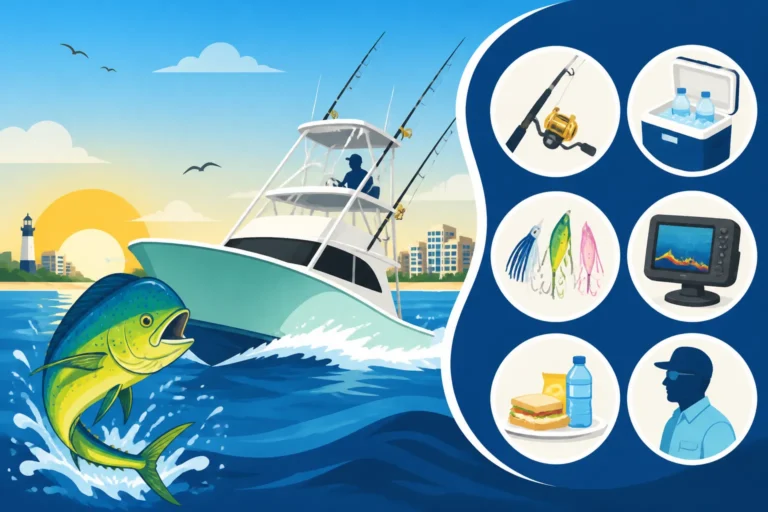
Even if the charter provides all the fishing gear, there are essential items you should bring to ensure your comfort and enjoyment:
- Appropriate Clothing: Dress in layers, as temperatures can change dramatically on the water. A waterproof jacket is a good idea, even on sunny days, for spray or unexpected showers. Hats and sunglasses are non-negotiable for sun protection. Light-soled shoes are best to avoid slipping and scuffing the boat deck.
- Sun Protection: Sunscreen (at least SPF 30), a wide-brimmed hat, and polarized sunglasses are critical. The sun's rays reflect off the water, increasing your exposure.
- Food and Drinks: Pack plenty of water, soft drinks, and snacks. A small cooler with ice for your personal items is usually fine. Avoid excessive alcohol.
- Cooler for Your Catch: If you plan on keeping fish, bring a separate cooler in your car to transport your cleaned catch home. Don't bring it on the boat unless specifically instructed by the captain.
- Medications: If you take daily medications, don't forget them. If you're prone to motion sickness, take preventative medication well before the trip begins.
- Camera: To capture those memorable moments!
- Small Backpack/Dry Bag: To keep your personal items organized and dry.
Check out What to Bring on a Virginia Fishing Charter for a more extensive list, and always confirm with your captain if there are any specific items they recommend or prohibit.
On-Board Etiquette and Post-Trip Considerations
Once on board, a few courtesies will ensure a smooth trip for everyone. Listen carefully to the captain's safety briefing and instructions. They are the expert and their word is law on their vessel. Be respectful of other anglers' space and lines, especially on shared trips. If you're unsure about something, just ask!
When it comes to your catch, discuss with the captain what the plan is. Regulations on Virginia's Fishing License and Catch Limit Basics will dictate what you can keep. Many captains are happy to clean your fish, often for a fee, so inquire about that service if you want to take your fish home table-ready. Don't forget to factor in the tip for the crew – this is an important part of showing your appreciation for their hard work, knowledge, and service throughout the day. Finally, take a moment to reflect on your experience and consider leaving an honest review on a platform like FishingBooker; it helps other anglers make informed decisions and supports the captain's business. You can read more about what to expect after your trip in Cleaning Your Catch After a Virginia Charter Trip.
Disclaimer
This article is for general informational purposes only and does not constitute professional advice. Laws, prices and regulations vary by location and change over time. Consult a qualified professional for guidance on your specific situation.