Best Bait for Rainbow Trout in Mountain Streams
When you stand by the edge of a crystal-clear mountain stream in Virginia, the crisp air biting just a little, and you know there are feisty rainbow trout hiding in those pools, the question of what bait to use can feel overwhelming. It's not like still-water fishing where fish might have a wider, less picky diet. These wild or wild-ish rainbows in moving water are often more discerning, more cautious, and highly tuned to their natural environment. This guide will dive deep into the best baits, both natural and artificial, to help you consistently fool those beautiful mountain stream rainbows and make your Virginia fishing trips truly memorable.
Understanding Mountain Stream Rainbow Trout Habits
Before you even think about what to tie onto your line, it helps immensely to understand the creatures you're after. Rainbow trout in mountain streams, especially those native or wild-reproducing populations, operate on a different set of rules than their hatchery-raised cousins in a pond. They are survivors, honed by the constant current and the ever-present threat of predators.
What Makes Mountain Trout Different
Mountain stream rainbow trout are typically smaller, sleeker, and far more wary than those found in larger rivers or lakes. Their diet is primarily driven by what the stream naturally provides: aquatic insects, terrestrial insects that fall into the water, and small baitfish or crustaceans if available. This natural forage base is key to understanding what baits will be most effective. They are accustomed to food drifting naturally with the current, which means your presentation needs to mimic this as closely as possible.
These fish thrive in cold, oxygen-rich water, often preferring temperatures between 50 and 60 degrees Fahrenheit. The clarity of mountain streams also means they have excellent eyesight, making them quick to spook at unnatural movements, heavy lines, or anything that just "looks wrong." Their instincts are sharp, developed over generations of living in a dynamic, challenging environment. So, when you're targeting them, subtlety and a deep understanding of their world become your most potent tools.
Reading the Water: Where Trout Hide
To effectively present your bait, you first need to know where the trout are likely to be. Mountain streams are a mosaic of different water types, each offering unique cover and feeding opportunities. Rainbows aren't just sitting anywhere; they're strategically positioned to conserve energy while waiting for food. Understanding these holding spots is paramount to success.
Look for classic trout lies: the tailouts of pools where water speeds up before flowing into a riffle, the eddies behind large rocks or logs that break the current, and the deep, dark pockets of water found at the head of a pool. Undercut banks provide excellent overhead cover and a hiding place from predators, while fallen trees and submerged boulders create current breaks and ambush points. Fishing these specific areas with precision will drastically increase your chances. A good angler doesn't just cast; they "read" the water, identifying the prime real estate where a hungry trout is likely to be lurking. This is where your chosen bait will have the best chance to be intercepted.
Top Natural Baits for Mountain Stream Rainbow Trout
When it comes to tempting a rainbow trout, especially in a natural stream environment, nothing quite beats the real thing. Natural baits tap into the trout's instinctive feeding patterns, often providing both visual appeal and a scent trail that artificial lures can't fully replicate. They're a staple for a reason, and understanding how to effectively use them is a cornerstone of successful stream fishing.
Worms and Nightcrawlers
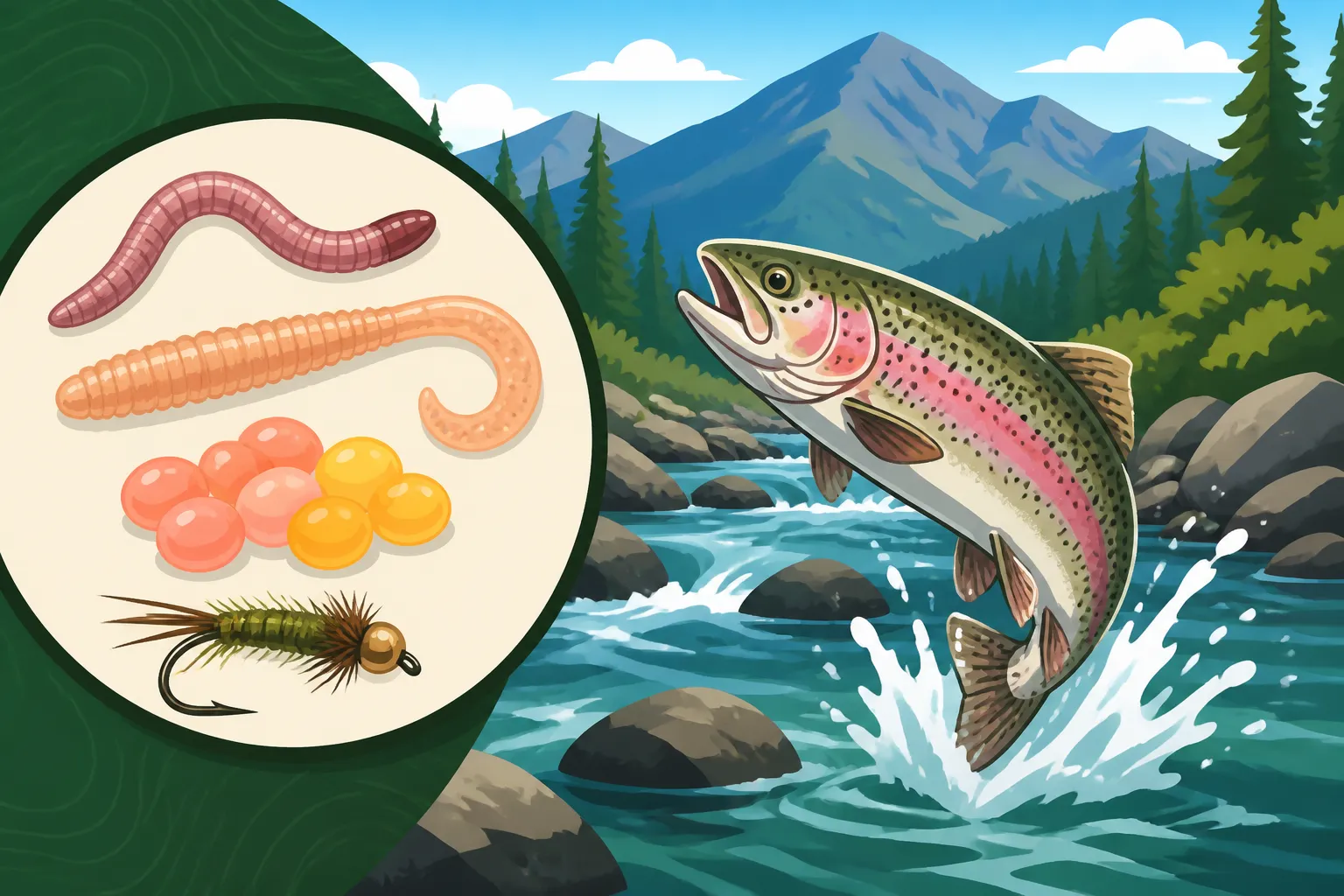
Ah, the humble worm. It's probably the first bait many of us ever fished with, and for good reason: it’s incredibly effective, especially for trout. In mountain streams, a small piece of a nightcrawler or a red wiggler can be absolutely deadly. Trout recognize worms as a natural food source that gets washed into the stream after a rain or is found in the soft substrate. The wriggling action and natural scent are powerful attractants.
When using worms, don't overdo it. A whole nightcrawler is often too large and unnatural for a wary stream trout. Instead, pinch off a small piece, about an inch or two long, ensuring there's enough to cover your small hook (size 10-14 is usually ideal) while leaving a little tail to squirm. Thread the worm piece onto the hook just enough to secure it, but don't ball it up. You want a natural, undulating presentation that mimics a dislodged morsel drifting downstream. Fish it with minimal weight, or even weightless, allowing the current to carry it into promising pockets. This technique can be especially potent in slightly off-color water after a rain, when natural worms are more likely to be washed into the stream.
Live Insects and Larvae
If you want to go truly natural, live insects and their larval forms are often what mountain stream trout are feeding on most actively. Think about what's hatching or falling into the water in that specific season: crickets, grasshoppers, mealworms, and wax worms are all fantastic choices. These baits perfectly mimic the trout's natural diet and can be irresistible.
For terrestrial insects like crickets or grasshoppers, fish them with little to no weight, allowing them to float and drift like they've just fallen from an overhanging branch. A small, light hook gently inserted through the collar or behind the head will keep them lively. For aquatic larvae like mealworms or wax worms, which you can often find readily available from bait shops or even through online retailers like Amazon, presentation is similar to worms: use a small hook and allow for a natural drift along the bottom or mid-column. The key is to present them subtly, letting them drift into pools and runs where trout are actively feeding on similar fare.
Salmon Eggs and Corn
While these might not be "natural" to a Virginia mountain stream environment in the same way worms or insects are, salmon eggs and corn have earned a reputation, particularly for enticing recently stocked trout. The bright colors and distinct scents can trigger a feeding response, especially in less wary fish. However, for truly wild, stream-born rainbows, their effectiveness can be hit or miss compared to more natural offerings.
If you choose to use them, salmon eggs are best drifted naturally, perhaps a small cluster on a single hook, mimicking loose fish eggs. For corn, a few kernels on a small hook can also work, again allowing for a natural drift. These baits tend to perform better in slower moving sections or in areas known to be frequently stocked. It's always worth having a small jar of salmon eggs or a can of corn in your kit for those days when the trout seem to prefer a brighter, more distinct offering, or if you're fishing waters that see a lot of pressure from other anglers using similar baits. Just remember, for the wildest trout, you might need something a bit more subtle.
Effective Artificial Baits for Mountain Stream Rainbow Trout
Sometimes, the conditions or the fish themselves call for something with a little more flash, vibration, or a different kind of presentation. Artificial baits can be incredibly effective in mountain streams, especially when trout are actively feeding, when you need to cover more water, or when you're looking for a specific reaction bite. The trick is choosing the right artificial for the specific stream conditions.
Small Spinners and Spoons
These are classic for a reason and incredibly effective in mountain streams. Small inline spinners, like those from Mepps, Rooster Tail, or Panther Martin, create flash and vibration that can trigger an aggressive strike from a trout that might ignore a more subtle bait. The spinning blade imitates a fleeing baitfish or even a struggling insect, making it irresistible. Similarly, tiny spoons flutter and dart, mimicking injured prey.
When selecting spinners and spoons for mountain streams, think small: 1/16 oz to 1/8 oz is usually ideal. Colors like silver, gold, black, or even a chartreuse or fire tiger pattern can be highly effective depending on water clarity and sunlight. Cast them slightly upstream and across, allowing them to swing and tumble naturally with the current as you retrieve them slowly. This method allows you to cover a lot of water quickly and often elicits a reaction strike from trout tucked away in pockets or behind rocks. You can find a huge variety of these effective little lures on Amazon, perfect for stocking your tackle box.
Miniature Jigs
Don't underestimate the power of a tiny jig in a mountain stream. Miniature marabou jigs, grub jigs, or even tiny hair jigs can be incredibly effective, especially when fished subtly. Their small profile and lifelike action in the water make them perfect for imitating small baitfish, aquatic insects, or even sculpin. The soft, flowing material of a marabou jig pulsates with the slightest current, making it appear alive.
These jigs are best fished with an ultralight setup, often without any added weight, allowing them to sink slowly and naturally. Cast upstream and let the current carry the jig downstream, maintaining just enough tension on your line to feel for subtle bites. Work them through deeper pools, around submerged cover, or along current seams. Experiment with colors – white, black, olive, and brown are often good starting points, as they mimic common forage. You can even find specific "trout magnet" style jigs on Amazon that come in various sizes and colors, designed specifically for these smaller, wary fish.
Soft Plastics and PowerBait
Modern soft plastics have come a long way, and many are now specifically designed to attract trout with their shape, color, and even scent. Small, scented soft plastics like those in the Berkley Gulp! series or specific trout worms can be incredibly effective, offering a lifelike feel that fish often hold onto longer. Then there's the ever-popular PowerBait dough or nuggets, which are a go-to for many anglers, especially in waters that see a lot of stocking.
Soft plastics are versatile. Rig a small grub or worm on a tiny jig head, or wacky-rig a small plastic worm to give it maximum wiggle. Fish these with a slow retrieve or let them drift naturally with the current. PowerBait, on the other hand, is usually fished on a small treble hook (or a single egg hook) with a bit of weight above it, allowing it to float just off the bottom. Its strong scent and bright colors are a powerful attractant. While PowerBait might be a bit less "natural" for wild stream trout, it can certainly elicit strikes, especially if the fish have been exposed to it before. Both types of bait can be easily sourced from outdoor retailers and online platforms like Amazon, making them convenient to add to your trout fishing arsenal.
Tips for Presenting Your Bait in Mountain Streams
Catching rainbow trout in mountain streams isn't just about choosing the right bait; it's heavily reliant on how you present it. These fish are incredibly perceptive and sensitive to their environment, meaning your approach and technique are just as critical as what's on your hook. A perfect bait presented poorly might as well be a rock.
Stealth and Approach
Mountain stream trout are notoriously skittish. Heavy footsteps on the bank, a silhouette against the sky, or even a sudden splash can send them darting for cover, often putting them down for a good while. Your approach needs to be as subtle as possible. Move slowly and deliberately. Wear drab clothing that blends with the surroundings, avoiding bright colors. Keep a low profile, even kneeling or crouching as you approach the water's edge.
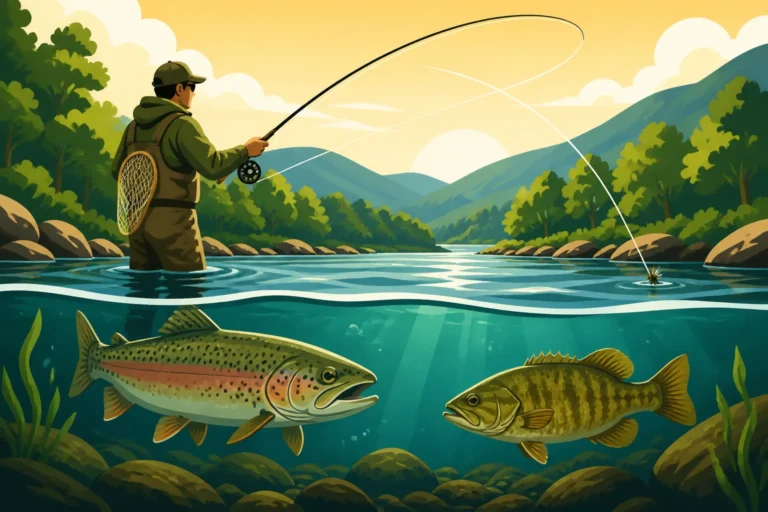
It's almost always best to approach the stream from downstream, casting upstream and allowing your bait to drift naturally back towards you. This minimizes your visibility to the fish, as trout typically face upstream into the current. It also ensures that any disturbance you might cause by wading or walking is carried away from the area you plan to fish, rather than directly into it. Remember, these are wild animals in a clear environment; every little bit of stealth helps you get closer to success.
Reading the Current and Drift
The current is both your friend and your foe when fishing mountain streams. It carries food to the fish, but it can also create unnatural drag on your line, making your bait look suspicious. The goal is to achieve a "natural drift," where your bait moves at the same speed as the surrounding water, as if it were unattached and simply floating downstream. This is arguably the most crucial aspect of stream trout fishing.
To achieve this, cast upstream and across the current, then immediately begin to "mend" your line. Mending involves lifting your rod tip and flipping a loop of line upstream to straighten it out and remove any slack or belly that the current might put in it. This prevents your bait from being pulled unnaturally fast or slowed down by drag. Pay close attention to your line; any sudden stop, twitch, or unusual movement could indicate a bite. If you're using very light bait, a small split shot or two, placed a foot or so above your hook, can help get your bait down into the feeding zone without hindering its natural movement. Consistency in your drift, ensuring your bait looks like natural forage, is what will ultimately convince a wary rainbow to strike.
Equipment Considerations for Stream Trout
Having the right gear makes a huge difference in your ability to present baits effectively and feel those subtle trout bites. You're not trying to cast heavy lures across a vast lake; you're often making delicate presentations in tight quarters. This calls for finesse.
An ultralight spinning rod (4.5 to 6 feet long) paired with a small, sensitive reel is ideal. Spool it with light line, typically 2-4 pound test monofilament or fluorocarbon. Lighter line is less visible to the trout and allows for a more natural drift. Small hooks (sizes 10-14) are essential for natural baits and small artificials, ensuring you don't overwhelm the bait or spook the fish with a giant piece of metal. You'll also want to carry a variety of small split shot weights, from tiny micro-shot up to slightly heavier ones, to adjust to different currents and depths. A small landing net, preferably one with a rubber mesh to protect the fish, is also a smart addition. You can find excellent quality ultralight rods, reels, and a wide array of terminal tackle suitable for mountain stream trout on Amazon, ensuring you have the sensitive setup needed for success.
Here's a quick comparison of popular bait types for mountain stream rainbow trout:
| Bait Type | Pros | Cons | Best Conditions | Virginia Trout Type |
|---|---|---|---|---|
| Worms/Nightcrawlers | Natural scent, universal appeal, easily sourced | Can be messy, sometimes too large for small trout | Post-rain, slightly turbid water, deep pools | Wild and stocked |
| Live Insects/Larvae | Highly natural, irresistible to wary trout | Can be hard to source/keep alive, delicate presentation | Clear water, calm days, when insects are active | Especially effective for wild trout |
| Salmon Eggs/Corn | Bright, strong scent, good for triggering bites | Less natural, often ignored by wild trout | Heavily stocked areas, slower currents | Primarily stocked trout |
| Small Spinners/Spoons | Flash & vibration, covers water quickly, triggers reaction | Can spook wary fish in clear, shallow water if not subtle | Faster runs, deeper pools, aggressive fish | Both wild and stocked, good for searching |
| Miniature Jigs | Lifelike action, subtle, good for finesse fishing | Light weight can be hard to cast in wind, requires feel | Clear water, slow pools, current seams | Both wild and stocked, excellent for wary fish |
| Soft Plastics/PowerBait | Scented, appealing texture, variety of colors | Less natural presentation needed for PowerBait | Stocked waters, slow retrieves, good for scent trail | Primarily stocked, but can entice wild fish too |
Remember, the goal is to make your bait look as natural and appealing as possible to those discerning mountain stream rainbow trout. A thoughtful approach, combined with the right bait and presentation, will set you up for success. Good luck out there!
Disclaimer
This article is for general informational purposes only and does not constitute professional advice. Laws, prices and regulations vary by location and change over time. Consult a qualified professional for guidance on your specific situation.