The 36 to 40 Inch Striped Bass You’ll Find Away From the Tidal Rivers
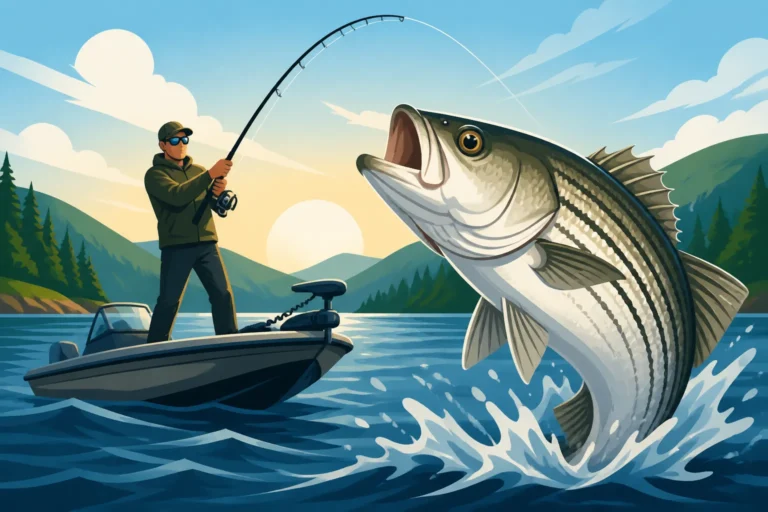
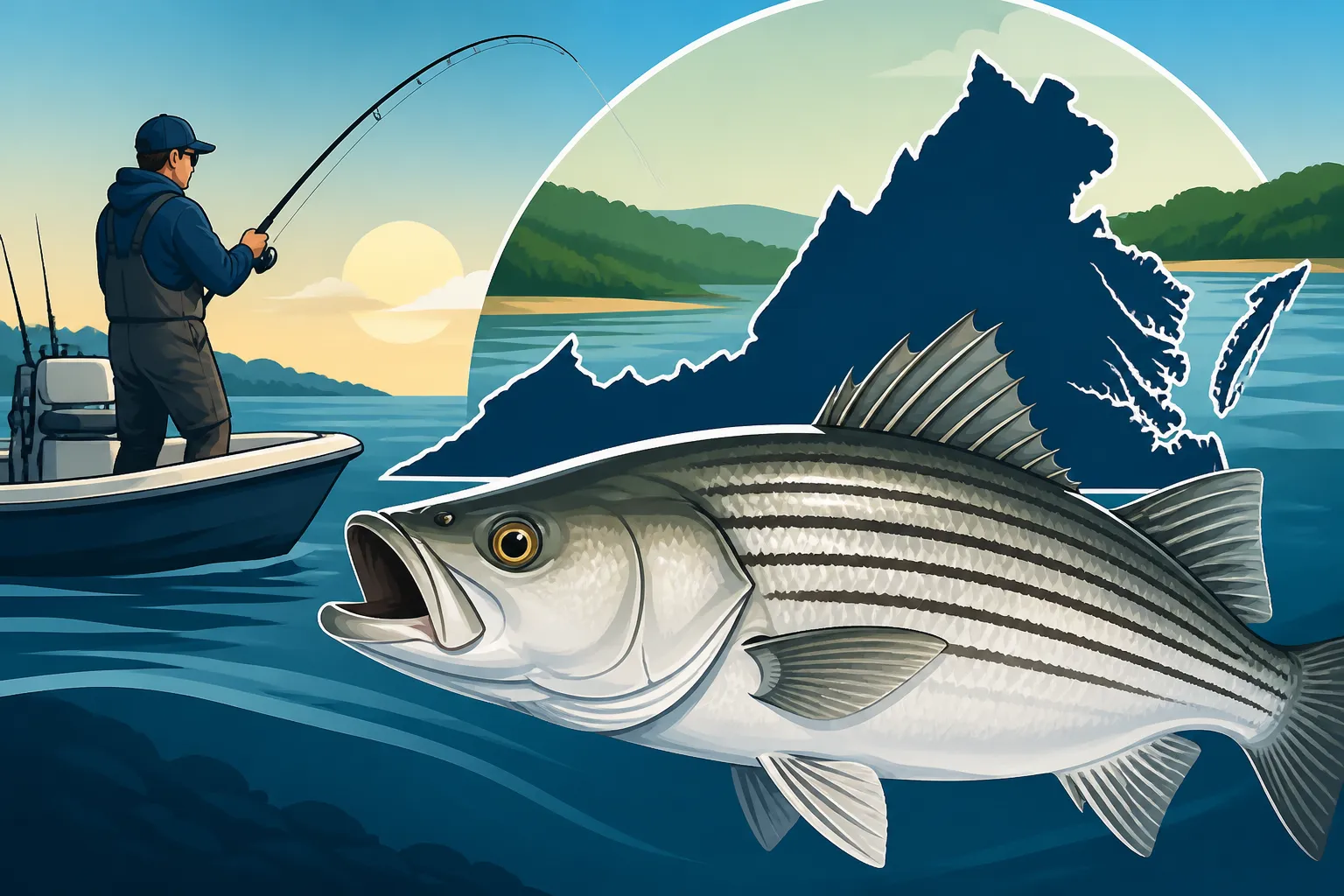
It's an undeniable thrill to feel the powerful pull of a truly big striped bass on the end of your line. While many anglers chase the famed "rockfish" in Virginia's tidal rivers and the Chesapeake Bay, there's a whole other world of trophy striped bass out there, far from the saltwater currents. Many folks don't realize that some of Virginia's inland lakes hold genuine giants, often exceeding the 36-inch mark and pushing towards that elusive 40-inch trophy status. This guide is all about shining a light on these magnificent freshwater brutes, where to find them, and how to increase your chances of landing one of these colossal landlocked stripers.
The Quest for Big Stripers Beyond the Tides: Where to Look
When we talk about striped bass in the 36 to 40-inch range away from the tidal rivers, we're generally talking about the incredible fisheries found in Virginia's large impoundments. These aren't the same striped bass that migrate in and out of the ocean; these are robust, landlocked populations that have found a perfect home in vast freshwater reservoirs. The challenges are different, the techniques can vary, but the reward of hooking into a truly massive striper remains just as exhilarating.
Smith Mountain Lake: A Striper Mecca
Without a doubt, Smith Mountain Lake stands out as a premier destination for trophy landlocked striped bass in Virginia. This massive reservoir, nestled in the Blue Ridge Mountains, has a reputation for producing not just numbers of stripers, but truly gargantuan ones. Anglers regularly pull stripers well over 30 inches here, and the 36-to-40-inch class is a very real possibility for those who put in the time and effort. The lake's deep, clear waters, combined with an abundant forage base, create an ideal environment for these fish to thrive and grow to impressive sizes. It’s a place where dedicated striper anglers make pilgrimages, often employing specialized tactics to target these lunker fish. You can find out more in our Smith Mountain Lake Fishing Guide.
Lake Anna and Claytor Lake: Hidden Gems for Giants
While Smith Mountain Lake often gets the most fanfare, don't overlook other significant impoundments like Lake Anna and Claytor Lake. Lake Anna, with its thermal discharge from the power plant, often keeps water temperatures ideal for stripers even when other lakes might be too hot or cold. This can lead to extended feeding windows and consistent growth. Claytor Lake, nestled in the mountains of Southwest Virginia, also boasts a strong population of healthy, large striped bass. These lakes might not have the sheer volume of Smith Mountain Lake, but they absolutely have the potential to produce those 36 to 40-inch fish that trophy hunters dream of. Each of these lakes presents its own unique challenges and rewards, making them exciting destinations for anglers seeking that big freshwater striper. Check out our Lake Anna Fishing Guide and Claytor Lake Fishing Guide for more details on these fantastic fisheries.
Other Notable Inland Striper Waters
Beyond the big three, there are other reservoirs in Virginia that can surprise anglers with large stripers, though perhaps less consistently in that trophy class. Occasional giants can turn up in places like Kerr Lake (also known as Buggs Island Lake) or Lake Gaston, especially in the deeper, open water sections. These waters, while sometimes more known for bass or crappie, certainly hold the potential for a monster striper to appear on your sonar or hit your spread. It's always worth researching local reports and talking to bait shops to understand the current hot spots, as striper patterns can change with the seasons and baitfish movements.
Why Non-Tidal Stripers Grow So Large: The Ecosystem Advantage
It might seem counterintuitive that striped bass, a species famous for its saltwater migrations, can grow so large in landlocked freshwater. However, these inland impoundments offer a unique set of advantages that allow these fish to reach exceptional sizes, often rivaling or even surpassing their tidal counterparts in individual girth and length.
Abundant and Consistent Forage Base
One of the primary reasons these non-tidal stripers achieve such impressive dimensions is the incredibly rich and stable forage base available to them. Lakes like Smith Mountain Lake are teeming with species like gizzard shad, alewives, and blueback herring. These baitfish are high in fat and protein, providing a consistent and readily available food source that fuels rapid growth. Unlike a tidal environment where prey might be more dispersed or migratory, these lake ecosystems often concentrate baitfish in predictable patterns, making it easier for large stripers to gorge themselves. It's like a perpetual buffet for them!
Stable Environment with Fewer External Stressors
Freshwater impoundments generally offer a more stable environment than dynamic tidal rivers or the open ocean. They don't experience the dramatic salinity fluctuations, strong currents, or intense fishing pressure sometimes associated with coastal fisheries. While they have their own environmental challenges like temperature stratification, these lakes often provide consistent depths and cover. This reduced stress allows the fish to allocate more energy to growth rather than constantly adapting to changing conditions. Additionally, in many of these lakes, natural reproduction of stripers is limited or non-existent, meaning fisheries are often sustained by stocking programs. This careful management can lead to a healthier population with a good distribution of age classes, allowing individual fish to grow old and large.
Genetics and Growth Potential
While all striped bass are genetically predisposed to grow large, the specific conditions in these landlocked environments seem to unlock their full potential. With ample food and reduced stress, these fish can live longer and pack on pounds more efficiently. It's a testament to the adaptability of the species, demonstrating that when the conditions are just right, they can thrive away from the salt. The biggest factor often comes down to the sheer volume of baitfish they can consume without having to expend excessive energy on long migrations or fighting strong tidal currents.
Gear and Tactics for Trophy Freshwater Striped Bass
Chasing 36 to 40-inch striped bass in Virginia's impoundments requires a specific approach and a robust tackle setup. These fish are powerful, and if you're not prepared, they'll make short work of inadequate gear. It's not just about what you use, but how you use it.
Heavy Tackle is Non-Negotiable
Forget your bass spinning rods for these brutes. You'll need heavy-duty conventional or stout spinning tackle capable of handling powerful runs and heavy lures or bait. Medium-heavy to heavy action rods, around 7 to 8 feet long, are ideal. Paired with reels spooled with at least 20-30 pound monofilament or 30-60 pound braided line is a must. Many serious striper anglers prefer conventional reels for their power and line capacity, especially when trolling or using downriggers. When you're dealing with a fish that can easily strip 100 yards of line in a single run, having enough capacity is crucial. For those shopping for reliable, high-capacity reels, a quick search on Amazon will bring up numerous options from reputable brands.
Targeting Methods: Trolling and Live Bait
The most effective methods for consistently targeting these larger stripers typically involve covering a lot of water or presenting large, natural baits.
Trolling with Large Lures or Live Bait
Trolling is a highly popular and effective technique. This involves dragging lures or live bait behind a moving boat at various depths. You'll often see anglers using planer boards to spread out multiple lines, or downriggers and lead core line to get baits down to precise depths where stripers are holding. The lures themselves are often large crankbaits, swimbaits, or umbrella rigs designed to mimic the gizzard shad and alewives that constitute their primary diet. Precision in depth and speed is paramount, so having a good fish finder is essential. Many anglers will purchase their specialized trolling lures, line counter reels, and other necessary trolling accessories from online retailers like Amazon for convenience and selection. Learn more about how these fish behave in Water Temperature and Fish Feeding Patterns.
Live Bait Fishing
Presenting live bait is another killer strategy, especially when stripers are holding deep or are finicky. Large gizzard shad or alewives (where legal and available) are often fished on free lines, under balloons, or weighted down to specific depths. Circle hooks are generally preferred to minimize gut hooking. This method relies heavily on finding schools of baitfish and then presenting your live offering right in the strike zone. Sometimes, simply letting out a live bait on a slip sinker rig when you spot schooling fish on your sonar can be the ticket to a huge striper.
Electronics and Scouting
Modern electronics are an angler's best friend when hunting big stripers. High-quality fish finders with side-imaging and down-imaging capabilities can help you locate schools of baitfish, identify submerged structures, and even spot individual large fish. GPS is invaluable for marking productive spots, tracking trolling paths, and navigating large reservoirs. Don't just motor aimlessly; use your electronics to actively scout for bait and stripers. Once you find them, you can adjust your tactics, whether it's setting up a trolling pass or dropping live bait.
Understanding Regulations for Inland Striped Bass in Virginia
While the general excitement of catching a huge striper is universal, it's critical to understand that the regulations for landlocked striped bass in Virginia's impoundments can differ significantly from those governing coastal or tidal striped bass (often called "rockfish"). Ignoring these rules can lead to serious penalties, so always check the current Virginia Department of Wildlife Resources (DWR) regulations before you head out.
Lake-Specific Rules and Length Limits
Many of Virginia's major striper lakes, like Smith Mountain Lake and Lake Anna, have their own specific slot limits or creel limits that are tailored to manage their unique populations. These limits are put in place to ensure the health and sustainability of the fishery, often encouraging anglers to release larger fish to serve as broodstock while allowing harvest of smaller, more abundant fish. For example, some lakes might have a minimum size, but also a maximum size, or specific "slot" limits where only fish within a certain size range can be kept. Always check the DWR regulations for the specific body of water you plan to fish. You can generally find broad information in guides like Virginia Fishing Regulations Explained.
General State-Wide Requirements
Regardless of where you fish, a valid Virginia fishing license is always required for anyone 16 years of age or older. For freshwater impoundments, you'll need a freshwater fishing license. If you're fishing a lake that crosses into North Carolina (like Kerr Lake or Lake Gaston), you'll need to be aware of reciprocal agreements or ensure you have licenses for both states, depending on where you are on the water. It’s always best practice to carry a physical or digital copy of your license on your person. If you're wondering about costs or types, our Virginia Fishing License Costs and Types Explained article has all the details.
Why Different Rules?
The reason for these varying regulations is simple: the fisheries are distinct. Tidal striped bass are managed as part of a larger Atlantic coast stock, with regulations often influenced by interstate agreements and federal guidelines. Landlocked populations, on the other hand, are self-contained ecosystems managed solely by the Virginia DWR. Their growth rates, reproductive success (or lack thereof, requiring stocking), and overall population dynamics are unique to each lake. Therefore, the regulations are designed to protect and enhance these specific lake fisheries, ensuring that anglers can continue to enjoy the thrill of catching these magnificent freshwater giants for years to come. Knowing the Virginia Striped Bass Season and Slot Limit Guide is a great start, but always double-check for your specific lake.
Comparing Inland and Tidal Striper Fishing
While both inland and tidal Virginia offer fantastic striped bass fishing, chasing those 36 to 40-inch fish in non-tidal waters presents a unique set of circumstances and rewards. Understanding these differences can help you decide which adventure is right for you.
| Feature | Inland (Non-Tidal) Striped Bass Fishing | Tidal (Coastal) Striped Bass Fishing |
|---|---|---|
| Typical Size Range | Often larger, fatter fish; 30-40+ inch trophies are common. | Wide range, from schoolies to 50+ pound monsters in peak seasons. |
| Primary Location | Large freshwater reservoirs: Smith Mountain Lake, Lake Anna, Claytor Lake. | Chesapeake Bay, tidal rivers (James, York, Rappahannock), nearshore ocean. |
| Forage Base | Gizzard Shad, Alewives, Blueback Herring. | Menhaden, Atlantic Croaker, Spot, Sand Eels, Blueback Herring. |
| Main Techniques | Trolling with downriggers/planer boards, live baiting (shad/alewives), jigging. | Trolling, live lining menhaden, casting lures, jigging. |
| Seasonality | Good year-round in some lakes; peaks often spring/fall/winter. | Strong seasonal runs (spring, fall, winter) tied to migration. |
| Fishing Pressure | Can be high in popular areas, but lakes offer vast spaces. | Can be extremely high during peak migration periods. |
| Regulations | Lake-specific limits, often focused on managing stocked populations. | State/federal limits, often with split seasons and strict slot limits. |
| Boat Type | V-hull or pontoon boats for comfort and stability on large lakes. | Center consoles, bay boats, and ocean-going charters. |
The Thrill of the Freshwater Fight
There's something incredibly special about battling a massive striped bass in freshwater. These fish, fueled by a rich diet, are pure muscle. When a 36-inch-plus striper hits your line, be prepared for a fight that will test your endurance and your tackle. They make blistering runs, often trying to dive into structure or shake the hook with powerful head shakes. The feeling of bringing one of these magnificent fish to the boat, especially one that has never seen the ocean, is a unique accomplishment for any angler. Many will tell you that the freshwater fight can be even more intense, perhaps because they're in a more confined space compared to the vast ocean.
When you're equipping yourself for this kind of challenge, remember that quality matters. From robust fishing line that resists abrasion to heavy-duty rods and reels, investing in reliable gear found from trusted sources like Amazon can make all the difference when that trophy fish decides to bite. You don't want to lose the fish of a lifetime because of a cheap swivel or an old line.
Planning Your Trophy Striper Trip
Embarking on a quest for 36 to 40-inch striped bass away from Virginia's tidal rivers takes planning, patience, and often a good bit of local knowledge. But the reward is absolutely worth the effort.
Best Times and Conditions
While stripers can be caught year-round in these lakes, certain seasons tend to be more productive for larger fish. Spring and fall are often prime times as water temperatures are in their preferred range, and fish are actively feeding. Winter can also be excellent, especially on lakes like Smith Mountain where stripers school up in deep water. In the heat of summer, they often retreat to deeper, cooler thermoclines, requiring specific deep-water tactics. Pay close attention to factors like water temperature, dissolved oxygen levels, and baitfish movements—your fish finder will be your best friend.
Consider a Guide
If you're serious about increasing your chances of landing a trophy-sized striper, especially if you're new to a particular lake, consider hiring a reputable fishing guide. Many guides specialize in trophy striper fishing on these inland lakes and have years of experience, specialized equipment (like custom trolling setups and top-tier electronics), and an intimate knowledge of where the big fish are holding. They can teach you the nuances of the fishery and significantly shorten your learning curve. You can explore options by checking out resources like Virginia Fishing Charters and Guides: The Complete Guide. Remember, a guide often provides the necessary gear and boat, making your trip hassle-free and focusing purely on the fishing.
Respect the Resource
Catching and releasing these magnificent 36 to 40-inch striped bass is crucial for maintaining a healthy fishery. While some regulations allow for harvest, consider the impact on the population, especially for the largest breeding fish. If you do plan to keep a fish, ensure you're well within the legal limits and have checked all current regulations. Always handle large fish with care, minimizing their time out of the water, using proper landing nets, and reviving them gently before release. A healthy population means more opportunities for everyone to experience the thrill of these incredible freshwater giants.
Disclaimer
This article is for general informational purposes only and does not constitute professional advice. Laws, prices and regulations vary by location and change over time. Consult a qualified professional for guidance on your specific situation.