Simple Fishing Techniques for a Child’s First Trip
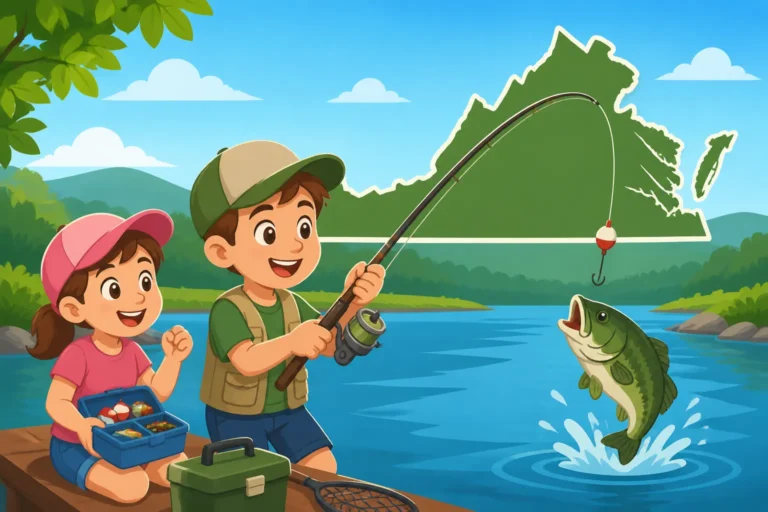
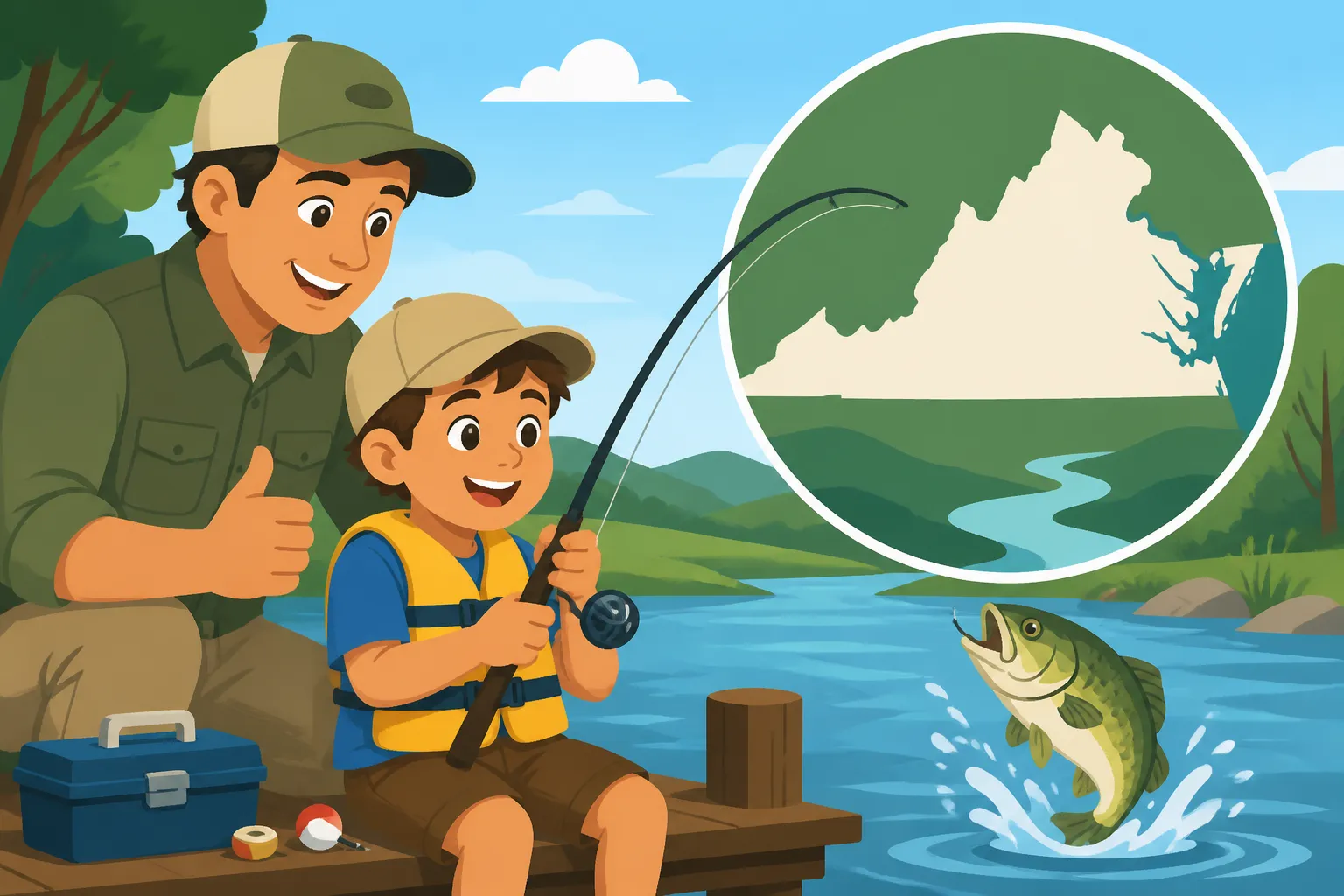
Bringing a child along for their very first fishing trip is such a special milestone, but let's be honest, it can also feel a little daunting. You want it to be magical, full of wonder and excitement, but the thought of tangled lines, lost bait, and short attention spans can quickly turn that dream into a potential headache. This guide is here to smooth out those worries, offering straightforward, kid-friendly techniques and a realistic approach to ensure your child's inaugural fishing adventure in Virginia is nothing short of fantastic, setting the stage for many more happy memories on the water.
Setting the Stage for Success: Planning Your Child's First Virginia Fishing Trip
The success of a child's first fishing trip often hinges less on what you catch and more on the preparation and the overall experience. Think of it as crafting an adventure rather than just a fishing expedition. Your goal is to foster curiosity and joy, not to land a trophy fish right off the bat. It’s about building a positive association with the outdoors and the simple pleasure of waiting, observing, and then the surprise of a tug on the line.
Choosing the Right Spot: Calm Waters and Easy Access
When introducing a youngster to fishing, location, location, location is key. You're not looking for the most challenging, remote, or "secret" spot that seasoned anglers dream of. Instead, prioritize safety, comfort, and accessibility. Think about places where you won't have to hike for miles with gear and a squirming child, and where the water is calm enough to prevent any anxiety about currents or deep drops.
A local pond, a calm section of a river like the upper Rappahannock River, or even a designated fishing pier at a state park often make ideal choices. These spots typically offer easy bank access, sometimes even paved paths suitable for strollers or wagons if you have multiple small children. Look for areas with shade, picnic tables, and maybe even a restroom nearby. Ponds and small lakes are particularly excellent because they tend to hold a good population of smaller, eager-to-bite fish like bluegill or sunfish. These panfish are perfect for building confidence because they're plentiful and don't require highly specialized techniques. You want to maximize their chances of feeling that exciting tug, even if it's from a tiny fish. Consider checking out Family-Friendly Fishing Spots in Virginia for ideas that cater specifically to young anglers.
Keeping it Simple: Gear and Bait Basics
There’s no need to invest in a top-of-the-line fishing setup for a child’s first outing. Simplicity is your best friend here. A basic spincast rod and reel combo, often called a "push-button" reel, is perfect. These are incredibly easy for small hands to operate, minimizing frustration with tangled lines and complex casting. Many brands offer kid-sized combos that come pre-spooled with line and are designed to be durable and forgiving. You can often find great beginner kits on platforms like Amazon that include everything a little angler needs to get started.
For bait, again, keep it simple and appealing. Earthworms are classic for a reason – almost every freshwater fish loves them, they're easy to handle (though some kids might need help initially!), and readily available at bait shops or even in your backyard. Other simple options include corn, small pieces of hot dog, or even bread balls. The goal is something easy to put on the hook and something that fish will readily bite. Forget fancy lures and complex rigs for now; a simple bobber, a small hook, and a sinker are all you need to get them started. The fewer components, the less there is to go wrong, which means more time fishing and less time untangling.
Managing Expectations for Little Anglers
This might be the most crucial "technique" of all: manage your expectations, and help manage theirs. For a child, fishing isn't just about catching fish; it's about the adventure, the snacks, skipping rocks, and just being outdoors with you. It’s okay if they only last 20 minutes before getting distracted by a dragonfly or a cool pebble. Embrace those moments. Celebrate the small victories: a successful cast (even if it's not far), patiently waiting, or even just holding the rod correctly.
Explain beforehand that sometimes fish don't bite, and that's okay. It’s part of the fun of fishing, the surprise and the challenge. Frame it as "fishing for fun," rather than "fishing for dinner." If you catch something, fantastic! If not, you still had a wonderful time together outside. Be prepared with plenty of snacks, drinks, sunscreen, and bug spray. Bring along other activities like a small bucket for collecting interesting leaves or a magnifying glass for examining bugs. These diversions can save a trip when attention wanes, and they reinforce the overall outdoor experience. Remember that for most kids, the thrill comes from the possibility of catching something, not necessarily the actual act every single time. And don't forget to check the rules; while young children are often exempt, it’s always good to confirm Do children need a fishing license in Virginia? before you head out.
Hands-On Fun: Essential Techniques for Young Beginners
Once you've got your spot picked out and your basic gear ready, it's time to get those lines in the water! The techniques for a child's first trip should be intuitive, repetitive, and yield quick results whenever possible to keep their engagement high. We want to avoid anything that requires too much finesse or prolonged concentration, at least for the very first outing.
The Art of the Bobber: Simple and Engaging
The classic bobber setup is truly the champion for beginner anglers. Why? Because it provides instant visual feedback. That little red and white float dancing on the water, then suddenly dipping or disappearing, is pure magic and excitement for a child. It transforms the often-abstract idea of a fish biting into a clear, visible event.
To set it up, simply attach a small bobber to your line, usually about 1-2 feet above your hook. Add a small split-shot sinker a few inches above the hook to help the bait sink. This setup allows the bait to suspend at a shallow, accessible depth where panfish often lurk. Teach your child how to cast by gently swinging the rod forward and pressing the button on their spincast reel. Keep casts short and close to the bank, especially in areas with submerged structures like logs or weeds where fish might hide. The key is repetition and encouragement, even if the cast isn't perfect. It's not about distance; it's about accuracy to get the bait into the water and then watching the bobber. For more targeted help, consider looking at resources like Easy Fishing Techniques for Kids.
Baiting Up: Easy Options for Small Hands
Choosing the right bait can make a huge difference in a child's fishing success. For beginners, go with natural, easy-to-handle baits that are almost universally appealing to common freshwater species. As mentioned, earthworms are fantastic. They wiggle, which attracts fish, and they're relatively easy to hook, especially if you get the smaller "red wiggler" varieties. You can buy them at bait shops or dig them up in your garden. For a less squirmy option, corn kernels work wonders for panfish like bluegill and crappie. Just a few kernels threaded onto a small hook can be very effective.
Another good choice, especially if you're targeting sunfish, are tiny pieces of hot dog or even bread balled up around the hook. These are clean, simple, and the fish find them quite tasty. For parents, it's about minimizing the "ick" factor for kids who might be sensitive to touching worms, while still providing an enticing offering for the fish. When baiting the hook, teach your child to be gentle but firm. Show them how to cover the hook point, making it harder for the fish to steal the bait without getting hooked. You can find many of these beginner baits and simple tackle setups available on Amazon, often bundled in convenient starter kits.
The Thrill of the Catch: Reeling in and Handling Fish
The moment that bobber dips and disappears is what it's all about! Teach your child a gentle "lift and reel" motion. When the bobber goes down, have them lift the rod tip smoothly to set the hook, then slowly reel in. Emphasize not reeling too fast, which can pull the hook out, or too slowly, which gives the fish a chance to spit it. This is where a small, manageable fish like a bluegill or sunfish truly shines – they put up enough fight to be exciting but are not so strong that a child can't handle them.
Once the fish is landed, it's a prime teaching moment. Show them how to gently hold the fish, supporting its body. Explain the importance of wet hands if they're planning to release it, to protect the fish's slime coat. Point out its fins, scales, and eyes. Discuss the types of fish they might catch, perhaps referencing a guide to Bream and Bluegill Fishing for Beginners. If you plan to keep any fish (and ensure you know the Virginia Fishing License and Catch Limit Basics), talk about how to humanely unhook and dispatch them quickly. If it's catch and release, emphasize releasing them quickly and carefully back into the water, watching them swim away. This teaches respect for wildlife and the ecosystem.
Here’s a quick overview of some kid-friendly techniques and baits:
| Technique | Target Fish | Recommended Bait | Pros for Kids |
|---|---|---|---|
| Bobber Fishing | Panfish (Bluegill, Crappie, Sunfish), small Catfish | Earthworms, Corn, Hot Dog pieces, Bread balls | Visual feedback, easy setup, light tackle |
| Bottom Fishing (Light) | Catfish, Perch, Panfish | Earthworms, Cut Bait (small pieces) | No casting required, fish find bait easily |
| Cane Pole (Fixed Line) | Panfish | Earthworms, Mealworms | No reel to manage, very simple to use |
Beyond the Catch: Making Memories and Building Skills
A child's first fishing trip isn't just about the act of fishing; it's about creating lasting memories, instilling a love for nature, and teaching valuable life skills like patience and perseverance. The experiences, both successful and challenging, contribute to their overall development and appreciation for the outdoors.
Celebrating Successes, Learning from "Almosts"
Every little step on a fishing trip is a chance to celebrate. Did they successfully put the worm on the hook? High five! Did they make a cast that landed where they aimed? Fantastic! Did the bobber wiggle, even if no fish committed? That's exciting! Focus on the effort and the joy of participation. If they catch a fish, the celebration should be genuine and enthusiastic. Take a photo, cheer them on, and let them bask in their accomplishment. This positive reinforcement is crucial for building confidence and a desire to go again.
And what about the "almosts"? The fish that got away, the tangled line, the lost bait. These are not failures; they are learning opportunities. Instead of frustration, approach them with a problem-solving mindset. "Oops, that one got away! What do you think we could do differently next time?" Or, "Looks like the line got a bit messy, let's work on untangling it together." This teaches resilience and the understanding that not everything goes perfectly the first time, which is a valuable lesson for all aspects of life. It also shows them that fishing is a continuous learning process.
Responsible Angling: Catch and Release & Keeping Fish
Part of fostering a love for fishing is teaching responsible stewardship of our natural resources. Discussing the importance of following Virginia Fishing Regulations Explained is a great starting point. If your child is interested, you can introduce them to the concept of catch and release. Explain that sometimes we catch fish just for the fun of it, and then we put them back so they can grow bigger and be caught by someone else, or lay eggs for more fish. Show them how to handle fish gently, wet their hands before touching, and release them carefully back into the water. This teaches conservation and respect for wildlife.
On the other hand, if you plan to keep fish for a meal, involve your child in that process too. From cleaning the fish (if they're old enough and interested) to cooking it, this completes the cycle of understanding where food comes from and appreciating the bounty of nature. It’s also an opportunity to discuss ethical harvesting and why we only take what we need. Ensure you're familiar with the specific rules for the species you're targeting, such as Statewide Bass Fishing Limits in Virginia or Virginia Rockfish Slot Limit is 28 to 31 Inches if you're near saltwater. This hands-on experience, whether releasing or keeping, deepens their connection to the activity.
Expanding Horizons: Next Steps in Their Fishing Journey
If the first trip sparks that magical connection, you've opened a door to a wonderful hobby. Talk to your child about what they enjoyed most and what they might want to try next. Perhaps they want to learn a new casting technique, try a different type of bait, or explore a new fishing spot. You could visit a local tackle shop together to pick out a new bobber or a kid-friendly lure. Many stores have employees who love talking fishing and can offer advice for young anglers. You might also find kid-friendly fishing books or even beginner lure kits on Amazon to keep the enthusiasm going between trips.
Consider making fishing a regular family outing, perhaps once a month or season. This builds anticipation and tradition. As they grow older and their interest deepens, you can introduce more complex techniques, different species, or even consider a guided trip with a professional who specializes in teaching kids, such as the Kid-Friendly Fishing Guides on Smith Mountain Lake if you're in that area. The possibilities are endless, and it all starts with that simple, joyful first trip, carefully planned and full of encouragement.
Disclaimer
This article is for general informational purposes only and does not constitute professional advice. Laws, prices and regulations vary by location and change over time. Consult a qualified professional for guidance on your specific situation.