How to Catch Smallmouth Bass in Rivers
There's nothing quite like the thrill of feeling that aggressive tug on your line, followed by the acrobatic leaps of a smallmouth bass in a fast-flowing river. But let's be honest, figuring out where these bronze beauties hang out and what they're willing to strike can feel like a guessing game sometimes, especially when you're battling currents and unfamiliar territory. This guide is all about cutting through that confusion, giving you the solid, practical advice you need to confidently find and catch smallmouth bass in Virginia's dynamic river systems.
Understanding River Smallmouth Bass Behavior
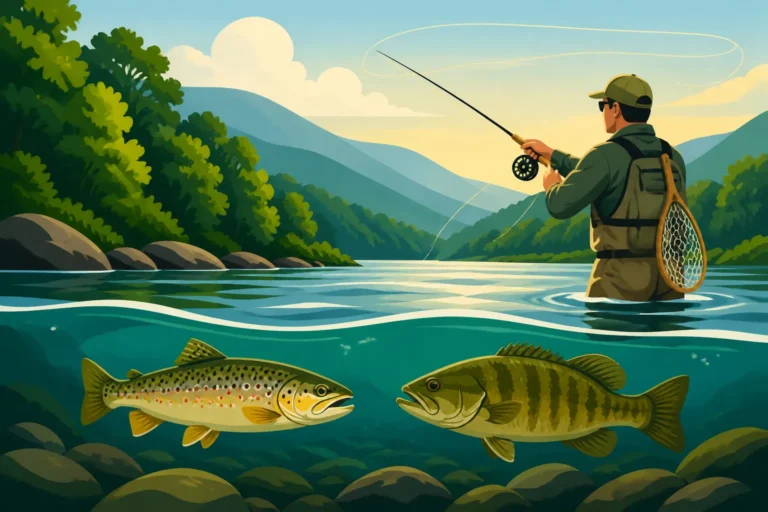
Smallmouth bass in rivers are truly a different breed compared to their lake-dwelling cousins. They're built for current, incredibly powerful, and possess an instinct to hunt in moving water that makes them both challenging and immensely rewarding to target. If you want to consistently catch them, you first have to understand what makes them tick in a river environment.
Smallmouth's Preferred River Habitat
River smallmouth aren't just swimming aimlessly; they are masters of efficiency, conserving energy while positioning themselves for ambush. They gravitate towards areas that offer a trifecta of cover, current breaks, and feeding opportunities. Think about where food might naturally get washed downriver and where a fish could comfortably wait without expending too much energy. This often means structure like submerged logs, rock piles, ledges, and undercut banks. Even a slight change in bottom contour can create a perfect eddy or current seam. Deeper pools, especially those downstream of rapids or riffles, are prime holding areas, particularly during colder water temperatures or brighter daylight hours when fish seek refuge from overhead predators. Learning to "read the water" is perhaps the most crucial skill for river anglers, helping you identify these prime locations.
Seasonal Movements and Feeding Patterns
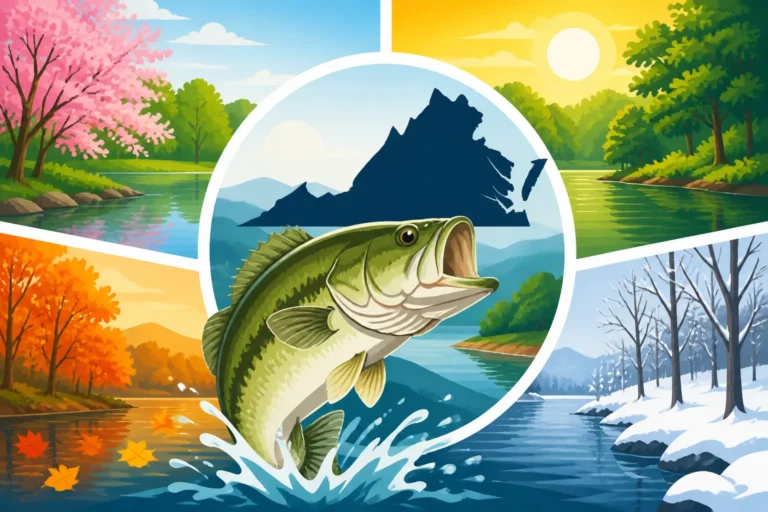
Just like any other fish, smallmouth bass in rivers have distinct seasonal patterns that influence their location and feeding habits. In the spring, as water temperatures rise, they'll begin moving out of their deeper wintering holes and into shallower, warmer flats and protected eddies to stage for the spawn. This is a fantastic time for aggressive strikes. During the summer, when rivers are typically lower and warmer, smallmouth become more active but also more likely to seek cooler, oxygenated water in deeper pools, current seams, and around springs. They often feed most actively at dawn and dusk. Fall sees them packing on the pounds for winter, often moving into moderate depths with good current, aggressively chasing baitfish. Winter fishing can be tough, as they retreat to the deepest, slowest-moving holes, but if you can find them, they'll often bite a slowly presented lure. Understanding these patterns is key to knowing the Best Time of Year for Bass Fishing in Virginia and focusing your efforts.
Key Differences from Lake Bass
One of the biggest distinctions between river smallmouth and their lake counterparts is their physique and fighting style. River smallmouth are typically leaner, more muscular, and incredibly agile due to constantly battling currents. They use the river's flow to their advantage once hooked, making for exhilarating fights that often involve multiple jumps and powerful runs. Their diet also varies; while lake bass might key in on larger baitfish or even smaller panfish, river smallmouth often feed on crayfish, hellgrammites, minnows, and aquatic insects, which influences lure selection. Don't expect the same slow, deliberate retrieve that works in a lake; river smallmouth often demand a more active, erratic presentation that mimics prey struggling in the current.
Essential Gear for River Smallmouth Success
Having the right tools for the job can make all the difference when you're wading through rocky currents or casting into tight pockets. While you don't need to break the bank, investing in gear suited for river environments will significantly improve your experience and success rate.
Rods, Reels, and Line Choices
For river smallmouth, a medium to medium-heavy spinning or casting rod, typically 6'6" to 7'2" in length, is ideal. This range offers enough backbone to handle feisty fish and throw a variety of lures, while also providing the sensitivity to detect subtle bites in current. A fast action tip is perfect for quick hook sets and casting accuracy. Pair your rod with a reliable spinning reel in the 2500-3000 size range, or a baitcasting reel with a smooth drag system. For line, 8-12 lb fluorocarbon or monofilament is a solid choice. Fluorocarbon offers excellent sensitivity and abrasion resistance, crucial when fishing around rocks, and it's nearly invisible underwater. Many anglers also like braid with a fluorocarbon leader for maximum sensitivity and casting distance, especially when throwing lighter baits. You can find some excellent deals on quality line and reels on platforms like Amazon.
Must-Have Lures and Baits
The world of smallmouth lures is vast, but a few standbys consistently produce in rivers. Small crankbaits, particularly those that dive 3-8 feet and mimic crayfish or baitfish, are fantastic for covering water and deflecting off rocks. Topwater lures like poppers, walking baits, and prop baits can be electrifying in low light or calm conditions. Soft plastics, such as tubes, grubs, and creature baits, rigged on a jig head, are incredibly versatile and excel at imitating crayfish, a smallmouth favorite. Don't forget inline spinners and small spinnerbaits, which offer flash and vibration that can trigger reaction strikes. When choosing colors, natural tones like greens, browns, and black are usually best for crayfish imitations, while silver, chrome, and white work well for baitfish. For specific recommendations, check out a guide on the Best Lures for Smallmouth Bass on the Shenandoah River.
Here's a quick comparison of some popular lure types:
| Lure Type | Best Use | Retrieval Style | Pros | Cons |
|---|---|---|---|---|
| Crankbaits | Covering water, probing depths, mimicking baitfish | Steady retrieve, erratic deflections | Covers water quickly, triggers reaction bites | Can get snagged easily in rocky bottoms |
| Jigs (Tube, Grub) | Bottom bouncing, imitating crayfish | Hop, drag, slow retrieve | Highly versatile, mimics natural prey | Slower fishing, requires feel |
| Topwater | Low light, calm conditions, exciting strikes | Pop, walk, twitch | Visually thrilling, effective for active fish | Less effective in choppy water or bright sun |
| Spinnerbaits | Covering water, flash and vibration | Steady retrieve, stop-and-go | Weedless, good in stained water | Less subtle, can spook wary fish |
| Soft Jerkbaits | Mimicking dying baitfish, erratic action | Twitch, pause, retrieve | Natural look, versatile depth | Can be harder to cast in wind |
Wading Gear and Other Essentials
If you're serious about river smallmouth, wading is almost a necessity. It allows you to access prime spots that bank anglers can't reach and gives you a stealthier approach. A good pair of breathable waders and sturdy wading boots with felt or rubber soles (for grip on slippery rocks) are non-negotiable. Always wear a wading belt for safety. Other essentials include a small tackle backpack or vest to keep your lures, tools, and water easily accessible. Polarized sunglasses are absolutely vital for spotting structure and fish in the water, as is a pair of pliers for hook removal. Don't forget sunscreen, a hat, and plenty of water to stay hydrated. A small stringer or soft-sided cooler is handy if you plan on keeping any fish, though many smallmouth anglers prefer catch and release to preserve the fishery.
Effective Techniques for Catching River Smallmouth
Successfully catching smallmouth in rivers isn't just about having the right gear; it's about understanding how to present your lures effectively in moving water and knowing where to cast. These techniques will help you unlock those hard-to-reach honey holes.
Reading the Water and Identifying Holding Spots
This is where the art of river fishing truly shines. Smallmouth use current to their advantage, so you're looking for "current breaks" – any spot where the flow is interrupted or slowed down, providing a resting place or ambush point. Obvious current breaks include large boulders, fallen trees, bridge pilings, and sharp bends in the river. Less obvious, but equally productive, are subtle changes in bottom contour, gravel bars, and small eddies behind rocks. Look for "seams" where fast water meets slow water; these are often feeding lanes. Pay attention to the water's surface for any signs of baitfish scattering or insects hatching, which can indicate active feeding. Mastering How to Read Water When Fly Fishing a River (even if you're not fly fishing) can give you a significant edge in any river environment.
Casting and Presentation Strategies
Accuracy is paramount in river fishing. You'll often be targeting small pockets, seams, or behind specific pieces of structure. Practice your skip-casting and roll-casting to get lures into tight spots under overhangs or fallen trees. When casting, try to work your lure downstream and across the current, allowing it to swing naturally into the suspected holding area. This "swing" method often presents the lure in a more natural way than casting directly upstream against the current. Vary your retrieve speed and add pauses. Sometimes a smallmouth will hit a lure when it's just sitting still in an eddy, looking like an easy meal. Remember that smallmouth are often located in specific zones based on the Water Temperature and Fish Feeding Patterns, so adjust your depth accordingly.
Working Lures in Current
Current fundamentally changes how your lures behave. A crankbait that dives 6 feet in still water might only get to 3 feet in strong current. Use heavier jig heads for tubes and grubs to get them down to the bottom faster and keep them there. When fishing tubes or creature baits, allow the current to "swim" the bait naturally along the bottom, occasionally hopping it or dragging it slowly. This technique can be especially effective for imitating crayfish. For spinnerbaits and inline spinners, adjust your retrieve speed to keep them just above the desired depth. You might need to retrieve faster in stronger current to prevent them from sinking too deep or getting swept away, or slow down in gentler flows. Don't be afraid to experiment with different weights and lure sizes to find what the fish are responding to on a given day, adapting your Best Techniques for Smallmouth Bass in Current.
Top Virginia Rivers for Smallmouth Bass
Virginia is blessed with an abundance of fantastic smallmouth bass rivers, offering diverse experiences from swift mountain streams to broader, slower-moving tidal sections. Knowing where to start can make your smallmouth quest much more rewarding.
The Legendary Shenandoah River System
Without a doubt, the Shenandoah River system, including both the North and South Forks, is a crowning jewel for smallmouth bass fishing in Virginia. It’s widely considered one of the best smallmouth rivers on the East Coast, famous for its abundant bronzebacks and scenic beauty. The river offers incredible variety, from rocky riffles and long, shallow runs to deep pools and ledges, all providing ideal smallmouth habitat. Anglers can explore vast stretches by kayak, canoe, or by wading the numerous access points. The river holds a healthy population of feisty smallmouth, often ranging from 12-18 inches, with plenty of larger fish lurking. If you're looking to dive deep into this specific fishery, you'll find an incredible resource in our Fishing the Shenandoah River in Virginia guide, and even more specific advice in Smallmouth Bass Fishing on Virginia's Shenandoah River. Many local guides, like those found through services like Virginia Outdoor Adventures, can put you on fish, but with a bit of research and effort, you can certainly find success on your own.
Other Prime Smallmouth Waters in Virginia
While the Shenandoah often gets the spotlight, Virginia boasts many other excellent smallmouth bass rivers worth exploring:
- James River: From its headwaters in the mountains down through the piedmont, the James River offers fantastic smallmouth fishing, especially in its upper and middle sections. It’s a larger river in many stretches, often requiring a boat or kayak to cover water efficiently, but there are also great wading opportunities. Look for rock gardens, current breaks around islands, and deep holes.
- Rappahannock River: Similar to the James, the Rappahannock provides excellent smallmouth habitat, particularly upstream of Fredericksburg. It's known for its varied structure and strong fish. This river is excellent for both wading and small craft fishing.
- New River: Flowing north and part of the ancient Appalachian system, the New River offers incredible smallmouth fishing, particularly in Southwest Virginia. It’s a larger, powerful river with plenty of deep pools, ledges, and powerful runs that hold big smallmouth. Kayak or float fishing is very popular here.
- Potomac River (Upper Section): While the lower Potomac is known for its largemouth, the upper reaches, particularly near the West Virginia border, hold a fantastic smallmouth population. It’s a beautiful river with classic smallmouth habitat.
Each of these rivers, and many smaller tributaries, presents unique challenges and rewards. Researching local access points, river conditions, and specific regulations for each waterway is always a good idea before you head out. Don't forget to secure your Virginia Fishing License Guide before your trip!
Disclaimer
Fishing conditions and regulations can change, so always check the latest Virginia Department of Wildlife Resources (DWR) guidelines before heading out. This guide is for informational purposes only and does not constitute official advice.