How to Fish Topwater Lures for Bass at Dawn
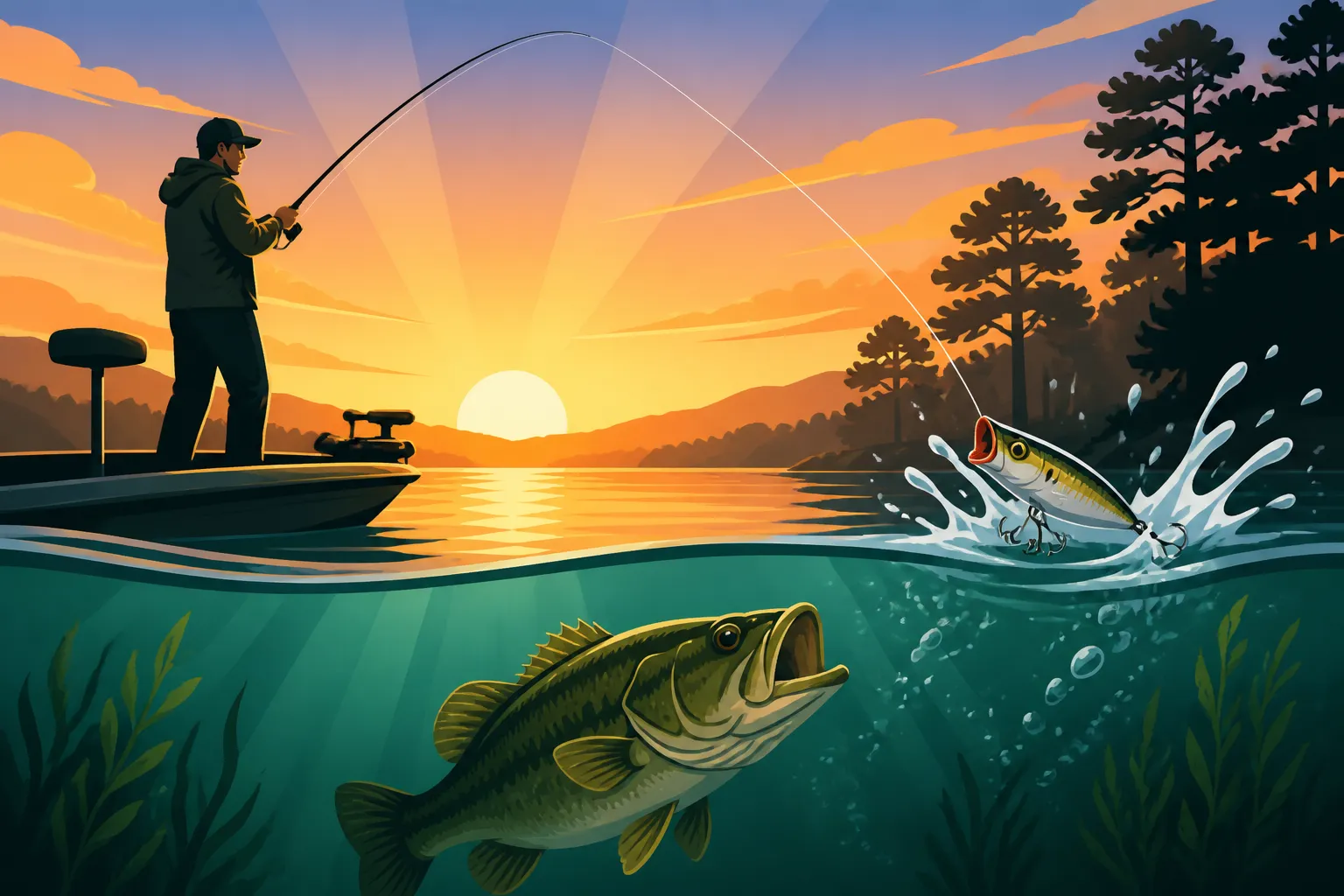
There's nothing quite like the stillness of dawn on a Virginia lake or river, the mist rising, the air cool, and the sudden, explosive BLAM! of a big bass blowing up on a topwater lure. It's exhilarating, frustrating, and utterly addictive all at once. But getting those strikes consistently can feel like a mystery, especially if you're not sure which lure to tie on or how to work it when the first light starts to peek over the trees. This comprehensive guide is dedicated to helping you unlock the magic of topwater bass fishing as the sun rises, ensuring your early mornings are filled with more thrilling surface action.
The Irresistible Allure of Dawn for Topwater Bass
Anglers often talk about "the golden hour," and for topwater bass fishing, dawn truly earns that moniker. It’s a fleeting window, often just an hour or two, where conditions align perfectly to coax even the most wary bass to strike aggressively at the surface. Understanding why this time is so special is key to maximizing your success.
The Magic of Low-Light Conditions
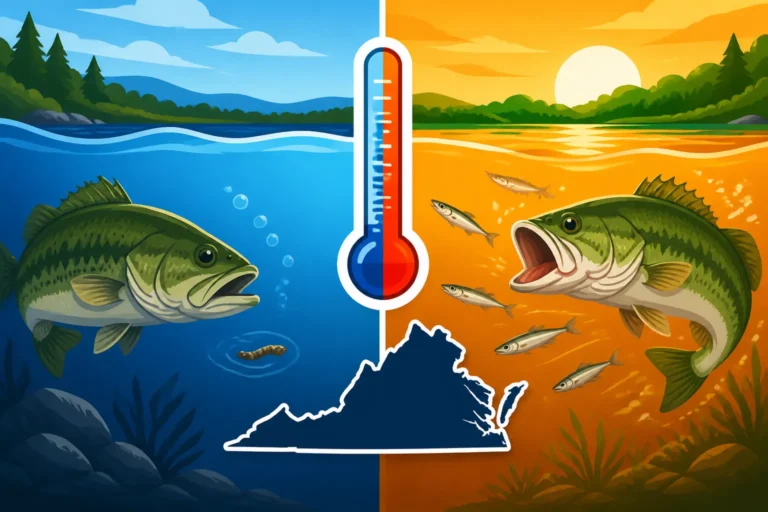
Think about it from a bass's perspective. They are ambush predators, and during the harsh glare of midday sun, they often retreat to deeper, shadier cover. But at dawn, the low light provides a distinct advantage. The surface becomes a confusing, shimmering mirror from below, making it harder for prey to spot a lurking predator and harder for predators to be seen. This diminished visibility makes bass feel more confident venturing into shallower water, and it also makes them less shy about a commotion on the surface. A topwater lure, creating disturbance, is perceived as a vulnerable, struggling meal rather than a suspicious object. It's a game of deception, and low light is your greatest ally.
Cooler Water Temperatures After Nightfall
Throughout the day, especially during Virginia's warm spring and summer months, the sun bakes the shallow waters, often sending bass seeking cooler refuge. But as night falls, the surface water begins to cool down. By dawn, these shallower areas are often at their coolest and most oxygenated, providing a comfortable feeding zone for bass that have moved up from deeper haunts. This overnight cooling can trigger a surge in metabolic activity, making bass more inclined to feed actively before the sun climbs too high and sends them back to the comfort of the depths or thick cover.
Increased Baitfish Activity Near the Surface
Bass aren't the only ones enjoying the low-light, cooler conditions of dawn. Many of their primary food sources—like shad, bluegill, and various minnows—become more active and vulnerable near the surface at this time. These smaller fish often congregate in schools, feeding on insects or plankton that have risen. When a bass sees or senses a commotion on the surface, its predatory instincts kick in, assuming it's an easy meal. Your topwater lure, mimicking a struggling or fleeing baitfish, becomes an irresistible target. It’s a breakfast buffet, and your lure is the loudest diner at the table, drawing immediate attention.
Choosing the Right Topwater Lures for Virginia Bass
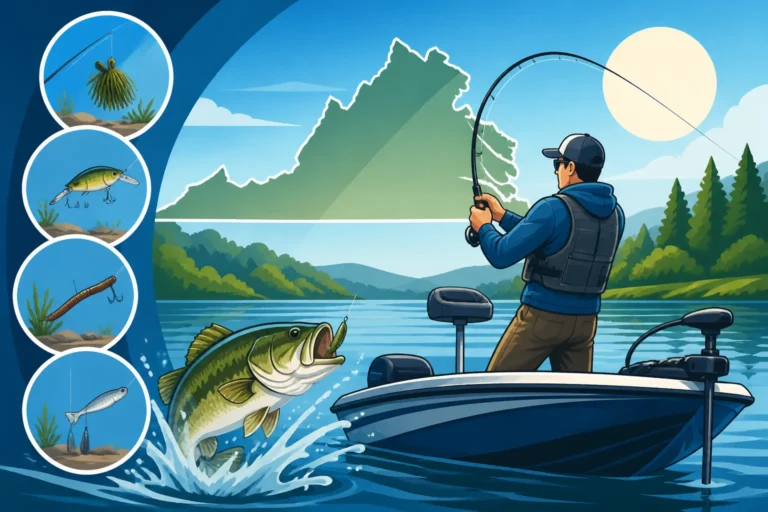
Walk into any tackle shop or browse online, and you'll be faced with an overwhelming array of topwater lures. Knowing which ones excel for Virginia Bass Fishing: Largemouth, Smallmouth, Spotted, and Alabama Bass at dawn, and under what conditions, can significantly simplify your choices and boost your confidence. Each type of lure creates a different profile and action, appealing to bass in specific situations.
Poppers and Chuggers: Drawing Explosive Strikes
Poppers and chuggers are arguably the most iconic topwater lures, instantly recognizable by their concave or cupped faces. When retrieved, these lures pop, chug, or spit water, creating a disturbance that mimics a struggling baitfish or a frog splashing on the surface. They are fantastic when bass are holding tight to cover like docks, submerged timber, or weed lines. The key here is patience. Cast the lure near cover, let it sit until the ripples disappear, give it a sharp pop, let it sit again, and repeat. Often, the strike will come on the pause.
For calmer mornings, when bass are less aggressive but still surface-oriented, a popper worked subtly can be deadly. The sound it makes is a powerful attractor, especially for bigger, more cautious bass. You can find a wide array of options on Amazon, from subtle to aggressively noisy, depending on the mood of the fish and the water clarity.
Walk-the-Dog Baits: Covering Water with a Seductive Dance
Walk-the-dog baits, sometimes called "stick baits," are designed to glide side-to-side across the surface with a rhythmic, sashaying motion. This "walking" action perfectly imitates a wounded baitfish struggling on top of the water, a sight that often proves irresistible to bass. These lures are excellent for covering larger areas of open water, along points, or over submerged grass beds where bass might be patrolling. The key is to establish a consistent retrieve, using slack in your line and twitching your rod tip downward to make the lure "walk."
Learning the cadence takes practice, but once you get it down, it's incredibly effective. Brands like Heddon with their Zara Spook series are classics for a reason, and you can readily find them, along with many other modern variations, on Amazon. This lure is particularly effective when you suspect bass are scattered or when you need to draw them out from more subtle forms of cover.
Prop Baits and Buzzbaits: High-Energy Surface Action
When you want to create a significant ruckus on the surface, prop baits and buzzbaits are your go-to. Prop baits feature small propellers at the front and/or back, which churn the water, creating a gurgling, splashing sound as they are reeled in. They offer a more continuous splash than a popper and are great for slightly choppy water or when you need to provoke a reaction strike.
Buzzbaits, on the other hand, have a large metal blade that rotates when retrieved, creating a loud buzz or squeal on the surface. These are fantastic for targeting aggressive bass, especially in situations where you need to draw fish from thicker cover or stained water. The constant commotion means bass have little time to inspect the lure, often resulting in violent, unthinking strikes. Both prop baits and buzzbaits should generally be reeled in at a steady pace, just fast enough to keep them on the surface and making noise. These are excellent choices for warmer water when bass are most active.
Frogs and Rats: Navigating Heavy Cover
For those brave anglers who venture into the thickest, nastiest cover—think dense lily pads, matted grass, or heavy weeds—hollow-bodied frog and rat lures are indispensable. These soft plastic offerings are designed to be weedless, allowing them to slide over and through obstacles that would snag any other topwater bait. They perfectly mimic frogs or mice that have fallen into the water, a natural food source for big bass lurking beneath the canopy.
The beauty of these lures lies in their ability to fish where no other lure can. Cast them onto the mats, let them sit, twitch them slightly, and then hop or drag them across the cover. When a bass blows up, resist the urge to set the hook immediately! Wait until you feel the weight of the fish, as they often "eat" the lure on the second attempt after the initial explosion. You can find a robust selection of these specialized lures and more general Best Lures for Summer Bass Fishing on Amazon, perfect for challenging conditions.
Here's a quick comparison of popular topwater lure types:
| Lure Type | Typical Action | Best Conditions | Virginia Bass Reaction |
|---|---|---|---|
| Poppers / Chuggers | Pops, spits, chugs water; sits still on pause | Calm to light chop; near cover (docks, timber) | Explosive, often on the pause |
| Walk-the-Dog | Sashes side-to-side; "walking" motion | Open water, points, submerged grass; calm to light chop | Aggressive, pursuit strikes |
| Prop Baits | Continuous gurgling, splashing from propellers | Light chop to moderate chop; around open cover | Reaction strikes, especially from aggressive fish |
| Buzzbaits | Loud buzzing/squealing; continuous retrieve | Stained water, heavy cover, aggressive fish | Violent, unthinking strikes; good for eliciting reactions |
| Hollow-Body Frogs | Slides over weeds; sits still on pauses | Thick mats, lily pads, heavy weeds | Blow-ups through cover; wait to set hook |
Mastering Topwater Techniques at First Light
Tying on the right lure is only half the battle. How you present it, and how you react to a strike, can make or break your dawn topwater experience. It’s all about finesse, patience, and understanding the subtle cues the water provides.
The Importance of a Stealthy Approach
Bass, especially the larger, older ones, are incredibly wary. At dawn, with the world waking up, any unnatural disturbance can send them scattering. Approach your fishing spots quietly. If you're in a boat, use your trolling motor sparingly and at low speeds, or paddle silently if you're in a kayak. If you're fishing from the bank, avoid stomping or casting a long shadow over the water you intend to fish.
Keep your casts long and accurate, landing the lure softly near your target. A loud splash from a poorly executed cast can spook fish before your lure even has a chance to work its magic. Remember, you're trying to mimic a natural occurrence, not a rock falling from the sky. This stealthy approach is crucial for Dawn and Dusk Fishing Patterns where fish are often in shallower, more vulnerable positions.
Reading the Water for Prime Targets
Virginia's diverse waters offer countless potential topwater spots, but some are far more productive than others. At dawn, bass often position themselves to ambush unsuspecting prey. Look for:
- Shallow Flats adjacent to Deep Water: Bass will move up from deeper, cooler water to feed on these flats during low light.
- Seemingly Random Surface Disturbance: Often, you'll see small dimples or splashes from baitfish being chased. Cast beyond that activity and work your lure through it.
- Structural Cover: Docks, fallen trees, brush piles, rock formations, and particularly the edges of grass lines are prime ambush points. Bass will sit just inside or alongside these, waiting for prey to pass by.
- Shady Areas: Even at dawn, the earliest rays of sun can create shade lines along banks or under overhanging trees. Bass will use these shadows as concealment.
Understanding where fish are likely to be hiding will greatly increase your chances of getting a strike. For instance, focusing on areas with good cover is a general rule for How to Catch Largemouth Bass Year-Round, but it's especially critical for topwater at dawn.
Varying Your Retrieve and the Critical Pause
This is where many anglers either shine or struggle. There's no single "right" way to retrieve a topwater lure, as bass can be incredibly fickle. The key is to experiment and vary your retrieve until you find what triggers a strike.
- The "Pop-and-Pause" for Poppers: Cast, let it sit until ripples disappear (this pause is critical), give it a sharp twitch or pop, let it sit again. The duration of the pause can be everything—sometimes 2 seconds, sometimes 10 or even 20.
- The "Walk" for Stick Baits: Maintain a steady rhythm, twitching your rod tip downward while reeling in just enough slack to make the lure sashay. Don't be afraid to pause a walk-the-dog lure either, especially after several "walks."
- Steady Retrieve for Prop Baits and Buzzbaits: These generally require a continuous retrieve, just fast enough to keep them on the surface and making their signature noise. Varying speed can sometimes entice a hesitant fish.
Perhaps the most important tip for any topwater fishing, especially for bass, is the pause after a strike. When a bass explodes on your lure, your instinct will be to set the hook immediately. Resist! Often, the bass is just trying to stun the prey or get a better hold. Wait until you feel the weight of the fish on your line before sweeping your rod to set the hook. Counting to "one thousand one, one thousand two" can often be enough time. Setting too early is a common reason for missed topwater fish.
Essential Gear and Final Tips for Dawn Topwater Success
Having the right equipment can make your dawn topwater adventures more productive and enjoyable. Beyond the lures themselves, a few key pieces of gear and some thoughtful preparation will set you up for success.
Rod, Reel, and Line Choices
For topwater fishing, a medium-heavy to heavy power casting rod, around 6'6" to 7'6" in length, with a fast action tip, is ideal. This combination provides enough backbone to cast larger lures and control big bass, while the fast tip allows for precise lure manipulation and quick hook sets.
A baitcasting reel with a gear ratio between 6.4:1 and 7.5:1 is perfect. The slightly faster retrieve allows you to pick up slack quickly after a strike or when working a walking bait.
Line choice is critical. Braided line, in the 30-50 lb test range, is highly recommended. It has no stretch, which means a stronger, more direct hook set, and it floats, which helps with topwater lure action. The lack of stretch also makes it easier to work walking baits. While some anglers prefer a fluorocarbon leader for stealth, braided line directly tied to the lure is often sufficient, especially in stained water or during aggressive feeding periods. However, for fishing on clearer bodies of water like parts of Smith Mountain Lake Fishing Guide or the Upper James River, a short monofilament or fluorocarbon leader might offer an edge.
Other Must-Have Items for Early Mornings
Don't let a minor inconvenience derail your prime fishing window. Here are a few things to keep handy:
- Headlamp: Essential for setting up your gear, tying knots, and navigating in the pre-dawn darkness. You'll find a wide variety of durable, waterproof headlamps on Amazon.
- Polarized Sunglasses: Even in low light, polarized lenses cut glare, allowing you to see beneath the surface and spot subtle changes in structure or even cruising bass.
- Bug Spray: Mosquitoes and gnats love dawn as much as bass do. Don't leave home without it.
- Pliers/Forceps: For safely removing hooks, especially from aggressively hooked fish.
- Small Tackle Box or Bag: To carry a selection of topwater lures, spare line, and other essentials without cluttering your boat or bank space. All of these accessories, from headlamps to specialized tackle storage, can be conveniently purchased through Amazon.
Safety, Conservation, and Respect on the Water
Finally, always prioritize safety. Tell someone where you're going and when you expect to return. Be aware of your surroundings, especially if you're on the water in the dark.
Conservation is also paramount. Many topwater strikes are incredibly aggressive, and bass can swallow lures deeply. Consider using single, barbless hooks on your topwater lures (if permissible by regulations) to minimize harm, especially if you plan to practice catch and release. For those interested in the broader context of fishing in the Commonwealth, understanding Virginia Fishing Seasons Explained and Virginia Fishing Rules Every Angler Should Know will deepen your appreciation for responsible angling. Remember, we all share these precious resources, and respectful angling ensures they'll be there for generations to come.
Disclaimer
Always consult the Virginia Department of Wildlife Resources (DWR) for the most current fishing regulations, license requirements, and any emergency closures or advisories before heading out on your fishing trip. Regulations can change, and it is the angler's responsibility to stay informed.