Virginia Striped Bass Season Reopens May 16
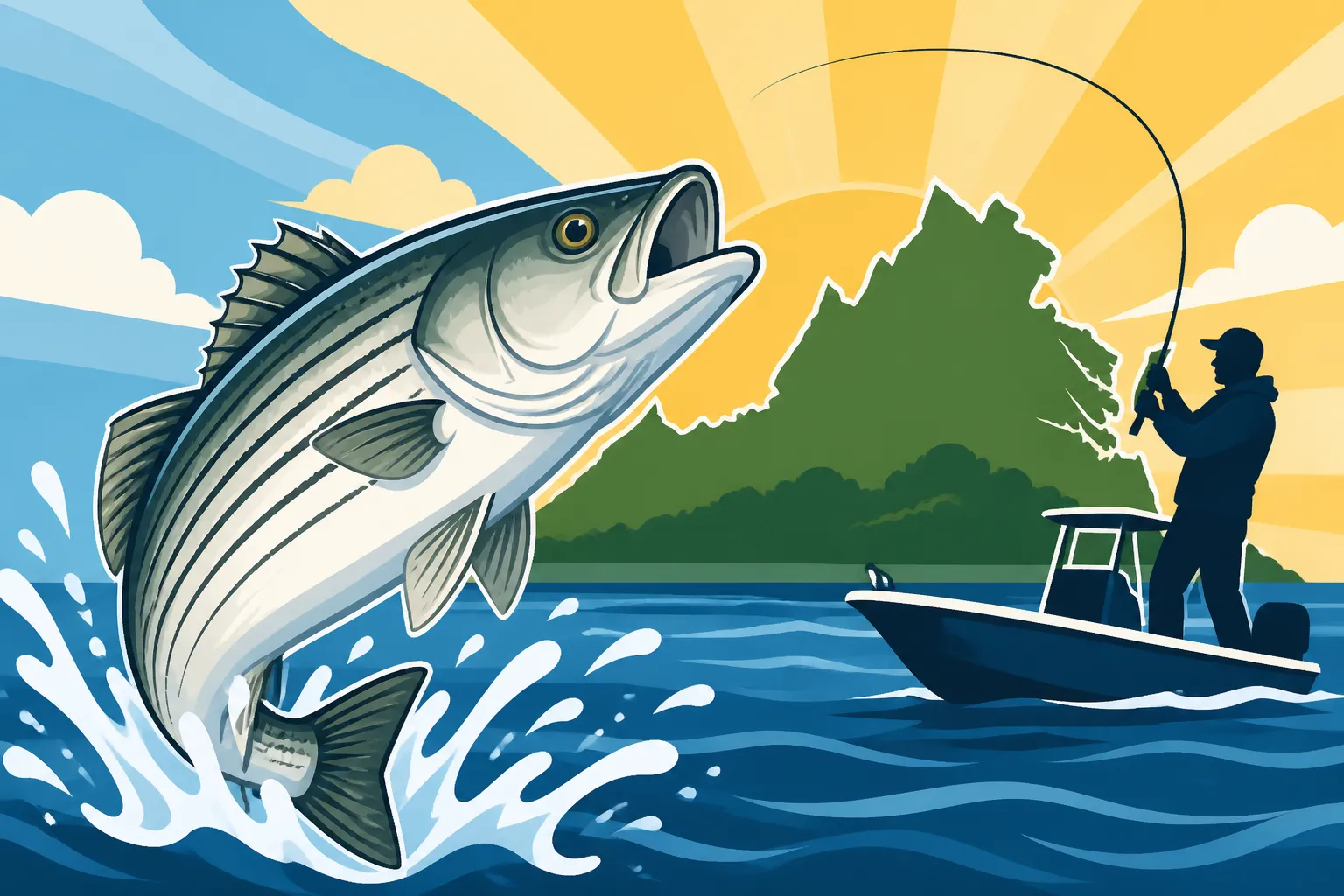
It's no secret that fishing for striped bass, or "rockfish" as many of us lovingly call them, is a passion for countless anglers across Virginia. But let's be honest, keeping up with the ever-changing seasons and specific regulations can feel like trying to untangle a bird's nest of fishing line sometimes. If you've been counting down the days for the next opportunity to hook into one of these magnificent fish, you're in the right place. This guide will walk you through everything you need to know about the exciting May 16 reopening of the Virginia striped bass season, ensuring you're fully prepared to hit the water legally and successfully.
Understanding Virginia's Striped Bass Season Structure
Virginia’s waters are a vibrant ecosystem, teeming with diverse fish species, and the striped bass holds a special place in our hearts. However, managing this popular fishery requires careful consideration, which is why the Virginia Department of Wildlife Resources (DWR) and the Virginia Marine Resources Commission (VMRC) implement a split season. It’s not always the most straightforward system, but it’s designed to protect the breeding stock and ensure healthy populations for years to come. Many folks find the back-and-forth nature of the seasons a bit frustrating, especially when you're just eager to cast a line, but understanding the rhyme and reason behind it can help put things into perspective.
The Rationale Behind the Split Season
The primary reason for Virginia's split striped bass season, which sees an initial spring closure followed by the May 16 reopening, is all about conservation. Striped bass embark on extensive migrations, with many mature fish moving into the Chesapeake Bay and its tributaries to spawn during the spring. This is a critical time for the species, and minimizing fishing pressure on these spawning aggregations helps ensure successful reproduction. The early season closure typically runs from April 1 to May 15, giving these fish a much-needed break to do their thing. It's a tough pill to swallow when the weather is getting nice, but it's vital for the long-term health of the fishery.
Once the bulk of the spawning activity has passed, the season reopens. This careful timing allows anglers to target post-spawn fish that are typically moving out of the spawning grounds and beginning to feed more aggressively. It’s a balancing act, trying to provide fishing opportunities while still prioritizing the species' future. Understanding this helps us appreciate the regulations, even when they seem inconvenient. If you want to dive deeper into why we have these specific periods, check out our guide on Why Virginia's Striped Bass Season Splits Into Two Parts.
Key Dates and Zones for Spring Striped Bass
For most of Virginia’s tidal rivers and the Chesapeake Bay, the recreational striped bass season reopens on May 16. This applies to both the spring and fall striped bass seasons. While the season in Virginia technically runs from January 1 through March 31, and then reopens May 16 through June 15 for the spring, followed by another segment from October 4 through December 31 for the fall. It's important to remember that these dates are for the Chesapeake Bay and its tributaries. Specific coastal waters might have slightly different regulations or even federal seasons that apply further offshore, but for the majority of us fishing the Bay, May 16 is the big day.
It's absolutely crucial to double-check the latest regulations from the Virginia Marine Resources Commission (VMRC) or the Department of Wildlife Resources (DWR) right before you head out. These agencies are constantly monitoring fish stocks and environmental factors, and regulations can change to adapt. Sometimes, even emergency closures can occur if the stock is under too much pressure. Always having the most current information is key to avoiding fines and ensuring sustainable fishing practices. For a full rundown of all the specific dates and boundaries, our Virginia Striped Bass Split Season Dates Explained article is a great resource.
Essential Regulations for the May 16 Reopening
Okay, so you've marked May 16 on your calendar, and your gear is ready. But before you cast your first line, let's talk about the rules. Knowing the specifics of the regulations, particularly the slot limits and possession limits, is non-negotiable. Fishing without understanding these rules isn't just irresponsible; it can lead to hefty penalties. Nobody wants their exciting fishing trip to end with a fine or, even worse, the loss of their prized catch. These regulations are designed to allow anglers to enjoy the sport while actively contributing to the conservation efforts that keep striped bass populations healthy.
The Virginia Rockfish Slot Limit
When the season reopens on May 16, recreational anglers in the Chesapeake Bay and its tributaries will be subject to a specific slot limit for striped bass. This means you can only keep fish that fall within a certain size range. Currently, the slot limit for striped bass (rockfish) in Virginia's Chesapeake Bay and its tributaries is 28 to 31 inches. This means any striped bass you catch that is shorter than 28 inches or longer than 31 inches must be immediately released unharmed. It’s a critical rule because it protects both the younger, immature fish that haven't had a chance to spawn yet, and the larger, older breeding stock that are the most prolific spawners.
Catching a huge striper is exhilarating, but if it's over that 31-inch mark, you have to let it go. It's tough, I know, especially when you've fought a monster, but those big breeders are essential for future generations of fish. The slot limit ensures that a significant portion of the population can reproduce and sustain itself. Make sure you have a reliable measuring device on your boat or in your tackle box. A flexible, roll-up ruler is perfect for this, easily found on sites like Amazon, and can prevent any costly mistakes. We cover all these specifics in our Virginia Rockfish Slot Limit and Possession Rules article.
Daily Possession Limits and Compliance
In addition to the slot limit, there's also a daily possession limit for striped bass. This dictates how many fish, within the legal slot size, you can keep per person, per day. For the May 16 reopening and the spring season, the daily possession limit for recreational anglers is one fish per person. This means that even if you catch several fish within the 28-to-31-inch slot, you can only legally keep one of them. Once you've kept your one fish, any additional striped bass you catch, regardless of size, must be released.
It's important to understand that this limit applies per person, not per boat. So, if you're fishing with three friends, your group can collectively keep three legal-sized striped bass. Always count your catch carefully and release any extra fish quickly and safely. Compliance is incredibly important not just to avoid penalties, but to actively participate in the conservation of this species. Wardens are out there, and they're serious about enforcing these rules to protect the fishery. If you're wondering about specific limits, our guide on How Many Striped Bass Can You Keep in Virginia has all the details.
| Virginia Striped Bass Regulations (May 16 – June 15 Season) |
|---|
| Season Dates |
| Slot Limit |
| Daily Possession Limit |
| Gear Restrictions |
| Licensing |
Gear and Techniques for Spring Striped Bass Success
Now for the fun part: what to use and how to catch them! The May 16 reopening often coincides with active feeding periods for striped bass as they recover from spawning and begin their migration out of the Bay. This means they can be aggressive and willing to hit a variety of baits and lures. However, knowing which techniques and gear are most effective for this particular window can dramatically increase your chances of success. It's all about matching the hatch, as they say, or at least matching the behavior of the fish at this time of year.
Recommended Tackle and Lures for May
For spring striped bass in Virginia, versatility is your friend. Many anglers will find success with a medium-heavy spinning or baitcasting setup, capable of handling lines from 15 to 30-pound test. Braided line is a popular choice for its sensitivity and strength, and a fluorocarbon leader of 30-50 pound test can provide the necessary abrasion resistance and invisibility. You can find quality braided lines and fluorocarbon leaders on Amazon to stock up before your trip.
When it comes to lures, consider what striped bass are likely feeding on in late spring. Menhaden (bunker), herring, and various baitfish are common targets.
- Jigs with Soft Plastics: Large paddle tail swimbaits (5-7 inches) rigged on jig heads (1/2 to 2 ounces, depending on current and depth) are incredibly effective. Chartreuse, white, and pearl colors are consistent producers. The realistic swimming action mimics baitfish perfectly.
- Plugs and Crankbaits: Larger diving crankbaits and lipped plugs in baitfish patterns can be deadly, especially when trolling or casting around structure. These are great for imitating larger baitfish.
- Topwater Lures: If you encounter schooling fish or feed breaking on the surface, don't hesitate to throw a topwater plug! Walk-the-dog style lures or poppers can create explosive strikes that are absolutely unforgettable.
- Live Bait: For many, nothing beats live bait. Fresh menhaden, spot, or even eels can be incredibly effective, especially when fished on a fish-finder rig near structure or channel edges. Remember that circle hooks are highly encouraged, and sometimes even mandated, when fishing with natural bait to minimize gut-hooking and improve the survival of released fish. You can find a wide selection of circle hooks suitable for striped bass on Amazon.
Navigating Prime Fishing Spots During the Reopening
During the May 16 reopening, striped bass will be in various stages of their post-spawn migration. Some will still be lingering in the lower sections of the spawning rivers, while others will be moving towards the main stem of the Chesapeake Bay or even out to the coastal waters. This means you have a good chance to intercept them in several key areas.
- River Channels and Structure: Look for deeper channels, oyster reefs, bridge pilings, and submerged rock piles in the lower reaches of tidal rivers like the James, York, Rappahannock, and Potomac. These areas offer both food and ambush points for hungry stripers. The James River near Richmond and the Rappahannock River near Fredericksburg are particularly popular spots during this time.
- Bay Channels and Shoals: As fish move out into the main Bay, they'll often follow defined channels and congregate around prominent shoals and points. Areas around the Chesapeake Bay Bridge-Tunnel, the "High Rise" bridge, and various light towers can be hotspots. These structures act as magnets for baitfish, and naturally, for the predators that follow them.
- Mouths of Tributaries: The areas where major rivers empty into the Chesapeake Bay are also prime locations. The confluence of freshwater and saltwater creates nutrient-rich zones that attract a lot of bait, making them excellent places to find actively feeding stripers.
- Coastal Waters (limited): While the primary focus of the May 16 reopening is the Bay, some larger stripers might already be pushing out into the nearshore coastal waters. However, be aware that coastal regulations can differ, so always consult the VMRC regulations for specific coastal zones. If you're looking for Virginia's Best Striped Bass Fishing Spots, we have a comprehensive guide that will give you even more specific locations to target.
Maximizing Your Chances During the Spring Run
Spring fishing, especially after a brief closure, can be incredibly rewarding. The fish are often hungry, and the weather is generally beautiful. However, a few key considerations can significantly improve your success rate and ensure a more enjoyable, ethical fishing experience. It’s not just about what you catch, but how you fish.
Weather and Water Conditions to Watch For
Striped bass are highly sensitive to environmental factors, and paying attention to weather and water conditions can give you a significant advantage.
- Water Temperature: In mid-May, water temperatures in the Chesapeake Bay and its tributaries typically range from the low to mid-60s Fahrenheit. This is prime feeding temperature for striped bass. Look for areas where the water temperature is slightly warmer, as these can attract baitfish and, consequently, stripers. Conversely, a sudden cold front can make fish sluggish, so adjust your presentation to be slower and more subtle.
- Tides and Currents: Tides play a huge role in striped bass fishing. Fish often feed most actively during strong tidal movements, particularly around the beginning and end of incoming or outgoing tides. These currents concentrate baitfish and make it easier for stripers to ambush their prey. Focus your efforts during these periods, especially around structure that creates current breaks or eddies.
- Wind and Clarity: Heavy winds can churn up the water, affecting clarity and making fishing challenging. If the water is muddy after a significant weather event, consider using darker lures or those that create more vibration. Clearer water might call for more natural-looking baits and colors. You can learn more about how Water Temperature and Fish Feeding Patterns influence your luck.
Best Practices for Catch and Release
Given the one-fish-per-person limit and the slot restrictions, catch-and-release will be a significant part of your May 16 fishing trip. It's not enough to just unhook and toss the fish back; proper handling is crucial for ensuring the survival of released fish, especially those large breeders that are out of the slot.
- Minimize Handling: Try to keep the fish in the water as much as possible. If you must bring it aboard, do so quickly and gently. Avoid touching the gills or eyes.
- Use Proper Tools: A good pair of de-hooking pliers is essential for quickly removing hooks, especially if the fish has swallowed the bait. A net with a rubberized coating can also help protect the fish's slime coat, which is vital for its health. You can find quality fishing pliers and rubberized nets on Amazon.
- Circle Hooks: As mentioned before, if you're using natural bait, use non-offset circle hooks. These hooks are designed to hook fish in the corner of the mouth, dramatically reducing the chance of gut-hooking, which is often fatal for released fish.
- Revive the Fish: If a fish seems sluggish or stressed after being caught, gently hold it in the water, facing into the current, until it regains its strength and can swim away on its own. Don't just toss it back; give it a chance to recover. This is especially important for the larger fish you're required to release.
By following these practices, you're not just abiding by the rules; you're actively contributing to the health and future of Virginia's incredible striped bass fishery. Every safely released fish is an investment in future fishing adventures!
Disclaimer
Please remember that fishing regulations, including season dates, slot limits, and possession limits, can change. Always consult the most current regulations from the Virginia Department of Wildlife Resources (DWR) and the Virginia Marine Resources Commission (VMRC) before you head out on your fishing trip. This guide is for informational purposes only and does not constitute legal advice.