Best Surf Fishing Spots in Virginia Beach
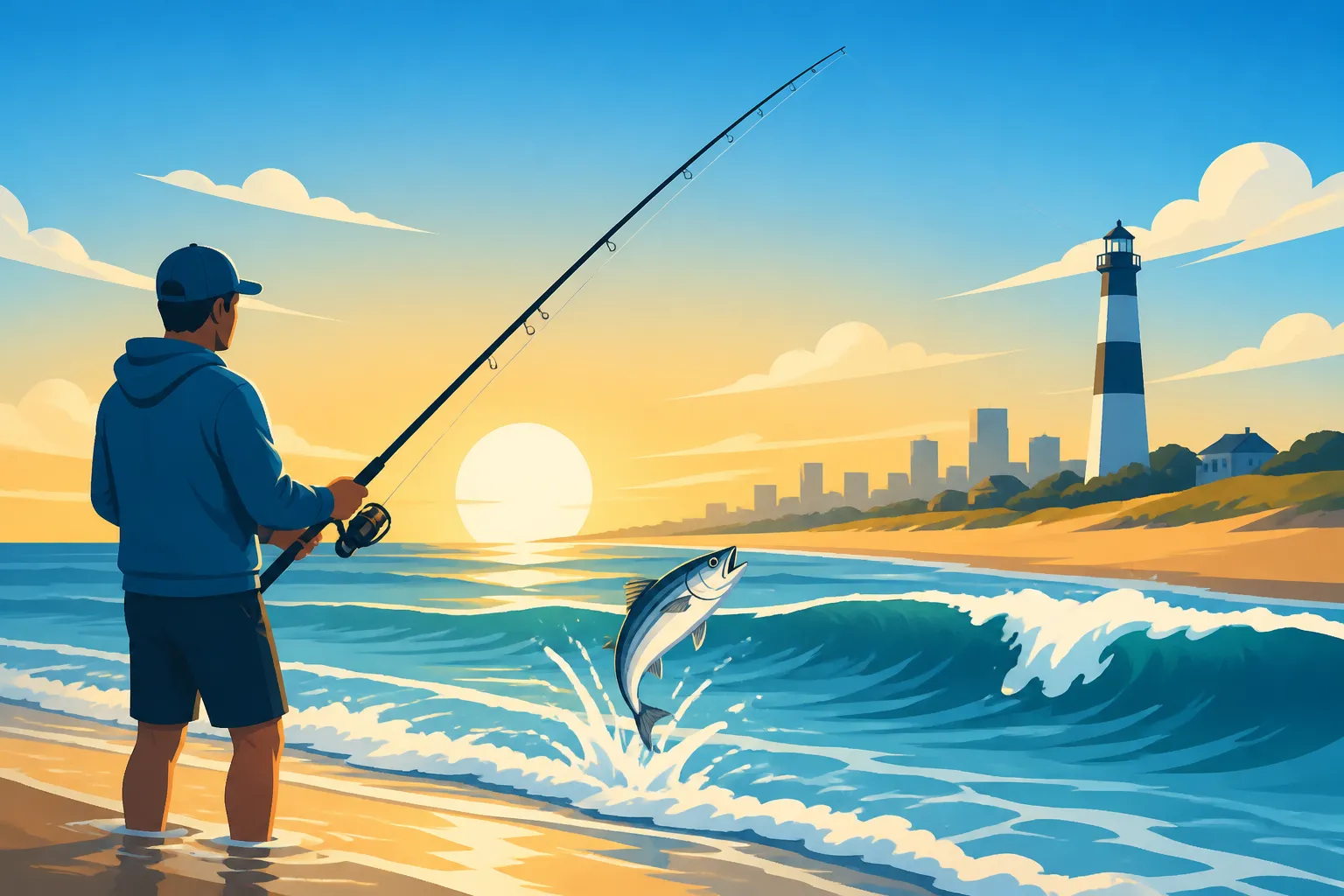
There's nothing quite like the salty air, the rhythmic crash of waves, and the thrill of feeling a tug on your line as you stand on the vast expanse of Virginia Beach. But for many anglers, especially those new to surf fishing, the sheer size of the coastline can feel overwhelming. You might find yourself wondering where to even begin, what gear you truly need, or how to avoid going home empty-handed after hours of casting into the seemingly endless ocean. This comprehensive guide is designed to cut through that confusion, giving you the insider knowledge on the best surf fishing spots in Virginia Beach, what you can expect to catch, and the essential tips to make your next beach angling adventure a success.
Understanding Virginia Beach's Unique Surf Fishing Scene
Virginia Beach isn't just one long stretch of sand; it's a dynamic coastline with different characteristics that appeal to various types of surf anglers. From bustling tourist hotspots to more tranquil, natural preserves, each section offers its own advantages and challenges. Getting familiar with these nuances is the first step to unlocking a truly rewarding surf fishing experience.
The Allure and Challenges of Virginia Beach Surf Fishing
The allure of surf fishing at Virginia Beach is undeniable. Imagine casting your line into the Atlantic, breathing in the fresh ocean air, and feeling connected to the wild forces of nature. It's an accessible form of fishing for many, requiring less specialized equipment or expensive boat charters than offshore trips. Plus, you never know what might be on the other end of your line – a feisty red drum, a plump spot, or even a hard-fighting striped bass. It’s a peaceful, often solitary pursuit that offers a fantastic escape from the daily grind, a chance to simply unwind and cast your worries away with your bait.
However, surf fishing here also comes with its challenges. The open ocean is unpredictable, with tides, currents, and wave action constantly changing. You're fishing in a vast environment, and finding the fish can sometimes feel like searching for a needle in a haystack. Crowds, especially during peak tourist season, can make finding a good, unmolested spot difficult. You'll also contend with wind, sand, and the potential for snags or losing gear to the unforgiving surf. Learning to read the beach, understanding the subtle cues of the ocean, and adapting your techniques are crucial for overcoming these hurdles.
Key Factors Influencing Surf Fishing Success
To consistently find success while surf fishing in Virginia Beach, you need to pay attention to a few critical environmental factors. Understanding how these elements affect fish behavior and location will dramatically improve your chances. First, tides are paramount. Generally, the incoming and outgoing tides (the two hours leading up to and after high or low tide) are the most productive times. These moving waters stir up baitfish and crustaceans, making them easier targets for predatory fish.
Next, water temperature plays a huge role in what species you'll encounter. Warm-water species like croaker and spot are abundant in summer, while cooler temperatures in spring and fall bring in stripers and drum. Surf conditions are also vital; a moderate surf with a slight chop can be ideal, as it provides cover for fish and dislodges food. Flat, calm water might mean fish are further offshore or less active, while extremely rough surf can make fishing impossible and dangerous. Finally, beach structure such as sandbars, sloughs (deeper troughs between sandbars), and cuts (breaks in sandbars) are natural ambush points for fish. Learning to identify these structures, even by observing wave patterns or scouting at low tide, is a game-changer.
Top Public Access Surf Fishing Hotspots
Virginia Beach offers a variety of public access points, each with its own character and potential for different types of catches. Knowing where to go can make all the difference in your surf fishing adventure. From the bustling main oceanfront to more serene natural areas, there’s a spot for every angler's preference.
The Iconic Virginia Beach Oceanfront (1st to 40th Streets)
The Virginia Beach Oceanfront, stretching from 1st to roughly 40th Street, is perhaps the most famous and accessible area for visitors. While it's certainly bustling with tourists, especially in warmer months, it still offers excellent surf fishing opportunities, particularly during non-peak hours or in the shoulder seasons. The broad, sandy beaches here are relatively uniform, but skilled anglers know how to spot the subtle features that attract fish. Look for areas where waves are breaking further out, indicating a sandbar, and then the deeper water (the "trough" or "slough") between that sandbar and the shore. These troughs are often highways for migrating fish.
Fishing closer to the piers, like the Virginia Beach Fishing Pier at 15th Street, can also be productive due to the structure they provide, attracting baitfish and, consequently, game fish. You’ll often find a mix of species here, including spot, croaker, flounder, bluefish, and sometimes even smaller striped bass or puppy drum. Just be mindful of crowds, swimmers, and posted regulations, especially concerning distance from piers and designated swimming areas. Early mornings and late evenings are generally best for avoiding the biggest crowds and often coincide with prime feeding times for many species.
Sandbridge Beach: A More Secluded Angler's Paradise
If you're looking for a more tranquil, less crowded experience, Sandbridge Beach is your go-to. Located about 15 miles south of the main oceanfront, this area offers a distinctly different vibe – it's more residential, natural, and feels worlds away from the boardwalk. The beaches here are often steeper, dropping off into deeper water closer to shore, which can be advantageous for targeting larger fish without needing excessively long casts. Sandbridge is particularly renowned for its excellent opportunities to catch larger game fish.
Anglers frequently land red drum, black drum, bluefish, and even formidable striped bass from the surf here, especially during the spring and fall migrations. The absence of extensive public parking and commercial development means fewer distractions and more open water to explore. You might need to walk a bit further to find your ideal spot, but the reward of solitude and potentially bigger catches often makes it worth the effort. Access points are scattered, so check local maps before you head out. Remember that this area borders natural wildlife refuges, so be extra cautious with your litter and respect local wildlife.
Croatan Beach and Rudee Inlet: Where Bay Meets Ocean
Croatan Beach, situated just south of Rudee Inlet, offers a unique transitional zone where the calm waters of the inlet meet the dynamic Atlantic surf. This mixing of waters and currents creates a rich feeding ground for a diverse array of fish species. The inlet itself is a major thoroughfare for fish moving between the ocean and the calmer back bays, making the areas immediately adjacent to it prime real estate for surf anglers.
Near Rudee Inlet, you'll find channels, jetties, and sandbars that create excellent habitat and current breaks, attracting species like flounder, speckled trout, striped bass, bluefish, and various drum species. The jetties, in particular, provide structure and deeper water, making them popular spots for those targeting bigger fish. Fishing the surf at Croatan Beach allows for both long casts into the open ocean and shorter casts into the more protected waters influenced by the inlet. It’s a fantastic location if you enjoy variety and are keen to target species that might be found in both pure surf and inlet environments. Always be aware of boat traffic near the inlet mouth.
Strategic Spots for Different Fish Species
Knowing which fish species prefer specific types of environments can significantly help you hone your technique and increase your chances of a successful catch. Virginia Beach's diverse waters host a wide range of species, each with its own habits and preferred habitats.
Targeting Drum, Striper, and Flounder from the Surf
When you're aiming for the bigger, more sought-after species like drum (red and black), striped bass (often called "rockfish" locally), or flounder, your approach to selecting a spot and setting up your gear needs to be a bit more strategic.
Red Drum (Puppy Drum & Bull Red Drum): Red drum love moving water and feed heavily in troughs and cuts, especially during incoming and outgoing tides. They're often found patrolling sandbars and sloughs. Look for spots at Sandbridge Beach or closer to Rudee Inlet where there's a good drop-off or noticeable current. For bait, fresh cut mullet, menhaden, or peeler crab are excellent choices. A traditional two-hook bottom rig with 5/0 to 7/0 circle hooks is standard. The key is to cast beyond the first sandbar into the deeper water, or sometimes directly into the cuts that breach the sandbars.
Black Drum: These bottom-feeders are often found in deeper sloughs and near structure, though they also cruise sandy bottoms. They're not as sensitive to current as red drum. Sand fleas (mole crabs) are their absolute favorite bait, but clam strips also work very well. Use a heavier bottom rig, similar to what you'd use for red drum, with slightly larger hooks (e.g., 6/0 to 8/0). They're less common than red drum in the surf but can be present, especially in spring and fall.
Striped Bass (Rockfish): Virginia Beach can be an incredible spot for striped bass, especially during their spring and fall migrations. They love to ambush baitfish in turbulent water, so look for areas with good current flow and structure like jetties or deeper troughs. Early mornings, late evenings, and even night fishing can be highly productive. During the season, you might find them anywhere from the main oceanfront to Sandbridge. When considering a Virginia Striped Bass Season and Slot Limit Guide, it's good to know the rules. Plugs like poppers or heavy jigs can be effective, but many surf anglers prefer chunk bait like cut menhaden or even live eels if available. A fish-finder rig with a heavy sinker to hold bottom is often used.
Flounder: While commonly caught from piers or boats, flounder can absolutely be caught from the surf, especially in areas with slight depressions or where baitfish congregate. They are ambush predators and will lay in wait on the bottom. Focus on areas near Rudee Inlet or places where there are subtle underwater structures. Small pieces of cut bait, squid, or even Gulp! soft plastics on a flounder rig are excellent. A traditional bottom rig or a simple high-low rig with smaller hooks (1/0 to 2/0) will do the trick. A slow retrieve that drags the bait along the bottom is crucial for enticing a bite.
Casting for Smaller Species: Spot, Croaker, and Bluefish
For a more action-packed day, or if you're fishing with kids or beginners, targeting smaller, more abundant species like spot, croaker, and bluefish from the surf is a fantastic option. These fish are generally less gear-intensive to catch and provide consistent bites.
Spot: These panfish-sized fighters are a Virginia Beach staple, especially during the summer and early fall. They travel in schools and are often found in the shallower surf zone, close to the beach, particularly in areas with a gentler slope. They're opportunistic feeders and will hit a variety of small baits. The main Virginia Beach Oceanfront is a prime spot for them. Use a simple two-hook bottom rig (often called a "spec rig" or "spot rig") with small hooks (size 4 to 8) and tip them with tiny pieces of bloodworm, fish bites, or fresh clam. You can usually cast just beyond the waves and get bites almost immediately.
Croaker: Like spot, croaker are plentiful in Virginia Beach's surf during warmer months and are often caught right alongside them. They tend to prefer slightly deeper water than spot but can still be found in the first trough. They're known for their distinctive "croaking" sound when caught. Good spots include the main oceanfront and Croatan Beach. Use the same small bottom rigs as for spot, with similar baits. They have a stronger bite than spot and can offer a fun challenge, especially if you hook into a larger "hardhead" croaker.
Bluefish: These aggressive, toothy predators are a blast to catch and can range from "snapper blues" (small ones) to larger "chopper blues" that can put up a serious fight. They hunt baitfish in schools and will hit anything shiny or moving quickly. Look for them in areas with good current and baitfish activity, which can be almost anywhere along the Virginia Beach surf. Metal spoons (like a Hopkins or Kastmaster), Got-Cha plugs, or even cut bait will work wonders. If using cut bait, a wire leader is often recommended due to their sharp teeth. Bluefish are often a strong target, so having a good bait is always useful, as bluefish also share some similar food preferences. They provide a lot of excitement, often striking hard and fighting all the way to the sand.
Essential Gear and Techniques for Virginia Beach Surf Fishing
Having the right equipment and knowing how to use it effectively is crucial for a successful day of surf fishing at Virginia Beach. It’s not about having the most expensive gear, but rather the most appropriate and reliable tools for the job.
Rods, Reels, and Rigging for the Beach
When it comes to rods, you'll want something specifically designed for surf fishing. These are typically longer and more robust than freshwater rods, ranging from 9 to 12 feet, sometimes even longer for extreme casting distances. A good general-purpose surf rod might be 10-11 feet, with a medium-heavy action, capable of casting 2-6 ounces of weight. This length gives you the leverage to cast heavy rigs and fight fish in the challenging surf conditions. Brands like Penn, Shimano, and Daiwa offer excellent options that are built to withstand saltwater environments.
For reels, a robust spinning reel is generally preferred for its ease of use and ability to handle braided line. Look for a reel in the 6000-8000 size range, designed for saltwater. It should have a good drag system and be sealed to resist sand and saltwater intrusion. Spool it with 20-30 lb braided line for its strength and casting distance, backed with a monofilament leader (e.g., 50-80 lb mono) for abrasion resistance near the rig. Some anglers prefer to spool entirely with monofilament, but braid offers superior sensitivity and casting.
When it comes to rigging, the most common setup for Virginia Beach surf fishing is a two-hook bottom rig, also known as a "hi-lo" rig or "pompano rig." This rig consists of a leader with two dropper loops for hooks, and a sinker clip at the bottom. Pyramid sinkers (3-6 ounces) are essential for holding bottom in the surf. For heavier species like drum and stripers, a fish-finder rig is preferred. This setup involves a heavy sinker on a slider that allows the fish to take the bait without feeling immediate resistance, leading to better hookups. The hook is tied directly to the end of a leader, often with a heavier leader material to resist abrasion. Hooks should be appropriate for your target species, typically circle hooks ranging from size 4 for spot to 8/0 for large drum.
Best Baits and Lures for Virginia Beach Surf
Choosing the right bait is often the most critical decision in surf fishing. In Virginia Beach, fresh, natural baits usually outperform artificial lures, especially for bottom-feeding species.
For bottom feeders like spot, croaker, and smaller drum, bloodworms are legendary. Their scent trail is irresistible. However, they can be pricey. Fish bites (synthetic scented baits) are an excellent, durable, and more affordable alternative, often outperforming natural baits on some days. Freshly cut clam or peeler crab are also highly effective, particularly for drum. For flounder, small strips of squid or minnows (live or Gulp! imitation) are top choices.
When targeting game fish like striped bass or larger bluefish, cut bait is king. Freshly cut chunks of menhaden (bunker) or mullet release a strong oil and scent that predatory fish can't ignore. For live bait, if available and allowed, live eels are deadly for stripers, especially at night.
As for lures, they shine brightest when targeting actively feeding bluefish or stripers. Metal spoons like Hopkins or Kastmasters are great for bluefish and often catch stripers. Poppers can create exciting surface strikes, while swimming plugs or soft plastic paddletails (like those from Z-Man or Bass Assassin) rigged on jig heads are effective for stripers and larger bluefish, especially when cast into deeper cuts or around jetties. While the focus of this article is surf fishing, anglers looking for a guided trip to explore lure fishing from a boat can easily find options on platforms like FishingBooker, which lists a variety of charter experiences in the Virginia Beach area.
Navigating Regulations and Best Practices
Fishing in Virginia Beach, like anywhere else, comes with rules and responsibilities. Understanding these regulations and adopting best practices ensures a safe, legal, and environmentally sound fishing experience for everyone. It also helps preserve our precious marine resources for future generations.
Virginia Fishing Licenses and Catch Limits
This is a non-negotiable step: you must have a valid Virginia fishing license to fish in the surf at Virginia Beach if you are 16 years of age or older. There are various types of licenses available, including annual resident and non-resident options, as well as shorter-term passes like a 10-day saltwater fishing license, which is perfect for visitors or those on a short trip. You can easily purchase your license online through the Virginia Department of Wildlife Resources (DWR) website, at a local tackle shop, or a sporting goods store like Bass Pro Shops or West Marine. Be sure to understand the nuances of Virginia's freshwater and saltwater fishing licenses as they are distinct.
Beyond the license, it’s absolutely critical to be aware of the catch limits and size restrictions for the species you are targeting. These regulations are in place to manage fish populations and ensure sustainable fishing. For example, striped bass (rockfish) often have a specific slot limit (e.g., 28-31 inches) and a one-fish-per-person daily limit, and their season can be split into different periods. Red drum and flounder also have minimum size limits and daily creel limits. These regulations can change seasonally or annually, so it's essential to check the most current Virginia DWR regulations before each trip. A great resource is the official DWR website or a local tackle shop that will have up-to-date brochures. Ignorance of the law is not an excuse, and penalties for violations can include hefty fines. Familiarize yourself with Virginia fishing regulations explained to stay compliant.
Respecting the Environment and Other Anglers
As a surf angler, you are a steward of the beach and the marine environment. Practicing responsible angling is paramount. Pack it in, pack it out is the golden rule – never leave trash, discarded fishing line, or bait containers on the beach. Monofilament line, in particular, can be deadly to wildlife. Many beaches have recycling bins specifically for fishing line.
Respect other beachgoers. Remember that the beach is a shared space. Avoid casting near swimmers, sunbathers, or children playing. If the beach is crowded, consider fishing during off-peak hours or seeking out less populated areas like Sandbridge. Give fellow anglers ample space, and try not to crowd their spot. If someone is already set up in a productive area, move further down the beach.
Handle fish with care. If you plan to release a fish, do so quickly and gently. Use appropriate tools like dehookers to minimize stress and injury, especially when dealing with smaller fish or those that are undersized. If a fish is legal to keep, dispatch it humanely and keep it on ice to preserve its quality. Understanding how to minimize stress on a fish, especially if you are practicing catch-and-release, is part of being an ethical angler.
Disclaimer
Please note that fishing regulations, seasons, and licensing requirements in Virginia are subject to change by the Virginia Department of Wildlife Resources (DWR). Always verify the most current rules and regulations before heading out on your fishing trip. This guide is for informational purposes only and does not constitute legal advice.