Is the Potomac River Safe for Bank Fishing?
The Potomac River is a magnificent and historic waterway, offering incredible fishing opportunities, but its vastness and diverse characteristics can leave many anglers questioning the safety of casting a line from its banks. From busy urban waterfronts to quiet, forested stretches, knowing the potential hazards and how to mitigate them is key to a rewarding and secure fishing experience. This comprehensive guide will explore various aspects of safety, including environmental factors, personal precautions, and accessibility concerns, empowering you to make informed decisions for your next Potomac bank fishing adventure.
Understanding the Potomac River's Unique Environment for Bank Fishing
Bank fishing along the Potomac River offers a chance to connect with nature without the need for a boat, but it also means directly engaging with the river's varied and sometimes challenging environment. The conditions can change dramatically depending on whether you're in the tidal lower Potomac near the Chesapeake Bay or further upstream in the non-tidal sections.
Varying River Conditions and Terrain
The Potomac isn't a monolithic body of water; it’s a dynamic system that transitions from a narrow, rocky river in its upper reaches to a wide, tidal estuary. If you're fishing upstream near areas like Great Falls, you'll encounter swift currents, rocky banks, and dramatic elevation changes. These areas require extreme caution due to slippery rocks, deep pools, and rapidly changing water levels, especially after heavy rains. The terrain can be rugged, making access difficult and potentially hazardous. It's not uncommon to find yourself scrambling over uneven ground or navigating dense vegetation.
As you move downstream towards Washington D.C. and beyond, the river widens, and the current becomes less intense, eventually becoming fully tidal. Here, the banks are often flatter, but you might contend with muddy or silty shorelines, particularly at low tide. In urban areas like Alexandria, Virginia, you'll often find paved walking paths and designated piers, making access much easier and generally safer from a physical terrain perspective. However, even these seemingly benign spots can have hidden snags or slippery moss-covered steps. Understanding the specific stretch of river you plan to visit is paramount for assessing the terrain's safety.
Water Quality Concerns and Advisories
For years, the Potomac River has faced challenges with water quality due to historical pollution from agricultural runoff, industrial discharge, and urban stormwater. While significant strides have been made to improve its health, and many sections are cleaner than they once were, it's still crucial to be aware of current conditions. Agencies like the Interstate Commission on the Potomac River Basin (ICPRB) and the Virginia Department of Wildlife Resources (DWR) constantly monitor water quality and issue advisories.
These advisories might warn about elevated bacteria levels after heavy rainfall, which can make direct contact with the water risky, or provide guidance on fish consumption. For instance, certain areas might have advisories against eating certain species of fish due to accumulated contaminants. Before heading out, it's always wise to check the latest water quality reports and consumption advisories from local health departments or environmental agencies. While fishing, avoid swallowing river water and always wash your hands thoroughly, especially before eating, even if you’re just doing catch-and-release.
Wildlife Encounters and Natural Hazards
Fishing in nature means sharing the environment with its inhabitants, and the Potomac River basin is rich in wildlife. While most encounters are harmless and even enjoyable, some can pose risks. Snakes, particularly water snakes, are common along the banks; generally non-venomous, they can still deliver a painful bite if provoked. Keep an eye out for ticks, especially in grassy or wooded areas, as they can carry Lyme disease and other illnesses. Always perform a thorough tick check after your trip.
Poison ivy is another common adversary along the Potomac's banks, often camouflaged among other plants. Learning to identify its "leaves of three" can save you from an itchy ordeal. Beyond these, you might encounter raccoons, opossums, and even coyotes, particularly in more secluded spots. Giving wildlife space and not leaving food unattended will help prevent unwanted interactions. Being prepared with insect repellent, long pants, and closed-toe shoes can go a long way in protecting you from these natural nuisances and potential health threats.
Navigating Personal Safety and Accessibility
Beyond the natural environment, personal safety and navigating access points are critical considerations for bank anglers on the Potomac. From choosing the right location to ensuring your own well-being, a thoughtful approach can make all the difference.
Public Access Points Versus Private Land
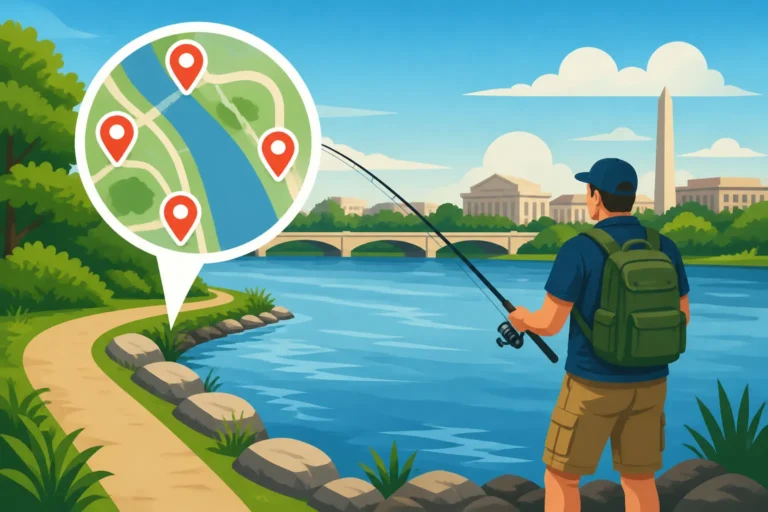
One of the biggest questions for any bank angler is, "Where can I legally and safely fish?" The Potomac River boasts numerous public access points, ranging from sprawling national and state parks to smaller, locally maintained community parks and boat ramps. Places like Theodore Roosevelt Island, Great Falls Park, and various stretches of the Mount Vernon Trail offer well-established public access. Many of these spots provide amenities like parking, restrooms, and marked trails, enhancing both convenience and safety. These locations are often patrolled by park rangers or local law enforcement, adding an extra layer of security. For guidance on legal spots, you can often find maps and information from local county parks and recreation departments, or the National Park Service, which manages significant portions of the Potomac shoreline.
However, many stretches of the river are bordered by private property. Unwittingly trespassing can lead to legal issues and uncomfortable encounters with landowners. Always respect "No Trespassing" signs and use official maps or apps to confirm you're on public land. If you're unsure about the nuances of local access or want to discover hidden gems, contacting a local fishing guide or checking resources like FishingBooker can provide invaluable insights into accessible and legal bank fishing spots, helping you avoid accidental trespass and discover the best spots. Remember that even if a spot seems deserted, it might still be private, so always verify before casting a line.
Addressing the Potential for Crime in Isolated or Urban Settings
While the Potomac River offers tranquility, it's a large waterway that flows through diverse communities, and like any expansive outdoor area, it’s not immune to crime. Isolated areas, particularly those with remote parking lots or trails that aren't frequently patrolled, can occasionally present a higher risk of property crime (like car break-ins) or even personal safety concerns. It's a sad reality, but being aware is the first step to prevention.
Conversely, urban sections of the river, while often more populated, can also have their own set of challenges. Areas with high foot traffic might attract petty theft or panhandling. The best defense is common sense: avoid fishing alone in very isolated spots, especially at dawn, dusk, or night. Inform someone about your exact fishing location and your expected return time. Secure your valuables, and don't leave anything visible in your car. Trust your gut; if a spot feels off, it's always better to relocate. Remember that safety in numbers can be a powerful deterrent.
Essential Gear and Safety Preparations
Being prepared with the right gear isn't just about catching fish; it's about staying safe and comfortable on the bank. Proper footwear is paramount. Think sturdy, waterproof boots with good ankle support and non-slip soles, especially if you anticipate navigating rocky or muddy terrain. A small first-aid kit, well-stocked with essentials like bandages, antiseptic wipes, pain relievers, and any personal medications, is a non-negotiable item. You never know when a minor cut, scrape, or insect bite might occur.
Hydration is also key, regardless of the season. Bring plenty of water, and if you plan on an extended trip, consider packing some non-perishable snacks. Sun protection – a wide-brimmed hat, sunglasses, and sunscreen – is vital, as reflections off the water can intensify sun exposure. A fully charged phone for emergencies, a whistle (to signal for help), and a headlamp or flashlight if there's any chance you'll be out around dusk are also critical. For those adventurous enough to explore the Potomac's deeper recesses, carrying a sturdy walking stick can provide balance and help test uncertain ground. These simple preparations can significantly enhance your safety profile when fishing from the bank.
Specific Bank Fishing Challenges and How to Mitigate Them
Bank fishing on the Potomac isn't always as simple as casting a line. The river presents unique challenges that, if not understood and respected, can quickly turn a peaceful outing into a risky situation. Being aware of these specific conditions and knowing how to navigate them is crucial for a safe and enjoyable experience.
Understanding Tidal Fluctuations and Strong Currents
For much of the Potomac River, particularly downstream from Georgetown in Washington D.C., you're dealing with a tidal river. This means water levels can rise and fall significantly, often several feet, over a six-hour cycle. What might be a perfectly accessible bank at high tide could become a dangerous, muddy, or even submerged area at low tide. This is especially true for fishing locations like those mentioned in Bank Fishing Access Points on the Potomac River Near Alexandria, Virginia, where the tidal influence is very strong. Getting stranded by a rising tide, or attempting to navigate treacherous muddy banks exposed at low tide, are real risks. Always consult a tide chart for your specific location before you go, and keep an eye on the water level throughout your trip.
Beyond tidal changes, the Potomac can have surprisingly strong currents, especially in narrower sections, around bends, or after heavy rainfall. These currents can erode banks, create unstable footing, and even pose a drowning hazard if you slip and fall in. When choosing a spot, observe the current speed and look for areas with more stable banks. Avoid standing too close to the edge in areas with visible erosion. It's also wise to wear a personal flotation device (PFD) if you're fishing in an area with a high risk of falling in, particularly if you're not a strong swimmer or are fishing alone.
Dealing with Steep, Slippery, or Eroding Banks
Many sections of the Potomac River, especially in its more natural and less developed stretches, are characterized by steep, uneven, or eroding banks. These can be incredibly challenging and dangerous to navigate, leading to slips, falls, and injuries. Clay banks, common in some areas, become extremely slippery when wet. Constant foot traffic and natural processes can also lead to undercutting, where the river erodes the bank beneath the surface, creating unstable overhangs that can collapse without warning.
To mitigate these risks, always assess the bank condition before stepping onto it. Look for solid, vegetated areas rather than bare, crumbling earth. If a bank looks unstable or unusually steep, it's best to find another spot. Wear appropriate footwear with excellent grip, such as hiking boots or waders with felt soles. A sturdy walking stick can provide extra balance and help you probe the ground for stability. Never fish directly under an eroding overhang. Sometimes the best strategy is to find an alternative, safer spot, even if it means walking a little further or choosing a different day, perhaps one where the ground isn't as saturated from recent rain.
Managing Boat Traffic and Casting Zones
The Potomac River is a busy thoroughfare, especially in the more populated areas. Recreational boaters, personal watercraft, commercial barges, and even tour boats frequently traverse its waters. This heavy boat traffic can create large wakes that crash onto the banks, potentially knocking an unprepared angler off their feet or sweeping gear into the water. The sheer volume of boats can also disrupt fishing, as fish may be spooked by engine noise and shadows.
When choosing a bank fishing spot, be mindful of boat lanes and popular boating areas. Avoid casting into direct boat traffic paths, which is not only dangerous but can also be rude to other river users. If you're fishing in a high-traffic area, consider wearing bright clothing to increase your visibility, especially around dawn or dusk. Always maintain a clear casting zone, ensuring no overhead obstructions or nearby fellow anglers are in your casting path. A good rule of thumb is to look up, look behind, and look around before every cast. If possible, opt for quieter coves or backwaters where boat traffic is minimal, allowing for a more peaceful and safer fishing experience.
Official Resources and Best Practices for Safe Potomac Fishing
Navigating the Potomac River safely requires more than just common sense; it also means leveraging official resources and adopting proven best practices. Virginia's various agencies and local organizations are dedicated to promoting safe and responsible recreation.
Consulting Virginia DWR and Other Agency Advisories
The Virginia Department of Wildlife Resources (DWR) is your primary source for understanding Virginia Fishing Regulations Explained. They provide comprehensive information on fishing licenses, which you'll need even for bank fishing, and often have specific advisories related to particular waterways. For example, the DWR website fishing license purchase steps are clearly outlined, making it easy for anglers to comply. Beyond licenses, the DWR issues news releases and updates on water conditions, fish consumption advisories, and any temporary closures or special regulations that might impact your trip. Always check their official website before heading out.
Additionally, other agencies like the National Park Service (NPS), which manages numerous Potomac River parks and shorelines, and local county parks and recreation departments, also offer valuable information. The NPS, for instance, provides detailed maps, trail conditions, and specific rules for fishing within their managed areas. Local agencies often have information on smaller, community-focused access points, some of which might be ideal for beginners or those seeking quieter spots. These organizations often work together, so consulting their combined resources ensures you have the most complete and up-to-date picture of safety and legality.
Embracing Technology for Safety and Local Knowledge
In today's world, technology can be a powerful ally for safe bank fishing. Before you even leave home, use mapping apps (like Google Maps or local park apps) to scout potential access points, identify terrain features, and gauge distances. Satellite views can reveal steep banks, dense vegetation, or nearby hazards. Checking local weather forecasts is non-negotiable; sudden thunderstorms, high winds, or extreme temperatures can quickly create dangerous conditions.
For up-to-the-minute local knowledge, consider utilizing platforms that connect anglers with experienced local guides. Services like FishingBooker, for example, can put you in touch with guides who specialize in bank fishing the Potomac. These local experts possess invaluable knowledge about safe access points, current water conditions, and specific hazards to avoid. They can recommend the Best Largemouth Bass Spots on the Potomac River, Virginia, or guide you through effective Bank Fishing Techniques while prioritizing your safety. Even if you don't book a guide, browsing their listings can give you a sense of popular, presumably safer, fishing zones and the types of fish successfully targeted from the bank, like the Best Catfish Fishing on the Potomac River. Leveraging technology and local expertise can drastically improve both your success and safety.
Best Practices for a Safe and Respectful Bank Fishing Experience
Beyond checking regulations and using smart tools, adopting a few best practices will ensure a safe and respectful outing. First and foremost, always adhere to catch limits and slot sizes to protect fish populations and avoid penalties. Virginia's fishing license requirements for shore fishing are the same as for boat fishing, so ensure you have the correct one. Carry a trash bag and pack out everything you pack in, leaving no trace behind. This preserves the natural beauty of the Potomac and ensures continued access for all.
Regarding personal safety, consider fishing with a buddy, especially if exploring new or remote areas. If you must go alone, always inform someone of your itinerary. Avoid Night Fishing Techniques in unfamiliar or unlit areas, as visibility is reduced and hazards are harder to spot. If you happen to hook a large fish, like a monster flathead catfish, be mindful of your footing and don't get pulled into the water. Knowing How to Catch Bass From the Bank safely means maintaining balance and having the right gear. Lastly, be courteous to other river users – kayakers, hikers, and fellow anglers. A friendly wave and mutual respect go a long way in fostering a positive and safe outdoor community.
| Hazard | Description | Mitigation Strategy |
|---|---|---|
| Slippery/Steep Banks | Wet rocks, mud, and eroding soil can lead to slips and falls. | Wear sturdy, waterproof boots with excellent grip. Use a walking stick for balance. Avoid fishing on visibly crumbling or undercut banks. |
| Strong Currents | Swift water can cause loss of balance, sweep gear away, or pose a drowning risk if you fall in. | Observe current speed before choosing a spot. Fish in calmer eddies or backwaters if currents are too strong. Consider a PFD in high-risk areas. |
| Tidal Fluctuations | Rising and falling water levels can expose treacherous mudflats or submerge your fishing spot. | Always check local tide charts. Be aware of your surroundings and move to higher ground as the tide rises. Avoid areas that become cut off. |
| Water Quality Advisories | Bacteria from runoff or contaminants in fish can pose health risks. | Check DWR and local health department advisories for swimming and fish consumption. Wash hands thoroughly after handling fish or water. |
| Wildlife Encounters | Snakes, ticks, and other wildlife can pose minor threats (bites, disease). | Be aware of your surroundings. Wear long pants and closed-toe shoes. Use insect repellent. Perform tick checks. Give wildlife space. |
| Boat Traffic/Wakes | Passing boats create waves that can knock you off balance or disrupt your fishing. | Choose spots away from main boat channels. Face the river to see approaching boats. Wear bright clothing for visibility. |
| Isolated Areas / Crime | Remote spots can increase risk of property crime (car break-ins) or personal safety concerns. | Avoid fishing alone in very isolated areas. Inform someone of your location. Secure valuables, don't leave items visible in your car. Trust your instincts. |
Disclaimer
The information provided in this guide is for general informational purposes only and is not a substitute for professional advice or current official regulations. Always consult the latest rules and advisories from the Virginia Department of Wildlife Resources and local authorities before engaging in any fishing activities. Fishing inherently carries risks, and personal safety is the responsibility of each individual.