Best Smallmouth Bass Spots on the James River, Virginia
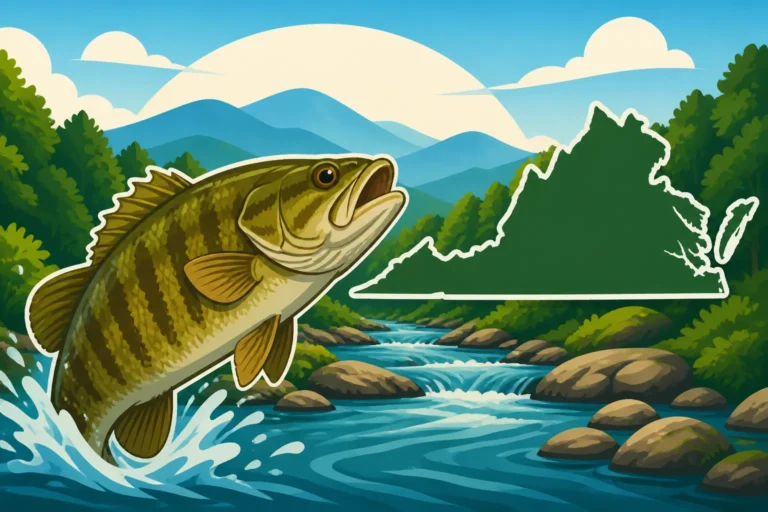
Finding those elusive smallmouth bass on the sprawling James River can feel like searching for a needle in a haystack, especially with its diverse waters stretching across the Commonwealth. Many anglers, myself included, have spent countless hours casting without understanding the nuances of this incredible river. This guide is designed to cut through that frustration, pinpointing the very best smallmouth bass spots on the James River, Virginia, and giving you the insights you need to make your next trip a resounding success, whether you're wading, kayaking, or boating.
Why the James River is a Smallmouth Bass Paradise
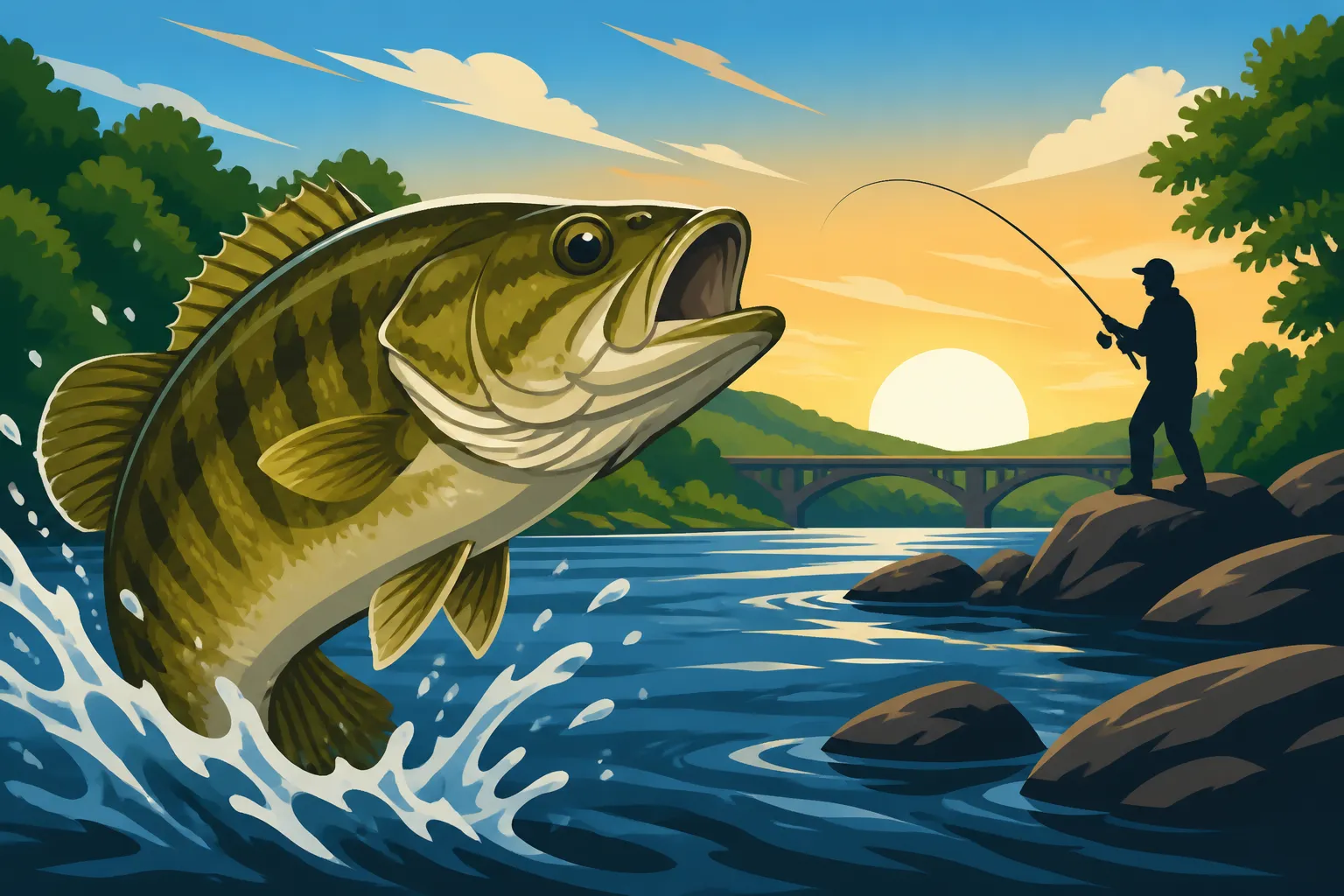
The James River isn't just any waterway; it's a true gem for smallmouth bass enthusiasts. Flowing approximately 348 miles from the Appalachian Mountains to the Chesapeake Bay, it offers a remarkable variety of habitats, making it one of the premier destinations for these hard-fighting bronze beauties in the eastern United States. What makes it so special? It's a combination of diverse river characteristics, abundant forage, and specific water conditions that smallmouth absolutely thrive in. Unlike many other rivers, the James maintains a strong smallmouth presence across a significant portion of its length, adapting to both mountain streams and wider, more powerful flows.
Understanding the James River's Diverse Habitats
From its headwaters in the Appalachian Highlands, the James River transforms several times before it reaches the tidewater. The upper sections, closer to the mountains, are characterized by clearer, cooler water, numerous riffles, rapids, and rocky pools. These areas are classic smallmouth habitat, full of current breaks and ambush points created by boulders and fallen timber. As you move downstream, past cities like Lynchburg and toward Richmond, the river widens, slows in places, and develops deeper channels, expansive flats, and larger rock formations.
Even within these broader sections, you'll find micro-habitats. Some stretches are perfect for wading and fly fishing, offering intimate battles with feisty smallmouth in pristine conditions. Others are better suited for canoes, kayaks, or jon boats, allowing access to more remote islands, ledges, and current seams that hold bigger fish. Understanding these transitions is key to knowing where and how to target smallmouth. You'll find that the characteristics change subtly from one bend to the next, requiring anglers to be adaptable and observant. This constant variety is part of the challenge and reward of fishing the James.
Prime Smallmouth Forage and Water Conditions
Smallmouth bass in the James River are opportunistic predators with a diet rich in crayfish, hellgrammites, various minnow species, and aquatic insects. These forage bases are incredibly abundant throughout the river's smallmouth zones, providing a constant food source that allows bass to grow healthy and strong. The presence of ample rocky bottom structure, especially in the upper and middle sections, provides ideal habitat for crayfish and hellgrammites, which are absolute smallmouth magnets. When you see those scuttling crayfish or squiggly hellgrammites under rocks, you know you're in a good spot.
Water conditions also play a crucial role. Smallmouth prefer clear to moderately stained water with good oxygen levels and a decent current. The James typically delivers on these fronts, though heavy rains can cause temporary muddiness and high flows. Optimal water temperatures for smallmouth activity generally range from 55-75 degrees Fahrenheit. During cooler periods, they'll often hold in deeper pools and slack water; during warmer months, they'll seek out oxygenated riffles and shaded areas. Keeping an eye on the water temperature for bass fishing in Virginia is always a good idea. Knowing what the fish are feeding on and what conditions they prefer will significantly increase your chances of success.
Top Smallmouth Bass Hotspots on the James River
Now, let's get down to brass tacks: where exactly do you find these incredible smallmouth? The James River offers fantastic opportunities from its western reaches all the way to the fall line in Richmond. We'll break it down by geographical sections to give you the most specific and actionable advice. Each section has its own unique flavor and requires slightly different approaches, but all promise the thrill of a James River smallmouth fight. For those looking to plan a trip, consulting resources like FishingBooker can help you find local guides who specialize in these specific sections.
Upper James River: From the Mountains to Buchanan
The Upper James River, particularly the stretch from Botetourt County down through Buchanan, is often considered the heartland of James River smallmouth fishing. This is where the river maintains much of its mountain-stream character – clear, rocky, and fast-flowing. It's incredibly scenic and offers some of the best wade-fishing and float-fishing (canoe, kayak) experiences you can find.
- Buchanan to Arcadia: This stretch is famous for its rocky rapids, deep pools, and abundant current breaks. Access points around the town of Buchanan (like the public boat ramp) offer great starting points. Anglers often float this section, stopping to wade fish prime areas. Look for larger boulders and ledges that create eddies and slack water directly behind them. Smallmouth love to ambush prey from these spots. The clarity of the water here often makes sight fishing possible, which is an exciting challenge. You'll find yourself casting into pockets of calm water just off the main current, or letting your bait drift naturally through riffles.
- Balcony Falls and Below: As the river progresses, you'll encounter areas like Balcony Falls, which create significant rapids. While dangerous to navigate, the pools and slower sections directly above and below these falls can be absolute honey holes. These deeper areas provide refuge and feeding grounds for larger smallmouth. This section often requires a good float plan and experience navigating moving water. You might even consider hiring a local guide through platforms like FishingBooker if you're unfamiliar with the area.
- Alpine to Iron Gate: Further upstream, closer to the headwaters, the river is narrower and more intimate. Access might be more limited to bridges and smaller, less developed put-ins. This area often holds good numbers of smaller, feisty smallmouth and offers excellent fly-fishing opportunities. Think stealthy approaches and accurate casts into tight pockets.
Middle James River: Lynchburg to Richmond's Fall Line
Moving downstream, the Middle James River, particularly the long stretch from Lynchburg all the way to the rapids of Richmond, transforms into a wider, more powerful river. While still boasting plenty of current and rocky structure, it becomes less wadeable in many sections and is best fished from a boat – whether that's a larger jon boat, drift boat, or sturdy kayak.
- Lynchburg Area: Around Lynchburg, the river starts to broaden, offering a mix of swift runs, deeper pools, and extensive rock gardens. Public access points like those near Percival's Island provide good starting points. Anglers here often target current seams, submerged ledges, and islands that break up the flow. Look for deeper water adjacent to strong current. The smallmouth here tend to be a bit larger on average than those further upstream, due to the increased food supply and deeper holding water.
- Bremo Bluff to Columbia: This section is known for its impressive rock formations, ledges, and islands. It’s a popular float trip for multi-day excursions. The river here can be quite wide, necessitating accurate casting to cover promising structure. Pay close attention to current breaks formed by exposed and submerged rocks. These areas are magnets for smallmouth, especially during lower water conditions when structure becomes more apparent. Many anglers also appreciate the solitude this section offers, allowing for a more immersive fishing experience.
- Maidens to Powhatan: Closer to Richmond, but still above the major fall line rapids, you'll find spots like Maidens Bridge and Powhatan State Park. These areas offer more developed boat ramps and are popular for day trips. The river here retains its rocky character but also introduces more long, deep runs and occasional sandy banks mixed with the rock. Focus on transition zones between different types of bottom and structure. This area is generally where you start to see the occasional largemouth bass mixing with the smallmouth, especially in slower eddies. You can find more information on Fishing the James River in Virginia.
Lower James River: Tidal Influence and Hybrid Zones
As the James River approaches Richmond, it undergoes its most dramatic change, encountering the "fall line" – a geological boundary where the Piedmont Plateau meets the Coastal Plain. This creates the famous rapids in Richmond, like those found in the James River Park System. While these rapids themselves can hold some smallmouth, the character of the river changes rapidly below them as it transitions into a tidal, brackish environment more suited for saltwater species.
- Richmond City Sections (Above the Fall Line): The rapids within Richmond, like those around Belle Isle and Pony Pasture, actually offer surprisingly good smallmouth fishing. These are highly accessible urban fisheries, but they require extreme caution due to powerful currents and swift rapids. Wading here is only for experienced anglers, and specific access points are designated. The smallmouth here are incredibly strong due to fighting the current their entire lives. They often hold in the deep, turbulent pools and eddies found amongst the boulders.
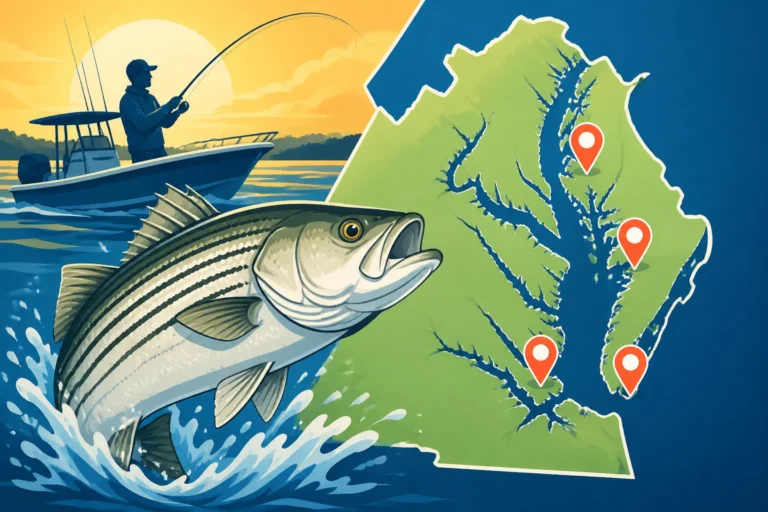
- Below the Fall Line (Transitional Zone): Just below the major rapids, the river flattens out and becomes tidal. While smallmouth are rare in this true tidal section, you can sometimes encounter them in the upper reaches of the tidal influence, especially during periods of lower salinity. More commonly, you'll find hybrid striped bass mixing with largemouth. This is the very edge of smallmouth territory on the James, as the habitat shifts dramatically. For the pure smallmouth experience, it’s best to focus upstream of Richmond.
Essential Techniques and Gear for James River Smallmouth
Catching smallmouth bass on the James River is less about luck and more about understanding their behavior and presenting the right offerings. These fish are aggressive and opportunistic, but they can also be wary, especially in clear water. Having the right arsenal of lures and knowing how to fish them are paramount. If you're new to river fishing, learning How to Catch Smallmouth Bass in Rivers is a fantastic starting point.
Lures and Baits That Consistently Produce
Smallmouth bass on the James have a diverse diet, and your lure selection should reflect that. Here are some consistent producers:
- Soft Plastics: These are arguably the most versatile and effective. Grubs (like a 3-4 inch single-tail grub on a 1/8 to 1/4 oz jig head), tubes, and creature baits (imitating crayfish) are deadly. The key is to fish them slowly along the bottom, mimicking a scurrying crayfish or a drifting hellgrammite. Watermelon, green pumpkin, and brown are excellent natural colors. For a more aggressive presentation, try a "swim jig" with a paddle-tail grub trailer.
- Spinnerbaits: Chartreuse and white, or black and blue spinnerbaits (1/4 to 3/8 oz) with Colorado or willow leaf blades, work exceptionally well in stained water or on overcast days. They create vibration and flash that smallmouth can't resist. Cast them near current breaks and retrieve them just fast enough to keep the blades turning.
- Crankbaits: Shallow to medium-diving crankbaits that mimic minnows or crayfish are fantastic, especially when fished around rocky structure. Colors like crawfish patterns, shad, or firetiger are good choices. Look for crankbaits that deflect off rocks, as this erratic action often triggers strikes. Lipless crankbaits can also be effective when burned through deeper pools.
- Topwater Lures: During low light conditions (dawn, dusk) or on calm summer evenings, topwater lures like poppers, walking baits, or prop baits can provide explosive strikes. These are best fished over shallower rocky areas or near fallen timber. The sheer excitement of a topwater blow-up is something every smallmouth angler lives for.
- Flies: For fly anglers, clouser minnows, crayfish patterns, woolly buggers, and poppers are essential. The upper river sections are particularly conducive to fly fishing.
Fishing Strategies for Varying Water Levels and Seasons
The James River is dynamic, with water levels and temperatures fluctuating throughout the year. Adapting your strategy is crucial.
- High Water/Stained Water: When the river is up and muddy after heavy rains, smallmouth often move out of the main current and into slack water eddies, behind islands, or into tributary mouths. Use lures with strong vibration and dark colors, like black and blue spinnerbaits or jigs, which create a better silhouette. Fish slowly and thoroughly.
- Low Water/Clear Water: In clear, low water conditions, fish can be spooky. Long casts, lighter lines, and natural bait colors are key. Smallmouth will often hold tight to cover, so accurate casts into specific pockets and current seams are necessary. Wade fishing becomes more viable, allowing you to access areas not reachable by boat.
- Spring (Pre-Spawn/Spawn): Smallmouth move into shallower, rocky areas to spawn when water temperatures hit the mid-50s to low 60s. Focus on gravel beds and hard bottoms in protected coves or eddies. Jigs, tubes, and suspending jerkbaits can be very effective. Remember to practice catch and release, especially during the spawn, to protect the fishery.
- Summer: During warmer months, smallmouth will often seek oxygenated water in faster current, particularly riffles and rapids. Early morning and late evening topwater action can be incredible. During the day, fish deeper pools with jigs or crankbaits, or target shaded areas and current breaks.
- Fall: As water temperatures drop, smallmouth become highly active, feeding aggressively to build up fat reserves for winter. This is a fantastic time for crankbaits, spinnerbaits, and swim jigs. They often school up, so if you find one, there are likely more.
- Winter: Smallmouth become lethargic in cold water, moving to deep, slow pools. Vertical jigging spoons, suspending jerkbaits, or slowly dragged jigs are your best bet. Fishing will be slower, but the fish you catch can often be larger. For more details on adapting to conditions, check out Best Techniques for Smallmouth Bass in Current.
Kayak, Canoe, or Jon Boat: Navigating the James
The method of transportation you choose will significantly impact your access and fishing strategy on the James River.
- Wading: The upper James, particularly above Lynchburg, offers excellent wade-fishing opportunities during normal to low water levels. It allows for a stealthy approach and the ability to thoroughly fish individual pockets and runs. Ensure you have proper wading boots with good grip and a wading staff for safety, as river bottoms can be slick and current strong. Always check water levels before wading; safety is paramount. You can find information on specific Bank Fishing Access Points on the James River, Virginia.
- Kayaks/Canoes: These are arguably the most popular and versatile options for many sections of the James. They allow you to cover more water than wading while still being able to navigate shallower rapids and access remote stretches. Stability is key, so choose a fishing-specific kayak or a wide, stable canoe. They also allow for stealthy approaches to fish-holding structure. Remember to plan your put-in and take-out points, especially for longer floats. Many local outfitters rent kayaks and canoes and offer shuttle services, which can be easily found through platforms like FishingBooker.
- Jon Boats/Drift Boats: For the wider, deeper sections of the middle James, particularly around Lynchburg and downstream, a jon boat or drift boat offers more stability, comfort, and capacity for gear. These boats allow you to fish larger sections more efficiently and handle stronger currents. They're ideal for anglers who prefer a more structured fishing experience, perhaps with a fish finder to locate deeper structure. Be mindful of prop clearance in shallower areas and always be aware of changing river conditions.
Preserving the James River Smallmouth Fishery
The James River is a precious resource, and as anglers, we have a responsibility to protect it for future generations. Smallmouth bass are a cornerstone of the river's ecosystem and a celebrated sportfish, so ensuring their continued health is vital. Thoughtful practices on and off the water contribute significantly to the river's well-being. This commitment to conservation is something that all responsible anglers share, from seasoned veterans to those just learning to fish, like kids who might need a Fishing License Rules for Kids in Virginia.
Catch and Release Practices
While Virginia's fishing regulations allow for keeping a certain number of smallmouth bass, practicing catch and release, especially for larger breeding-size fish, is highly encouraged on the James. These larger fish are crucial for the long-term health and genetic diversity of the fishery.
- Minimize Handling: Reduce the time the fish is out of the water. Handle fish with wet hands to protect their slime coat, which is their primary defense against disease.
- Proper Hook Removal: Use needle-nose pliers or a hook remover to quickly and carefully extract hooks. If a fish is deeply hooked, especially in the gills, it might be better to cut the line as close to the hook as possible rather than tearing tissue trying to remove it.
- Revival: For tired fish, especially those caught in strong current or during warm water periods, gently hold them upright in the water, facing into the current, until they swim off strongly on their own. Don't just toss them back; ensure they are fully revived.
- Use Barbless Hooks: Consider crimping down the barbs on your hooks. This makes hook removal much easier and less damaging to the fish, speeding up the release process.
Respecting the River and Its Ecosystem
Our interaction with the river extends beyond just catching fish. Being a good steward means treating the entire ecosystem with respect.
- Leave No Trace: Pack out everything you pack in. This includes all trash, fishing line, and any other debris. The James River deserves to remain pristine.
- Protect Riparian Zones: Be mindful of bank erosion. Avoid trampling vegetation unnecessarily and stick to established access points where possible. These vegetated areas are critical for river health, filtering runoff and providing habitat.
- Prevent Invasive Species Spread: Always clean your boats, kayaks, and gear thoroughly between fishing trips, especially if moving between different bodies of water. Invasive species like zebra mussels or hydrilla can wreak havoc on local ecosystems.
- Know the Regulations: Always be aware of and follow the latest Virginia fishing regulations explained, including bag limits, size limits, and any special restrictions for specific areas of the James River. This is not just about avoiding penalties; it's about doing your part to manage the resource sustainably. Knowing these rules, which you can find in the comprehensive Virginia Fishing License Guide, ensures you're a responsible angler.
The James River smallmouth fishery is a treasure, offering thrilling experiences against a backdrop of stunning natural beauty. By understanding its unique characteristics, targeting the right spots, employing effective techniques, and committing to conservation, you can enjoy incredible success and contribute to the river's health for generations to come. So grab your rod, pack your gear, and get ready to experience some of the best smallmouth bass fishing Virginia has to offer.
Disclaimer
Please be aware that fishing conditions, regulations, and access points can change. Always check the latest regulations from the Virginia Department of Wildlife Resources (DWR) before heading out. Fishing involves inherent risks; always prioritize safety, especially when on or near moving water.