Is Claytor Lake Good for Channel Catfish Fishing?
You're probably wondering if Claytor Lake, often celebrated for its impressive bass and walleye, is truly worth your time if you're specifically after channel catfish. It's a valid question, as many anglers tend to focus on the more "glamorous" species. But let me tell you, if you're searching for a fantastic channel cat fishery with plenty of action and some truly respectable fish, Claytor Lake absolutely delivers. This guide will dive deep into why this Southwest Virginia gem is indeed a prime spot for channel catfish and how you can maximize your chances of a successful outing.
Claytor Lake's Reputation for Channel Catfish
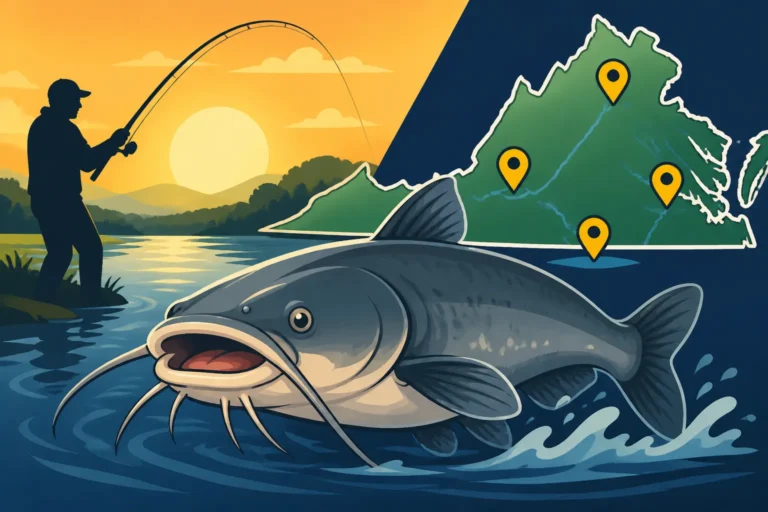
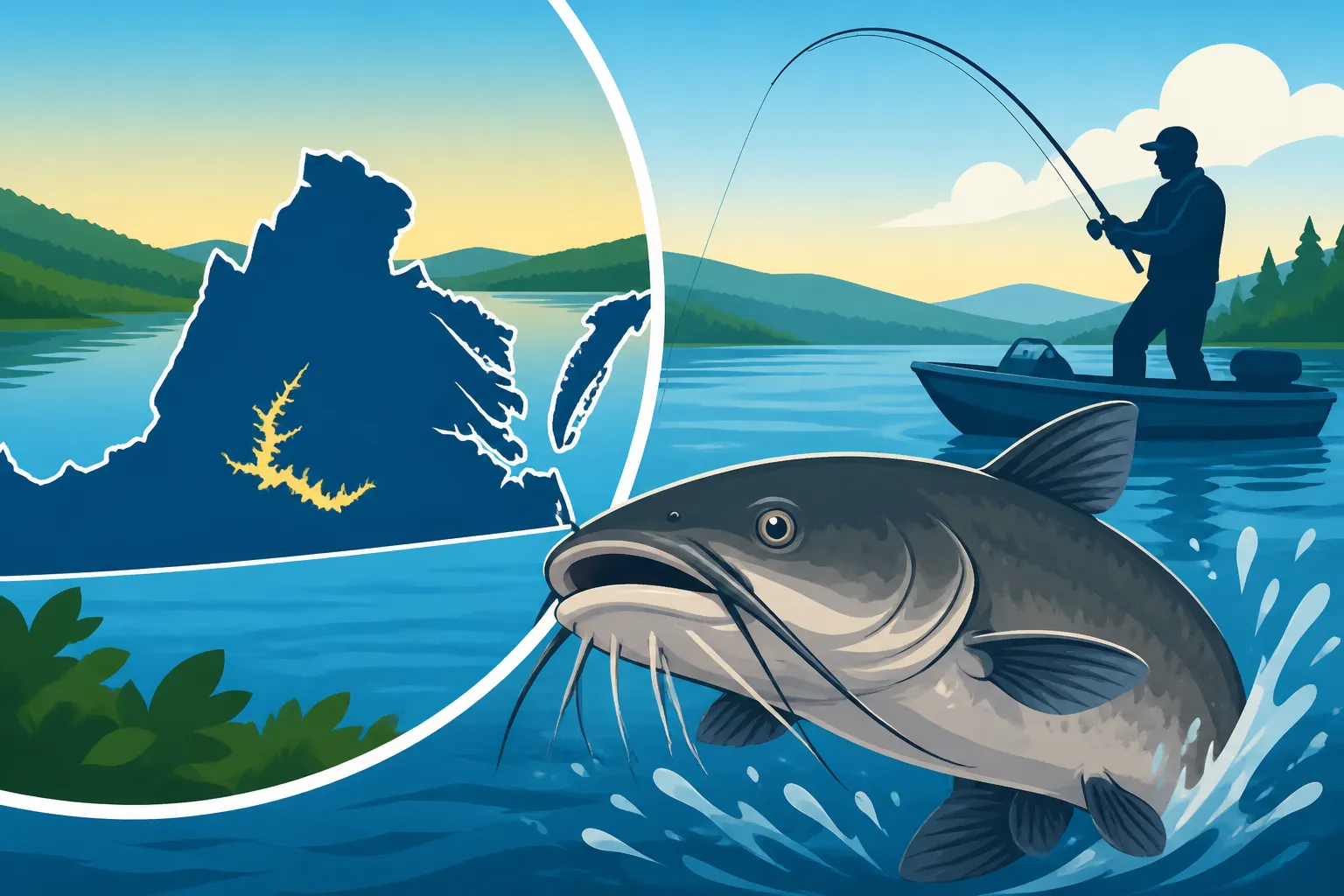
Claytor Lake, nestled in the scenic New River Valley, is a sprawling reservoir that often flies under the radar for dedicated catfish enthusiasts. While it’s certainly renowned for its bass and even has a strong walleye population, the channel catfish fishery here is robust, healthy, and consistently productive. This isn't just a place to accidentally catch a catfish; it's a destination where you can intentionally target and land plenty of them, including some real bruisers.
Understanding Claytor Lake's Ecosystem for Catfish
Claytor Lake is a unique body of water, primarily fed by the ancient New River. This constant flow, coupled with its varying depths, abundant structure, and diverse forage base, creates an ideal habitat for channel catfish. Unlike some murky, slow-moving lakes often associated with catfishing, Claytor Lake boasts relatively clear water in many sections, especially upstream, which can sometimes make anglers hesitate. However, these fish thrive here. The lake reaches depths of over 100 feet in some areas, offering cool, oxygenated water during the hotter months, which is crucial for catfish seeking comfort.
The lake bottom is a mix of rock, gravel, and silt, with plenty of submerged timber, ledges, and creek channels that provide excellent ambush points and cover for catfish. This varied topography, combined with a healthy population of baitfish like shad, bluegill, and various minnows, ensures a consistent food supply. Catfish are opportunistic feeders, and the smorgasbord available in Claytor Lake keeps them well-fed and growing. Many anglers might overlook Claytor Lake for its channel catfish potential, focusing instead on other well-known Virginia catfish destinations, but they're missing out on a truly productive fishery that offers both quantity and quality.
Why Claytor Lake is a Prime Catfish Destination
Claytor Lake is more than just "good" for channel catfish; it's genuinely one of Virginia's top spots for them, especially if you appreciate a beautiful backdrop while you fish. The population of channel catfish here is incredibly dense, thanks to excellent spawning habitat and a managed ecosystem. You're not just hoping for a bite; you're expecting it, often getting into schools of active fish.
What makes it so prime? Firstly, the sheer numbers. Anglers regularly report catching dozens of channel cats in a single outing. While many will be "pan-sized" (1-5 pounds), perfect for a fish fry, there's always the chance of hooking into a trophy-class channel catfish pushing into the double digits. I’ve seen 15-pounders pulled from these waters, and they put up a fantastic fight on appropriate tackle.
Secondly, the diverse structure means there's always somewhere for catfish to hide and feed, no matter the season or water conditions. The deeper main channel of the New River, which winds its way through the lake, acts as a highway for these fish, providing deeper sanctuaries and consistent current. Tributaries like Peak Creek, Little River, and Big Laurel Creek offer shallower, warmer water in the spring and fall, drawing catfish into more accessible areas. For those looking for a diverse angling experience, you might even encounter some of Claytor Lake's Big Flathead Catfish in the same areas, providing an exciting bonus. The combination of easy access, abundant fish, and the potential for a personal best makes Claytor Lake an undeniably excellent choice for channel catfish angling.
Best Times and Techniques for Channel Catfish at Claytor Lake
To consistently hook into Claytor Lake's channel catfish, you need to understand their seasonal movements and feeding habits. They're not always in the same spots, and the bait that works today might not be as effective tomorrow. A little planning goes a long way, and thankfully, these fish are generally quite predictable if you know what to look for.
Seasonal Strategies for Consistent Catches
Channel catfish are active year-round, but their behavior shifts with the seasons.
- Spring (March-May): As water temperatures climb into the 60s, channel catfish move into shallower waters, especially in the backs of coves and tributary arms, looking to feed heavily before the spawn. They'll gorge on anything they can find. Target areas with warmer water, submerged timber, and brush piles. This is a fantastic time for both numbers and some larger pre-spawn females.
- Summer (June-August): The spawn usually occurs when water temperatures are in the mid-70s. After spawning, catfish retreat to deeper, cooler water during the day, often along ledges, channels, and humps. Night fishing for catfish becomes incredibly productive as they move shallower to feed under the cover of darkness. Focus on river channels, creek mouths, and deep points. Consider booking a guide through platforms like FishingBooker during peak summer to tap into local expertise for those prime nocturnal spots. Knowing how to Catch Catfish at Night can make all the difference in July and August.
- Fall (September-November): As water temperatures cool, catfish enter a significant feeding period, fattening up for winter. They can be found moving between shallow and deep water, often concentrating on flats adjacent to deep channels or along the edges of submerged weed beds. This is often regarded as one of the Best Times to Fish in Virginia Throughout the Year for a variety of species, and catfish are no exception. They’ll be aggressive and willing to chase down a good bait.
- Winter (December-February): Catfish metabolism slows down, but they still feed. They typically congregate in the deepest parts of the lake, particularly in the main river channel where the current is slowest, or in large, deep holes. Fishing can be slower, but if you find a wintering hole, you can catch multiple fish. Use smaller baits and a slower presentation.
Essential Baits and Rigging for Claytor Lake Catfish
The beauty of channel catfishing is that you don't need fancy, expensive lures. Catfish are primarily scent-driven, so natural baits that give off a strong smell are your best bet.
- Cut Bait: Hands down, one of the most effective baits. Freshly cut pieces of shad, bluegill, or other baitfish caught in Claytor Lake are often irresistible. The scent trail they leave in the water is a powerful attractant. Just make sure to check local regulations for using game fish as cut bait; often, non-game species like gizzard shad are preferred.
- Chicken Liver: A classic catfish bait. It's affordable, easy to get, and its soft, bloody nature disperses scent quickly. Keep it chilled to firm it up, and consider using a small bait holder hook or even wrapping it in a piece of netting to keep it on the hook.
- Nightcrawlers/Worms: Simple, effective, and readily available. A wriggling ball of nightcrawlers can attract bites from smaller channel cats and panfish, but larger cats won't pass them up either.
- Prepared Baits: Stink baits, dip baits, and punch baits like Catfish Charlie or Berkley PowerBait Catfish Chunks are designed specifically for channel catfish and can be very effective, especially when fishing a stationary rig. Their strong, artificial scents can draw fish from a distance.
When it comes to rigging, simplicity is key for most Catfish Fishing Techniques and Bait Guide.
- Carolina Rig (or Slip Sinker Rig): This is the go-to. Thread a slip sinker (1/2 oz to 1 oz, depending on current and depth) onto your main line, followed by a bead (to protect the knot), and then tie on a barrel swivel. To the other end of the swivel, attach a fluorocarbon or monofilament leader (12-24 inches) and a sturdy circle hook (sizes 2/0 to 5/0). The slip sinker allows the fish to take the bait without feeling immediate resistance.
- Suspension Rigs: For fishing suspended catfish or those just off the bottom, a simple slip bobber rig can be incredibly effective. Adjust the bobber stop to set your bait at the desired depth. This is great for fishing over submerged structure without getting snagged.
- Three-Way Swivel Rig: Useful in current. Tie your main line to one eye of the swivel, a short dropper line (6-12 inches) with a sinker to another eye, and your leader with the hook to the third eye.
Popular Spots and Structures to Target
Claytor Lake offers a wealth of potential catfish spots. Here are some general areas and structures that are typically productive:
- Creek Mouths and Confluences: Where tributaries like Peak Creek, Little River, or Big Laurel Creek meet the main lake, you'll find channels, current breaks, and an influx of food. These are hotspots, particularly in spring and fall.
- Submerged Timber and Brush Piles: Catfish love cover. Look for standing timber, downed trees, or brush piles, especially those near drop-offs or channel edges. These provide both ambush points and protection.
- Deep River Channel: The old New River channel runs through the lake, providing a deep thoroughfare. Focus on the bends and deeper holes within this channel, especially during summer and winter.
- Ledges and Drop-offs: Anywhere the bottom contour changes significantly, catfish will hold. Fish the top, middle, and bottom of these ledges.
- Claytor Lake Dam Area: The deep water and structure around the dam can hold large numbers of catfish, particularly when water is being released, creating current. Just be mindful of safety and restricted areas near the dam.
- Points and Humps: Submerged points extending into the lake and humps rising from the bottom can act as feeding stations for cruising catfish.
For anglers looking to explore the lake thoroughly, there are numerous Boat Ramps on Claytor Lake for Fishing Access, making it easy to reach these prime locations. Additionally, if you're planning a visit to the area, checking out Fishing Spots Near Roanoke, Virginia might lead you to other great options within a reasonable drive.
Regulations and Best Practices for Claytor Lake Catfishing
Fishing for channel catfish on Claytor Lake is generally straightforward, but it’s crucial to understand the rules and practice responsible angling to ensure this fantastic fishery remains healthy for years to come.
Navigating Virginia's Fishing Regulations
Before you even cast a line, ensure you have a valid Virginia fishing license. You can find comprehensive details in our Virginia Fishing License Guide. For Claytor Lake, which is considered freshwater, a Virginia Freshwater Fishing License is required. Non-residents will need a nonresident license. Remember, fines for fishing without a license can be steep, so it's not worth the risk.
For channel catfish specifically, Virginia generally has very liberal regulations. Statewide, there are typically no length or creel limits for channel catfish in most public waters, including Claytor Lake. This means you can keep as many legal-sized channel catfish as you wish, though always practice good judgment and only keep what you'll eat. However, it's absolutely vital to always double-check the latest regulations from the Virginia Department of Wildlife Resources (DWR) before heading out, as rules can change. You can usually find the most up-to-date information in the annual Virginia Fishing Regulations Explained guide provided by the DWR. While there are specific slot limits for species like bass and striped bass on Claytor Lake, channel catfish are typically managed differently due to their abundant population.
Ethical Angling and Conservation
While channel catfish are plentiful, practicing ethical angling helps sustain the fishery and respects the resource.
- Catch and Release: If you're not planning to eat the fish, or if you catch a particularly large trophy-sized catfish, consider practicing catch and release. Channel catfish are quite hardy, but proper handling is still important. Minimize their time out of the water, use wet hands when handling them, and support their body weight horizontally.
- Keeping Fish for the Table: Channel catfish, especially those in the 1 to 5-pound range, are excellent eating. Many anglers swear by their mild, flaky white meat. If you do plan to keep fish, dispatch them quickly and humanely, and keep them on ice to preserve freshness. Knowing Is Channel Catfish Good to Eat? can definitely enhance your fishing experience.
- Leave No Trace: Always pack out everything you pack in. This includes bait containers, fishing line, and any other trash. Keeping Claytor Lake clean benefits both the environment and fellow anglers.
- Respect Private Property: Be aware of property lines and only fish in areas where you have legal access. Most of Claytor Lake offers excellent public access, but always be mindful of where you're casting.
By following these simple guidelines, you contribute to a positive fishing experience for everyone and ensure that Claytor Lake remains a fantastic destination for channel catfish angling for generations to come.
Claytor Lake Channel Catfish Tactics by Season
| Season | Best Time of Day | Prime Locations | Recommended Baits | Key Techniques | Notes |
|---|---|---|---|---|---|
| Spring | Morning/Evening | Shallow coves, creek mouths, warm flats | Cut bait (shad, bluegill), nightcrawlers | Bottom fishing, slip sinker rigs | Pre-spawn feeding frenzy, target warming water. |
| Summer | Night/Dawn/Dusk | Deep channels, ledges, creek mouths | Cut bait, chicken liver, stink baits | Bottom fishing, anchored boat, drift fishing | Night fishing is highly productive; look for deeper, cooler water. |
| Fall | All Day | Flats adjacent to channels, ledges | Cut bait, nightcrawlers, prepared baits | Bottom fishing, targeting structure | Fish are actively feeding to bulk up for winter. |
| Winter | Mid-day (warmer) | Deep holes in river channel, dam area | Smaller cut bait, worms, prepared baits | Slow presentations, vertical jigging | Slower bite, but can find concentrated schools in deep water. |
Disclaimer
Fishing is an inherently risky activity. Always prioritize your safety, be aware of your surroundings, understand local weather conditions, and wear appropriate personal protective equipment, such as life vests. Regulations can change, so always consult the most current Virginia Department of Wildlife Resources (DWR) rules before fishing. This guide is for informational purposes only and should not replace official DWR guidelines or professional advice.