Virginia’s Best White Perch Fishing Spots
It’s a truly unique feeling when you hook into a school of feisty white perch in Virginia. They're not always the biggest fish, but their willingness to bite, their delicious taste, and their sheer abundance make them a favorite among anglers across the Commonwealth. The challenge, though, often isn't if you can catch them, but where to consistently find those honey holes. If you've ever spent a day searching for these schooling fish without much luck, this comprehensive guide is for you. We're going to dive deep into Virginia's best white perch fishing spots, from tranquil freshwater lakes to bustling tidal rivers and the vast Chesapeake Bay, helping you pinpoint exactly where these panfish thrive.
Understanding White Perch in Virginia Waters
White perch are truly one of Virginia's unsung fishing heroes. They might not get the same glory as a trophy largemouth bass or a behemoth striped bass, but for pure fun, consistent action, and fantastic table fare, they're hard to beat. The great thing about white perch is their incredible adaptability, thriving in a wider range of environments than many other species. This versatility means anglers have opportunities all across the state, from the mountains to the coast.
White Perch Identification and Habitat Preferences
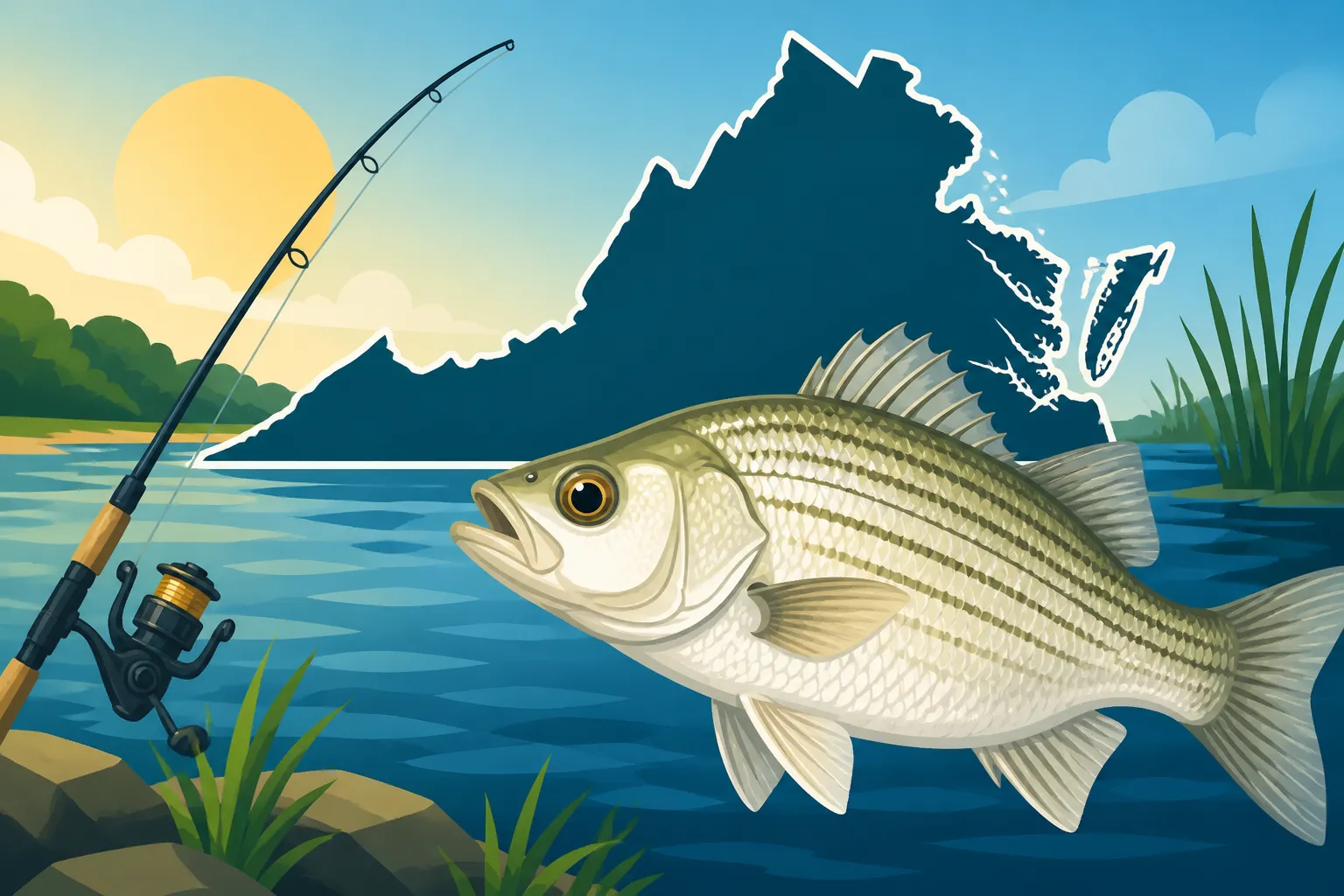
Spotting a white perch in Virginia waters is usually pretty straightforward once you know what to look for. They typically have a silvery body, often with a subtle greenish or bluish tint on their back, fading to white on their belly. Their body shape is a bit deeper and more compressed than a yellow perch, with a single dorsal fin that's deeply notched. An average white perch in Virginia will often range from 7 to 10 inches, but don't be surprised if you pull in some true slabs pushing 12 to 14 inches, especially in the richer tidal waters. These larger fish offer a surprising fight on light tackle!
When it comes to habitat, white perch are incredibly flexible. They are diadromous, meaning they can move between fresh and saltwater, which explains why you'll find them in such diverse environments. In freshwater lakes and reservoirs, they often seek out submerged structures like brush piles, rock formations, and channel edges. You’ll also find them congregating around bridge pilings, docks, and even deep weed lines. In the tidal rivers and estuaries, their preferences are similar but include more brackish water features such as oyster reefs, marsh edges, and creek mouths. They are schooling fish, so where you find one, you're often likely to find many more. Understanding these preferences is key to success, whether you're fishing a quiet cove on a mountain lake or a bustling channel marker in the Chesapeake Bay. Knowing "How to Identify a White Perch" can significantly improve your chances of recognizing and targeting them effectively.
Why Virginia is a White Perch Paradise
Virginia’s diverse aquatic ecosystems are practically tailor-made for white perch. The state boasts an incredible network of freshwater lakes and reservoirs, some of which are massive impoundments with plenty of deep-water forage and structure. Then there's the expansive Chesapeake Bay system, with its countless tidal rivers, creeks, and estuaries, offering vast stretches of brackish and saltwater habitats. This unique blend of environments provides white perch with abundant food sources, from small invertebrates and crustaceans to juvenile fish, allowing them to grow plump and plentiful.
The Department of Wildlife Resources (DWR) and other conservation efforts also play a role in maintaining healthy fish populations, ensuring that anglers have consistent opportunities. These fish are prolific spawners, laying thousands of eggs, which helps them maintain strong numbers even with consistent angling pressure. Their ability to tolerate a wide range of water temperatures and salinities means they can thrive from the cool, clear waters of upland reservoirs to the warmer, more saline environments of the lower Chesapeake. It truly makes Virginia a prime destination for anyone looking to enjoy the thrill of reeling in these underrated game fish.
The Difference Between White Perch and Yellow Perch
While both white perch and yellow perch are beloved panfish in Virginia, they are distinct species with different characteristics and preferences. Many anglers, especially those new to fishing, can sometimes confuse the two, but knowing the differences can help you target them more effectively. Understanding "White Perch vs Yellow Perch: How to Tell Them Apart" is a fundamental skill for any Virginia panfish angler.
Yellow perch, as their name suggests, typically have a more golden or yellowish body, characterized by distinct dark, vertical stripes or bars along their sides. They also have two separate dorsal fins, with the first being spiny and the second soft-rayed. Their body is generally more elongated and less deep than a white perch. Yellow perch are primarily freshwater fish, preferring cooler, clearer lakes and rivers, and are less tolerant of saline conditions than their white counterparts. You'll often find them schooled in open water or along weed beds.
White perch, as discussed, are silvery and lack the prominent vertical bars. They possess a single, deeply notched dorsal fin, and their body is deeper and more compressed. Their ability to inhabit both fresh and brackish water is their key distinguishing characteristic behaviorally. While both are excellent to eat and provide great sport, knowing which species you're targeting can influence your choice of fishing spot, bait, and even time of year.
Top Tidal River Hotspots for White Perch
Virginia's tidal rivers are absolutely legendary for white perch fishing. These waterways, influenced by the ebb and flow of the Chesapeake Bay, create incredibly dynamic environments where perch thrive. The mix of fresh and brackish water, combined with abundant structure and forage, makes these rivers prime hunting grounds for consistent action.
James River: A Tidal Perch Powerhouse
The James River, Virginia's longest river, is a true powerhouse for white perch. Its vast tidal stretches offer an incredible diversity of habitats, from deeper channels to shallow marshy coves and numerous creeks. Anglers often find phenomenal success in the spring when white perch make their upstream spawning runs, concentrating in large numbers. During this time, the upper tidal reaches, like around the city of Richmond and upstream towards the fall line, become particularly productive. However, the fishing remains excellent throughout the warmer months and into the fall in various sections.
Key areas to target on the James include the mouths of smaller creeks and tributaries like the Chickahominy River, which is a prime spawning ground, or Swift Creek, which offers excellent access. Bridge pilings, docks, and submerged timber are always good bets. During the summer, perch often move to deeper holes and channel edges to escape the heat, while in the fall, they feed aggressively in preparation for winter. Many local anglers prefer dropping small jigs tipped with bait like bloodworms or shrimp right along these structures. For a comprehensive guide to fishing this incredible waterway, be sure to check out our article on "Fishing the James River in Virginia". Local fishing reports from charter captains, which you can often find through platforms like FishingBooker, frequently highlight white perch activity on the James.
Rappahannock River: Consistent Catches Upstream
Further north, the Rappahannock River is another fantastic tidal fishery known for its consistent white perch action. Similar to the James, the Rappahannock's tidal section, particularly upstream from Fredericksburg, sees strong spawning runs in the spring. Anglers flock to these areas, often finding large schools concentrated in deeper bends and creek mouths. As the seasons progress, perch disperse but remain plentiful throughout the tidal influence.
The stretch between Fredericksburg and Port Royal is especially productive, with numerous feeder creeks and historical structures that hold fish. Look for areas with current breaks, such as behind points or submerged snags, where perch can ambush prey without expending too much energy. The Department of Wildlife Resources (DWR) sometimes conducts studies here, consistently finding healthy populations. Using sonar to locate schools is a huge advantage, as once you find them, the action can be non-stop. Small minnows or grass shrimp fished on a bottom rig are often irresistible to these hungry fish. If you're planning a trip, our guide on "Fishing the Rappahannock River in Virginia" provides invaluable insights into specific spots and techniques unique to this river.
York River: Estuary Gold for Perch Anglers
The York River, formed by the confluence of the Mattaponi and Pamunkey Rivers, offers a slightly different, yet equally rewarding, white perch fishing experience. This river is a classic Virginia estuary, with wider, deeper channels and extensive marshlands. While it might not have the same "upstream run" feel as the James or Rappahannock due to its more estuarine nature, it consistently produces some of the fattest white perch in the state. The lower salinity levels in its upper reaches provide ideal conditions for these fish.
The mouths of the Mattaponi and Pamunkey are fantastic, as are the numerous smaller creeks and embayments that feed into the main river. Oyster reefs are absolute magnets for white perch here, providing both shelter and a rich food source. Fishing around navigational markers, bridge pilings (like those under the George P. Coleman Bridge), and docks can also be highly effective. The current in the York can be strong, so adjusting your weight to keep your bait on the bottom is crucial. Many anglers find success drifting with bloodworms or small pieces of cut bait. For more detailed information on navigating this excellent waterway, our article on "Fishing the York River in Virginia" is a great resource.
Bay and Coastal White Perch Opportunities
Beyond the tidal rivers, the expansive Chesapeake Bay and its direct coastal tributaries offer a whole other dimension for white perch fishing. Here, the waters are typically saltier, and the structures can be more extensive, ranging from shallow bay creeks to deep-water bridge-tunnels. The sheer scale of the Bay means opportunities abound for anglers seeking these prolific panfish.
Chesapeake Bay Tributaries and Shallop Creeks
The myriad of smaller tributaries, coves, and "shallop creeks" (shallow creeks) that feed directly into the Chesapeake Bay are white perch havens. These areas, often overlooked by those targeting larger game fish, provide ideal conditions for white perch, especially during the spring and fall. In the spring, perch move into these shallower, warmer waters to spawn, and in the fall, they gorge themselves on abundant forage before winter.
Think about places like the Piankatank River, Mobjack Bay, or the various creeks winding through the Eastern Shore. These locations often feature extensive marsh grasses, submerged aquatic vegetation, and plenty of docks and fallen trees – all prime white perch habitat. Fishing from small boats, kayaks, or even the bank can be incredibly productive here. The key is to explore and look for those subtle current breaks, deeper pockets within the creeks, and any kind of structure that can hold baitfish. Small jigs, particularly those tipped with soft plastics or Gulp! bait, worked slowly along the bottom, are deadly. You might even stumble upon some excellent opportunities for "White Perch Fishing Along Virginia's Tidal Rivers" within these smaller systems, blurring the lines between river and bay fishing.
Piers, Docks, and Structures Along the Coast
One of the most accessible and often overlooked ways to catch white perch in the Bay and coastal areas is by targeting man-made structures. Piers, docks, bridge pilings, and even old sunken boats or artificial reefs provide ideal ambush points and shelter for schooling white perch. These structures act like underwater condominiums, attracting baitfish which in turn attract predators like perch.
Consider the various public fishing piers that dot the Virginia coastline, from the Virginia Beach Fishing Pier to those found in Hampton, Newport News, and along the lower Bay. These piers offer land-based anglers fantastic access to deeper water and prime white perch habitat. Private docks, especially those with submerged lights at night, can also be phenomenal producers if you have access. When fishing these structures, focus on the pilings themselves, dropping your bait directly alongside them. The shade and current breaks they create are irresistible to perch. A simple bottom rig with a small hook and a piece of bloodworm or fish bite bait is often all it takes.
Fishing the Lower Bay: Bridge-Tunnel and Reefs
For anglers venturing into the lower Chesapeake Bay, particularly around the iconic Chesapeake Bay Bridge-Tunnel (CBBT), white perch fishing can be surprisingly good, especially on light tackle. While the CBBT is famous for striped bass, tautog, and flounder, its immense structure also attracts large schools of white perch. The vast concrete pilings and artificial reefs surrounding the tunnels provide an incredible amount of habitat in deeper, saltier water.
Fishing the CBBT for white perch typically involves positioning your boat near the pilings or reef structures and dropping baits down. The currents here can be swift, so heavier sinkers may be necessary to keep your bait on the bottom. While bloodworms and shrimp are still effective, small pieces of squid or clam can also tempt these deeper-water perch. Beyond the CBBT, numerous artificial reefs scattered throughout the lower Bay (many constructed from old bridge rubble or sunken ships) also hold significant numbers of white perch. Consulting a marine chart to locate these reefs and then using your fish finder to mark schools is a great strategy. If you're planning a trip that might involve a charter, you can easily find captains specializing in bottom fishing around the CBBT area on platforms like FishingBooker.
Freshwater Lakes and Reservoirs with Healthy White Perch Populations
While their reputation often leans towards brackish and saltwater, several of Virginia's freshwater lakes and reservoirs boast incredibly robust white perch populations. These landlocked perch provide fantastic fishing opportunities, often with less competition than the tidal rivers, and can be a thrilling surprise for anglers accustomed to only catching them further downstream.
Smith Mountain Lake: A Mountainous Perch Gem
Nestled in the beautiful Blue Ridge Mountains, Smith Mountain Lake is famous for its striped bass and largemouth bass, but it's also a surprisingly productive spot for white perch. These freshwater perch thrive in the lake's deep, clear waters and abundant structure. Unlike their tidal cousins, these white perch are fully landlocked, having adapted perfectly to the lake environment. They grow to impressive sizes here, often exceeding a pound, making for some exciting battles on ultralight gear.
Anglers targeting white perch on Smith Mountain Lake should focus on main lake points, submerged humps, and channel swings. The deep water channels, particularly around the dam and major creek arms, are also excellent holding areas, especially during the hotter summer months when perch seek cooler temperatures. Docks, especially those with brush piles or artificial habitat underneath, are perennial favorites. Small spoons, Sabiki rigs (if allowed in specific areas, always check local regulations), or tiny jigs tipped with a grub or a piece of nightcrawler are highly effective. Many local guides, some of whom can be booked via FishingBooker, will also target these white perch as a fun bonus catch during slower bass days. For a comprehensive overview of this remarkable fishery, consult the "Smith Mountain Lake Fishing Guide".
Lake Anna: Abundant Perch in Central Virginia
Lake Anna, located in Central Virginia, is another fantastic freshwater impoundment that supports a thriving white perch population. This large lake, known for its warm water discharge area (the "hot side") and its vast main lake section, offers diverse habitats for perch. They are incredibly abundant here, providing consistent action for anglers of all skill levels. Like Smith Mountain Lake, the perch in Lake Anna can reach substantial sizes, making them a worthwhile target.
On Lake Anna, white perch can be found throughout the main lake basin, particularly along deeper channel edges, submerged roadbeds, and around bridge pilings. The "hot side" of the lake, with its elevated water temperatures, can keep perch active and biting even during cooler months when other parts of the lake slow down. However, don't overlook the main lake points and humps, which often hold large schools. Look for areas with hard bottoms or rocky structure. Light spinning gear with small jigs, blade baits, or even a simple bottom rig with a worm or small minnow will produce results. If you're planning a trip to this popular spot, our detailed "Lake Anna Fishing Guide" offers specific tips and locations for finding various species, including these abundant white perch.
Claytor Lake: Hidden Perch in the Mountains
Tucked away in Southwest Virginia, Claytor Lake might be best known for its smallmouth bass and walleye, but it also harbors a healthy, though sometimes overlooked, population of white perch. These perch provide a great option for anglers looking for consistent action in a stunning mountain setting. The lake's deep, clear waters and varied topography create excellent conditions for white perch to thrive, often growing to a respectable size.
Anglers targeting white perch on Claytor Lake should focus on the deeper sections of the lake, especially around the main river channel and its numerous bends. Submerged timber, rock outcroppings, and abrupt depth changes are prime holding areas. During the summer, look for schools suspended over deep water, often congregating around thermal clines where cooler water provides comfort. Small spoons, vertically jigged over marked schools, or tiny grub baits on light jig heads are highly effective here. Fishing early in the morning or late in the evening can often yield the best results. For a more detailed look at what this unique lake has to offer, including other species like walleye and different types of bass, check out the "Claytor Lake Fishing Spots and Tips" guide, which delves into the lake's diverse fishery.
Essential Techniques and Baits for Virginia White Perch
Catching white perch isn't usually complicated, which is part of their charm. They are generally eager biters, making them an excellent target for beginners and seasoned anglers alike. However, having the right techniques and bait in your arsenal can dramatically increase your success rate and lead to those memorable days of non-stop action.
Light Tackle and Simple Rigs for Success
When it comes to white perch, simplicity and finesse are often the keys to success. You don't need heavy-duty gear; in fact, it can be a hindrance. A light to ultralight spinning rod and reel combo, spooled with 4 to 8-pound test monofilament or braided line, is absolutely perfect. This setup allows for accurate casting of small baits and provides excellent sensitivity to detect those often subtle perch bites. Plus, a feisty 10-inch perch feels like a giant on ultralight gear, adding to the fun!
For rigging, a basic bottom rig is incredibly effective. This usually consists of a small bell sinker (1/4 to 1 ounce, depending on current and depth) at the very end of your main line, with one or two small dropper loops tied above it. To these loops, you attach small hooks, typically size 4 to 8, sometimes even smaller, like a size 10 or 12, depending on the bait. Alternatively, a simple jig head (1/16 to 1/8 ounce) fished directly on your main line or under a small bobber can be deadly in shallower or less current-prone areas. The mantra here is "go small" – small hooks, small weights, and small baits will almost always outperform larger presentations for white perch.
Top Baits and Lures That Perch Can't Resist
White perch aren't particularly picky eaters, but some baits and lures consistently outperform others. The absolute undisputed champion for bait fishing white perch, especially in tidal and brackish waters, is the bloodworm. Their natural scent and wiggle are irresistible. If bloodworms are hard to come by or too expensive, grass shrimp are another phenomenal natural bait, particularly in estuarine environments. Small pieces of nightcrawler or red worm are excellent in freshwater lakes and rivers. Small pieces of clam or squid can also work, especially in saltier sections of the Bay.
When it comes to artificial lures, again, think small. Tiny jigs ranging from 1/32 to 1/8 ounce, tipped with small soft plastic grubs (like a 1-inch or 2-inch curly tail grub), are incredibly effective. Colors like white, chartreuse, pink, and motor oil are often popular. Small spinnerbaits (micro-spinners) or inline spinners can also entice aggressive perch, especially in shallow freshwater areas. Lastly, small metal spoons or blade baits, vertically jigged over deeper schools, can be incredibly productive, mimicking small baitfish. For more ideas on what to use, take a look at our guide on "Best Bait for White Perch Fishing".
Reading the Water: Locating White Perch Schools
White perch are schooling fish, which means finding one often leads to finding many. The biggest challenge is often locating the school in the first place. This is where "reading the water" and utilizing modern technology come into play.
In tidal rivers and the Bay, look for signs of current breaks – areas where the water slows down, such as behind points, bridge pilings, or larger submerged structures. Perch will often stage in these areas, waiting for baitfish to be swept past. The mouths of creeks flowing into larger rivers are also prime ambush points. In lakes, focus on topographical features like humps, submerged ridges, main lake points, and the edges of creek channels. Any significant depth change or cover (like brush piles or rock fields) is a potential perch magnet.
A good fish finder is an invaluable tool, especially when fishing from a boat. Look for tight clusters of arches or dots on your screen, often suspended a few feet off the bottom or directly on structure. Once you mark a school, deploy your bait directly to that depth. If fishing from shore, fan-casting different areas and paying attention to where you get bites can help you pinpoint their location. Observing other anglers' success is also a reliable method. If someone is consistently pulling in fish, it’s a good indication that you’re in a productive area.
Best Times and Conditions for White Perch Fishing
Just like with any other fish, white perch activity is heavily influenced by the time of year, tidal cycles, and prevailing weather conditions. Understanding these factors can make the difference between a slow day and a banner day out on the water. While white perch are generally cooperative, fine-tuning your timing will lead to more consistent success.
Seasonal Movements: When and Where to Find Them
White perch can be caught year-round in Virginia, but certain seasons offer peak opportunities due to their predictable movements and feeding patterns.
Spring (March-May): This is arguably the best time for white perch fishing, especially in the tidal rivers. As water temperatures rise, perch make their spawning runs upstream into shallower, freshwater sections of rivers and creeks. They concentrate in huge numbers, often providing non-stop action. After spawning, they disperse but remain very active, feeding heavily in preparation for the warmer months. Focus on the upper tidal reaches and creek mouths.
Summer (June-August): White perch fishing remains strong throughout the summer, though they tend to move into deeper, cooler waters, especially during the heat of the day. In tidal rivers and the Bay, they'll seek out deeper channels, bridge pilings, and shaded areas. In lakes, look for them suspended over deep humps or near the thermocline. Early morning and late evening bites are often best during this season. Night fishing can also be incredibly productive around illuminated docks.
Fall (September-November): Autumn is another prime time for white perch. As water temperatures begin to drop, they become incredibly active, feeding aggressively to build up fat reserves for winter. They often school up tightly in major creek channels and deeper sections of rivers and the Bay. This is a great time for vertically jigging spoons or blade baits over marked schools.
Winter (December-February): While fishing slows down, white perch are still catchable in winter. They move to the deepest parts of their habitat, often congregating in large, lethargic schools in deep holes or channels. Finding them can be the challenge, but once located, they can be caught by slow jigging or bottom fishing with natural baits. The "hot side" of Lake Anna can be an exception, providing warmer water that keeps perch more active. Overall, for a broader understanding of ideal times, our "Best Season for Panfish Fishing in Virginia" article can provide helpful context.
Tidal Influences and Their Impact on Perch Activity
For anyone fishing white perch in Virginia's tidal rivers and the Chesapeake Bay, understanding the tides is absolutely critical. Tides directly influence current, water depth, and bait movement, all of which impact how and when white perch feed.
Moving Water (Incoming or Outgoing Tide): This is generally the best time to fish for white perch. The moving current dislodges bait, concentrates forage, and makes perch more active. They will often position themselves in current breaks, waiting to ambush anything that drifts by. The stronger the current, the more aggressive their feeding can be, but too strong, and they might hunker down.
Slack Tide (High or Low Tide): Fishing can slow down during slack tide, as the lack of current means less bait movement. Perch might disperse or become less active. However, this isn't always a hard and fast rule; sometimes they'll bite during slack, particularly if you're fishing a specific structure they are holding tight to. It's often worth fishing through slack tide, especially if it occurs during prime feeding hours (dawn/dusk).
Key Tidal Periods: The two hours leading up to high tide and the two hours after high tide, or the two hours leading up to low tide and the two hours after low tide, are often the most productive. The exact best stage of the tide can vary by location, so paying attention to what works best in your specific fishing spot over several trips is invaluable. Knowing your local tide charts, easily found online or through fishing apps, is essential for planning a successful white perch outing in these areas.
Weather and Water Conditions for Prime Perch Bites
Beyond the seasons and tides, daily weather and specific water conditions play a significant role in white perch behavior.
Water Temperature: This is perhaps the most important factor. White perch are cold-blooded, so their metabolism and activity levels are directly tied to water temperature. They become most active and feed aggressively when water temperatures are in the 55-75°F range. Below 50°F, they become sluggish, and above 80°F, they seek deeper, cooler water. A sudden cold front can put them off the bite, while stable, warming trends can ignite a feeding frenzy.
Cloud Cover and Light Conditions: Overcast days or periods of low light (dawn and dusk) often provide excellent white perch fishing. The reduced light penetration makes them feel more secure and encourages them to feed more actively in shallower areas. On bright, sunny days, they tend to retreat to deeper water or seek shade under docks and overhanging vegetation.
Water Clarity: White perch can tolerate a range of water clarity, but moderately stained water is often ideal. Extremely clear water can make them skittish, requiring lighter lines and more subtle presentations. Very muddy water, especially after heavy rains, can make it difficult for them to locate food, although they will still bite if you put the bait right in front of them. After heavy rains, they might concentrate near the clearer incoming water from smaller tributaries.
By combining an understanding of these seasonal, tidal, and weather factors, you can significantly increase your chances of finding and catching white perch in Virginia.
White Perch Hotspot Comparison Table
To help you visualize some of Virginia's top white perch fishing destinations, here's a handy comparison table highlighting their characteristics, ideal seasons, and typical approaches.
| Fishing Spot | Water Type | Primary Appeal | Best Seasons | Recommended Techniques | Key Features to Target |
|---|---|---|---|---|---|
| James River | Tidal/Brackish | Strong spawning runs, large numbers | Spring, Fall | Bottom rigs, jigs with bait | Creek mouths, bridge pilings, submerged timber |
| Rappahannock River | Tidal/Brackish | Consistent action, good sizes | Spring, Fall | Bottom rigs, small jigs | Deeper bends, current breaks, historical structures |
| York River | Estuarine/Brackish | Abundant, often larger perch | Spring, Summer, Fall | Drifting, bottom rigs, jigs | Oyster reefs, channel edges, navigational markers |
| Chesapeake Bay Tribs | Brackish | Diverse shallow water opportunities | Spring, Fall | Jigs with soft plastics, live bait | Marsh edges, docks, submerged vegetation, creek channels |
| Smith Mountain Lake | Freshwater | Large, landlocked perch | Year-round | Small spoons, vertical jigs, worms | Main lake points, humps, deep channels, docks |
| Lake Anna | Freshwater | Highly abundant, consistent bites | Year-round | Small jigs, blade baits, worms | Channel edges, submerged roadbeds, "hot side" |
| Claytor Lake | Freshwater | Quality perch in a scenic mountain setting | Summer, Fall | Vertical jigs, grub baits | Deep channels, submerged timber, rock outcroppings |
| Chesapeake Bay Bridge-Tunnel | Saltwater/Brackish | Deeper water, larger fish potential | Year-round | Heavier bottom rigs, jigs | Bridge pilings, artificial reefs |
Disclaimer
The information provided in this guide is for general informational purposes only and is not intended as legal advice. Fishing regulations, license requirements, and access points can change frequently. Always consult the most current Virginia Department of Wildlife Resources (DWR) regulations and local ordinances before fishing. Adherence to all rules and ethical fishing practices is the responsibility of each individual angler.