Do you need a license to fish from a boat?
It's a common question, and honestly, a bit of a tricky one for first-time boat anglers in Virginia: do you actually need a fishing license if you're out on the water in a boat? You might assume that if you're on private property or just "out on the lake," the rules are different, but that's a misconception that can lead to some real headaches. This guide is here to clear up the confusion and make sure your next Virginia boating and fishing trip is entirely legal and worry-free.
The Simple Truth: A Boat Doesn't Change the Law
Let's cut right to the chase because this is where many folks get tripped up: simply being on a boat, whether it's your own shiny new bass boat, a trusty old jon boat, or a rented pontoon, absolutely does not exempt you from Virginia's fishing license requirements. The fundamental rule in Virginia is that if you are 16 years of age or older and attempting to take or catch fish, you need a valid fishing license. This applies whether your feet are firmly planted on the bank, you're wading in a stream, or you're miles offshore in the Chesapeake Bay.
Understanding Virginia's Core Fishing License Requirements
Virginia's Department of Wildlife Resources (DWR) is pretty straightforward about this. Their main goal is conservation, and the revenue generated from license sales directly funds those efforts, from stocking programs to habitat restoration and enforcement. So, when you purchase a license, you're not just getting permission to fish; you're contributing to the health of Virginia's incredible aquatic ecosystems. The requirement to have a license is tied to the act of fishing itself, not the platform you're fishing from. This means if you're casting a line, setting a trap, or otherwise attempting to harvest fish, you need to be licensed. For a deep dive into all the nuances, you might want to check out our comprehensive guide on the Virginia Fishing License Guide.
Why the Vessel Itself Isn't a Loophole
It's easy to think that once you're on a boat, especially your own, you're somehow outside the typical rules that apply to shore-based fishing. Perhaps it feels more like an extension of your private property. However, the waters you're fishing – rivers, lakes, reservoirs, bays, and the open ocean – are almost universally public resources, even if the land around them is private. The boat just acts as a movable platform allowing you to access these public waters. Imagine if merely owning a boat meant you could ignore fishing limits or seasons; it would quickly lead to overfishing and harm the very resources we all cherish. The DWR ensures that all anglers, regardless of their mode of access, adhere to the same foundational rules to ensure sustainable fishing for everyone.
The Rationale Behind Licensing from Shore or Boat
The reason the DWR makes no distinction between shore fishing and boat fishing when it comes to licenses is purely practical and ecological. Fish don't care if you're in a kayak, on a pier, or in a 30-foot center console; they're just fish. Their populations are affected by fishing pressure from all angles. License fees help pay for things like fish hatcheries that stock popular lakes and rivers, scientific research into fish populations, and the management of invasive species. It also funds the dedicated game wardens who patrol both public lands and waterways, ensuring everyone is playing by the rules. Without these funds, Virginia's fantastic fishing opportunities would quickly dwindle. So, while it might seem like an extra step, getting your license is really about preserving the sport for future generations, and it's a small price to pay for access to Virginia's abundant waters.
Navigating Specific Scenarios on the Water
Fishing from a boat adds a few layers of nuance to the license question, especially when you consider who is on the boat and what they're doing. It's not always as simple as "everyone needs one," though that's generally the safest assumption.
Passengers, Boat Owners, and Shared Responsibility
Here's a common scenario: you own a boat, you have your license, and you take a friend or family member out fishing. Does everyone on board need a license? Yes, if they are actively participating in fishing. If your friend is just along for the ride, enjoying the scenery, or sunbathing, they don't need a license. But the moment they pick up a rod, even "just to try it out" for a few minutes, they need their own valid Virginia fishing license.
The boat owner often feels a sense of responsibility, and rightly so. While the passenger is primarily responsible for their own license, a boat owner who knowingly allows an unlicensed individual to fish from their vessel could potentially face issues, especially if a game warden decides to issue citations. It’s always best practice for the boat owner to confirm that anyone fishing from their boat has the proper documentation. This applies to all bodies of water, from the calm waters of Lake Anna to the vastness of the Chesapeake Bay.
Fishing from a Rented Boat or Charter
If you're renting a boat for your fishing trip, the same rules apply. The boat itself doesn't come with a fishing license attached. Each individual aged 16 or older who plans to fish will need their own license.
However, if you book a fishing charter, particularly a licensed guide or charter boat operation, things can be different. Many legitimate fishing charters, especially those operating in saltwater, carry a special commercial license that covers everyone on board. This is a huge convenience and part of what you're paying for when you book a charter. Before you book, it's always smart to ask the captain directly: "Does your charter fee cover our fishing licenses, or do we need to bring our own?" Most reputable guides will clearly state this. For example, if you're looking into Chesapeake Bay Fishing Charters in Virginia, make sure to confirm this detail upfront. Some freshwater guides on lakes like Smith Mountain Lake might also have provisions, but it's less common than with saltwater charters.
Private Waters and Boat Access Rules
This is where another common misconception arises. Some people believe that if they are fishing from a boat on a pond or lake that is entirely enclosed by private property, they don't need a license. This is partially true in very specific, limited circumstances, but it's vital to understand the nuances.
Generally, if a body of water is entirely on private land, with no inflow or outflow to public waters, and you have the express permission of the landowner to fish there, you might be exempt. However, the vast majority of lakes and rivers in Virginia, even smaller ones, are considered "public waters" because they connect to larger systems. Even if you launch your boat from private land, if that water eventually flows into a public river or bay, it's public. And even if it's truly private, the "license exemption" only applies to that specific water body. The moment you move your boat to fish in connected public waters, you need a license. Always err on the side of caution and get a license unless you are absolutely certain the water is fully private and you have permission. Trying to guess can lead to severe penalties.
Choosing the Right License for Your Boating Adventure
Alright, so you know you need a license. But which one? Virginia offers a few different types, and your choice depends on where you plan to drop anchor and what kind of fish you're hoping to reel in. This is where a little planning goes a long way to ensure you're covered for every catch.
Freshwater, Saltwater, or Combination: Which One Do You Need?
Virginia is unique in that it offers fantastic fishing opportunities in both freshwater and saltwater environments, sometimes even within the same river system! This means you need to be mindful of your target habitat:
- Freshwater Fishing License: If your boating adventures keep you strictly in inland lakes, rivers, and ponds (think Smith Mountain Lake, Lake Anna, or the upper reaches of the James River before it becomes brackish), a freshwater license is what you'll need. This covers species like bass, crappie, catfish, and most panfish.
- Saltwater Fishing License: For those who gravitate towards the expansive waters of the Chesapeake Bay, its tidal tributaries, or the Atlantic Ocean (Virginia Beach, Outer Banks area), a saltwater license is essential. This covers species like striped bass (rockfish), flounder, drum, and numerous other marine species. It's important to note that even if you're fishing from a pier or the shore in saltwater areas, you generally still need this license.
- Combination Fishing License: If you're like many Virginia anglers who enjoy the best of both worlds, hopping between freshwater lakes and the bay, a combination license is often the most economical and convenient choice. It covers both freshwater and saltwater fishing activities statewide. Many seasoned anglers find this saves them hassle and money in the long run. Our guide on Freshwater and Saltwater Fishing Licenses in Virginia breaks down these options in more detail.
You can purchase these licenses for various durations: annual, multi-year, or even lifetime options. The annual licenses are valid for one year from the date of purchase, which is super convenient, as it means you're not tied to a calendar year.
Short-Term Options for Visitors or Occasional Boaters
Not everyone is a year-round fishing fanatic, and Virginia understands that! If you're just visiting, or only get out on the boat a couple of times a year, buying an annual license might feel like overkill. Thankfully, Virginia offers excellent short-term options that are perfect for occasional boat anglers:
- 5-Day Freshwater Fishing Pass: This is ideal if you're planning a long weekend trip to a freshwater lake. It's affordable and covers you for five consecutive days. You can find more details on Virginia's Virginia's 5-Day Freshwater Fishing Pass.
- 10-Day Saltwater Fishing License: Similarly, if you're heading to the coast for a vacation and want to try your luck in the Bay or ocean, this 10-day pass is a fantastic option. Our article on Virginia's 10-Day Saltwater Fishing License provides more information.
These short-term licenses are perfect for making sure you're legally compliant without committing to a full annual license if you don't need one. They're also a great way for beginners to test the waters without a significant upfront investment.
Special Considerations for Trout and Specific Species
While a basic freshwater or combination license covers most species, there are special situations you need to be aware of, especially if you're targeting trout in certain areas:
- Trout License: If you plan to fish in designated stocked trout waters in Virginia, you'll need an additional Virginia Trout License. This is usually an add-on to your regular freshwater or combination license. Wild trout streams typically don't require this specific trout stamp, but always double-check the Virginia Fishing Regulations Explained for the specific body of water you intend to fish. These regulations can be pretty complex, especially with specific slot limits and creel limits varying by species and location.
- Federal Requirements: For saltwater anglers, while your Virginia license covers state requirements, if you plan to venture into federal waters (typically more than 3 miles offshore), you might need to register with the federal FIP (Fisherman Identification Program), though this is often integrated with state license purchases or covered by charter operations. Always confirm if you're going far offshore.
Here's a quick reference table for common Virginia fishing licenses:
| License Type | Resident Annual Cost (approx.) | Non-Resident Annual Cost (approx.) | Covered Waters | Duration | Notes |
|---|---|---|---|---|---|
| Freshwater Fishing | $23.00 | $47.00 | Inland lakes, rivers | 1 Year | Does not include trout in stocked waters |
| Saltwater Fishing | $17.50 | $25.00 | Tidal rivers, Chesapeake Bay, Atlantic | 1 Year | Includes FIP registration |
| Freshwater/Saltwater Combo | $39.50 | $71.00 | All public waters (VA) | 1 Year | Best value for diverse anglers |
| 5-Day Freshwater | $14.00 | $14.00 | Inland lakes, rivers | 5 Consecutive Days | Good for short trips, no trout stamp included |
| 10-Day Saltwater | $10.00 | $10.00 | Tidal rivers, Chesapeake Bay, Atlantic | 10 Consecutive Days | Great for vacationers |
| Trout License (Add-on) | $23.00 | $23.00 | Stocked trout waters | 1 Year | Required in addition to base freshwater license |
Costs are approximate and subject to change. Always check the official DWR website for the most current pricing.
Getting Your License Before You Launch
So, you've figured out which license you need. Now comes the easy part: actually getting it! Thankfully, Virginia has made this process incredibly convenient, ensuring there's an option for everyone, whether you're a tech-savvy online shopper or prefer a face-to-face transaction.
Online, In-Person, and Phone Purchase Options
The Virginia DWR provides multiple avenues to purchase your fishing license, making it super accessible no matter where you are or when you realize you need one:
- Online: This is by far the most popular and convenient method. You can purchase your license 24/7 from the official Virginia DWR website. It's quick, secure, and you can usually print your license immediately or save it digitally to your phone. This is a lifesaver when you suddenly decide on a spur-of-the-moment fishing trip! Our guide on How to Buy a Fishing License Online in Virginia walks you through the steps.
- In-Person: For those who prefer a physical license in hand right away or have questions, you can visit one of the many DWR license agents located across the state. These include sporting goods stores like Dick's Sporting Goods or Bass Pro Shops, bait and tackle shops, Walmart locations, and some convenience stores. These agents can print your license on the spot. It's a great option if you need to pick up some bait or gear anyway. For example, you can usually find an agent close to popular fishing spots like Smith Mountain Lake or near the James River.
- By Phone: You can also purchase licenses by calling the DWR customer service center during business hours. While not as immediate as online or in-person, it's a good alternative if you're having trouble with the website or don't have internet access.
Remember, however you buy it, make sure you have it with you. A physical copy in a waterproof holder (many anglers find great options for these on Amazon) or a digital copy on your smartphone is acceptable, but you must be able to present it to a game warden upon request.
What You'll Need to Buy Your Virginia Fishing License
The process is generally pretty straightforward, but it helps to have your information ready to go. When purchasing a license, you'll typically need:
- Proof of Residency: If you're buying a resident license, you'll need to demonstrate that you've been a Virginia resident for at least six consecutive months. This usually involves providing a valid Virginia driver's license or state ID card. For non-residents, a valid ID from your home state is sufficient.
- Personal Information: Your full name, date of birth, mailing address, and phone number are standard requirements.
- Payment Method: A credit or debit card is needed for online or phone purchases, while in-person agents usually accept cash or card.
That's usually it! The DWR system is designed to be user-friendly, so you shouldn't run into too many hurdles.
Digital vs. Physical Proof: Keeping It Handy on the Water
Once you've made your purchase, how do you carry proof? The DWR understands that laminated cards can get lost and paper copies can get wet.
- Digital Proof: Most anglers nowadays keep a digital copy of their license on their smartphone. A screenshot saved to your photos or an email confirmation is generally accepted. The DWR's system is linked, so a game warden can verify your license with your ID anyway. However, relying solely on your phone means ensuring your battery is charged and that your screen is readable, even in bright sunlight.
- Physical Proof: Many still prefer a good old-fashioned printed copy. If you print it at home, consider laminating it or placing it in a waterproof sleeve to protect it from the elements. A simple plastic sleeve, often sold at bait shops or available for purchase on Amazon, can make all the difference in keeping your license legible throughout a fishing season. Having a backup physical copy in your boat's tackle box is never a bad idea!
The most important thing is that you can produce proof of your license when asked by a DWR law enforcement officer. Failure to do so can lead to a citation, even if you did purchase one.
The Consequences of Fishing Without a License From Your Boat
Okay, let's talk about the downside of not adhering to these rules. It's easy to think, "What are the chances I'll get caught?" But Virginia's game wardens are out there, patrolling both land and water, and they take their job of protecting wildlife resources seriously. Getting caught fishing without a license from your boat can lead to some unpleasant consequences that are easily avoidable.
What Happens if a Game Warden Pulls You Over
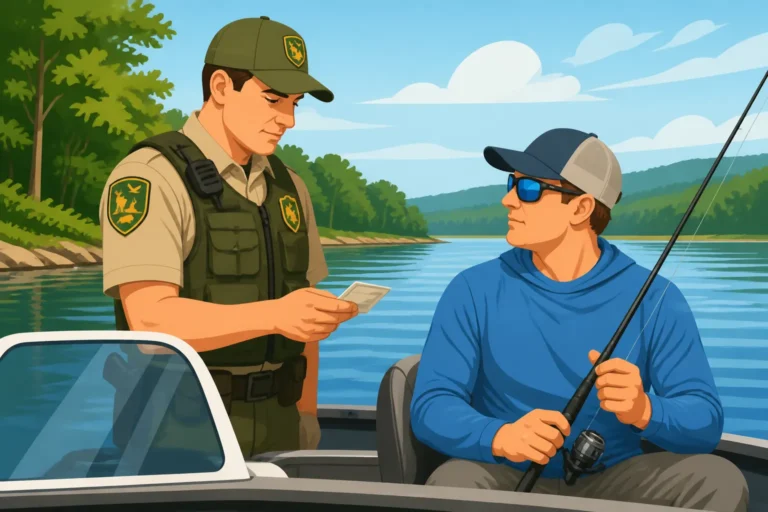
It's a scenario no angler wants: you're enjoying a peaceful day on the water, and suddenly you see a DWR patrol boat approaching, or a game warden waves you over from the bank. If they ask to see your fishing license and you can't produce one (either physical or digital, or they can't verify it in their system), you're looking at a citation.
Game wardens have the authority to stop any vessel they suspect is engaged in fishing activities to check for proper licensing and compliance with regulations. They are well-versed in Virginia Fishing Regulations Explained and will also check for compliance with catch limits, size restrictions, and gear rules. They're often quite friendly and informative, but they won't hesitate to enforce the law when necessary. The interaction typically involves them asking for your ID and license, and if there's an issue, they'll explain the violation and issue a summons or warning.
Fines, Penalties, and the Impact on Future Fishing Privileges
Getting caught fishing without a license is more than just a slap on the wrist. It's considered a Class 4 misdemeanor in Virginia. This means:
- Fines: The typical fine for fishing without a license in Virginia can range from around $50 to $250 or more, plus court costs. This can quickly add up to significantly more than the cost of an annual license. You can find more information on Penalties for Fishing Without a License in Virginia.
- Court Appearance: In most cases, you'll be required to appear in court, which means taking time off work or other obligations.
- Loss of Fishing Privileges: In addition to fines, a conviction for fishing without a license can result in the suspension of your fishing privileges for a certain period. This means you won't be able to legally purchase a new license for a year or more, depending on the severity and frequency of the offense. Imagine having to sit out an entire fishing season just because you tried to save a few bucks.
- Seizure of Equipment: While less common for a first offense of simply lacking a license, repeated violations or more serious infractions (like egregious poaching) could potentially lead to the seizure of fishing equipment.
It simply isn't worth the risk. A few dollars for a license ensures your day on the water is legal and contributes to the vital conservation efforts that keep Virginia's fisheries thriving. Even for catch-and-release fishing, a license is still required. The rule isn't about keeping fish; it's about the act of attempting to catch them.
Disclaimer
Please remember that fishing regulations and license requirements can change. While this guide provides comprehensive and up-to-date information, it is always your responsibility to consult the official Virginia Department of Wildlife Resources (DWR) website or their current regulations digest before heading out on the water. This article is for informational purposes only and should not be considered legal advice.