Virginia fishing license valid for one year from purchase date
One of the trickiest things about fishing in a new state, or even just keeping up with your favorite local spots, is understanding the ins and outs of fishing licenses. It can be a real headache trying to figure out when your license expires, especially if you're used to a calendar year system. Many anglers find themselves scrambling at the beginning of each new year, wondering if they're still legal to drop a line. But when it comes to Virginia, there's a refreshing difference: most Virginia fishing licenses are valid for one full year from the exact date you purchase them, not just until December 31st. This guide is going to break down exactly what that means for you, how to keep track, and everything you need to know to stay on the right side of the rules.
Understanding Virginia's "One Year From Purchase Date" License Validity
Let's face it, getting caught without a valid fishing license is a bummer, and nobody wants to deal with the fines or the embarrassment. That's why understanding how your license works in Virginia is so important. Unlike many states that operate on a strict calendar year (meaning your license expires on December 31st, no matter when you bought it), Virginia offers a much more angler-friendly system for most of its annual licenses.
What "One Year From Purchase Date" Truly Means
When we say "Virginia fishing license valid for one year from purchase date", it means exactly that: your annual freshwater, saltwater, or combination fishing license is good for 365 days starting the moment you buy it. So, if you purchase your Virginia fishing license on, say, April 15, 2024, it will remain valid until April 14, 2025. This isn't just a small detail; it's a significant benefit that gives you a full twelve months of fishing opportunity, regardless of which month you decide to buy your license. You don't lose out on precious fishing days if you don't buy it on January 1st.
Imagine you're planning a last-minute fishing trip in the summer. If Virginia operated on a calendar year, buying a license in July would mean it's only good for about five months before you'd have to renew it again. That feels like a waste, doesn't it? But with Virginia's "one year from purchase" model, that July purchase means you're covered all the way through the next summer, right up to the exact day you bought it the previous year. This flexibility is fantastic for those who might not plan their fishing season too far in advance or for newcomers who join the angling community mid-year. It ensures you truly get your money's worth out of your annual investment.
Why This System Benefits Anglers
This particular validity period offers several advantages that experienced and novice anglers alike can appreciate. Firstly, it eliminates the rush and potential confusion of a fixed renewal date. You're not trying to remember if it's January 1st or February 1st when everything else is going on. Instead, your license expiration date becomes personal to your purchase, making it easier to track once you get into the rhythm.
Secondly, it maximizes your investment. If you buy a license in June, you get all of June, July, August, September, October, November, December, plus January, February, March, April, and May of the next year. You're never penalized for buying "late" in the season. This makes it a much more equitable system for everyone, from those who plan their fishing trips months in advance to those who decide on a whim to hit the water. It aligns perfectly with a lifestyle blogger's emphasis on getting out there and enjoying life without unnecessary bureaucratic hurdles.
However, this also means you need to be a little more vigilant about your specific expiration date. You can't just assume everyone's license expires at the same time. This individuality is great, but it requires a personal tracking method, which we'll cover in the next section. It's a small price to pay for the added flexibility and value, ensuring you can truly enjoy a full year of pursuing your passion on Virginia's beautiful waters. If you're wondering about the various types of licenses available, including those that factor into this annual cycle, a good place to start is the guide on Virginia Fishing License Costs and Types Explained.
How to Keep Track of Your Virginia Fishing License Expiration
So, with a personalized expiration date, how do you make sure you don't accidentally fish with an expired license? It's a valid concern, and thankfully, the Virginia Department of Wildlife Resources (DWR) provides several easy ways to help you stay on top of things. No one wants to face penalties for fishing without a license in Virginia, which can certainly put a damper on your day.
Digital and Physical License Tracking Options
When you purchase your Virginia fishing license, whether you go to an authorized agent, through a DWR office, or most commonly, online, you'll receive a physical copy or a digital record. This record is your first line of defense against forgetting your renewal date.
- Physical License: If you receive a printed license from a DWR agent or print it yourself after an online purchase, the expiration date will be clearly stated on the document. Make it a habit to glance at it when you put it in your wallet or tackle box. It's always a good idea to carry a physical copy, especially since cell service isn't always reliable in some of the more remote, pristine fishing spots across Virginia.
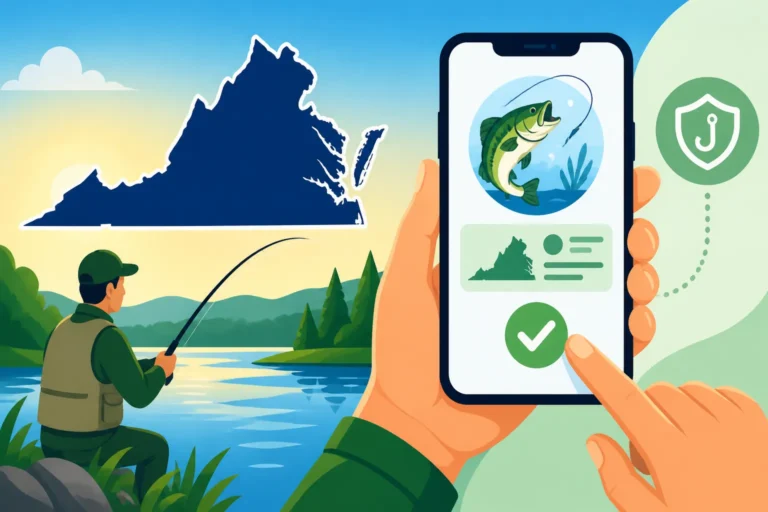
- Digital Record: For those who prefer to keep things digital, your online purchase confirmation email will also contain the validity dates. Many anglers screenshot their digital license on their phone, which is perfectly acceptable as proof for game wardens. The DWR system also allows you to log into your account on their website at any time to view your current license status, including the exact purchase and expiration dates. This is a fantastic resource if you've lost your physical copy or simply can't remember when you bought it. Learning How to Buy a Fishing License Online in Virginia also familiarizes you with where to find these digital records.
It’s worth noting that even with the "one year from purchase" model, certain short-term licenses operate differently. For example, a Virginia's 10-Day Saltwater Fishing License or Virginia's 5-Day Freshwater Fishing Pass will have a very specific, much shorter validity window clearly printed on them. These aren't annual licenses, so their expiration is self-evident.
Setting Up Reminders for Renewal
Because your annual license's expiration date is unique to you, proactive reminders are your best friend. Don't rely solely on remembering; life gets busy, and these things can easily slip through the cracks.
- Calendar Alerts: The simplest and most effective method is to immediately set a recurring annual reminder on your phone or digital calendar for about a month before your license expires. This gives you plenty of time to renew without feeling rushed. You can even set a second reminder a week out, just in case.
- Email Notifications: While the DWR doesn't automatically send renewal reminders for every individual license, some third-party services or even the DWR system itself might offer opt-in email alerts if you've provided your email during purchase. Always check when you're buying your license if this is an option.
- Link it to Another Annual Event: Associate your license renewal with something else that happens annually. Maybe it's your car's inspection, a specific holiday, or a family member's birthday. For example, if you bought your license in early June, you could link it to thinking about Virginia's Free Fishing Days in June 2026 as a mental prompt to check your license status. This can create a stronger mental hook for remembering.
- Amazon Order History: If you're someone who uses online services frequently, keeping track of digital purchase receipts from the DWR in a dedicated email folder can also serve as a good record. While Amazon itself doesn't sell DWR licenses, thinking about how you manage your Amazon order history can inspire you to apply similar organizational tactics to your important fishing documents.
By implementing one or more of these tracking and reminder methods, you'll ensure you're always prepared and legally covered for your next fishing adventure in Virginia.
Renewing Your Virginia Fishing License: What You Need to Know
Once you've got your tracking system down, the actual process of renewing your Virginia fishing license is straightforward. The DWR has made it quite user-friendly, ensuring that staying legal is as easy as possible so you can focus on catching fish, not paperwork.
The Seamless Renewal Process
Renewing your Virginia fishing license largely mirrors the initial purchase process. The most popular and convenient method for many anglers is to renew online through the Virginia DWR website. You simply log into your existing account using your customer ID, social security number, or driver's license number, and the system will pull up your current license information. From there, you can select the license you wish to renew (or purchase a different type if your needs have changed) and complete the transaction. Your new license will then be valid for another full year from the date of renewal.
Alternatively, you can visit one of the many authorized license agents located across the Commonwealth. These agents, often found in sporting goods stores, bait and tackle shops, or even some larger retailers, can process your renewal in person. This is a great option if you prefer a paper copy immediately or have questions you'd like to ask face-to-face. Just remember to bring your identification! While less common these days, some anglers still opt for the mail-in renewal option, though this naturally takes longer to process. For a complete overview of all methods, check out our guide on Renewing a Fishing License in Virginia.
It's important to understand that when you renew, you're essentially starting a brand new 365-day cycle from the date of that renewal. You don't lose days if you renew a week early, nor do you get "extra" days by waiting until the last minute. The new license simply picks up from the day you purchase it. This consistency with the "one year from purchase" model simplifies things greatly. You don't have to worry about complex prorated fees or specific "renewal windows" that only last a few weeks. It's truly on your schedule, giving you the flexibility to renew when it's most convenient.
Consequences of Fishing with an Expired License
I can't stress this enough: always make sure your license is current before you cast a line. Fishing with an expired license in Virginia is no different than fishing without a license at all, and it can lead to some unpleasant consequences that will definitely ruin your day on the water.
Virginia game wardens are out there to protect our wildlife resources and ensure fair play. They conduct regular checks on lakes, rivers, and coastal waters. If you're caught fishing without a valid license, you'll likely face a fine. These fines can vary, but they are certainly more expensive than the cost of a license itself. On top of the financial penalty, you could also have your fishing gear confiscated, which is a major hassle and expense. Depending on the severity or if it's a repeat offense, there could be even more significant legal repercussions.
Think of it this way: your fishing license fees directly support wildlife conservation efforts in Virginia. They fund fish stocking programs, habitat restoration, law enforcement, and educational initiatives that benefit every angler. So, by purchasing and renewing your license, you're not just staying legal; you're actively contributing to the health and future of Virginia's incredible fisheries. For more detailed information on potential penalties, refer to our guide on Penalties for Fishing Without a License in Virginia. It's always better to be safe than sorry and ensure you're squared away before heading out.
Different License Types and Their Validity
While the "one year from purchase date" model is standard for most annual Virginia fishing licenses, it's worth taking a moment to understand how this applies (or doesn't apply) to the various types of licenses available. Virginia offers a range of options to suit different angling needs, from casual weekenders to dedicated year-round enthusiasts.
Annual, Short-Term, and Lifetime Options
Virginia's licensing system is designed to accommodate different levels of commitment and activity. Here's how the validity periods generally break down:
- Annual Licenses (Freshwater, Saltwater, or Combination): These are the workhorses of the Virginia DWR license offerings and are precisely what we've been discussing. Whether you opt for a freshwater-only license, a saltwater-only license, or a convenient combination, these licenses are valid for one full year (365 days) from the date of purchase. This is fantastic for regular anglers who want to fish throughout the year without worrying about different expiration dates. For example, if you compare Virginia Resident Freshwater Fishing License Cost versus Virginia Resident Saltwater Fishing License Cost, you'll see they both adhere to this annual validity, as does the resident combination fishing license.
- Short-Term Licenses: For visitors or those who only fish occasionally for a few days, Virginia provides short-term options. These licenses have a fixed validity period, typically five or ten consecutive days, and are clearly marked with their start and end dates. They are not valid for a year from purchase. Examples include Virginia's 10-Day Saltwater Fishing License and Virginia's 5-Day Freshwater Fishing Pass. These are perfect for a planned vacation or a quick weekend getaway without committing to a full annual license.
- Lifetime Licenses: For the most dedicated Virginia anglers, lifetime licenses are a fantastic long-term investment. These are exactly what they sound like: once purchased, they are valid for the rest of your life. There's no annual renewal, no tracking dates, just pure, uninterrupted fishing pleasure. While they have a higher upfront cost, they can save money and hassle over many years, especially for younger anglers. The Virginia's Lifetime Saltwater Fishing License Option is one such example that offers incredible value over time. These also often require additional stamps if you plan to fish for stocked trout.
| License Type | Validity Period | Renewal Frequency | Notes |
|---|---|---|---|
| Annual Freshwater | 1 year from purchase date | Annually | Most common; covers freshwater fishing. |
| Annual Saltwater | 1 year from purchase date | Annually | Most common; covers saltwater fishing. |
| Annual Combination | 1 year from purchase date | Annually | Covers both freshwater and saltwater fishing. |
| 5-Day Freshwater Pass | 5 consecutive days | As needed | Ideal for short trips or non-residents. |
| 10-Day Saltwater Pass | 10 consecutive days | As needed | Great for vacationers or occasional ocean anglers. |
| Lifetime (Freshwater/Saltwater) | For the holder's lifetime | Never | Significant upfront cost, no renewals needed. |
| Stocked Trout License | Aligns with base license | Annually (if annual base) | Required in addition to a base license for stocked trout waters. |
Special Stamps and Endorsements
Beyond the basic freshwater, saltwater, and combination licenses, Virginia also requires special stamps or endorsements for certain types of fishing, particularly for those targeting trout in specific waters. The most common example is the Freshwater Trout License.
If you plan on fishing in Virginia's stocked trout waters, you'll need to purchase a separate Freshwater Trout License, which is an add-on to your regular freshwater or combination fishing license. The crucial thing to remember here is that the validity of this trout license will typically align with your base annual license. So, if you buy your annual freshwater license on April 15th, and then add the trout license a month later, both will generally expire on April 14th of the following year. This keeps things streamlined, so you don't have to manage multiple, disparate expiration dates for your various fishing privileges.
This system ensures that if you're covered for general freshwater fishing for a year, you're also covered for trout fishing for that same period, as long as you've added the necessary endorsement. It's all part of the overall Virginia Fishing License Guide, which lays out all the requirements for a legal and enjoyable fishing experience in the Commonwealth. Always double-check the specifics when purchasing special stamps, as requirements can sometimes have nuances.
Disclaimer
The information provided in this guide is for general informational purposes only and does not constitute legal advice. Fishing regulations and license requirements can change, and it is always the angler's responsibility to verify the most current rules and regulations with the Virginia Department of Wildlife Resources (DWR) before engaging in any fishing activities. Ensure you have the appropriate and valid licenses and stamps for the waters you plan to fish.