Virginia charges $23 for a resident freshwater fishing license
Navigating the world of fishing licenses can sometimes feel like trying to untangle a particularly stubborn bird's nest of fishing line – confusing, frustrating, and prone to snags. Many folks just want to know the bottom line for a simple freshwater trip in their home state. If you’re a Virginia resident looking to cast a line in our beautiful rivers and lakes, you're likely wondering exactly how much that basic privilege will set you back. This guide is here to untangle that line, explaining precisely the cost of a resident freshwater fishing license in Virginia and everything you need to know about it.
The Basic Cost of Your Virginia Resident Freshwater Fishing License
Let's get straight to it, because nobody likes beating around the bush when it comes to money and regulations. For a Virginia resident looking to fish in the state's incredible freshwater environments – think tranquil lakes, winding rivers, and peaceful ponds – the annual freshwater fishing license comes with a straightforward price tag of $23. That’s it. No hidden fees or surprise charges for the basic privilege of enjoying Virginia's amazing fishing opportunities, at least for this core license type. It's a small investment when you consider the year-long access it grants you to countless fishing adventures, from the mighty James River to the serene waters of Smith Mountain Lake.
This $23 license is the cornerstone for many local anglers. It covers a full 12 months from the date of purchase, meaning you're not limited to a calendar year, which is a common point of confusion. So, if you buy it in July, you're good until the following July. This flexibility is a real boon, allowing you to plan your fishing year on your own terms. It’s important to remember, though, that this specific license is designed for residents of Virginia. The Virginia Department of Wildlife Resources (DWR) has clear definitions for who qualifies as a resident, usually involving residing in the state for at least six consecutive months, so make sure you fit the bill to take advantage of this rate.
Understanding What Your Freshwater License Covers
Now that we know the cost, let's dive into what this $23 resident freshwater fishing license actually entitles you to do. It’s more than just a piece of paper; it’s your ticket to an abundance of angling experiences right here in the Old Dominion.
Accessing Virginia's Diverse Freshwater Fisheries
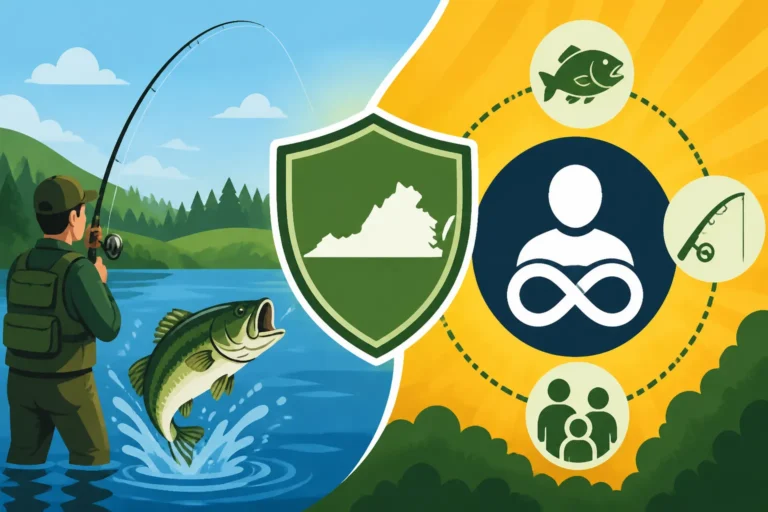
This license opens up virtually all of Virginia's freshwater rivers, streams, lakes, and ponds for recreational fishing. This means you can pursue a huge variety of species, from hard-fighting largemouth bass in our numerous reservoirs to the cunning smallmouth bass in mountain rivers like the Shenandoah. Crappie, bluegill, catfish – if it swims in non-tidal freshwater, you're generally covered.
Imagine a perfect Saturday morning: you grab your trusty spinning rod, a tackle box loaded with your favorite lures (maybe some new ones you picked up on Amazon), and head to a local lake. With your resident freshwater license, you can confidently cast your line, knowing you're fully compliant. Whether you're targeting those elusive trophy largemouth bass at places like Lake Anna or enjoying a relaxing day catching panfish with the kids at a state park pond, this license is your gateway. It even covers most public access points, boat ramps, and fishing piers located on freshwater bodies.
Distinguishing Freshwater from Saltwater Fishing Zones
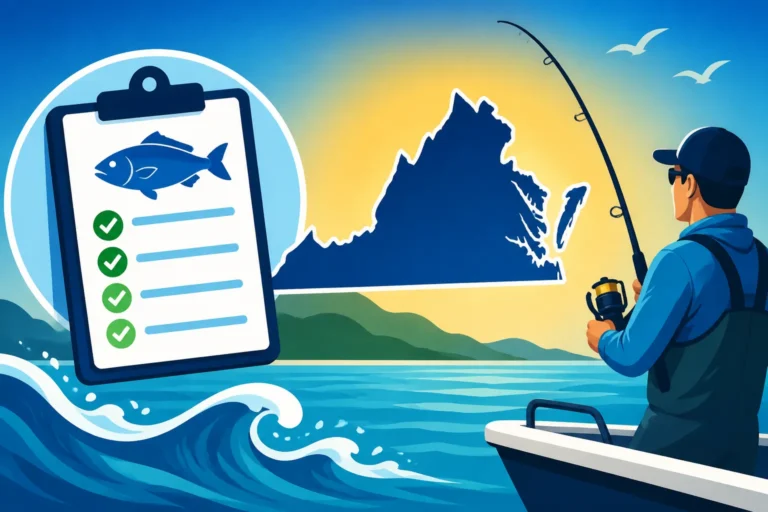
One of the biggest areas of confusion for anglers in Virginia is understanding where freshwater ends and saltwater begins, especially in our tidal rivers. The $23 resident freshwater license covers you for non-tidal freshwater areas. However, Virginia's geology includes the "Fall Line," a natural boundary where rivers transition from rocky, rapid-filled stretches to slower, tidal estuaries. Below the Fall Line, even far inland from the ocean, many rivers become brackish or fully saline and fall under saltwater regulations, often requiring a different license.
For example, sections of the James River or Rappahannock River near the Chesapeake Bay might appear to be freshwater, but they are actually tidal and considered saltwater. Fishing in these areas would require a Virginia resident saltwater fishing license or a combination license. It's crucial to check the specific regulations for the body of water you plan to fish, especially if it's near the coast or a major river system that flows into the Bay. Nobody wants a game warden explaining the difference when you're already out on the water, potentially facing penalties for fishing without a license. A quick check with the Virginia DWR website or a local bait shop can usually clear up any doubt.
What the Freshwater License Doesn't Cover
While comprehensive for general freshwater fishing, there are a few specific scenarios where your $23 license might need an add-on or a different type of permit.
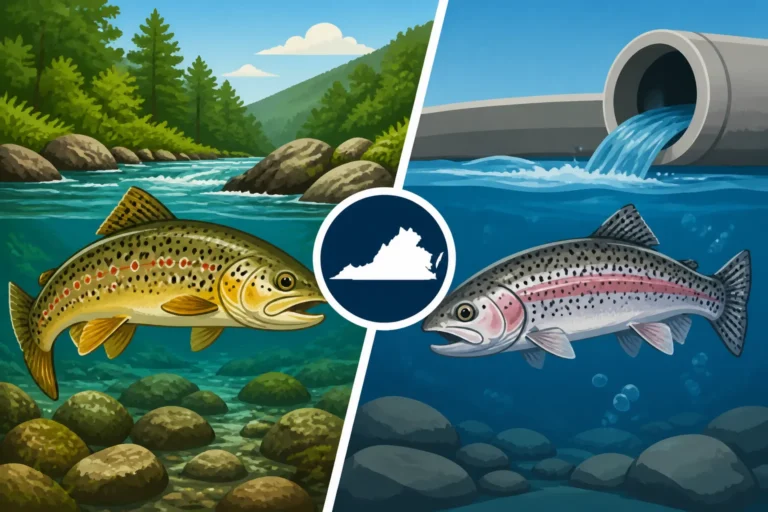
The most common is trout fishing in designated stocked trout waters. Virginia has a fantastic trout stocking program, but if you want to fish in these specific areas during the stocked trout season, you'll need an additional Virginia stocked trout license in addition to your basic freshwater license. This helps fund the ongoing stocking efforts that provide such excellent opportunities for catching rainbow, brown, and brook trout. If you're chasing wild trout in designated wild trout streams, however, your basic freshwater license is usually sufficient, provided you adhere to specific catch and length limits for those sensitive fisheries.
Also, if you plan to venture into saltwater – whether it's the vast expanse of the Chesapeake Bay, the Atlantic Ocean off Virginia Beach, or those tidal sections of rivers we just talked about – your freshwater license won't cut it. You'd need a separate saltwater license or a combination freshwater/saltwater license. This makes sense when you think about it: the ecosystems, management efforts, and species are entirely different, requiring different funding and regulatory approaches. For those who enjoy both worlds, getting a Virginia resident combination fishing license price is often the most cost-effective and convenient solution.
How to Secure Your Virginia Resident Freshwater Fishing License
Getting your hands on this essential piece of paper, or rather, digital confirmation, is surprisingly simple. The Virginia Department of Wildlife Resources (DWR) has made the process incredibly accessible, so you won't be jumping through hoops just to get on the water.
Convenient Ways to Purchase Your License
There are a few straightforward ways to buy your resident freshwater fishing license, catering to just about everyone's preference:
- Online: This is by far the easiest and most popular method for many anglers. You can head straight to the Virginia DWR website, fill out a simple form, and pay with a credit card. Within minutes, you'll have a printable license (or a digital version you can display on your phone), ready to go. The DWR website is designed to be user-friendly, guiding you through the options, whether you need an annual license, a short-term pass, or something more specific.
- In-Person at a License Agent: For those who prefer a more traditional approach or want to support local businesses, you can purchase your license from numerous license agents across the state. These agents are often bait and tackle shops, sporting goods stores (like Bass Pro Shops or even some Walmart locations), and even some government offices. It's a great way to chat with local experts, get some last-minute bait, or pick up a fishing magazine. When you buy in person, you'll walk out with a physical license in hand.
- By Phone: If you're old-school or simply don't have internet access at the moment, you can also purchase your license over the phone by calling the DWR directly. They'll process your information and payment, and you can usually receive your license via email or mail.
No matter which method you choose, you'll need to provide some basic personal information, including your full name, date of birth, and proof of Virginia residency. A valid Virginia driver's license or state ID card is usually sufficient for this. This isn't just bureaucracy; it's how the DWR ensures that the lower resident rates are only for those who truly contribute to the state's tax base that supports these valuable natural resources.
Important Details to Remember After Purchase
Once you've made your purchase, there are a couple of key things to keep in mind to ensure a smooth fishing experience:
- Activation and Duration: Your annual resident freshwater fishing license is valid for 12 months from the date of purchase. This is a common point of confusion; it doesn't expire at the end of the calendar year. This means if you buy it on August 15th, it's good until August 14th of the following year. This flexible renewal date is great because it lets you maximize your investment no matter when you decide to get back on the water. You can always check if your fishing license is still active online through the DWR's licensing system if you're unsure.
- Proof of License: When you're out fishing, you'll need to have proof of your valid license with you. This can be a physical copy, a digital image on your smartphone, or even just your customer ID number if a game warden has the means to look it up on the spot. While a paper copy tucked into your wallet is always a safe bet, many anglers find the digital option incredibly convenient. Just make sure your phone is charged!
For anglers who are new to the state or just getting into fishing, the Virginia Fishing License Guide offers a comprehensive overview of all the different licenses available, helping you choose the right one for your needs. Remember, a lost license can easily be replaced online or by visiting a license agent, so don't let a missing paper copy keep you off the water.
Why Your $23 License is an Investment in Virginia's Future Fishing
That $23 isn't just a fee you pay; it's a direct investment in the health and future of Virginia's fisheries and wildlife. Many anglers don't realize the significant impact their license purchase has on the very resources they enjoy.
Funding Conservation and Management Efforts
The revenue generated from fishing license sales, including your resident freshwater license, is the primary funding source for the Virginia Department of Wildlife Resources. This money is absolutely vital for:
- Fish Stocking Programs: A significant portion goes towards funding the DWR's extensive fish stocking programs. This includes releasing millions of fingerlings into our lakes and rivers each year, ensuring robust populations of popular species like bass and crappie, and maintaining the excellent put-and-take trout fisheries that many anglers enjoy. This is especially important for Virginia's stocked trout season guide.
- Habitat Restoration: Funds are used to protect and improve critical aquatic habitats. This might involve planting vegetation, managing water levels, removing invasive species, or mitigating pollution – all essential work to keep our waters healthy and fish thriving.
- Fisheries Research and Monitoring: Scientists at the DWR constantly monitor fish populations, study migration patterns, and assess water quality. This research is crucial for making informed decisions about catch limits, season dates, and other regulations that ensure sustainable fishing for generations to come. Without this data, managing our fisheries would be like navigating without a compass.
- Law Enforcement: Your license fees help fund the Virginia game wardens who patrol our waterways, ensuring compliance with fishing regulations. This prevents overfishing, protects sensitive species, and maintains fair access for all anglers. Nobody enjoys being checked, but these officers play a critical role in preserving the resources we love.
- Public Access and Infrastructure: License money also supports the maintenance and development of public boat ramps, fishing piers, and shoreline access points. These facilities are essential for getting anglers out on the water and making fishing accessible to everyone, from seasoned boaters to beginners fishing from the bank.
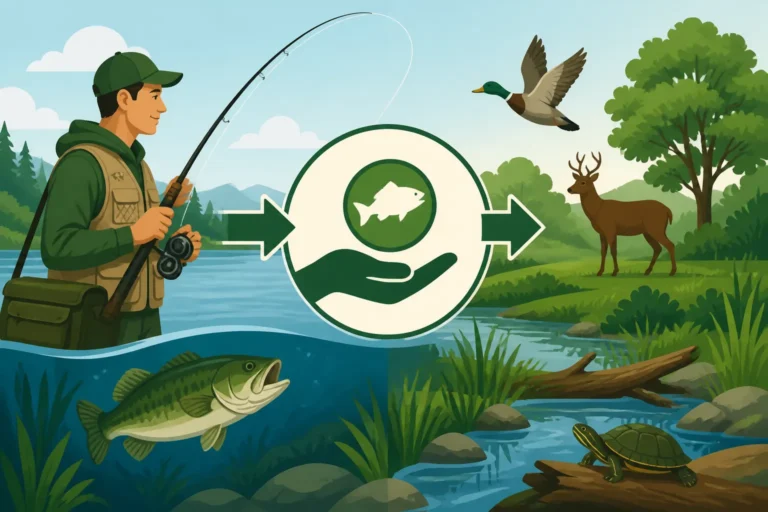
In essence, every dollar from your $23 license comes back to you in the form of better fishing opportunities and healthier aquatic ecosystems. It’s a conservation success story where user fees directly support the resource being used. This model is common across the U.S. and is often seen as one of the most effective ways to fund wildlife management. If you're wondering How fishing license fees support wildlife conservation in Virginia, your purchase directly contributes to these vital efforts.
The Bigger Picture: Beyond Just You and Your Rod
It's easy to think of fishing as a solitary activity, but when you buy that license, you're joining a community of conservation-minded individuals. Your $23 contributes to a larger pool of funds that protect not just the fish you want to catch, but the entire aquatic environment, from the smallest invertebrates to the largest raptors that rely on healthy waterways. It ensures that when you take a moment to look for a new fishing reel online (perhaps browsing Amazon for some deals) or planning your next trip, you'll have thriving waters to enjoy.
Think about it this way: without these funds, our rivers could become polluted, our lakes might be overfished, and the access points we rely on could fall into disrepair. The cost, while a line item in your budget, is truly a small price for the assurance that Virginia's natural heritage will be preserved for your enjoyment and for future generations of anglers. It’s an investment in countless unforgettable moments on the water.
Comparing Virginia Resident License Options
To help you visualize the cost of the resident freshwater license in context, here's a quick comparison with some other common resident options. This table isn't exhaustive, but it highlights how the $23 for freshwater-only fits into the broader licensing structure.
| License Type | Price (Resident) | Covers | Ideal For |
|---|---|---|---|
| Annual Freshwater Fishing License | $23.00 | Non-tidal rivers, lakes, ponds | Anglers exclusively fishing inland waters |
| Annual Saltwater Fishing License | $17.50 | Tidal rivers, Chesapeake Bay, Atlantic | Anglers exclusively fishing coastal/tidal waters |
| Annual Freshwater/Saltwater Combination | $39.50 | All Virginia public waters (fresh & salt) | Anglers who fish both freshwater and saltwater |
| 5-Day Freshwater Fishing License | $14.00 | Non-tidal rivers, lakes, ponds (5 days) | Short freshwater trips, tourists, occasional anglers |
| Annual Freshwater Trout License (add-on) | $23.00 | Designated stocked trout waters (add-on) | Anglers who fish stocked trout streams (in addition to basic freshwater) |
As you can see, the $23 freshwater license is quite reasonable and a fantastic value for a full year of access. If your fishing adventures stay strictly in the non-tidal zones, it's the perfect choice. But if you sometimes venture into brackish water or have a keen interest in trout, it's worth considering the slight extra cost for the relevant add-ons or a combination license to keep you fully covered.
Final Thoughts on Your Virginia Freshwater Fishing License
So, there you have it. The Virginia resident freshwater fishing license costs just $23 for an entire year of fishing enjoyment. It’s a small, manageable investment that pays huge dividends in terms of personal recreation and, more importantly, in the long-term health of Virginia's incredible aquatic resources.
Whether you're a seasoned angler with a boat full of gear or a casual weekend warrior just looking to relax by the water, getting your license is the first and most crucial step. It’s quick, easy, and essential for legal and responsible fishing. So go ahead, secure your license, grab your fishing rod (and maybe that new tackle box from Amazon you’ve been eyeing), and get out there to experience all the fantastic freshwater fishing Virginia has to offer!
Disclaimer
The information provided in this guide is for general informational purposes only and does not constitute legal advice. Fishing regulations, license fees, and requirements are subject to change by the Virginia Department of Wildlife Resources (DWR). Always consult the most current DWR regulations or contact the DWR directly before fishing to ensure compliance.