Does Weather Affect Fishing Charter Bookings?
Oh, the age-old dilemma of every angler dreaming of a perfect day on the water: you've planned your Virginia fishing charter, marked your calendar, maybe even bought new gear, and then you start watching the forecast. It's incredibly frustrating to invest time and excitement into a trip only to have the looming threat of bad weather cast a shadow. This guide is here to tackle that exact worry, diving deep into how weather genuinely affects fishing charter bookings and what you can do about it.
The Unpredictable Nature of Virginia Weather and Its Impact on Charters
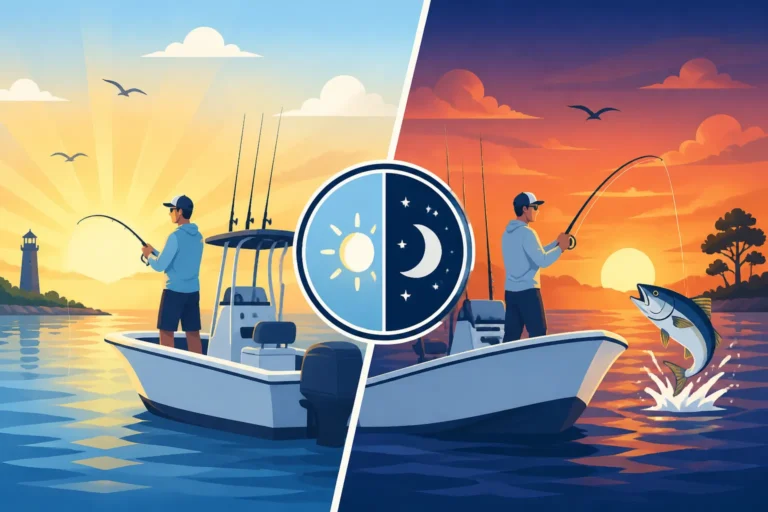
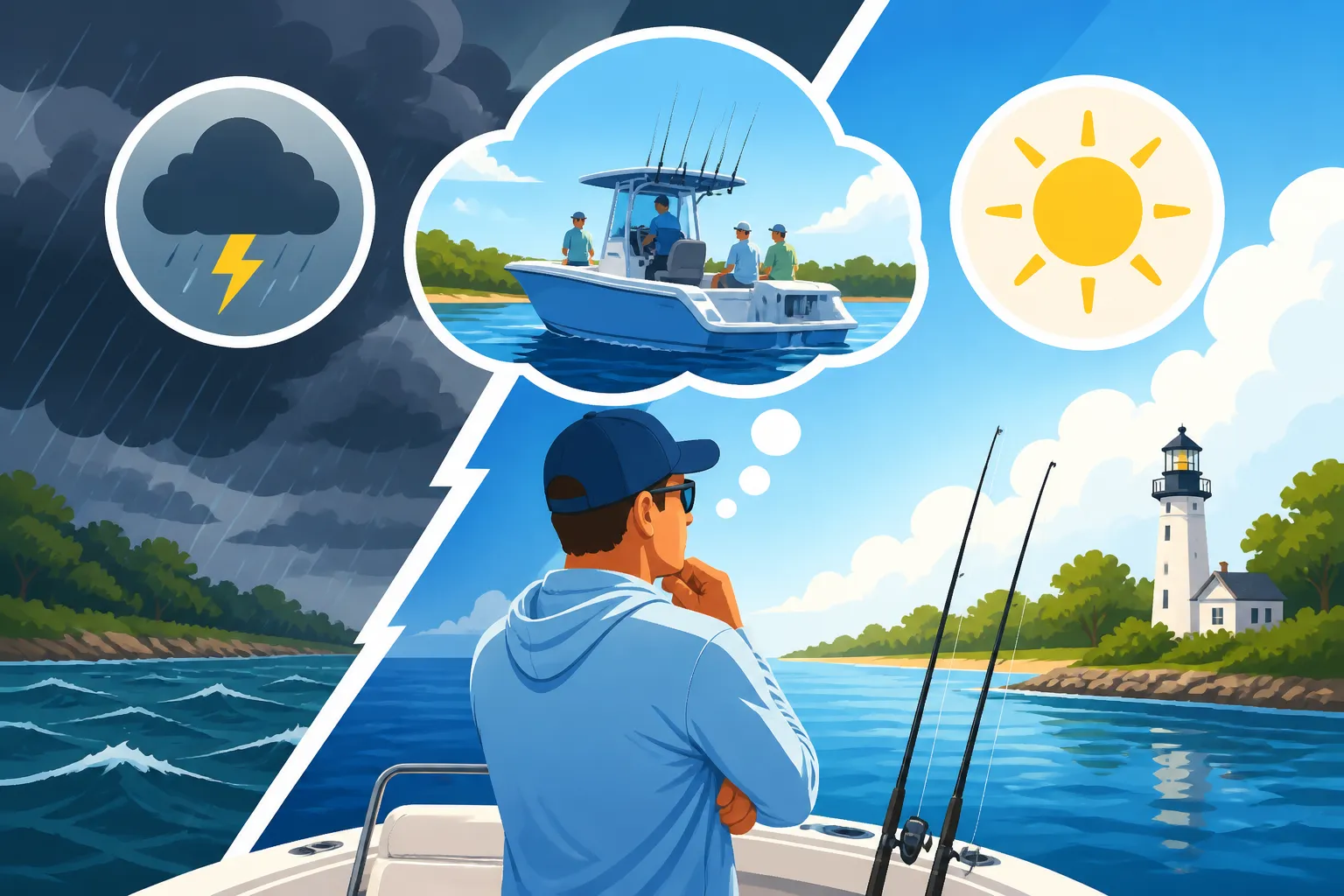
Let's be real, Mother Nature runs the show, especially when it comes to fishing. Virginia, with its sprawling coastline, vast inland lakes, and winding rivers, offers a huge variety of fishing experiences, but it also comes with a diverse range of weather patterns. One day can be gloriously sunny and calm, and the next can bring unexpected squalls or sudden temperature drops. This unpredictability is perhaps the biggest factor that affects fishing charter bookings and, ultimately, your time on the water. No captain wants to cancel, but safety always comes first, and the conditions out there can change on a dime.
Common Weather Concerns for Virginia Charters
When you're looking at that forecast, certain weather conditions raise more red flags than others for charter captains. It’s not just about a little drizzle; it’s about safety, comfort, and whether the fish will even be biting.
- High Winds and Rough Seas: This is probably the number one reason for cancellations on saltwater charters, especially for those venturing into the Chesapeake Bay or offshore from Virginia Beach. High winds can make navigation unsafe, create extremely choppy waters that are miserable for passengers (hello, seasickness!), and make it nearly impossible to fish effectively. Even on large lakes like Smith Mountain Lake or Lake Anna, strong gusts can churn up the water and create dangerous conditions for smaller boats.
- Heavy Rain and Thunderstorms: While a light rain might just mean putting on a good rain jacket, heavy downpours can significantly reduce visibility, make decks slippery, and generally dampen the spirits of everyone on board. Thunderstorms, however, are a non-starter. Lightning strikes are a serious threat on open water, and reputable captains will always prioritize getting everyone to safety, even if it means cutting a trip short or canceling it outright.
- Dense Fog: Fog can roll in quickly, especially in coastal areas and on large bodies of water. When visibility drops to mere feet, navigating becomes incredibly risky. Collisions are a real danger, and the captain's ability to safely operate the vessel is severely compromised. This often leads to delays or cancellations until the fog lifts.
- Extreme Temperatures: While less common for cancellations than wind or storms, extreme heat or cold can certainly affect bookings. Sweltering summer days can make a full-day trip unbearable for some, while freezing winter temperatures can make even short trips uncomfortable and potentially dangerous if not properly prepared for. Fish behavior also changes dramatically in these extremes, sometimes making fishing less productive.
Understanding Seasonal Weather Shifts in Virginia
Virginia's seasons each bring their own unique weather challenges and opportunities for anglers. Knowing these patterns can help you manage expectations and plan your Best Time of Year to Book a Virginia Fishing Charter.
- Spring (March-May): This is often a transition period. You can have beautiful, calm days, but also strong cold fronts, heavy rains, and unpredictable wind shifts. It’s a great time for fishing, but you need to be prepared for anything.
- Summer (June-August): Hot and humid, summer often sees pop-up afternoon thunderstorms, especially inland. Offshore, hurricanes and tropical storms are a possibility later in the season. Early mornings are usually the calmest. Don't forget, Virginia Free Fishing Days in June 2026 often falls during prime summer weather.
- Fall (September-November): Many consider fall to be prime fishing time in Virginia, with cooler temperatures and active fish. However, this is also hurricane season, and remnants of tropical storms can bring heavy rains and high winds far inland. Cold fronts can also sweep through, causing dramatic temperature drops.
- Winter (December-February): While some fishing continues, especially for species like striped bass on the Chesapeake Bay, winter often means cold temperatures, icy conditions, and strong winds. Charters during this time are often highly weather-dependent, with only the most determined anglers heading out. For a detailed look at general patterns, check out our Virginia Fishing Seasons Explained guide.
How Captains and Charter Companies Handle Inclement Weather Cancellations
So, the forecast looks grim. What actually happens next? This is where understanding the policies of your chosen charter and the captain's role becomes absolutely critical. Nobody wants to lose money or miss out on a planned adventure, and reputable operations have clear guidelines in place. Many anglers use platforms like FishingBooker to browse charters, and these platforms often standardize or clearly display the cancellation policies, which is a huge help when comparing options.
Captain's Discretion and Safety First
This is the golden rule: the captain always has the final say regarding whether a trip goes out. It doesn't matter if you've driven five hours, if the kids are excited, or if you've been planning this Chesapeake Bay Fishing Charters in Virginia trip for months. If the captain determines that conditions are unsafe, or even just too uncomfortable to provide a worthwhile experience, they will cancel or reschedule.
Think about it from their perspective: they are responsible for your lives, their crew's lives, and their expensive vessel. Taking unnecessary risks is simply not an option. A light rain usually isn't a problem, but strong winds, heavy seas, lightning, or dense fog will almost certainly lead to a postponement. This is not them being difficult; it's them being professional and ensuring everyone gets home safely. Sometimes, a captain might suggest a different fishing spot that's more protected, or perhaps even a different style of fishing if the primary target is no longer viable due to weather.
Rescheduling, Refunds, and Deposit Policies
When a captain cancels due to weather, you typically have a few options, and these should be clearly outlined in the charter's policy before you book. This is one of the most important things to clarify when you're looking at What to Look for When Booking a Virginia Fishing Charter.
- Rescheduling: This is often the preferred option for both the angler and the captain. If your schedule allows, finding another date is usually the easiest solution. Captains appreciate the continued business, and you still get your fishing trip. Be flexible if you can, as good captains can be booked solid.
- Full Refund: If rescheduling isn't possible, or if the charter simply cannot accommodate you on another date that works, a full refund of your deposit is typically issued. Reputable charters will not keep your money if they are the ones canceling due to unsafe weather.
- Partial Refund/Credit: In some rare cases, if a trip has already started and has to be cut significantly short due to sudden, unforeseen worsening weather (like a pop-up squall), some charters might offer a partial refund or a credit towards a future trip. This is less common than a full refund for a complete cancellation, but it's worth understanding the specifics.
It's absolutely essential to read the Cancellation and Deposit Policies for Virginia Charters before you put down any money. Don't assume anything. Some charters might have slightly different rules depending on the type of trip (e.g., Half-Day vs Full-Day Fishing Charters in Virginia), the time of year, or the specific species you're targeting. Using booking platforms like FishingBooker can make understanding these policies easier, as they often standardize how these are presented, ensuring transparency for the angler.
Here's a general idea of how policies might shake out:
| Scenario | Captain Cancels (Weather) | Angler Cancels (Personal Reason) |
|---|---|---|
| Deposit Policy | Full refund or reschedule | Deposit often non-refundable |
| Less than 24 hours notice | Full refund or reschedule | Full trip cost may be charged |
| Day of trip, weather improves | Captain's call is final | Still considered angler no-show |
| Trip cut short due to weather | Partial refund or credit | No refund, unless stated |
Note: This table represents common practices. Always confirm specific policies with your chosen charter.
Strategies for Anglers: Minimizing Weather-Related Disappointment
The thought of a canceled trip is certainly a bummer, but there are proactive steps you can take to minimize that disappointment and increase your chances of a successful outing. It's all about preparation and smart booking.
Booking Flexibly and Watching Forecasts
One of the best pieces of advice is to be as flexible as your schedule allows. If you have a specific window for your Virginia Beach Fishing Charters and Trip Costs, consider booking a slightly longer stay if you're traveling, allowing for a "rain date" in case the first one gets weathered out.
- Book in Advance, but Keep an Eye Out: While you should book your charter well in advance, especially during peak seasons for popular species like striped bass, start casually watching the weather forecast for your destination about a week or two out. Don't panic over early forecasts, as they can change dramatically.
- Communicate with Your Captain: A few days before your trip, touch base with your captain. They'll have the most up-to-date local knowledge and will be watching the marine forecast closely. They can give you a heads-up if conditions are looking dicey. Good communication builds trust and helps manage expectations. Many charters use platforms like FishingBooker which provide easy messaging tools to connect directly with captains.
- Consider Off-Peak Seasons (with caveats): Sometimes, booking during the fringes of peak season or during less busy times might offer more flexibility for rescheduling if weather becomes an issue. However, you'll need to balance this with the target species' activity and the general Virginia Fishing Seasons Explained.
Preparing for Different Conditions on Your Trip
Even if the forecast looks beautiful, weather can be fickle. Being prepared for a sudden shift in conditions means you'll still be comfortable and can enjoy your trip even if a surprise shower or a cool breeze rolls in. Think about layering your clothing, even on what promises to be a warm day.
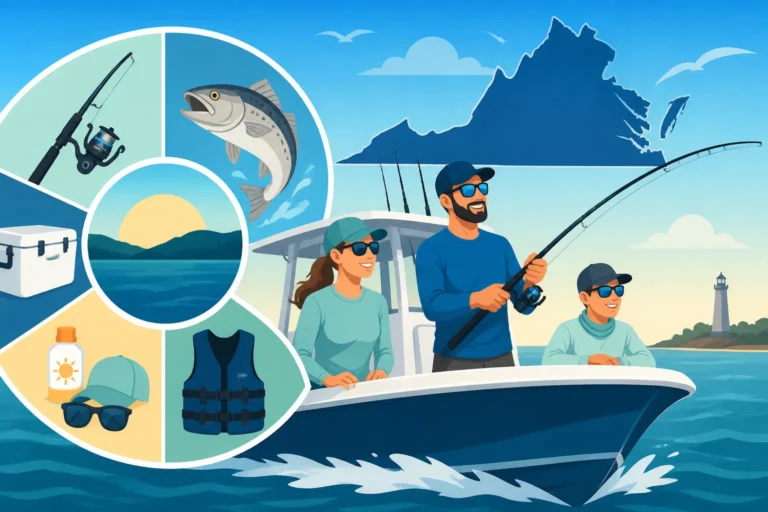
- Layer Up, Always: Bring layers of clothing. A warm morning can turn into a chilly afternoon on the water, especially with sea breezes. Conversely, a cool start can quickly heat up. A waterproof outer layer is always a good idea, even if rain isn't in the forecast, as it can block wind and spray.
- Protection from Sun and Spray: Sunscreen, a wide-brimmed hat, and polarized sunglasses are non-negotiable for any daytime trip. Even on cloudy days, UV rays can be intense on the water. A buff or neck gaiter can also provide extra protection from sun and wind.
- Non-Slip Footwear: This is crucial for safety on a boat. Decks can get wet and slippery, so wear shoes with good grip.
- Motion Sickness Remedies: If you're prone to seasickness, take preventative measures before you even step on the boat. It's much easier to prevent it than to treat it once it starts.
- Snacks and Drinks: Bring plenty of water and some easy-to-eat snacks. Being well-hydrated and fueled will help you handle any conditions more comfortably. For a full rundown, check our guide on What to Bring on a Virginia Fishing Charter.
The Ripple Effect: Beyond Just the Trip Itself
It's not just about whether your charter gets canceled or not. The weather has a profound impact on the actual fishing experience, influencing everything from where the fish are hiding to how aggressively they bite. Even if you're out on the water, the weather conditions can make or break the success of your day.
How Weather Affects Fish Behavior
Fish are incredibly sensitive to environmental changes, and weather plays a huge role in their daily lives. Understanding this can help you appreciate why certain days are better than others, and why captains make the decisions they do.
- Barometric Pressure: This is a big one. Fish have a swim bladder, and changes in atmospheric pressure can directly affect them. Stable or slowly falling pressure (often associated with approaching storms) can sometimes stimulate feeding, making fish more active. However, rapidly falling or very low pressure often makes fish less active and harder to catch as they feel uncomfortable.
- Water Temperature: Fish are cold-blooded, so water temperature directly influences their metabolism and activity levels. Sudden drops in air temperature can cool surface waters, pushing fish deeper or making them sluggish. Conversely, consistent warm temperatures keep many species active. For example, knowing the ideal water temperature for bass fishing can be a game-changer.
- Water Clarity: Heavy rains can churn up rivers and lakes, making the water muddy. This reduces visibility for both fish and anglers. Some fish, like catfish, don't mind murky water, but sight-feeding predators like bass or trout can become much harder to catch.
- Wind and Current: Wind can create currents, which can concentrate baitfish and, in turn, predatory fish. However, too much wind can make it difficult for fish to see or track lures, and can also push them into more protected areas.
- Sunlight: Bright sun can push some fish into deeper, shadier waters, while overcast days might encourage them to move into shallower feeding areas.
The Impact on Comfort and Enjoyment
Even if the charter goes out, adverse weather can significantly impact your personal comfort and overall enjoyment of the trip. A "bad weather day" might still be safe enough to fish, but it might not be the experience you were hoping for.
- Rough Seas and Motion Sickness: As mentioned, choppy water can turn a fun day into a miserable one if you're prone to seasickness. Even if you don't get sick, constantly battling the waves can be exhausting.
- Cold, Wet, or Overheating: Being unprepared for the elements can quickly ruin a trip. Shivering in the cold or sweating profusely in the heat isn't fun, and it detracts from the whole point of being out there to relax and fish.
- Reduced Fishing Opportunities: Sometimes, the weather means the fish just aren't biting as well, or the captain can't get to the prime fishing spots safely. This can lead to a less productive day, which, while still a day on the water, might not meet your expectations for catching fish. For instance, How Much a Virginia Striped Bass Charter Costs Per Person can feel like a lot if the fishing is slow due to poor conditions.
In the end, while weather absolutely affects fishing charter bookings and the experience itself, being informed and prepared can make all the difference. Always communicate with your captain, understand their policies (perhaps through platforms like FishingBooker), and go into your Virginia fishing adventure with a flexible mindset. That way, whether the sun is blazing or a gentle mist is falling, you're ready for whatever the day brings. For more on preparing for the logistics of booking, check out How to Book a Fishing Charter in Virginia or even How Far in Advance to Book a Virginia Fishing Charter. If your trip does end up getting canceled, our guide on What Happens if a Charter Trip Gets Rained Out can provide further clarity.
Disclaimer
This article is for general informational purposes only and does not constitute professional advice. Laws, prices and regulations vary by location and change over time. Consult a qualified professional for guidance on your specific situation.