Virginia Beach Fishing Charters and Trip Costs
Planning a fishing trip to Virginia Beach can feel like navigating a maze, especially when you're trying to figure out what kind of charter to book and what it's all going to cost. It's easy to get overwhelmed by all the options, not to mention the worry of whether you're getting a good deal or if you'll even catch anything. This comprehensive guide is here to untangle all those knots, helping you understand the ins and outs of Virginia Beach fishing charters, from the types of trips available to what really influences the price tag, so you can plan the perfect angling adventure.
Why Choose a Virginia Beach Fishing Charter?
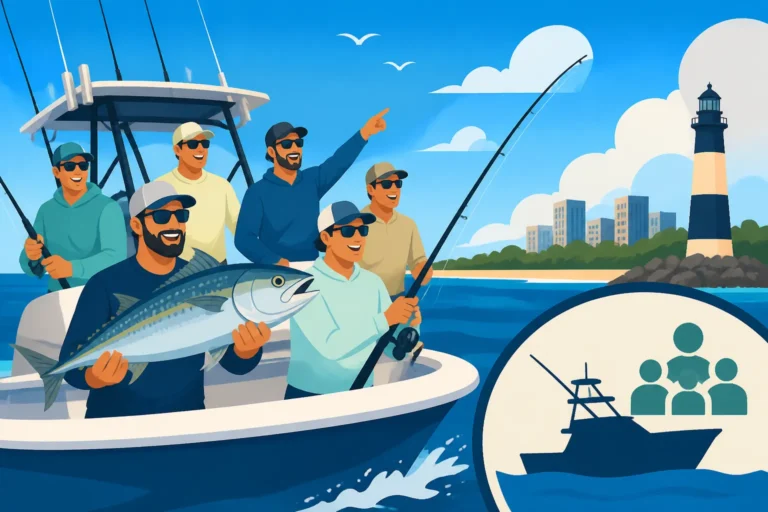
There's something truly magical about the Virginia Beach coastline, a place where the Atlantic Ocean meets the Chesapeake Bay, creating an incredibly diverse and vibrant fishery. But let's be real, trying to tackle these waters on your own, especially if you're not a seasoned local, can be a monumental challenge. That's where a fishing charter truly shines, transforming a potentially frustrating outing into a memorable, productive, and downright fun experience.
Access to Expertise and Equipment
One of the biggest advantages of booking a charter is the instant access to seasoned professionals. These captains and mates aren't just boat drivers; they're living, breathing encyclopedias of local fishing knowledge. They know the currents, the tides, the secret spots where fish are biting, and what bait or lure works best on any given day. You don't have to spend hours researching or experimenting; you just show up, and their expertise is at your disposal.
Beyond their invaluable knowledge, charters also provide all the necessary gear. Think about it: high-quality rods and reels, a vast array of tackle, the freshest bait, and top-of-the-line electronics like fish finders and GPS systems. If you've ever priced out a decent offshore setup, you know it's a significant investment. On a charter, all that expensive equipment is included, meticulously maintained, and ready for you to use. This means less packing for you, less worrying about forgetting something crucial, and more focus on the thrill of the catch.
Targeting Specific Species with Confidence
Virginia Beach waters are teeming with a fantastic variety of fish, from the mighty Striped Bass (affectionately known as "Rockfish" around here) to Flounder, Cobia, Tuna, Mahi-Mahi, and so many more. Each of these species has its preferred habitats, feeding patterns, and best times to bite. For a recreational angler, trying to zero in on a specific species can feel like searching for a needle in a haystack.
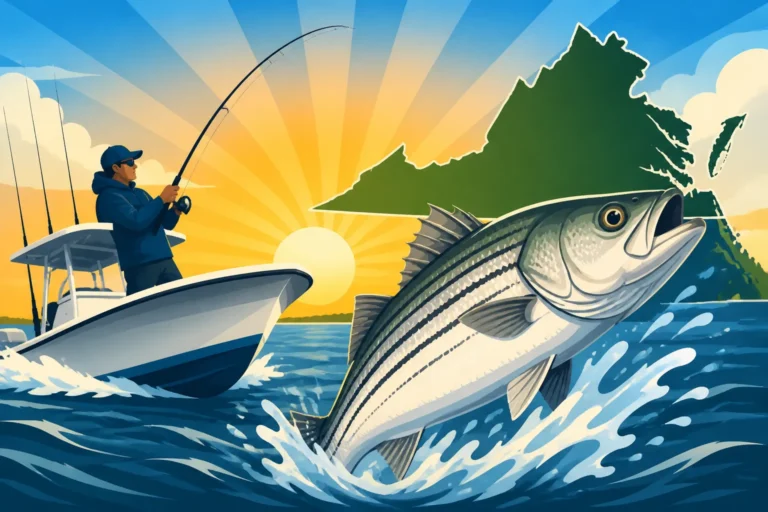
Charter captains, however, specialize in this. They know exactly when and where to find the fish you're dreaming of catching. Want to battle a trophy Striped Bass during the legendary fall run? Your captain will have you on the right grounds, using the right techniques. Hoping to hook into some delicious Flounder for dinner? They'll know the best wrecks and reefs. This targeted approach significantly increases your chances of success, ensuring that your fishing trip aligns with your angling goals and provides the exciting action you're looking for.
Safety and Comfort on the Water
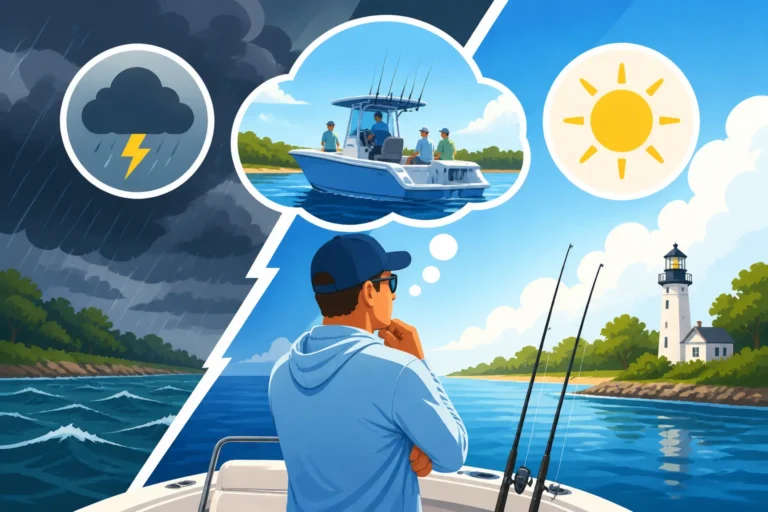
Let's face it, the ocean can be unpredictable, and safety should always be a top priority. Charter boats are not just vessels; they are professional operations. They are meticulously maintained, equipped with all the required safety gear, and operated by licensed captains who are trained in maritime safety and first aid. You're not just getting a ride; you're getting peace of mind.
Furthermore, these boats are often designed with angler comfort in mind. Many offer shaded areas, private heads (marine bathrooms), comfortable seating, and enough deck space for everyone to fish without feeling cramped. You won't have to worry about rough seas in an inadequate vessel or dealing with cramped conditions. It means you can focus on enjoying the beautiful scenery, the company of your fellow anglers, and the excitement of reeling in a fish, rather than worrying about the practicalities and potential hazards of being far from shore. It’s an investment in a hassle-free and enjoyable day on the water.
Types of Fishing Charters in Virginia Beach
When you start looking into Virginia Beach fishing charters, you'll quickly realize it's not a one-size-fits-all situation. The type of trip you choose will depend on what you want to catch, how long you want to be out, and how much you're looking to spend. Each option offers a unique experience tailored to different preferences and angling styles.
Half-Day Charters
Half-day charters are incredibly popular, especially for families, beginners, or those simply looking for a taste of the Virginia Beach fishing scene without committing to a full day on the water. These trips typically last around four to five hours, making them ideal for fitting into a busy vacation schedule.
During a half-day trip, captains usually focus on inshore or nearshore waters, targeting species like Flounder, Croaker, Spot, Grey Trout, or sometimes smaller Striped Bass depending on the season and regulations. The shorter duration means less travel time to the fishing grounds, maximizing the time you spend with lines in the water. It’s a fantastic way to introduce kids to fishing without them getting bored or seasick, offering a good balance of excitement and accessibility. You might be surprised at the variety you can catch in just a few hours! For a deeper dive into trip durations, you might want to read Half-Day vs Full-Day Fishing Charters in Virginia.
Full-Day Charters
For the more serious angler or those who simply can't get enough of being on the water, full-day charters are where it's at. These excursions generally run for eight to ten hours, allowing captains to venture further offshore to target bigger, more elusive species. This extended time means more opportunity to explore different fishing grounds and try various techniques.
Offshore full-day trips often target species like Tuna (Yellowfin, Bluefin, Bigeye), Mahi-Mahi (Dolphin), Wahoo, and Marlin, depending on the season and conditions. Inshore full-day trips might focus on Cobia, Red Drum, larger Striped Bass, or even Shark. The longer duration allows for more flexibility and a greater chance of hitting a hot bite, though it also means more exposure to the elements and a higher price point. If you're looking for that adrenaline rush of battling a big game fish, a full-day offshore trip is likely your best bet.
Specialty and Seasonal Charters
Beyond the standard half and full-day options, Virginia Beach boasts a vibrant charter scene with trips designed for specific angling desires or seasonal opportunities. These can offer a truly unique experience, whether you're after a particular trophy or enjoy a specific fishing style.
For instance, during certain times of the year, you'll find dedicated Striped Bass (Rockfish) charters, especially during the prolific fall migration. These trips often focus on trolling, jigging, or live-baiting for these powerful fish. Other specialty trips might include Cobia sight-fishing, Shark fishing excursions, or even deep-dropping for species like Tilefish and Swordfish far offshore. Virginia Striped Bass Season and Slot Limit Guide provides excellent information if targeting rockfish is your goal. These specialized trips often require specific tackle and knowledge, which the charter provides, making it possible for you to pursue these unique opportunities even if you're not an expert in that particular fishery. It's always worth checking what's biting seasonally and if there are charters tailored to those opportunities.
Understanding Virginia Beach Charter Costs
Let's talk money, because frankly, it's one of the biggest questions people have when considering a charter. While I can't give you exact numbers that might change tomorrow, I can certainly explain the shape of those costs and what factors play into the final price tag. It's important to remember that you're not just paying for a boat ride; you're paying for expertise, equipment, fuel, licensing, and a whole lot of hard work.
Factors Influencing Charter Prices
Several key elements come together to determine the cost of a Virginia Beach fishing charter. Understanding these can help you choose a trip that aligns with your budget and expectations.
Firstly, the duration of the trip is a major factor. As we discussed, a half-day trip will always be less expensive than a full-day excursion because it requires less fuel, less crew time, and less wear and tear on the vessel. Beyond that, specialized longer trips, like overnight tuna adventures, will command an even higher price due to the extended time, resources, and often greater distances traveled.
Secondly, the type of fishing and target species plays a significant role. Inshore trips targeting smaller fish in calmer waters generally cost less than offshore deep-sea trips. Why? Offshore trips burn substantially more fuel, require heavier and more expensive tackle (think big game rods and reels), and often involve more advanced navigational equipment and a larger, more specialized crew. The risk and effort involved in chasing pelagic species far from shore naturally translates to a higher price.
Finally, the boat size and amenities, along with the captain's experience and reputation, also influence pricing. Larger, more luxurious boats with advanced electronics, spacious cabins, and premium amenities will typically cost more to operate and, therefore, to book. Similarly, highly sought-after captains with decades of proven success and a reputation for putting clients on fish often have higher rates, reflecting their demand and expertise. Don't forget that the season also matters; peak fishing seasons will usually see higher demand and potentially higher prices.
What's Typically Included in the Price
When you're looking at that charter price, it's easy to wonder what exactly you're getting for your investment. Most reputable Virginia Beach fishing charters include a comprehensive package to ensure you have a hassle-free experience.
The most critical inclusions are the boat, licensed captain, and experienced mate(s). These are the backbone of your trip, providing navigation, fish-finding skills, and hands-on assistance. You also get all the fishing gear you'll need: rods, reels, line, and a full tackle box stocked with appropriate lures and weights for your target species. This means no need to buy or transport your own heavy equipment.
Crucially, bait and ice are almost always provided. The captain will ensure they have the freshest bait, whether it's live, frozen, or chum, depending on what's effective. Ice is essential for keeping your catch fresh throughout the day. Some charters might also include basic snacks and non-alcoholic beverages, but it's always a good idea to confirm and bring your own if you have specific preferences or dietary needs. A few might even offer to clean and bag your fish at the end of the day, though this is sometimes an extra service. It’s wise to ask about these details when booking, especially if you're comparing options on platforms like FishingBooker.
Understanding Additional Costs and Tipping
While many essentials are included, there are a few additional costs that can add to your total investment, and it's good to be prepared for them.
The most common additional cost is the crew gratuity, or tip. Tipping is customary and highly encouraged in the charter fishing industry, much like in restaurants. A general guideline is to tip 15-20% of the total charter price, assuming the crew worked hard and provided good service. This tip is typically split between the captain and mate(s) and acknowledges their effort, expertise, and dedication to making your trip a success, regardless of how many fish bite. For more details, see Tipping Norms for Virginia Fishing Charter Crews.
Beyond tips, you might encounter optional extras such as fish cleaning services (if not included) or the purchase of professional photos of your catch. Many charters have cameras on board and offer high-quality photos for a fee. While not common, some very exclusive offshore trips might have a fuel surcharge depending on market prices. Also, remember that your food and drinks (beyond basic water) are usually your responsibility, so factor in the cost of packing a cooler. Lastly, while the boat usually has a blanket license, you'll want to verify if Virginia Fishing License Requirements for Residents and Nonresidents apply to you specifically or if the charter covers everything. It’s rare for a charter to not cover the boat’s license, but individual angler licenses are different.
| Charter Type | Typical Duration | Primary Target Species | Typical Cost Range | Best For |
|---|---|---|---|---|
| Half-Day Inshore | 4-5 hours | Flounder, Croaker, Spot, Grey Trout | Lower | Families, beginners, shorter commitments |
| Full-Day Inshore | 7-8 hours | Larger Striped Bass, Cobia, Red Drum, Shark | Mid | Dedicated inshore anglers, more variety |
| Full-Day Offshore | 8-10 hours | Tuna, Mahi-Mahi, Wahoo, Marlin, Tilefish | Higher | Serious anglers, big game hunters, deep sea |
| Specialty/Seasonal | Varies | Specific species (e.g., Striped Bass, Cobia), specific techniques | Varies | Targeting specific trophy fish or experiences |
What to Expect on Your Virginia Beach Charter Trip
Stepping onto a charter boat for the first time, or even the tenth, can bring a mix of excitement and anticipation. Knowing what to expect, from preparation to the actual fishing experience, can help you relax and make the most of your adventure on the water.
Pre-Trip Preparation and Departure
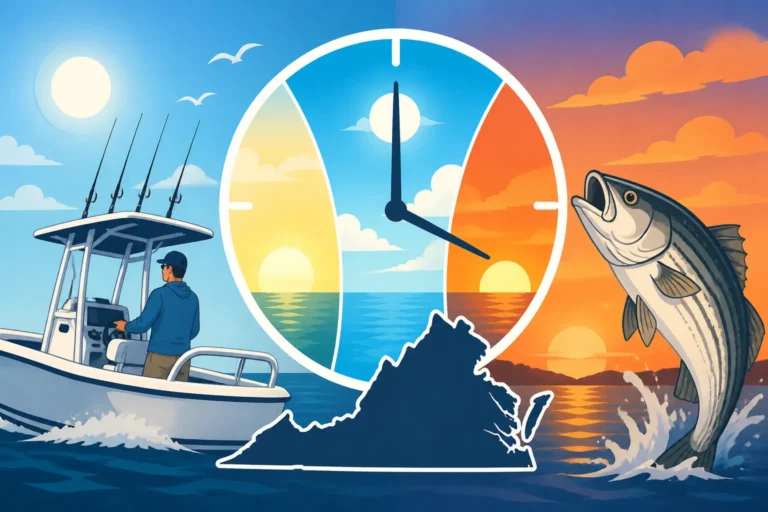
Before you even step foot on the boat, a little preparation goes a long way. First things first, confirm your booking details, departure time, and meeting location with your captain a day or two in advance. Virginia Beach marinas can be bustling, so knowing exactly where to go is key. Most charters will depart early in the morning, often around sunrise, to maximize fishing time when fish are most active.
What should you bring? Think about sun protection: a wide-brimmed hat, sunglasses, and plenty of reef-safe sunscreen are non-negotiable. Layers of clothing are also a smart move, as mornings can be cool on the water, even in summer, and offshore breezes can be brisk. Don't forget comfortable, non-slip shoes! Pack your own food and drinks in a small cooler – nothing bulky – and any personal medications, especially motion sickness remedies if you're prone to seasickness. While the boat has all the fishing gear, you might want to bring a camera or your phone for pictures, but make sure it's in a waterproof bag. It’s also wise to read up on What to Bring on a Virginia Fishing Charter before your trip.
Onboard Experience and Fishing Action
Once on board, the crew will typically give a brief safety orientation and run through the plan for the day. They'll show you where everything is, from life vests to the head (marine toilet), and generally make sure you feel comfortable. As the boat heads out to the fishing grounds, take in the incredible Virginia Beach coastline fading into the distance. It's truly a sight to behold.
When you arrive at the fishing spot, the real action begins. The mate will typically set up the rods and bait, instructing you on how to use the equipment and what to do when you get a bite. They're there to assist you, so don't be shy about asking for help with casting, reeling, or anything else. Whether you're trolling baits far behind the boat, dropping lines to the bottom, or casting lures, the crew will guide you through the process. Communication is key: if you're feeling unwell, or need a break, let the crew know. Their primary goal is to ensure you have a safe and enjoyable time, and of course, catch some fish!
Handling Your Catch and Return to Shore
When you reel in a fish, the crew will handle it safely and efficiently, ensuring both your safety and the fish's well-being. Depending on the species and regulations, they might help you release it or carefully place it on ice in a fish box. It’s important to be aware of Virginia's Fishing License and Catch Limit Basics and understand that regulations can change, especially for popular species like striped bass. For example, How Many Striped Bass Can You Keep in Virginia will outline current limits.
At the end of your trip, the captain will navigate back to the marina, usually with plenty of time for you to pack up and get your bearings. Upon returning to the dock, the crew will typically help unload your belongings and, if part of the service, clean and fillet your catch. This is a great opportunity to get those final photos with your fish. Remember that this is also the appropriate time to offer your gratuity to the crew, thanking them for their hard work. The journey back to shore is often filled with excited recounting of the day's highlights and the promise of delicious fresh seafood for dinner.
Choosing the Right Charter for Your Group
Not all fishing trips are created equal, and neither are all groups of anglers. What might be perfect for a seasoned group of buddies looking to chase tuna might not be ideal for a family with young children. Taking a moment to consider your group's needs and preferences will ensure you pick a Virginia Beach charter that delivers the best possible experience for everyone involved.
Family-Friendly Fishing Charters
If you're planning a trip with kids, the key is finding a charter that understands the unique dynamics of family fishing. You want patience, safety, and a good dose of fun. Look for charters that specifically advertise themselves as "family-friendly" or "kid-friendly." These captains and crews are usually adept at engaging children, teaching them the basics, and making the experience exciting rather than overwhelming.
Half-day trips are almost always the best option for families, as kids (and some adults!) can lose interest or get antsy on longer excursions. Inshore or nearshore fishing is also preferable, as the calmer waters minimize seasickness and the focus on panfish or smaller game often means more frequent bites, keeping spirits high. Don't hesitate to ask about specific amenities like a comfortable cabin for a break from the sun, or if the crew is particularly good with teaching youngsters. Some charters may even have kid-sized life jackets or fishing vests. Platforms like FishingBooker often allow you to filter for family-friendly options, and it's always a good idea to check reviews from other families. For more on this, check out Family-Friendly Fishing Charters in Virginia.
Charters for Experienced Anglers and Trophy Hunters
For the hardcore angler or those dreaming of a trophy catch, the criteria shift. You're likely looking for longer trips, often offshore, targeting specific big game species. These charters are usually less about the "experience" and more about the "catch."
You'll want to seek out captains known for their expertise in specific fisheries, perhaps one renowned for their prowess in offshore tuna fishing or for consistently putting clients on record-sized Striped Bass. Full-day or even multi-day offshore trips are common for this crowd, allowing ample time to reach distant fishing grounds and wait for that prized bite. These trips might involve more advanced techniques like deep dropping, kite fishing, or chunking. When inquiring, ask about the captain's track record for your target species, the type of gear they use (heavy tackle is a must for certain fish), and their approach to the day. These trips are typically more expensive, but the investment is often worth it for the thrill of a lifetime catch.
Group Size and Private vs. Shared Charters
The number of people in your party will significantly impact your charter choice and cost. Virginia Beach charters offer options for various group sizes, and understanding the difference between private and shared trips is crucial.
Private Charters mean you have the entire boat to yourselves. This offers maximum flexibility, privacy, and personalized attention from the crew. You can often have more say in the target species, fishing methods, and even the pace of the day. This is ideal for families, groups of friends, or corporate outings. While the upfront cost for a private charter might seem higher, when split among a group, the per-person cost can sometimes be quite reasonable.
Shared (or "Head Boat") Charters are a more budget-friendly option where you pay per person and join other anglers on a larger vessel. These boats often have set schedules and target a broader range of species, usually inshore or nearshore. While you lose some of the personalized attention and flexibility, it's a great way to experience charter fishing without the full cost of a private boat. However, you'll be fishing alongside strangers, and you might have less room to move around. Consider your group's dynamics: if everyone enjoys mingling and is comfortable in a less intimate setting, a shared charter can be a fantastic value.
Booking Your Virginia Beach Fishing Charter
Once you've got a good idea of what kind of charter you're after, the next step is actually booking it. This process can be straightforward, but a few tips and resources can make it even smoother, ensuring you secure the perfect trip without any last-minute hitches.
Where to Find and Book Charters
There are several avenues to explore when searching for and booking a Virginia Beach fishing charter. Each has its own benefits, so consider which best suits your comfort level and research style.
Online Booking Platforms have become incredibly popular and convenient. Websites like FishingBooker allow you to browse a wide array of Virginia Beach charters, compare boats, captains, prices, and available dates all in one place. They often feature customer reviews, detailed descriptions of the trips offered, and clear pricing, which can be immensely helpful in making an informed decision. These platforms also provide a secure way to book and pay, and often include customer support for any questions or issues. When using these platforms, make sure to read all the details about what's included and any cancellation policies.
Directly contacting local marinas and captains is another excellent option. Many reputable captains have their own websites or are listed on marina directories. This allows for direct communication, where you can ask specific questions, discuss custom trips, and get a more personal feel for the captain and their operation. Local bait and tackle shops can also be a goldmine of information, as they often have business cards or recommendations for reliable charters. Sometimes, booking directly can offer a slightly better rate by cutting out third-party fees, but always ensure the captain is licensed and insured.
Key Questions to Ask Before Booking
Don't be shy about asking questions before you commit to a booking! A reputable captain will appreciate your thoroughness and be happy to provide all the information you need.
Start with the basics: What is the total cost, and what exactly is included? Confirm bait, tackle, ice, and any fish cleaning services. Clarify if a Virginia Fishing License Guide is needed for individual anglers, or if a boat license covers everyone. Ask about the specific target species for your chosen trip and what techniques will be used. This ensures your expectations align with what the charter offers.
It's also crucial to understand their cancellation and refund policy, especially concerning weather. The ocean can be unpredictable, and you want to know what happens if your trip is called off due to unsafe conditions. Ask about payment requirements, such as deposit amounts and when the final balance is due. Finally, if you have any special requests or needs, such as bringing young children, accessibility concerns, or specific dietary restrictions, bring them up upfront to ensure the charter can accommodate you. A good charter operator will make you feel confident and informed before you ever step aboard.
Best Time to Book Your Charter
Timing can be everything when it comes to securing your ideal Virginia Beach fishing charter. Popular seasons and specific events can cause charters to book up quickly, so a little planning ahead is always a smart move.
Generally, it's advisable to book your charter as far in advance as possible, especially if you're planning a trip during peak season or for a holiday weekend. Virginia Beach's peak fishing seasons, particularly for Striped Bass in the fall and offshore species in the summer, see high demand. For example, during the Virginia Beach Striped Bass Charter Season Timing, which includes prime months in fall and spring, popular captains can be booked solid months in advance.
If you have specific dates in mind, such as a family vacation or a special occasion, booking 3-6 months out is not unreasonable. For less popular times of the year or if your dates are flexible, you might find more last-minute availability, but it's still a gamble. Keep an eye on local fishing reports and seasonal forecasts, as these can influence demand. If you're using an online platform like FishingBooker, you can often see a captain's real-time availability, which helps with planning. Proactive booking ensures you get your preferred captain and boat, rather than settling for what's left.
Making the Most of Your Virginia Beach Charter Experience
You've planned, you've booked, and you've had an incredible day on the water. But the experience doesn't have to end when the boat docks. There are ways to extend the enjoyment and ensure you leave Virginia Beach with lasting memories and, hopefully, some delicious fish for the table.
Post-Trip Fish Care and Cooking
Congratulations, you've landed some fish! Now comes the important part: properly caring for your catch. Most charters will either fillet your fish for you at the dock, or guide you to a local fish cleaner. Make sure you have a cooler packed with ice in your car to transport your fillets home safely. Keeping fish cold is paramount to preserving its freshness and flavor.
Once home, you have a few options. Fresh fish is best enjoyed promptly, so plan a delicious meal for that night or the next day. Many Virginia Beach species like Flounder, Croaker, and certain Tuna varieties are absolutely fantastic simply pan-seared or baked. If you have more fish than you can eat right away, proper freezing techniques are essential. Vacuum sealing is ideal, but even tightly wrapping fillets in plastic wrap and then foil, removing as much air as possible, will protect them from freezer burn. Label your packages with the date and species, so you know exactly what you've got later on.
Sharing Memories and Photos
A picture is worth a thousand words, and after an exciting day on the water, you'll likely have plenty of stories to tell and photos to share. Make sure you capture those moments on the boat – the big catch, the stunning sunrise or sunset, the camaraderie with your fellow anglers.
Share your photos and videos with friends and family, reliving the thrill of the fight or the beauty of the marine environment. If you're comfortable, consider sharing them on social media, tagging the charter company or the Virginia Beach tourism board. Not only does it help promote local businesses, but it also inspires other aspiring anglers to experience the magic of fishing in Virginia. Don't forget to thank your captain and crew again – a positive review on their website or booking platform goes a long way in helping them continue to do what they love.
Planning Your Next Virginia Beach Fishing Adventure
Once you've experienced the excitement of a Virginia Beach fishing charter, chances are you'll be hooked (pun intended!) and already thinking about your next trip. The diverse fishery here means there's always something new to target or a different season to explore.
Maybe next time you want to try for a different species, perhaps venturing offshore for tuna if you stuck to inshore waters this trip. Or maybe you want to explore another incredible fishing spot. If you loved the challenge of battling a Striped Bass, consider researching Best Fishing Spots Near Virginia Beach to find other prime locations for this species. You could also try different techniques, like fly fishing, or visit during a different season to experience a completely new bite. Keep an eye on local fishing reports and seasonal forecasts to help plan your next adventure, and don't hesitate to reach out to the same captain you fished with, especially if you had a great experience. They'll often be happy to suggest new ideas and help you plan your return.
Beyond the Charter: Virginia Beach Fishing Resources
While a charter offers an incredible, all-inclusive fishing experience, Virginia Beach also has a wealth of other resources and opportunities for anglers. Understanding these can help you broaden your fishing horizons or find alternative ways to wet a line.
Public Piers and Shore Fishing
If a full-on charter isn't in your budget or you prefer a more relaxed, independent fishing experience, Virginia Beach offers fantastic public access for pier and shore fishing. This is a great way to enjoy the coastal environment and still catch some fish.
Numerous public piers, like the Virginia Beach Fishing Pier, extend into the ocean, providing access to deeper waters without needing a boat. These piers are often equipped with bait shops, restrooms, and sometimes even rod rentals, making them very accessible for beginners or those without their own gear. Popular catches from piers include Croaker, Spot, Bluefish, Spanish Mackerel, and even some smaller Striped Bass. For more information on these spots, you can explore Best Fishing Piers in Virginia Beach.
Similarly, many beaches allow surf fishing, though regulations and designated areas vary, so always check local ordinances. You can cast from the sand for species like Croaker, Spot, Flounder, and even the occasional Red Drum or Striped Bass. The cost is minimal, usually just your bait and tackle, and it’s a wonderful way to enjoy the sunrise or sunset by the ocean. Remember that you may still need a Virginia Fishing License Costs and Types Explained for shore and pier fishing, even if you’re not on a charter boat.
Fishing License Requirements
No matter how you plan to fish in Virginia, understanding the licensing requirements is crucial to avoid any unwelcome surprises. Generally speaking, most anglers over a certain age will need a valid Virginia fishing license.
For saltwater fishing in Virginia Beach, you'll typically need a Virginia saltwater fishing license. There are options for residents and non-residents, and various durations (annual, 10-day, etc.) to suit your trip length. While charter boats typically hold a blanket license that covers all passengers on board, it's always smart to confirm this when booking, especially if you're on a smaller private charter. If you plan to fish from shore, a pier, or your own boat, you will definitely need your own license. Virginia Fishing License Requirements for Residents and Nonresidents is an excellent resource to clarify who needs what license. Ignoring these rules can lead to significant Penalties for Fishing Without a License in Virginia, so it's best to be prepared!
Conservation and Responsible Angling
Part of enjoying the incredible fishing opportunities in Virginia Beach is also being a responsible steward of the environment. Sustainable fishing practices ensure that future generations can also experience the thrill of the catch.
Always adhere to catch limits, size restrictions, and season dates for all species you target. These regulations are put in place by state wildlife agencies to protect fish populations and ensure healthy fisheries. If you're practicing catch-and-release, learn proper handling techniques to minimize stress and injury to the fish, giving them the best chance of survival. This includes minimizing air exposure, handling fish with wet hands, and using dehooking tools when necessary. Never litter on the boat or in the water; always pack out what you pack in. Supporting local conservation efforts, even through the purchase of your fishing license, helps fund vital research and habitat protection projects. Being a responsible angler means doing your part to keep Virginia's waters healthy and teeming with life.
Disclaimer
This article is for general informational purposes only and does not constitute professional advice. Laws, prices and regulations vary by location and change over time. Consult a qualified professional for guidance on your specific situation.