How Big Do Largemouth Bass Get at Smith Mountain Lake?
Anglers often dream of landing a truly massive largemouth bass, and for those who set their sights on Virginia, Smith Mountain Lake inevitably comes up in conversation. It’s a stunning body of water with a reputation for producing some serious bucketmouths, leading many to wonder just how big these fish can actually grow in its depths. This guide is dedicated to answering that burning question, diving into the factors that influence bass size, what you can realistically expect, and how to improve your chances of hooking into a true trophy.
The Allure of Smith Mountain Lake for Trophy Largemouth Bass
Smith Mountain Lake, often affectionately called SML by locals, isn't just a picturesque reservoir nestled in the Blue Ridge Mountains; it's a legitimate big bass factory. For decades, anglers have flocked here, drawn by stories and firsthand accounts of exceptionally large largemouth bass. This reputation isn't built on folklore alone; the lake possesses a unique combination of characteristics that foster remarkable bass growth, setting it apart from many other fisheries in the region.
The sheer size of SML, boasting over 500 miles of shoreline and encompassing more than 20,000 acres, provides an expansive and diverse habitat that largemouth bass absolutely thrive in. From shallow, nutrient-rich coves brimming with aquatic vegetation to deep, rocky points and submerged timber, there's a smorgasbord of cover and structure. This varied topography creates numerous ambush points and shelters for bass, allowing them to expend less energy hunting and more energy growing. It's a prime environment for them to reach impressive dimensions.
Moreover, the lake's abundant forage base is a critical ingredient in the recipe for giant bass. SML is teeming with baitfish like gizzard shad and threadfin shad, as well as a healthy population of panfish suchgill and crappie. These high-protein food sources mean that largemouth bass have a constant and readily available buffet, fueling their growth rates exponentially. When a bass doesn't have to work hard for its meals, it conserves energy, which is then converted into size and weight. This rich ecosystem is truly a largemouth paradise.
What Drives Largemouth Bass Growth at Smith Mountain Lake?
The size a largemouth bass can attain isn't just a matter of luck; it's a complex interplay of environmental factors, genetics, and management practices. Smith Mountain Lake benefits from several key elements that contribute to its well-deserved status as a big bass fishery. Understanding these factors can help you appreciate why SML consistently produces impressive fish.
Abundant and Diverse Forage
Perhaps the most significant factor influencing bass size is the sheer quantity and variety of food available. At SML, largemouth bass feast on a diverse diet that allows them to pack on pounds rapidly. The lake's robust population of various shad species forms the backbone of their diet, providing a caloric punch that's hard to beat. Beyond shad, bass also opportunistically consume bluegill, redear sunfish, and even juvenile crappie, all of which are plentiful in the lake's fertile waters.
Crawfish are another unsung hero in the diet of a trophy largemouth. These crustaceans are high in protein and fat, offering a crucial food source, especially in rocky areas. When bass have a consistent, high-energy diet like this, they simply grow bigger, faster. It's like a bodybuilder having access to the best nutrition; the results speak for themselves. This rich food chain is precisely why the largemouth in SML reach such notable sizes.
Optimal Habitat and Water Quality
Smith Mountain Lake's structure and water quality are almost perfectly designed for growing large bass. The lake features extensive areas of submerged timber, rock piles, ledges, and deep creek channels that offer ideal ambush points and refuge. Bass are ambush predators, and having plenty of cover allows them to conserve energy while waiting for prey to swim by. This means less energy spent chasing, and more energy dedicated to growth. Furthermore, the varying depths provide critical thermal refuge during extreme summer heat or winter cold, helping bass regulate their metabolism and thrive year-round.
The water quality itself plays a crucial role. SML is generally known for its clean, well-oxygenated waters, which are vital for fish health and growth. Good water quality supports a thriving ecosystem, from the microscopic organisms up to the largest predators. A healthy environment means less stress on the fish, fewer diseases, and overall better conditions for them to reach their genetic potential. When the ecosystem is in balance, the fish flourish, and that's certainly the case at Smith Mountain Lake.
Effective Fisheries Management and Angler Practices
The Virginia Department of Wildlife Resources (DWR) actively manages the fishery at Smith Mountain Lake, implementing regulations and programs designed to promote a healthy, sustainable bass population, including trophy potential. These efforts often include stocking programs for forage species, habitat improvement projects, and carefully set length and creel limits. These regulations help ensure that a sufficient number of bass survive to larger sizes, contributing to the trophy aspect of the fishery.
Moreover, the culture of How to Catch a Trophy Largemouth Bass at Smith Mountain Lake has fostered a strong catch-and-release ethic among many anglers, particularly those targeting larger fish. Releasing big bass back into the lake allows them to continue growing and to spawn, passing on their superior genetics to future generations. This conscious effort by the angling community, combined with thoughtful DWR management, creates a positive feedback loop that helps maintain and even enhance the lake's reputation for giant largemouth. It's a collective effort that benefits everyone who loves to fish.
Realistically, How Big Do Largemouth Bass Get at Smith Mountain Lake?
So, let's get down to the brass tacks: what kind of largemouth bass can you truly expect to encounter at Smith Mountain Lake? While everyone dreams of breaking a state record, it's helpful to have a realistic understanding of the typical sizes and the truly exceptional ones.
Most anglers visiting SML will find themselves consistently catching largemouth bass in the 2 to 4-pound range. These are solid, healthy fish that provide fantastic sport. A good day might see you landing several bass in the 4 to 6-pound class, which are considered excellent fish in most fisheries. These are the ones that really put a bend in your rod and make for memorable catches.
However, SML definitely has the potential for much larger bass. Fish in the 7 to 9-pound range are caught regularly enough to keep anglers coming back. These are considered true trophy bass by most standards, showcasing the lake's ability to grow some giants. The elusive double-digit largemouth – a fish weighing 10 pounds or more – is the pinnacle for many anglers. While not an everyday occurrence, SML has produced and continues to produce a respectable number of bass in this category, with the occasional fish pushing even further beyond.
To put this into perspective, let's look at a general size and weight comparison.
| Length (Inches) | Estimated Weight (Pounds) | Description |
|---|---|---|
| 12-14 | 1-2 | Average Keeper/Smaller Fun Fish |
| 15-18 | 2-4 | Good Solid Bass |
| 19-21 | 4-6 | Excellent Quality Bass |
| 22-24 | 7-9 | True Trophy Bass |
| 25+ | 10+ | Double-Digit Dream/Potential Record |
It's worth noting that the current Virginia state record largemouth bass weighed an astonishing 16 pounds, 4 ounces, caught from a private pond. While a public lake like SML might not frequently yield fish of that extreme caliber, it consistently produces bass that are well into the trophy category for public waters. The goal is always to beat your personal best, and SML offers a fantastic opportunity to do just that, potentially with a bass that breaks the 8 or 9-pound mark. You just need to be prepared with the right gear, perhaps some heavy-duty lures you can find on Amazon, and a good dose of patience.
Targeting SML's Biggest Bass: Techniques and Seasons
If you're heading to Smith Mountain Lake with your sights set on a trophy largemouth, you'll want to optimize your approach. While catching any bass is fun, landing a true giant often requires specific strategies tailored to the lake's conditions and the behavior of larger fish. Understanding Best Time of Year for Bass Fishing in Virginia is crucial for maximizing your chances.
Best Seasons for Trophy Largemouth
The prime seasons for targeting the biggest largemouth at SML are generally spring and fall.
- Spring: As water temperatures rise, largemouth bass move shallower for the pre-spawn and spawning phases. This is when some of the heaviest fish of the year are caught, as they are full of eggs and actively feeding. During pre-spawn, they are aggressively looking for high-protein meals to fuel the upcoming spawn. Later, during the spawn itself, sight fishing can be incredibly effective for locating and enticing bedding bass. This period, typically from March through May, is often considered the absolute best for trophy hunting.
- Fall: As the lake begins to cool, baitfish, particularly shad, school up in massive numbers. Largemouth bass follow these schools, gorging themselves to put on weight for the upcoming winter. This fall feeding frenzy, from September through November, can be incredibly productive for catching fat, healthy bass that have been eating well all summer. Look for concentrations of baitfish using your electronics, and the big bass won't be far behind.
While summer and winter can also produce big bass, they often require different techniques. In summer, big bass tend to move to deeper, cooler waters or become more active during low-light conditions. In winter, they become lethargic and are often found schooled up in deep structure, requiring slower, more precise presentations.
Effective Techniques and Baits
Big bass often require big baits, or at least baits that mimic their preferred prey. Here are some tried-and-true techniques for targeting the giants of SML:
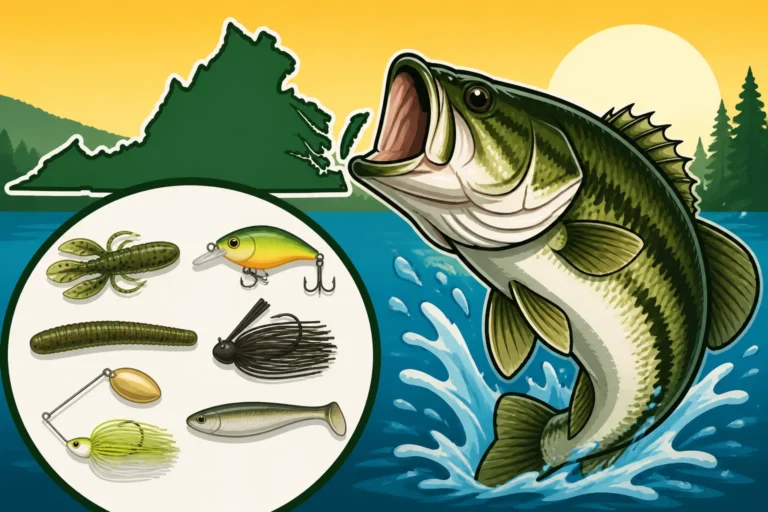
- Jigs: Heavy jigs, particularly those mimicking crawfish, are lethal around submerged timber, rock piles, and deep structure. A black and blue jig with a matching Amazon chunk trailer is a classic for a reason. Work it slowly, feeling for subtle bites.
- Large Plastic Worms and Creature Baits: Texas-rigged or Carolina-rigged 7-inch to 10-inch plastic worms or creature baits are excellent for probing cover and tempting hesitant bass. Colors like green pumpkin, junebug, or plum are perennial favorites.
- Swimbaits: Realistic swimbaits, especially those mimicking shad, can draw explosive strikes from trophy bass, particularly during the fall when bass are actively chasing baitfish. Hard-bodied or soft-bodied paddle tail swimbaits are both effective.
- Deep-Diving Crankbaits: When bass are holding on deep ledges or humps, a crankbait that can reach those depths and bounce off structure can trigger reaction strikes from larger fish. Look for models that dive 15-20 feet or deeper.
- Spinnerbaits and Bladed Jigs: These can be effective for covering water and drawing strikes, especially in stained water or around shallower cover. Choose larger sizes for targeting bigger fish.
Remember, patience is key when targeting trophy bass. You might not get as many bites, but the ones you do get could be the fish of a lifetime. Make sure your tackle is up to the task; investing in high-quality rods and reels, along with durable fishing line (many anglers swear by specific brands available on Amazon for their strength and abrasion resistance), is essential when battling a big SML largemouth. For more detailed insights, check out Best Bait for Largemouth Bass in Virginia.
Conservation and the Future of SML's Big Bass
While the pursuit of a trophy largemouth bass at Smith Mountain Lake is exhilarating, it comes with a vital responsibility: conservation. The health and future of this incredible fishery depend on every angler practicing ethical and sustainable fishing methods. It's not just about what you catch, but how you handle it and contribute to the ecosystem's longevity.
Practicing Responsible Catch and Release
For many who target trophy bass, especially the ones approaching or exceeding the 7-pound mark, catch-and-release is the preferred and often expected practice. These larger, older fish are the genetic backbone of the fishery, capable of producing more offspring and passing on traits that contribute to robust growth rates. When you do land a magnificent bass, handle it with extreme care. Minimize its time out of the water, use appropriate landing nets that don't damage fins or slime coat, and revive it gently before release. Even small actions make a huge difference in ensuring that fish swims away healthy to fight another day and spawn again.
Consider investing in tools like lip-grippers or de-hooking tools, also widely available on Amazon, to make the release process smoother and less stressful for the fish. Every effort to ensure a healthy release directly contributes to the perpetuation of SML's trophy potential.
Understanding and Adhering to Regulations
The Virginia DWR establishes fishing regulations for a reason – to protect and enhance the fish populations. Familiarize yourself with current length and creel limits for largemouth bass at Smith Mountain Lake. These rules are designed to ensure sustainable harvesting while allowing a good portion of the population to grow into larger sizes. Ignoring these regulations not only harms the fishery but can also lead to significant penalties. Anglers who take the time to understand and respect these guidelines are actively participating in the conservation efforts that make SML such a special place.
Supporting local conservation groups and staying informed about DWR initiatives further contributes to the long-term health of the lake. The future of Virginia Bass Fishing: Largemouth, Smallmouth, Spotted, and Alabama Bass at SML depends on a collective commitment to intelligent management and ethical angling. By doing our part, we ensure that future generations can also experience the thrill of wondering, "How big will this one be?" when they visit Smith Mountain Lake.
Disclaimer
This article is for general informational purposes only and does not constitute professional advice. Laws, prices and regulations vary by location and change over time. Consult a qualified professional for guidance on your specific situation.