Best Lures for Smallmouth Bass on the Shenandoah River
Many anglers dream of battling a hard-fighting smallmouth bass, but the Shenandoah River can feel like a puzzle with its unique currents, varied depths, and abundant cover. It’s easy to get overwhelmed by the sheer number of lures out there, wondering which ones will actually tempt those bronzebacks when you're wading the rapids or floating through a calmer stretch. This guide is here to break down the mystery, helping you confidently choose and present the best lures to catch smallmouth bass on the beautiful Shenandoah River.
The Unique Challenge of Shenandoah Smallmouth Bass
Fishing for smallmouth bass in a river like the Shenandoah isn't quite the same as fishing a lake. The constant flow, the diverse underwater structure, and the ever-present current create a dynamic environment that demands a specific approach to lure selection and presentation. You can't just throw anything out there and expect consistent results; understanding the river itself is half the battle.
Understanding River-Dwelling Smallmouth Behavior
Smallmouth bass in the Shenandoah are creatures of habit, but those habits are dictated by the river's flow. They're often found in areas where they can ambush prey without expending too much energy fighting the current. Think about eddies behind rocks, current seams where fast and slow water meet, submerged logs, rock piles, and undercut banks. These are prime spots because they offer shelter from the main current and proximity to passing food. Their diet is varied, from crayfish and hellgrammites to baitfish like minnows and shad. Your lures need to mimic these natural food sources in both appearance and action, or trigger an aggressive reaction strike.
Unlike their largemouth cousins, smallmouth are often more nomadic, especially when actively feeding, moving up and down stretches of river. They tend to be more aggressive and react quickly to lures that dart, wobble, or vibrate. Water temperature also plays a huge role in their activity levels and where they're positioned. In colder water, they might hug the bottom in deeper, slower pools, while in warmer months, they'll spread out and chase bait in shallower, faster runs. Understanding Water Temperature for Bass Fishing in Virginia is key.
Key Factors Influencing Lure Choice on the Shenandoah
When you're standing on the bank or drifting down the Shenandoah, several factors should immediately influence your lure choice. First, consider the current speed. A fast current demands heavier lures that can get down quickly, or lures designed to be worked against the flow without getting washed out. Slower water allows for lighter presentations and lures that have more nuanced action.
Next, think about depth. Is the water shallow, barely covering your knees, or are you looking at a deep pool? Lures are designed to work at different depths, and picking one that matches the water column you're fishing is critical. Water clarity is another massive factor. Clear water often calls for more natural colors and subtle presentations, while stained or murky water might require brighter colors, larger profiles, and lures with strong vibrations to help the bass find them. Overcast skies versus bright sun will also change how fish react to different colors and flashes. How to Catch Smallmouth Bass in Rivers often involves adjusting to these conditions.
Essential Lure Categories for Shenandoah Smallmouth
When it comes to tempting Shenandoah River smallmouth, you'll want a diverse tackle box. The "best" lure often depends on the moment, but certain types consistently produce results on this particular river system. Here’s a breakdown of the must-have categories.
Crankbaits: Diving for Reaction Strikes
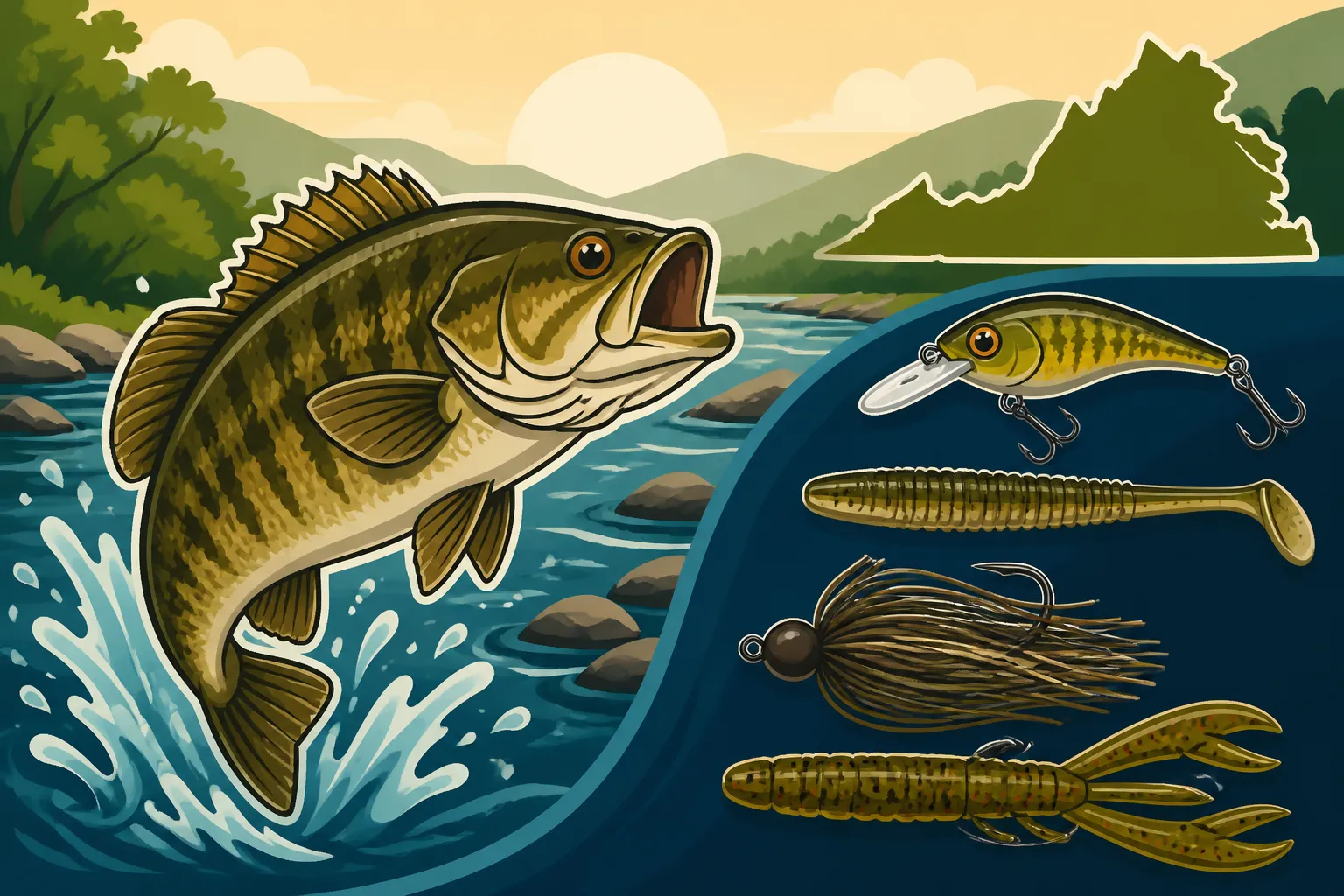
Crankbaits are fantastic for covering water and eliciting aggressive strikes from smallmouth. They come in various shapes and sizes, each designed to dive to a specific depth and have a distinct wobble. For the Shenandoah, you'll want to focus on medium-diving and shallow-diving models that mimic baitfish or crayfish. Look for those with natural colors like crayfish patterns (reds, browns, oranges) or shiner/shad patterns (silvers, whites, blues). Some anglers swear by chartreuse or bright orange for stained water.
When retrieving, vary your speed and include pauses or twitches to make the lure appear like a struggling baitfish. Often, the strike comes when the lure deflects off a rock or log, mimicking a natural escape. This is where a good quality crankbait with a durable bill pays off, as it will be constantly bumping into the river bottom and submerged structures. You can find a wide range of these on platforms like Amazon, making it easy to experiment with different brands and dive depths.
Spinnerbaits: Flash and Vibration in the Flow
Spinnerbaits are incredibly versatile and excel in rivers with current. The spinning blades create flash and vibration that smallmouth can detect from a distance, even in murkier water or low light. Single blade (Colorado or Willow Leaf) or double blade (tandem) configurations are popular. Colorado blades offer more vibration and lift, making them great for slower retrieves or when you need the lure to stay higher in the water column. Willow Leaf blades provide less drag and more flash, ideal for faster retrieves or cutting through stronger currents.
Focus on spinnerbaits with skirt colors that match local baitfish or crayfish. White, chartreuse, and tandem combinations are often highly effective. You can fish them by simply reeling them in, allowing the blades to do their work, or by bumping them off structure. They're also excellent for "waking" just under the surface in shallow areas or over submerged grass. For river fishing, opt for models with stout hooks, as smallmouth can be powerful fighters in the current.
Soft Plastics: Versatility for Every Situation
Soft plastics offer unparalleled versatility and can imitate almost anything a smallmouth eats. Tubes, grubs, swimbaits, and creature baits are all deadly options.
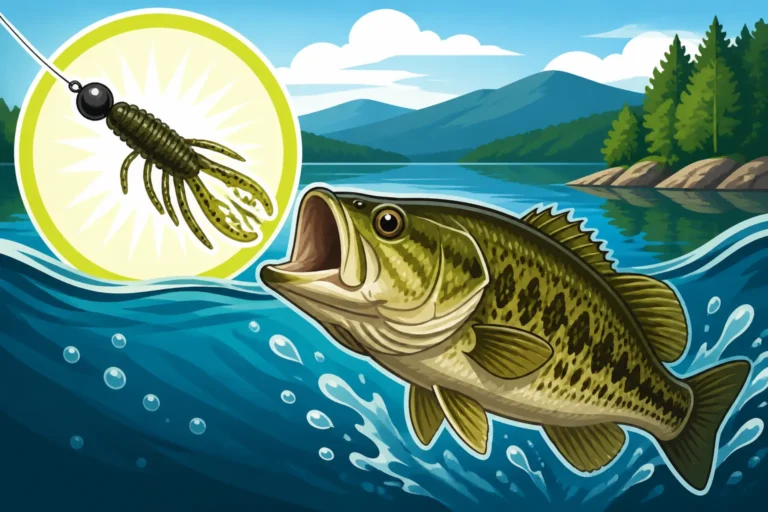
- Tubes: These are arguably one of the most effective smallmouth lures for river systems. Rigged on an internal jig head, they mimic crayfish perfectly as they tumble and scoot along the bottom. Natural colors like greens, browns, and black are favorites. Cast upstream and let it drift naturally with the current, occasionally hopping it along the bottom. This technique allows it to cover various depths and current seams.
- Grubs: Single-tailed grubs on a small jig head are simple yet incredibly effective. They can be reeled steadily or bounced along the bottom. Pearl white, smoke, and chartreuse are great starting points.
- Swimbaits: Realistic swimbaits, either paddle-tail or boot-tail, rigged on a weighted hook or jig head, can be deadly when smallmouth are targeting baitfish. The natural swimming action is hard for hungry bass to resist.
- Creature Baits: Imitating crayfish or other bottom-dwelling creatures, these work well pitched into eddies, behind rocks, or into deeper pools. Rig them Texas-style or on a jig head.
The key with soft plastics is to match the weight of your jig head to the current. You want just enough weight to maintain bottom contact or achieve your desired depth without getting swept away too quickly. Stocking up on a variety of soft plastic shapes and colors is easy to do from online retailers such as Amazon. Best Bait for Smallmouth Bass in Virginia delves into what these fish prefer.
Topwater Lures: Explosive Surface Action
There's nothing quite like a smallmouth exploding on a topwater lure, especially during low light conditions or when they're actively feeding on the surface. Poppers, walk-the-dog baits, and prop baits are excellent choices for the Shenandoah.
- Poppers: These lures create a "pop" and splash, imitating a struggling baitfish or insect. Cast them near cover, allow the ripples to dissipate, then give them a twitch. White, chartreuse, and black are common colors.
- Walk-the-Dog Baits: These slender lures are worked with a rhythmic rod tip action, making them glide side to side across the surface. This "walking" action drives smallmouth wild.
- Prop Baits: Featuring one or two small propellers, these create a gurgling, splashing retrieve that can draw fish from surprising distances.
Topwater action is often best in the mornings, evenings, or on overcast days. Focus your casts around eddies, submerged rocks, and undercut banks. Remember that patience is often key with topwater – sometimes letting the lure sit motionless for a few seconds after the cast can trigger a strike.
Jigs: Bottom-Bouncing for Bigger Bass
Jigs are a cornerstone of any serious smallmouth angler's arsenal, especially when targeting bigger fish or when the bite is tough. Football jigs, finesse jigs, and hair jigs are all highly effective.
- Football Jigs: Named for their football-shaped head, these jigs are designed to crawl and bounce over rocky bottoms without snagging as much. Tip them with a soft plastic trailer that mimics crayfish or a minnow.
- Finesse Jigs: Lighter and smaller, finesse jigs are excellent for clearer water or when fish are pressured. A small skirted jig with a subtle plastic trailer can be deadly.
- Hair Jigs: Often overlooked, hair jigs (typically bucktail) are fantastic for smallmouth, particularly in colder water. They have a natural, undulating action that's incredibly appealing. Black, white, and brown are classic colors.
The retrieve for jigs usually involves bouncing or dragging them along the bottom, allowing them to imitate a crayfish scurrying away or a baitfish rooting around. The Shenandoah's rocky bottom is prime jig country. Experiment with different weights to match the current and ensure you're maintaining good bottom contact. Best Techniques for Smallmouth Bass in Current often involve precise jig presentations.
Here's a quick comparison of popular lure types for Shenandoah smallmouth:
| Lure Type | Best Conditions | Primary Depth | Retrieve Style | Imitates | Notes |
|---|---|---|---|---|---|
| Crankbaits | Covering water, varied current | Shallow to Medium | Steady retrieve with pauses, deflection | Baitfish, Crayfish | Match dive depth to water depth; hard deflections trigger strikes. |
| Spinnerbaits | Varied clarity, current, low light | Shallow to Medium | Steady retrieve, slow roll, "waking" | Baitfish, Crayfish | Flash and vibration effective in stained water. |
| Soft Plastics | Finesse situations, bottom contact, clear water | All depths | Hopping, dragging, swimming | Crayfish, Hellgrammites, Baitfish | Highly versatile; match jig head weight to current. |
| Topwater Lures | Low light, calm water, active fish | Surface | Popping, walking, gurgling | Insects, Struggling baitfish | Explosive strikes; best in morning/evening or overcast conditions. |
| Jigs (Skirted/Hair) | Deeper water, rocky bottoms, sluggish fish | Bottom | Bouncing, dragging, slow retrieve | Crayfish, Baitfish | Excellent for larger smallmouth; good for feeling structure. |
Matching Lures to Shenandoah River Conditions
The Shenandoah is a dynamic river, and what works one day might not work the next. Successful smallmouth fishing means being adaptable and knowing how to adjust your lure selection based on the specific conditions you encounter.
Lure Selection for Different Water Depths and Current Speeds
Think of the river as having different "zones." Fast, shallow riffles and rapids often call for lures that can be worked quickly through the current without hanging up. Small spinnerbaits, shallow-diving crankbaits, or even topwater lures (if the water isn't too turbulent) can be effective here. When the current is ripping, fish will often hold in the slower water behind structure like large boulders or fallen trees. Pitch a tube or a jig into these seams, allowing it to settle in the slack water where bass are waiting.
In deeper pools or slower stretches, you can deploy medium-diving crankbaits, heavier jigs, or soft plastics rigged with enough weight to get to the bottom. The key is to select a lure that reaches the fish's holding depth while still maintaining its intended action. Don't be afraid to experiment with retrieve speed too – sometimes a faster retrieve through deep water will draw a strike, while other times a slow, methodical bottom-bounce is what they're looking for. Best Smallmouth Bass Spots on the Shenandoah River, Virginia often highlight areas with varying depths and currents.
Adapting Lure Colors to Water Clarity and Light
Lure color is often overthought, but it certainly plays a role. As a general rule, in clear water conditions, more natural and subtle colors tend to be best. Think browns, greens, smoke, watermelon, or natural baitfish patterns for crankbaits and soft plastics. Silver or gold blades on spinnerbaits can also be effective. You want to imitate what the bass are naturally feeding on and avoid anything too gaudy that might spook them.
When the water is stained or murky, or during low light conditions (dawn, dusk, heavily overcast days), brighter or darker colors can be more productive. Chartreuse, bright orange, white, and black can provide a stronger silhouette or more visible contrast. Black lures, for example, create a distinct silhouette against a lighter sky, making them easier for fish to see from below. Conversely, in bright sunlight and clear water, a baitfish pattern with a lot of flash might work wonders by reflecting light and grabbing attention. How to Catch Bass in Muddy Water After Rain offers further insights on color adaptation.
Advanced Tips for Shenandoah River Anglers
Beyond just picking the right lure, how you present it, and how prepared you are with your gear, can make all the difference on the Shenandoah. Smallmouth are smart, and a subtle change in your technique can often unlock a tough bite.
Mastering Lure Presentation and Retrieve
Presentation is paramount. When fishing in current, always try to cast upstream and allow your lure to drift naturally downstream, controlling the slack in your line. This "natural drift" technique, especially with tubes and jigs, often fools wary smallmouth. For crankbaits and spinnerbaits, casting across or slightly upstream and retrieving allows the current to assist in the lure's action. Think about where the current seams are – those subtle lines where fast water meets slow water – and target your casts precisely. Bass love to sit on the slow side of these seams, waiting for food to wash by.
Varying your retrieve is also crucial. Don't just reel in at a constant speed. Incorporate pauses, erratic jerks, or speed bursts. When a crankbait hits a rock, let it pause for a split second before continuing; this often triggers an immediate strike. For soft plastics, learn to "feel" the bottom and distinguish between a rock, a log, or a bite. It takes practice, but it's essential for consistent success. If you're using braided line, a fluorocarbon leader can offer both increased abrasion resistance against rocks and better stealth in clear water.
Essential Gear for Successful Smallmouth Fishing
Having the right gear makes your day on the Shenandoah much more enjoyable and productive. A medium-light to medium power spinning rod, around 6'6" to 7' long, with a fast action tip is ideal. This setup provides the sensitivity to feel subtle bites and the backbone to fight a strong smallmouth in current. Pair it with a reliable spinning reel spooled with 8-10 lb test monofilament or fluorocarbon, or 10-15 lb braided line with a fluorocarbon leader.
Beyond your rod and reel, a good pair of polarized sunglasses is a game-changer. They cut glare, allowing you to see submerged rocks, structure, and even fish. Pliers for hook removal, a small tackle box with a variety of lures (as discussed above), extra line, and a small net are also highly recommended. If you plan on wading, invest in sturdy wading boots with good grip. The Shenandoah's bottom can be slippery, and safety is always paramount. Consider a good quality vest or backpack to keep your essentials organized and easily accessible. Many of these essential fishing accessories, from line nippers to tackle organizers, can be conveniently purchased through Amazon.
The Shenandoah River truly offers some incredible smallmouth bass fishing, but it demands respect for its unique environment. By understanding smallmouth behavior, selecting the right lures for the conditions, and honing your presentation, you'll be well on your way to experiencing those thrilling bronzeback battles. Don't be afraid to experiment, stay observant, and enjoy every moment on the water.
Disclaimer
This article is for general informational purposes only and does not constitute professional advice. Laws, prices and regulations vary by location and change over time. Consult a qualified professional for guidance on your specific situation.