Best Techniques for Fishing During a Full Moon
For many anglers, the thought of fishing during a full moon brings a mix of excitement and trepidation. You've probably heard all sorts of old wives' tales – that fish bite like crazy, or that they disappear entirely because the moonlight makes them skittish. The truth is, a full moon definitely impacts fish behavior, creating unique challenges and incredible opportunities for those who understand how to adapt. This guide will dive deep into the specific techniques and considerations that can make your full moon fishing trips in Virginia exceptionally rewarding.
Understanding the Full Moon's Influence on Fish Behavior
The moon, in all its phases, exerts a powerful pull on our planet, and fish, being intimately connected to their aquatic environment, certainly feel its effects. A full moon intensifies these influences, often leading to noticeable shifts in where fish are, when they feed, and what they're willing to bite. It's not just about how bright the sky is; it's about the bigger picture of lunar forces at play.
Tides and Lunar Gravity in Saltwater
If you're saltwater fishing in Virginia, especially along the vast expanse of the Chesapeake Bay or out towards the ocean from Virginia Beach, the full moon is a game-changer for tides. The gravitational pull of the moon and sun align during full and new moons, creating what we call "spring tides" (no, not the season, but stronger tides!). This means higher high tides and lower low tides, leading to more dramatic water movement and stronger currents.
Think about it: these powerful currents stir up the bottom, dislodging baitfish, crabs, and other delicious morsels from their hiding spots. This suddenly available smorgasbord can trigger aggressive feeding behavior in predatory fish like striped bass (our beloved "rockfish"), flounder, and red drum. The stronger currents also concentrate baitfish into tighter schools, making them easier targets for hungry predators. Anglers need to pay close attention to the tide charts, timing their efforts around the peak of the incoming and outgoing tides when the current is strongest. This is when the buffet opens! You'll want to adjust your weights and presentations to ensure your bait stays in the strike zone amidst the increased flow. Mastering these currents is key to success on the Chesapeake Bay Striped Bass Fishing Guide circuit.
Nocturnal Feeding Frenzies in Freshwater
While saltwater anglers are focused on tides, freshwater enthusiasts in Virginia's lakes and rivers observe a different kind of lunar influence. On a clear night, a full moon illuminates the water surface significantly, often mimicking dusk conditions for extended periods. This increased ambient light can make nocturnal feeders incredibly active. Species that might shy away from the sun's glare during the day, such as largemouth bass, smallmouth bass, and especially catfish, often become bolder and more aggressive under the moonlight.
Imagine a pristine lake like Smith Mountain Lake or Lake Anna on a calm, moonlit night. The surface shimmers, providing enough light for fish to hunt effectively. This is when bass might cruise the shallow flats, looking for unsuspecting baitfish, or catfish might move out of deep holes to forage along the banks. It's a prime opportunity for anglers who typically fish during the day to experience an entirely different kind of bite. The added visibility for the fish can sometimes make them pickier, but it also extends their prime feeding window, offering longer periods of action. Understanding Night Fishing Techniques is crucial here.
Essential Gear and Preparations for Full Moon Fishing in Virginia
Venturing out after dark, even under the glow of a full moon, requires more than just your usual daytime setup. Safety, visibility, and adapting your tackle are paramount to a successful and enjoyable trip. Don't let the romance of the moonlight distract you from practical preparations!
Lighting and Visibility
First and foremost, you need reliable lighting. While the full moon provides a surprising amount of light, it's never enough for knot tying, baiting hooks, or navigating safely. A quality headlamp with both a white and a red light option is absolutely essential. The red light helps preserve your night vision and is less likely to spook fish. For boat anglers, ensure all navigation lights are in perfect working order.
When on the water, be mindful of your light usage. Constant bright white light can indeed scare fish away, especially in shallower waters. Use your headlamp sparingly and strategically. Consider soft, diffused lighting within your boat or near your fishing area, like a small, battery-powered lantern, if you're targeting crappie under lights (a classic nighttime technique in Virginia lakes). Safety vests, reflective tape on gear, and bright clothing are also excellent ideas, making you more visible to other boaters or anyone on shore. You can find excellent headlamps and other safety gear on Amazon.
Lure and Bait Choices for Low Light
The full moon, while providing some light, still creates a low-light environment where fish rely more heavily on senses other than sight. This means your lure and bait choices need to reflect that.
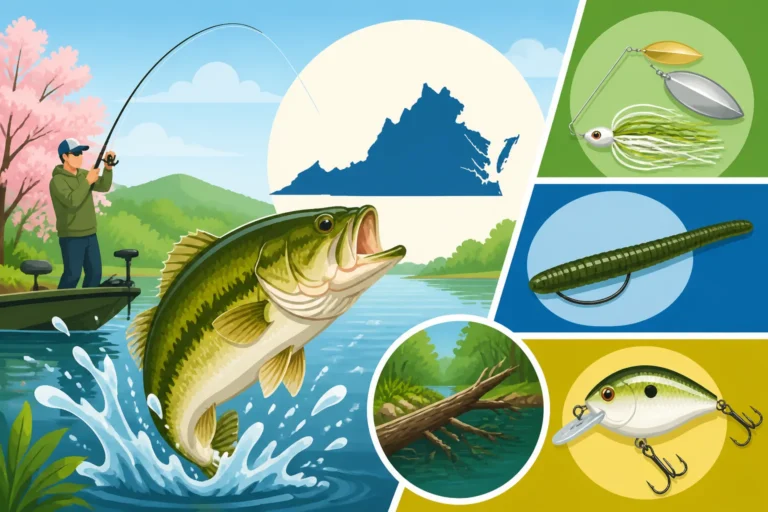
For bass, consider topwater lures with a strong "walking" action or a noisy "chugging" retrieve. Buzzbaits and poppers are excellent choices, as their commotion on the surface alerts fish to their presence. Darker colors, like black or dark blue, often create a better silhouette against the moonlit sky from below, making them easier for fish to ambush. In deeper water, try slow-rolling a large spinnerbait with big thumping blades, or work a dark-colored plastic worm or jig and pig along the bottom. The key is vibration and sound.
When targeting catfish, the full moon often means they're on the prowl. Heavy scents are your best friend. Use stink baits, cut bait (like shad or mullet), or even chicken livers. Present these on the bottom using a slip-sinker rig, allowing the scent to disperse with the current. For crappie, small jigs tipped with minnows or scented plastics worked under submersible lights can be incredibly effective. The lights attract plankton, which attracts baitfish, which in turn attracts crappie. Many anglers swear by glow-in-the-dark jigs for that extra visual appeal in dark waters. For more ideas on effective baits, check out Best Bait for Largemouth Bass in Virginia or Best Bait for Catfish in Summer.
Safety First: Navigating the Night Waters
Fishing at night, even with the aid of a full moon, carries inherent risks that daytime fishing doesn't. Your safety should always be your top priority.
Before you even leave, always tell someone where you're going and when you expect to return. This is non-negotiable. If you're on a boat, ensure all your safety equipment is onboard and easily accessible: life vests for everyone, a whistle or horn, a first-aid kit, a fully charged cell phone (in a waterproof case!), and spare batteries for all your lights. Navigating unfamiliar waters in the dark is extremely dangerous, so stick to areas you know well during the day. Go slow, be vigilant, and pay extra attention to navigational markers, buoys, and any potential hazards that might be invisible in the dim light. Even a well-known spot can look completely different under the moon's glow. For any boating supplies or safety gear, Amazon has a wide selection that can be delivered right to your door before your trip.
Top Techniques for Virginia Species Under a Full Moon
Now that we've covered the basics of lunar influence and preparation, let's get into the nitty-gritty of how to actually catch fish during a full moon, focusing on some of Virginia's most popular species. Remember, it's all about adapting your approach.
Bass Fishing Under the Moonlight
Bass are a favorite target for many Virginia anglers, and a full moon can ignite their nocturnal hunting instincts. Instead of hunkering down in deep cover, they might become more active in shallower areas.
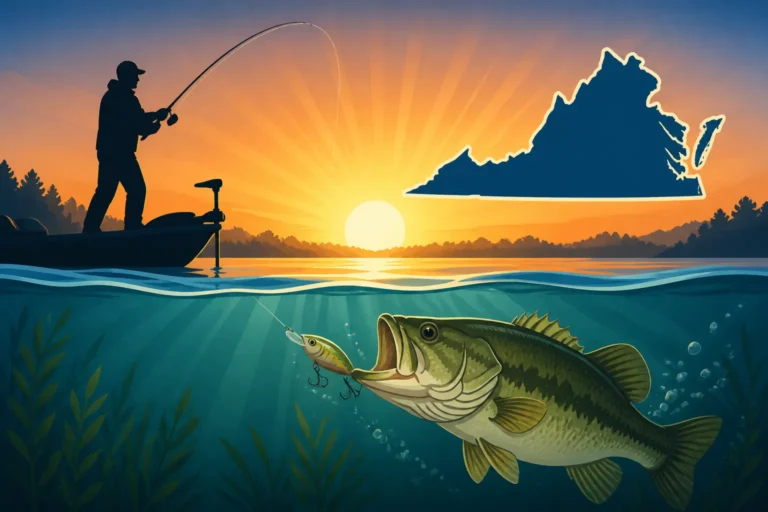
When the moon is high and bright, try throwing topwater lures in areas with sparse cover, like grass lines, lily pad edges, or along docks on lakes such as Lake Anna or Kerr Lake. The silhouetted presentation of a frog or a walking bait can be irresistible. Work these lures slowly and deliberately, letting them sit for a moment after each twitch, mimicking an injured baitfish. The extra moonlight gives the bass just enough visual to track the disturbance. As the moon begins to set, or if there's cloud cover, switch to something with more vibration. A slow-rolled spinnerbait with a large single blade or a dark-colored ChatterBait can be highly effective, especially near channel swings or points. Don't forget the power of a large, dark soft plastic worm or jig pitched into heavy cover; the thump and subtle movement can draw strikes from wary fish. For more specific guidance, check out How to Catch Bass at Night in Summer.
Catfish and Crappie: Nighttime Bites
These two species are often synonymous with night fishing, and the full moon can make them even more cooperative.
Catfish: The full moon is prime time for big catfish in Virginia's rivers like the James or the Rappahannock, and our larger reservoirs. They use the low light to their advantage, cruising shallower flats and channel edges. Bottom fishing is the most common technique. Use a heavy-duty rod and reel, 20-pound test line or heavier, and a robust circle hook (sizes 4/0 to 8/0 are common). Bait with fresh cut bait (shad, herring, bluegill), chicken livers, or strong-smelling prepared baits. Cast your offering to the deeper edges of flats, submerged creek channels, or near significant cover like log jams. Let the scent do the work. Remember, patience is a virtue when catfishing. You can often have multiple rods out, strategically placed along a productive bank. If you're serious about your whiskerfish, be sure to read up on Catfish Species Found in Virginia Waters.
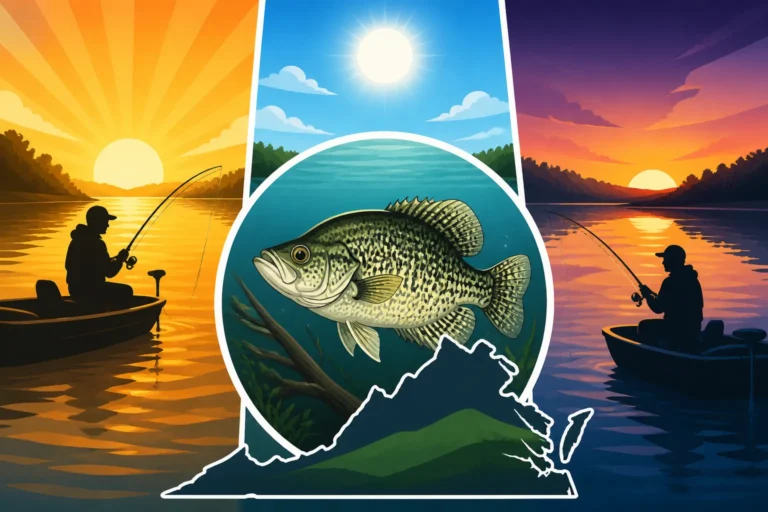
Crappie: For crappie anglers, the full moon often means breaking out the lights. Crappie are attracted to light, which in turn attracts the plankton and baitfish they feed on. Anchoring over brush piles, submerged timber, or bridge pilings and deploying submersible lights or lights hung over the side of the boat can create a localized feeding zone. Use small jigs (1/16 to 1/8 ounce) tipped with minnows or small plastic bodies. Vertically jig these baits at different depths until you find where the crappie are holding. The subtle glow of glow-in-the-dark jigs can also be very effective. This technique works wonders on many of Virginia's Best Crappie Fishing Lakes in Virginia.
Saltwater Strategies for Full Moon Tides
Saltwater fish, especially those influenced by tides, can become very active during a full moon. The strong currents in the Chesapeake Bay or near the inlets often create feeding opportunities.
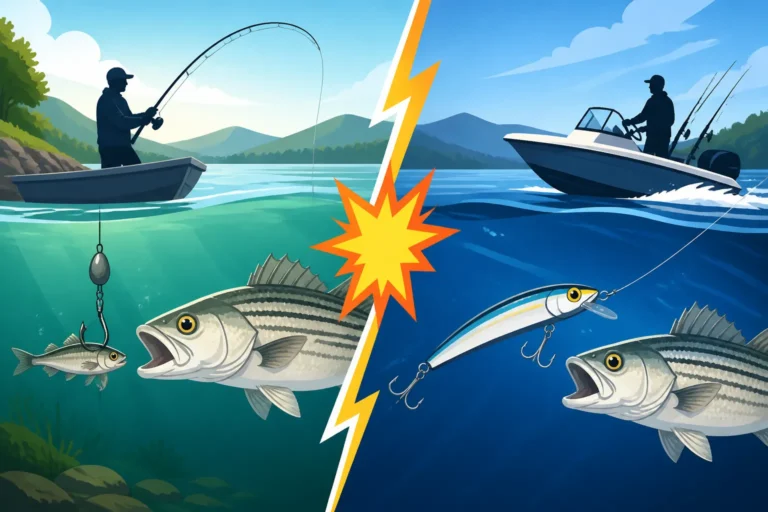
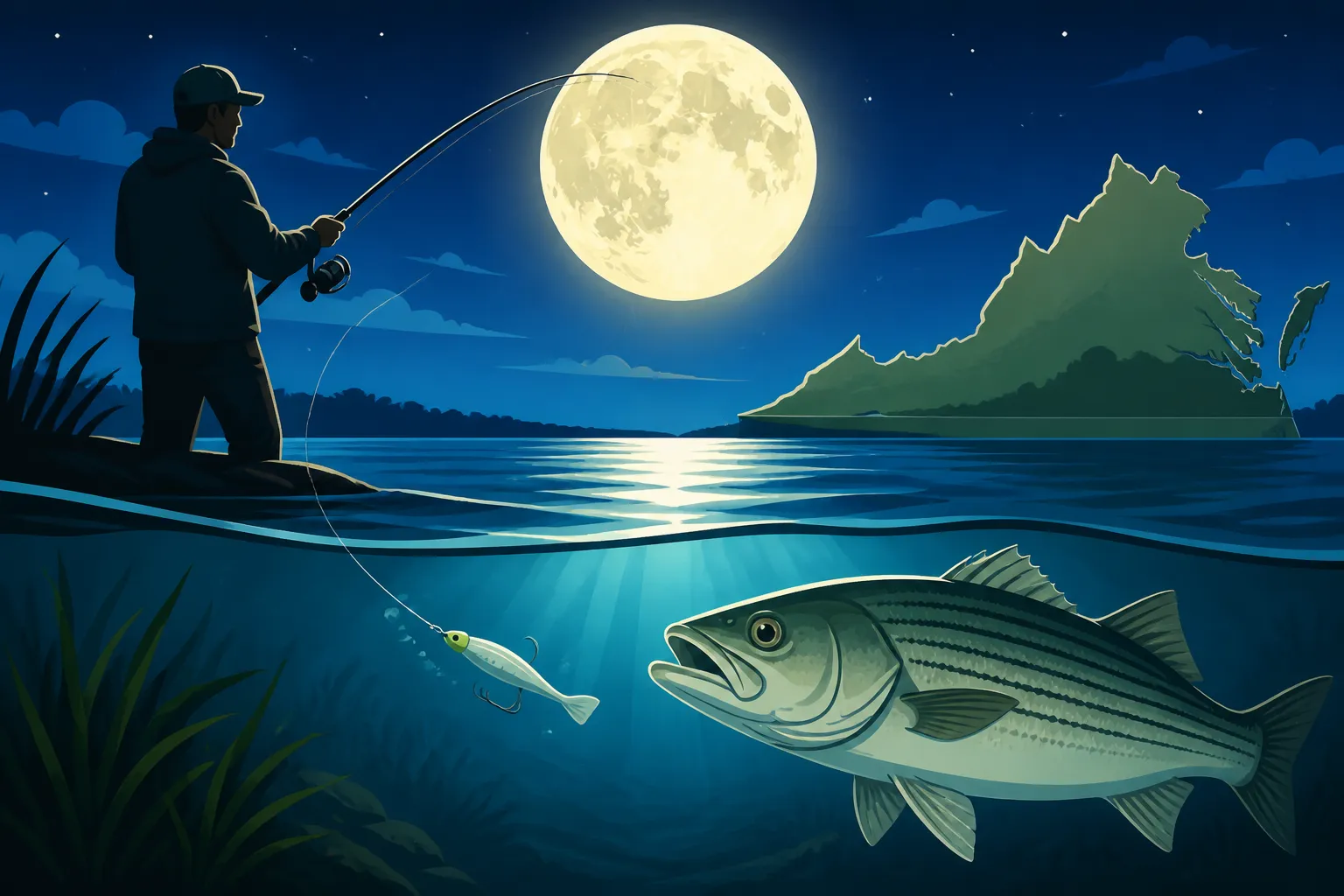
Striped Bass (Rockfish): These powerful fish are notorious for their full moon feeding binges. They'll often ambush baitfish pushed by the strong currents. Trolling large swimbaits, mojos, or umbrella rigs in dark colors (like black or dark purple) can be incredibly effective, especially in channels or near structure like bridge pilings. If you're casting from shore or a jetty, use large subsurface lures that mimic baitfish or even live eels if available. The increased current often positions fish predictably, so look for current breaks, points, or mouths of creeks where bait might be flushed out. Check the Virginia Striped Bass Season and Slot Limit Guide to ensure you're compliant with current regulations.
Flounder: While not as aggressively nocturnal as stripers, flounder are still influenced by the increased tidal movement. Stronger currents can dislodge their prey, making them more active feeders. Focus on fishing deeper channels, inlets, and areas with strong current flow where flounder ambush their meals. Using a traditional flounder rig with a live minnow, Gulp! artificial bait, or a strip of cut bait can be productive. The key is to keep your bait on the bottom where they lie in wait, adjusting sinker weight for the current.
Common Misconceptions and Pro Tips for Full Moon Success
There are a lot of myths swirling around fishing during a full moon. Let's bust a few and give you some real pro tips to make the most of it.
It's Not Always a "Bust"
One of the biggest misconceptions is that a full moon automatically means bad fishing. While it's true that some fish might be less active during the day if they've been feeding all night, it certainly doesn't mean they've stopped eating entirely. It simply means their patterns shift. Instead of assuming the bite is off, understand that you need to adjust your approach.
Think of it this way: if a fish has been gorging under the bright moonlight, they might be lethargic during the bright midday sun. However, they'll likely resume feeding during the twilight hours or periods of lower light, or during the most intense tidal movements in saltwater. The full moon isn't a "fishing killer"; it's a "pattern changer." Anglers who understand this and adapt their techniques, focusing on the prime nocturnal windows or specific tidal movements, often find incredible success. It just requires a little more thought and planning than your average Saturday afternoon trip. Remember, fish always need to eat eventually!
Timing is Everything
This is perhaps the most crucial tip for full moon fishing. Don't just show up and expect magic. Pay close attention to major and minor feeding times, which are often listed on solunar tables or moon phase apps. These times are based on the moon's position in relation to the earth and are thought to correlate with periods of increased fish activity.
Beyond that, consider the specific environmental factors. In saltwater, the peak of the incoming and outgoing tides during a spring tide cycle is critical. In freshwater, the hours immediately following moonrise and preceding moonset can be highly productive, as can the actual moonset itself, when the light transitions. Similarly, the dawn bite following a full moon night can be explosive, as fish might be making a final push before the bright sun appears, or moving into deeper cover. Even on the brightest nights, the first and last hours of the moon's presence above the horizon can be prime feeding windows. Understanding how Water Temperature and Fish Feeding Patterns combine with lunar cycles can further refine your timing.
Adaptability is Your Best Friend
No two full moon fishing trips are exactly alike. The conditions—cloud cover, water clarity, wind, temperature—will always vary, and so will the fish's response. Your ability to adapt on the fly will be your greatest asset.
Start with your best guess based on the moon phase and local conditions, but don't be afraid to experiment. If topwater isn't working for bass, try a jig or a worm. If the catfish aren't hitting cut bait, switch to chicken livers. Change your depth, retrieve speed, or even move to a different location if your initial spot isn't producing. The fish might be shallower than you think, or deeper. They might want a slower presentation, or something more erratic. Don't get stuck in a rut; the full moon often rewards the angler who is willing to try new things and read the conditions as they unfold. Keep a mental log of what worked and what didn't; this knowledge will build over time and make your future full moon outings even more successful.
| Species Targeted | Best Time (Full Moon) | Key Lure/Bait | Primary Technique | Important Considerations |
|---|---|---|---|---|
| Largemouth Bass | Moonrise/Moonset, Night | Topwater, Dark Jigs/Worms | Casting into cover, Slow retrieve | Silence, minimal light, focus on shadows |
| Catfish | Night (all hours) | Cut Bait, Stink Bait | Bottom Fishing, Multiple Rods | Strong scent, heavy gear, patience |
| Striped Bass | Peak Tides (Saltwater) | Large Swimbait, Live Bait | Trolling, Live Lining | Strong currents, current breaks |
| Crappie | Night (under lights) | Small Jigs, Minnows | Vertical Jigging, Bobber Fishing | Attract bait with lights, find schools |
| Flounder | Stronger Tides (Saltwater) | Minnows, Gulp! | Bottom Rigging, Drifting | Keep bait on bottom, target channels |
Disclaimer
This article is for general informational purposes only and does not constitute professional advice. Laws, prices and regulations vary by location and change over time. Consult a qualified professional for guidance on your specific situation.