Best Time of Day to Catch Bass in Summer
Oh, the Virginia summer! It’s a beautiful time to be out on the water, but let's be honest, trying to catch bass when the sun is blazing down can feel like an exercise in futility. Many anglers find themselves battling the heat more than the fish, wondering why their usual spots are dead. This guide is all about cracking the code of summer bass fishing, focusing specifically on the best times of day to cast your line and significantly increase your chances of landing that lunker.
Understanding Summer Bass Behavior in Virginia
Summer in Virginia brings a unique set of challenges and opportunities for bass anglers. The heat and relentless sun don't just affect us; they drastically change how and where bass behave. Understanding these shifts is the first step to a successful summer fishing trip.
Why Summer is Tricky for Bass Anglers
As water temperatures climb throughout the late spring and into the dog days of summer, largemouth and smallmouth bass, like most other fish, undergo a metabolic shift. They become less active during the hottest parts of the day because their oxygen levels in warmer water decrease, and their feeding metabolism slows down. Imagine trying to run a marathon in a sauna – you’d want to conserve energy, right? Bass feel much the same way. The open, shallow flats that were so productive during the spring spawn become barren playgrounds under the oppressive midday sun. This is why many anglers get frustrated; they're fishing where the bass were, not where they are now.
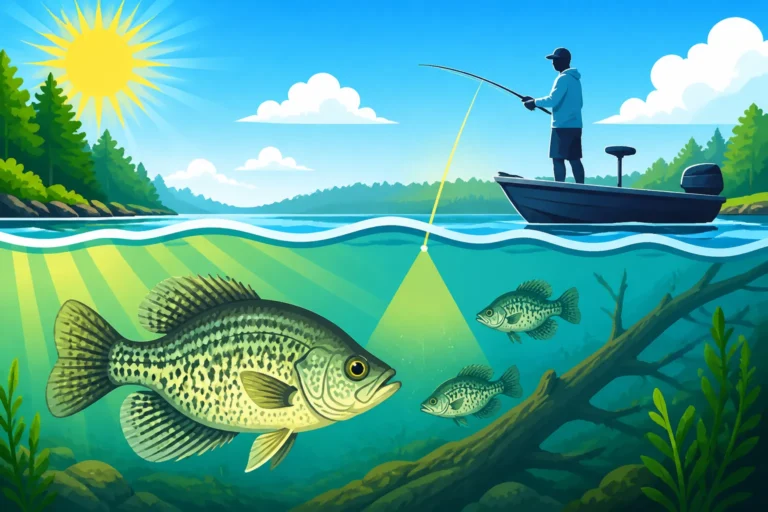
The clarity of the water also plays a role. Virginia's lakes and rivers can get quite clear in summer, and intense sunlight penetrates deeper, making bass more wary of predators, including us. They seek refuge from the bright light, which often means moving into darker, cooler, and more oxygen-rich environments. This adaptation is crucial to their survival and, therefore, crucial to our understanding if we want to catch them consistently. For a deeper dive into how environmental factors influence fish, check out our piece on Water Temperature and Fish Feeding Patterns.
Where Bass Hide When the Sun is High
So, if they're not lounging in the sunny shallows, where do these clever bass go? They become masters of concealment, seeking out specific types of cover and structure that offer cooler temperatures, shade, and often, ambush points for unsuspecting prey.
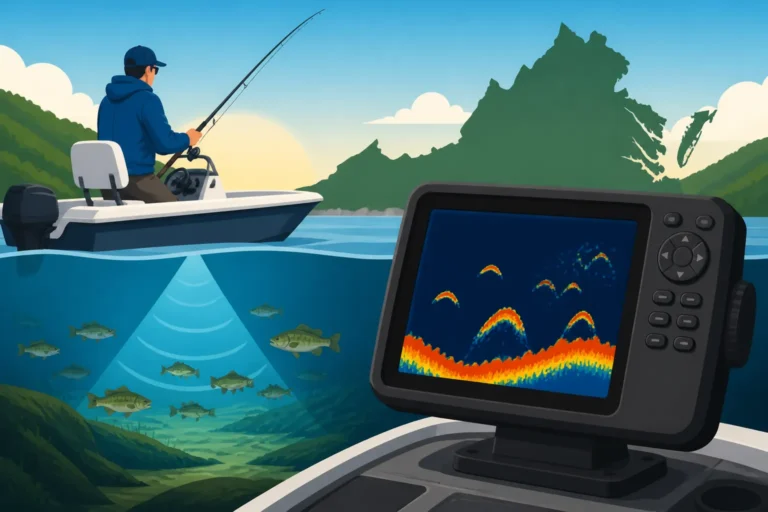
One of the primary retreats for summer bass is deep water. In larger lakes like Smith Mountain Lake or Lake Anna, bass will often move to the thermocline – a layer of water where the temperature rapidly changes and typically offers more stable, cooler conditions with adequate oxygen. This could mean depths of 15 to 30 feet, often relating to submerged points, humps, or creek channels. Understanding how to find these spots, sometimes with the help of a good fish finder, is key to success.
Heavy cover is another prime hiding spot. Think dense mats of hydrilla, lily pads, or thick cattail beds along the shorelines. This vegetation provides both shade and a cooler microclimate beneath the surface, trapping cooler water and providing excellent camouflage. Bass will bury themselves deep within these mats, waiting for prey to swim by. Fallen trees, brush piles, and even man-made structures like docks and bridges offer invaluable shade throughout the day. These spots can concentrate bass, making them high-percentage targets, even if getting your lure to them requires precision. Our comprehensive guide on Summer Bass Fishing Patterns offers even more insights into these seasonal shifts.
The Golden Hours for Summer Bass Fishing
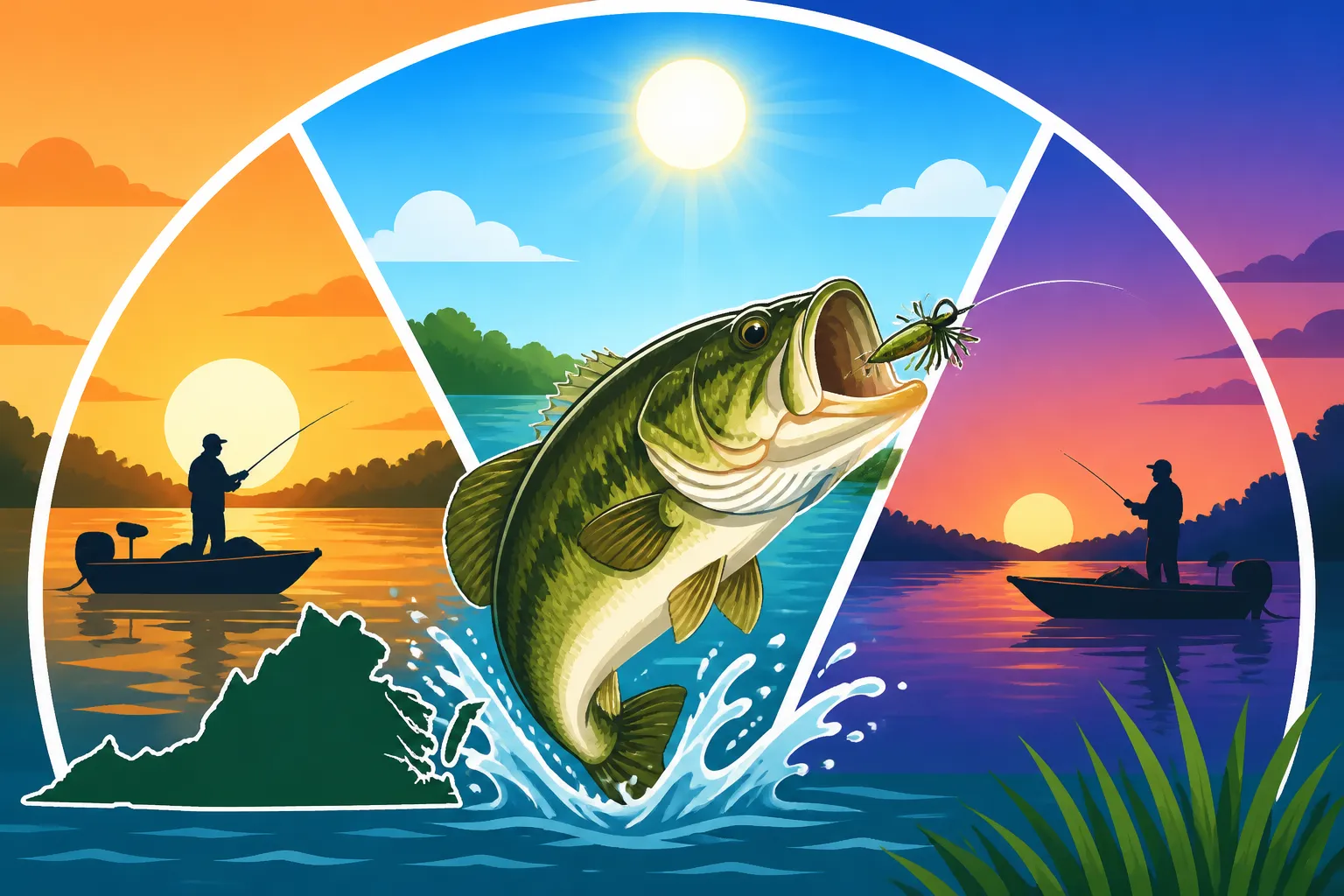
While midday can be challenging, summer actually offers incredible opportunities during specific windows of the day. These "golden hours" are when bass are most likely to be actively feeding, making your efforts much more rewarding.
Dawn Patrol: Early Morning Success
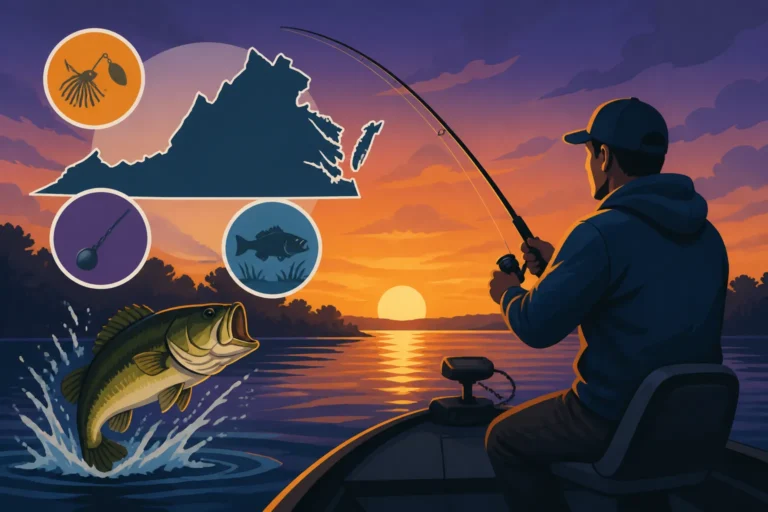
There's nothing quite like the tranquility of a Virginia lake at dawn. The air is still cool, often with a mist rising off the water, and the rising sun paints the sky with incredible colors. More importantly for us anglers, this is arguably the absolute best time of day to catch bass in summer.
Why? Several reasons converge to create this perfect storm of activity. First, the water temperatures are at their coolest point of the 24-hour cycle, making bass feel much more comfortable and active. Second, the low light conditions from pre-dawn to an hour or two after sunrise are ideal. Bass, being ambush predators, have excellent low-light vision, giving them an advantage over their prey. This reduced visibility also makes them less wary and more willing to venture into shallower water to feed. Third, baitfish are often most active during these periods, moving out of their nighttime hiding spots, creating a feeding frenzy that bass are eager to join.
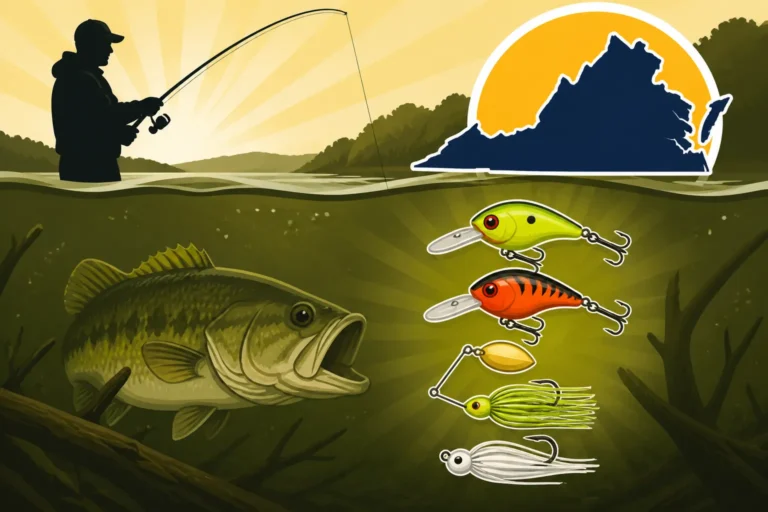
For early morning success, topwater lures are an absolute blast. Poppers, walk-the-dog baits like a Heddon Zara Spook, or buzzing frogs fished over lily pads can trigger explosive strikes that will get your heart pumping. As the sun gets a little higher but before it truly dominates, transitioning to shallow-running crankbaits, spinnerbaits, or even a weightless Texas-rigged worm can be incredibly effective along weed lines, sparse cover, or boat docks. It's a short but incredibly productive window, so make the most of it.
Twilight Tactics: Evening Magic
Just as the sun dipping below the horizon signals the end of a hot day, it often signals the beginning of another fantastic bass fishing window. The late evening, from roughly an hour or two before sunset until complete darkness, mirrors many of the conditions that make dawn so productive, but with a different feel.
As the sun's intensity wanes, water temperatures begin to drop, albeit slowly. The key here is the diminishing light. Bass that were hunkered down in deep cover all day start to feel more confident and move out to feed in shallower areas, points, and flats adjacent to their deeper retreats. This is their opportunity to fill their bellies before the night truly sets in.
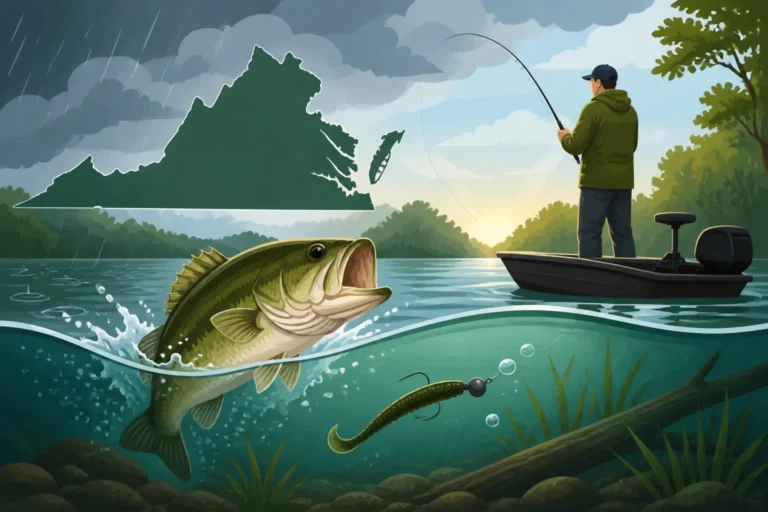
Lure choices for evening can be similar to early morning. Spinnerbaits are fantastic in low light, especially those with larger thumping blades that create a lot of vibration. Jig-and-trailer combinations worked along structural elements, or a good old plastic worm, like those you might find on Amazon, can entice strikes from bass that are actively hunting. Don't be afraid to experiment with topwater lures again, especially as the last rays of light fade; a gurgling popper or a subtle frog can still draw impressive blow-ups. This is also a great time to check out fishing a plastic worm for bass.
Night Fishing Adventures for Virginia Bass
If you truly want to beat the summer heat and experience some of the most exciting bass fishing Virginia has to offer, don't overlook the magic of night fishing. While it might sound intimidating, fishing after dark can be incredibly rewarding, especially for larger, more elusive bass.
The primary benefit of fishing at night is obvious: significantly cooler air and water temperatures. This makes the bass much more comfortable and active, often causing them to move into extremely shallow water that they wouldn't dare touch during the day. The complete darkness also changes their hunting strategy; they rely more heavily on their lateral line (which detects vibrations) and their keen sense of smell, rather than sight.
When fishing at night, focus on baits that create a lot of disturbance or have a strong scent. Large bladed spinnerbaits, noisy topwater lures (buzzbaits or prop baits), and dark-colored jigs or worms are excellent choices. Many anglers swear by black or dark blue lures at night, believing they cast a more defined silhouette against the moonlight or skyglow. Safety is paramount when night fishing; always let someone know where you're going, bring a headlamp (with a red light setting to preserve night vision), and be extra cautious navigating. For more detailed tips on staying safe and successful after dark, explore our guide on How to Catch Bass at Night in Summer.
Adapting Your Approach for Midday Summer Bass
Okay, so maybe you can't always hit the water at dawn or stay out until midnight. Life happens! But that doesn't mean your midday summer fishing trip has to be a bust. You just need to change your mindset and your tactics.
Deep Water Dominance: Finding Thermoclines and Structure
When the sun is high and bright, bass retreat to the coolest, deepest available water that still provides oxygen and food. This is where your electronics, like a good fish finder, become your best friend. Look for contour changes, submerged humps, ledges, and creek channels in the main lake or larger creek arms. The thermocline, typically found anywhere from 10 to 25 feet deep in many Virginia lakes, is a prime target zone.
Once you’ve identified deep structure or the thermocline, the key is to present your bait effectively. Techniques that excel in deep water include:
- Drop-shotting: A finesse technique where your weight is at the bottom and your hook (with a small soft plastic bait) is tied a foot or two above it. This allows for incredibly subtle presentations to finicky, deep-holding bass.
- Carolina Rig: Excellent for covering deep water and presenting a soft plastic worm or lizard behind a heavier weight. The weight drags along the bottom, kicking up sediment and attracting attention, while your bait floats enticingly above.
- Deep Crankbaits: These lures are designed to dive to specific depths, crashing into structure and deflecting off it, often triggering reaction strikes from bass. Match the crankbait's diving depth to the depth of the bass you're targeting.
- Jigs: Heavy football jigs or stand-up jigs fished along the bottom of deep ledges and points can be deadly. Tip them with a creature bait or a chunk trailer for added bulk and appeal.
Mastering these techniques requires patience and precision, but the rewards can be significant, especially when you pinpoint a school of deep-holding bass. To further hone your skills, consider our article on How to Catch Bass From a Boat in Deep Water.
Heavy Cover Havens: Flipping and Pitching
If deep water isn't an option, or if your favorite Virginia fishing spots are choked with vegetation, then turning your attention to heavy cover is the way to go during midday. Bass don't just go deep; they go into the thickest stuff they can find for shade, cooler water, and ambush opportunities.
This means targeting dense lily pad fields, thick hydrilla beds, matted grass, or fallen trees that create a dark canopy over the water. The challenge here is getting your lure into these almost impenetrable fortresses without getting snagged. This is where flipping and pitching techniques shine.
- Flipping: A short, accurate casting technique where you swing your lure into heavy cover with minimal splash. You use a heavy rod, strong line, and a weedless presentation.
- Pitching: Similar to flipping but involves a slightly longer cast, used for reaching cover that's a bit further away.
For baits, think heavy-duty and weedless. Jigs with stout weed guards, Texas-rigged soft plastics (worms, creature baits, or craws) with heavy tungsten weights, or even punching rigs (a very heavy weight and a compact soft plastic designed to "punch" through thick mats) are your go-to options. The idea is to drop your bait vertically into the small openings within the cover, letting it plummet to where the bass are hiding. Sometimes, the strike will happen on the fall, or as you gently hop the bait once it hits bottom. This is not finesse fishing; it's about power and precision, often resulting in fierce, close-quarters battles. You might find a great selection of these specialized lures and heavy lines on Amazon to beef up your tackle box for these tough conditions.
Best Times for Summer Bass Fishing: A Quick Reference
Here’s a quick overview to help you plan your Virginia summer bass fishing trips:
| Time of Day | Conditions | Bass Behavior | Recommended Techniques | Lure Examples |
|---|---|---|---|---|
| Dawn (Pre-sunrise to 9 AM) | Coolest water/air, low light, active baitfish | Very active, moving shallow to feed | Topwater, shallow crankbaits, spinnerbaits, weightless worms | Poppers, Zara Spooks, ChatterBaits, Senkos |
| Midday (9 AM – 4 PM) | Hottest water/air, bright sun | Inactive, holding deep or in heavy cover | Deep crankbaits, jigs, drop-shot, Carolina rig, flipping/punching | Football Jigs, Soft Plastics (worms, craws), Deep Diving Cranks |
| Dusk (4 PM – Sunset) | Water cooling, diminishing light, baitfish moving | Becoming active, moving shallow from cover | Spinnerbaits, jigs, plastic worms, frogs, buzzbaits | Blade Baits, Swim Jigs, Texas-rigged worms, Frogs |
| Night (Post-sunset to Dawn) | Coolest water/air, dark | Most active, aggressive, in very shallow water | Noisy topwater, large spinnerbaits, dark jigs/worms | Buzzbaits, Whopper Ploppers, large Black Jigs, worms |
Essential Gear and Considerations for Summer Bass Fishing
Beyond just knowing when and where to fish, having the right gear and keeping yourself safe are paramount for an enjoyable and successful summer bass season.
Hydration and Sun Protection
Let's talk about angler safety first. Summer in Virginia can be brutally hot, and staying hydrated is not just a suggestion; it's a necessity. Carry plenty of water, and consider electrolyte drinks. Dehydration can sneak up on you, impairing your judgment and making you miserable.
Sun protection is equally important. A wide-brimmed hat, sunglasses (polarized ones are a game-changer for seeing into the water), and long-sleeved, breathable fishing shirts are highly recommended. Don't forget high-SPF sunscreen for any exposed skin. Lobster-red skin and heatstroke are definitely not the trophies you want to take home! You can find a fantastic array of sun-protective clothing and hats on Amazon to keep you safe and comfortable all day long.
Lure and Bait Selection
While we've touched on specific lures for different times, a general rule for summer bass is to often go with slightly larger or more substantial presentations, especially when targeting fish in deep water or heavy cover. Bass are looking for a meal that's worth the effort.
- Colors: For low light (dawn/dusk/night), darker colors like black, blue, or junebug often create a better silhouette. In brighter conditions, natural baitfish patterns, greens, or browns can be very effective, especially for finesse presentations.
- Action: When bass are active, faster-moving baits like crankbaits or spinnerbaits work well. When they're sluggish (midday), slower presentations like jigs, Texas-rigged worms, or drop-shot baits might be more enticing. Our guide on Best Lures for Summer Bass Fishing provides even more suggestions.
Remember that bass fishing is often about adapting. What works one day or one hour might not work the next. Pay attention to what the fish are telling you, and don't be afraid to experiment. Virginia offers some incredible bass fishing, and with a little strategic planning around the time of day, your summer can be full of memorable catches!
Disclaimer
Please be aware that fishing regulations in Virginia can change. Always consult the latest Virginia Department of Wildlife Resources (DWR) guidelines for current license requirements, seasons, and creel limits before heading out on the water. This information is for general guidance only.