How Many Striped Bass Can You Keep in Virginia
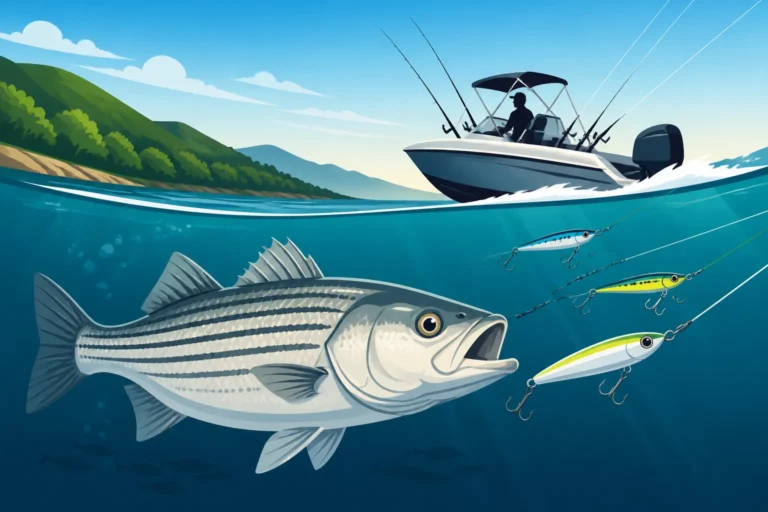
One of the biggest head-scratchers for anglers in Virginia, especially when it comes to a prized catch like striped bass, is figuring out just how many you can actually keep. The rules often feel like a moving target, changing with the seasons and even depending on where you're casting your line. It can be incredibly frustrating to hit the water, get a bite, and then have to second-guess if that beautiful rockfish is even legal to take home. This guide is here to untangle those complexities, breaking down the current regulations for striped bass across Virginia's diverse waters, so you can fish with confidence and stay on the right side of the law.
Understanding Virginia's Striped Bass Regulations
Virginia's striped bass regulations are designed to protect these incredible fish, often referred to locally as "rockfish," ensuring their populations remain healthy for future generations of anglers. These rules are rarely simple, which can be a real headache, but understanding the core principles can make navigating them much easier. We're talking about a combination of daily limits, strict size windows, and even specific seasons that can feel a bit like a bureaucratic maze.
The Statewide Daily Limit and Slot Size
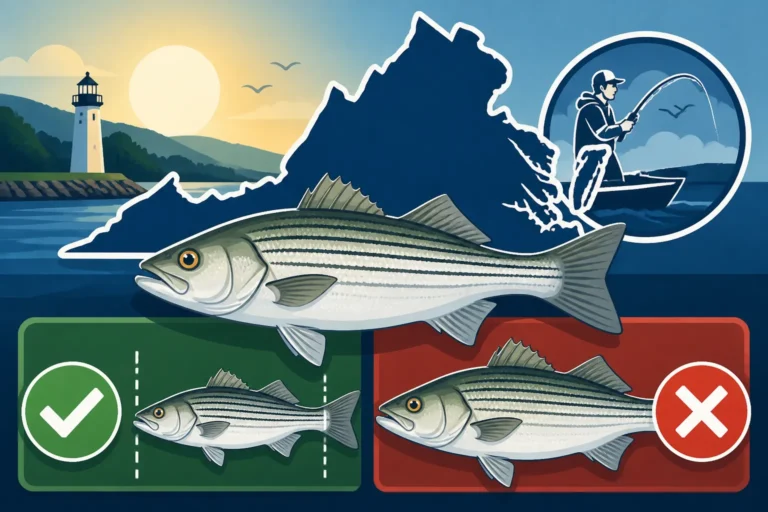
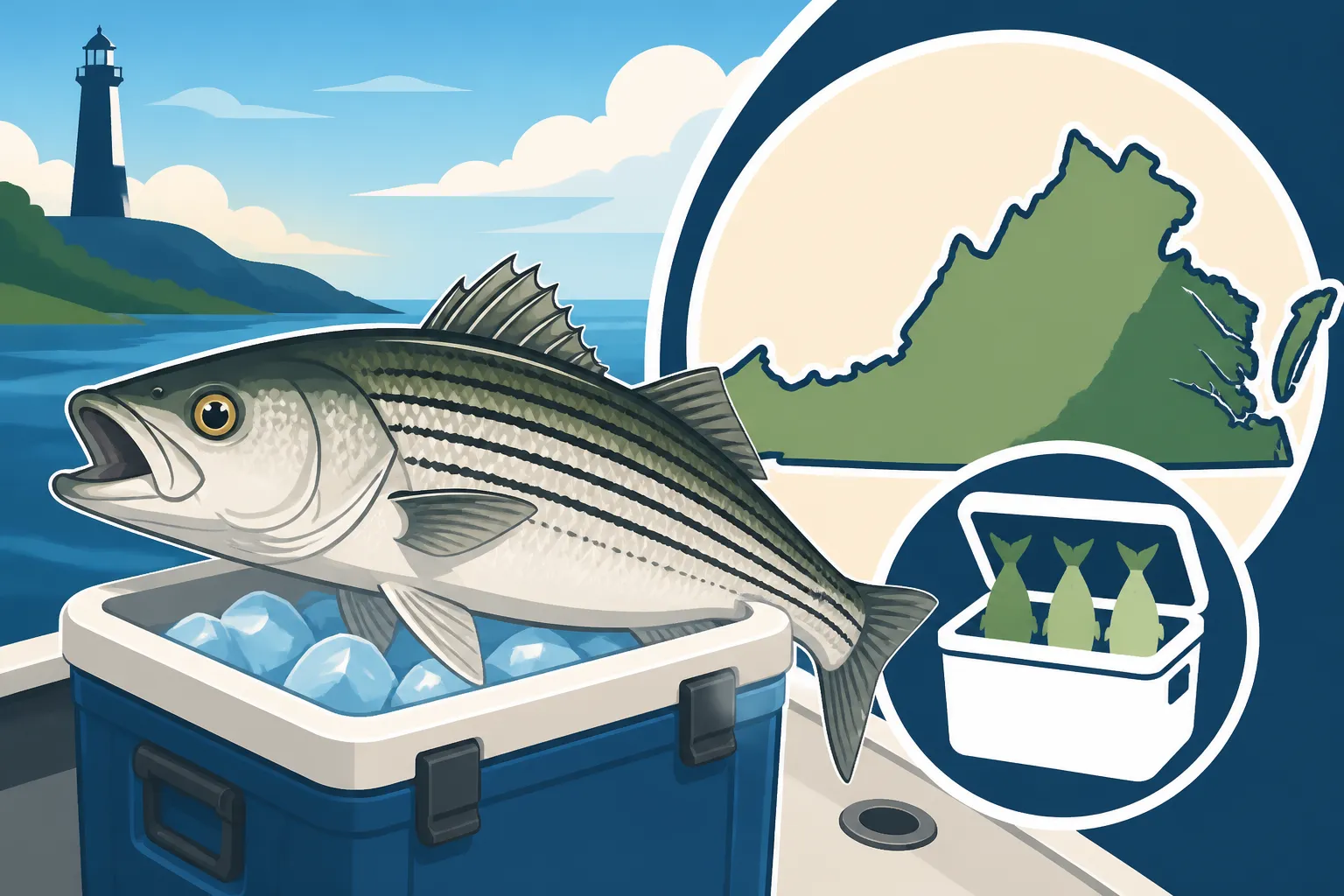
For most of Virginia's tidal waters, the rule for striped bass is pretty straightforward: you're generally allowed to keep one fish per person per day. Now, that's not too bad, right? But here's where it gets tricky – that one fish must fall within a very specific size range, known as a "slot limit." Currently, for most tidal waters including the Chesapeake Bay and its tributaries, that slot is 28 to 31 inches.
Think about that for a moment. You hook a magnificent striped bass that measures 27 inches, or perhaps a massive 32-inch trophy. Even though they're incredible fish, they must be immediately released because they fall outside that narrow 28 to 31-inch window. This can be genuinely disappointing, especially when you've fought a huge fish, but these regulations are in place for a crucial reason: protecting the breeding stock. Those smaller fish are still growing, and the larger ones are often the most prolific breeders, essential for the species' survival. It means you absolutely need a reliable measuring device on board, like a sturdy bump board, to ensure you're compliant. Don't eyeball it; a few inches can cost you a hefty fine. You can find excellent, durable bump boards on platforms like Amazon, making sure you're always ready to measure accurately.
Why the Rules Change: Conservation Efforts
It might feel like the Virginia Department of Wildlife Resources (DWR) and the Virginia Marine Resources Commission (VMRC) are constantly changing the rules just to keep us on our toes, but there’s a very important reason behind it all: conservation. Striped bass populations migrate extensively along the Atlantic coast, and their health is monitored by multiple state and federal agencies, most notably the Atlantic States Marine Fisheries Commission (ASMFC).
When scientific data indicates that the striped bass population is declining or facing stress, new regulations are implemented to reduce fishing pressure. This is a collaborative effort across multiple states to ensure a sustainable future for these iconic fish. So, while it's frustrating to see slot limits or season dates shift, it's a direct response to the ongoing health of the fishery. These changes are crucial for the long-term enjoyment of striped bass fishing, even if they present a short-term challenge to learn. It's a reminder that angling isn't just about catching fish, but also about being a steward of our natural resources. For a broader understanding of why these regulations are necessary, you might want to read our guide on Virginia Fishing Regulations Explained.
The Split Season in Virginia's Waters
Adding another layer of complexity to striped bass fishing in Virginia's tidal waters is the concept of a "split season." This means that the fishing season for striped bass isn't continuous; instead, it's broken into two distinct periods. Typically, you'll find an initial season in the colder months, often running from January 1 through March 31, followed by a second season later in the spring, which might open around May 16 and run through mid-June.
This split season strategy is another vital tool in the conservation arsenal. The timing is carefully chosen to minimize impact during critical periods for the striped bass, such as their spawning migrations. During the spring spawn, large numbers of fish gather in specific areas, making them particularly vulnerable. By closing the season during the peak of this activity, regulatory bodies aim to protect the maximum number of spawning fish, allowing them to reproduce successfully. It can be a bit of a juggling act to keep track of these dates, especially if you're planning a trip around the bay. Our detailed article on Virginia's Striped Bass Split Season Dates Explained offers more specifics on these critical windows. It's a prime example of why checking the latest rules before every outing is not just recommended, but absolutely essential.
Specific Rules for Different Waters and Seasons
Virginia is a state blessed with an incredible variety of fishing grounds, from vast freshwater lakes to the expansive Chesapeake Bay and the open Atlantic Ocean. Naturally, with such diverse environments, the rules for keeping striped bass can differ significantly. What applies to a tidal river often won't apply to an inland lake, and knowing these distinctions is crucial to avoiding a citation and ensuring you're fishing responsibly.
Chesapeake Bay and its Tributaries
The Chesapeake Bay and its vast network of tidal rivers—like the James River, York River, Rappahannock River, and the Virginia side of the Potomac River—are the heart of Virginia's striped bass fishery. These waters are often where the split season and the 28 to 31-inch slot limit apply most rigorously. Anglers here are generally permitted to keep one striped bass per person per day, provided it measures between the 28-inch minimum and the 31-inch maximum.
This strict adherence to the slot limit in the Bay and its tributaries is paramount because these are the primary spawning and nursery grounds for a significant portion of the Atlantic coast's striped bass population. The health of these fish in the Bay directly impacts the health of the species all along the East Coast. If you're planning a trip to target these fish, especially during the colder months or the late spring opening, you'll want to be intimately familiar with the exact dates and size limits enforced by the VMRC. Remember, these rules are subject to change, so always double-check the latest bulletin. Getting caught with an undersized or oversized fish here, even by accident, can lead to serious penalties. For more insights on the specific rules for these fish, our guide on Virginia Rockfish Slot Limit and Possession Rules can be incredibly helpful.
Atlantic Ocean and Coastal Waters
When you venture out into the Atlantic Ocean or fish the coastal waters just off places like Virginia Beach, the striped bass regulations can sometimes have subtle but important differences compared to the Bay. While the general principle of conservation remains the same, the VMRC and federal regulations for offshore fishing might have slightly different nuances.
Typically, the one-fish-per-person daily limit and the 28 to 31-inch slot limit will still be in effect. However, it's not unheard of for specific federal waters or zones further offshore to have their own set of rules, or for different size limits to be established if the VMRC determines it's necessary for that particular area. Anglers heading out on a charter from Virginia Beach, for example, need to ensure their captain is well-versed in the exact regulations that apply to their fishing grounds. The season dates might also vary slightly or be influenced by federal guidelines in addition to state ones. It's especially vital for those booking charter trips to confirm with their captain that all regulations will be strictly followed. Our guide on Virginia Beach Striped Bass Charter Season Timing provides valuable context for ocean-bound anglers. Always, always verify the most current regulations for the specific area you plan to fish, especially if you're moving from bay waters to the ocean or vice versa.
Freshwater Impoundments and Hybrid Stripers
Here's where things get really interesting and can often confuse even seasoned anglers: the rules for "striped bass" in Virginia's freshwater impoundments like Smith Mountain Lake, Lake Anna, or Claytor Lake are often entirely different from those in the tidal saltwater. Why? Because these lakes primarily host hybrid striped bass, also known as "Wiper," which are a cross between a striped bass and a white bass. They are often stocked by the DWR and do not undergo the same long-distance migrations as their purebred saltwater cousins.
Because they are a different species and often managed differently, the regulations for hybrid striped bass are usually more lenient. For example, on many of these lakes, you might find a daily creel limit of four hybrid striped bass per person, and crucially, there might be no slot limit at all. This means if you catch a legal hybrid striper, regardless of whether it's 20 inches or 28 inches, you can keep it up to the daily limit. However, it is absolutely essential to correctly identify your catch. A purebred striped bass, which can occasionally be found in these lakes, might still fall under the stricter tidal water regulations if it's considered a migratory fish.
So, if you're heading to a lake renowned for its "stripers" like Smith Mountain Lake, you're most likely targeting hybrids. Be sure to consult the DWR's specific regulations for that particular lake. They publish a yearly fishing digest that is invaluable. This distinction is paramount, as misidentifying a fish could lead to penalties. If you're specifically targeting these powerful freshwater fighters, our article on Smith Mountain Lake Striped Bass Fishing in Virginia delves into the unique aspects of this fantastic fishery, including tips for telling hybrids apart.
Staying Compliant: What Every Angler Needs to Know
Navigating Virginia's striped bass regulations can feel like a full-time job, but staying compliant is non-negotiable. Not only does it protect the fishery, but it also protects you from hefty fines and legal headaches. Beyond just knowing the numbers and dates, there are practical steps every angler can take to ensure they're always fishing within the rules and doing their part for conservation.
Essential Gear for Measuring and Releasing
When that coveted striped bass hits your line, the adrenaline is pumping, and it's easy to get caught up in the excitement. But before you do anything else, you need to be prepared to accurately measure your fish. As we discussed, Virginia's strict slot limits mean that even a difference of an inch or two can determine if a fish is legal to keep or must be released. Therefore, having the right gear on hand is not just helpful, it's absolutely mandatory.
First and foremost, invest in a good quality, rigid measuring device. Forget flimsy tape measures that can stretch or bend, leading to inaccurate readings. A sturdy bump board is your best friend. These boards have a fixed end where the fish's nose is placed, allowing for precise measurement to the tail. They're typically marked clearly and are built to withstand the rigors of a fishing trip. You can easily find a variety of bump boards suitable for saltwater fishing on Amazon, ensuring you have a durable and accurate tool. Beyond a measuring device, consider a proper fish gripper or a de-hooking tool. These allow you to handle the fish safely and minimize stress, especially for those that need to be released. Quick, careful handling and release improve the chances of survival for those fish outside the slot. Remember, mishandling a fish can be just as detrimental as keeping an illegal one. For those fishing on a charter, the crew usually provides all necessary measuring and handling tools, but it never hurts to be prepared. Our piece on Virginia's One-Fish Striped Bass Limit on Charter Trips offers more details on what to expect when fishing with a guide.
Checking the Latest Regulations Before You Go
This cannot be stressed enough: always, always check the most current regulations immediately before you head out on the water. As mentioned, striped bass rules are dynamic, changing based on scientific assessments, management goals, and sometimes even emergency actions. What was true last month or last season might not be true today. Relying on outdated information is one of the quickest ways to find yourself in violation.
The Virginia Marine Resources Commission (VMRC) is the primary authority for saltwater and tidal water regulations, while the Virginia Department of Wildlife Resources (DWR) handles freshwater (non-tidal) rules, including those for hybrid striped bass in lakes. Both agencies maintain up-to-date information on their respective websites. The VMRC's "Recreational Fishing Regulations" page is an essential bookmark for any saltwater angler, offering easy access to the latest bulletins and digests. Similarly, the DWR's annual fishing regulations booklet is available online and at license vendors. Many anglers even download the PDF to their phones so it's accessible offline. Take five minutes before each trip to confirm the daily limit, slot size, and season dates for the specific body of water you'll be fishing. This small habit can save you a lot of grief and ensure your fishing trip is enjoyable and compliant.
Penalties for Non-Compliance
Nobody wants to get a ticket while they're out enjoying a day on the water, but ignoring Virginia's fishing regulations, especially those concerning striped bass, comes with real and often significant consequences. Game wardens and marine police actively patrol Virginia's waters, and they are trained to identify violations. Ignorance of the law is generally not considered a valid excuse.
Penalties for violating striped bass regulations can range from substantial monetary fines to the confiscation of your catch, fishing gear, and even your boat in severe or repeated cases. In some instances, violations can lead to suspension or revocation of your fishing privileges. For example, being caught with an undersized or oversized striped bass, or exceeding the daily bag limit, can result in fines that easily run into the hundreds of dollars, plus court costs. These are not minor infractions; they are taken seriously because they directly undermine conservation efforts. The financial impact alone can put a real damper on your fishing budget for the entire season! While it might feel unfair if you genuinely made a mistake, the authorities view it as your responsibility to know and follow the rules. This is why investing time in understanding the regulations and performing those pre-trip checks is so important. To avoid any unpleasant surprises, you should also be familiar with the general penalties for fishing without a license, which are often compounded with other violations. Learn more about Penalties for Fishing Without a License in Virginia to ensure you're covered on all fronts.
Virginia Striped Bass Regulations Snapshot
To help you keep track of the critical differences, here's a quick overview of how striped bass (and hybrid striped bass) regulations often compare in Virginia's waters. Please remember, these are general guidelines and must be verified with current VMRC and DWR regulations before each trip.
| Feature | Tidal Saltwater & Bay Tributaries (Striped Bass) | Freshwater Impoundments (Hybrid Striped Bass) |
|---|---|---|
| Typical Daily Limit | 1 fish per person | 4 fish per person |
| Typical Slot Limit | 28-31 inches | None (or different for specific lakes) |
| Primary Agency | Virginia Marine Resources Commission (VMRC) | Virginia Department of Wildlife Resources (DWR) |
| Season Dates | Split season (e.g., Jan-Mar, May-June) | Often year-round, check lake-specific rules |
| Example Waters | Chesapeake Bay, James River, York River, Potomac River | Smith Mountain Lake, Claytor Lake, Lake Anna |
| Identification | Distinct lateral lines, often broken/faded on lower body | Broken, distinct lateral lines, deeper body |
Disclaimer
The information provided in this guide is intended for general informational purposes only and is subject to change. Fishing regulations in Virginia, especially those concerning striped bass, are dynamic and updated frequently by the Virginia Marine Resources Commission (VMRC) and the Virginia Department of Wildlife Resources (DWR). It is the sole responsibility of the angler to consult the most current and official regulations published by these agencies before engaging in any fishing activity. Failure to comply with current regulations may result in legal penalties.