Where to Fish for Catfish After Dark
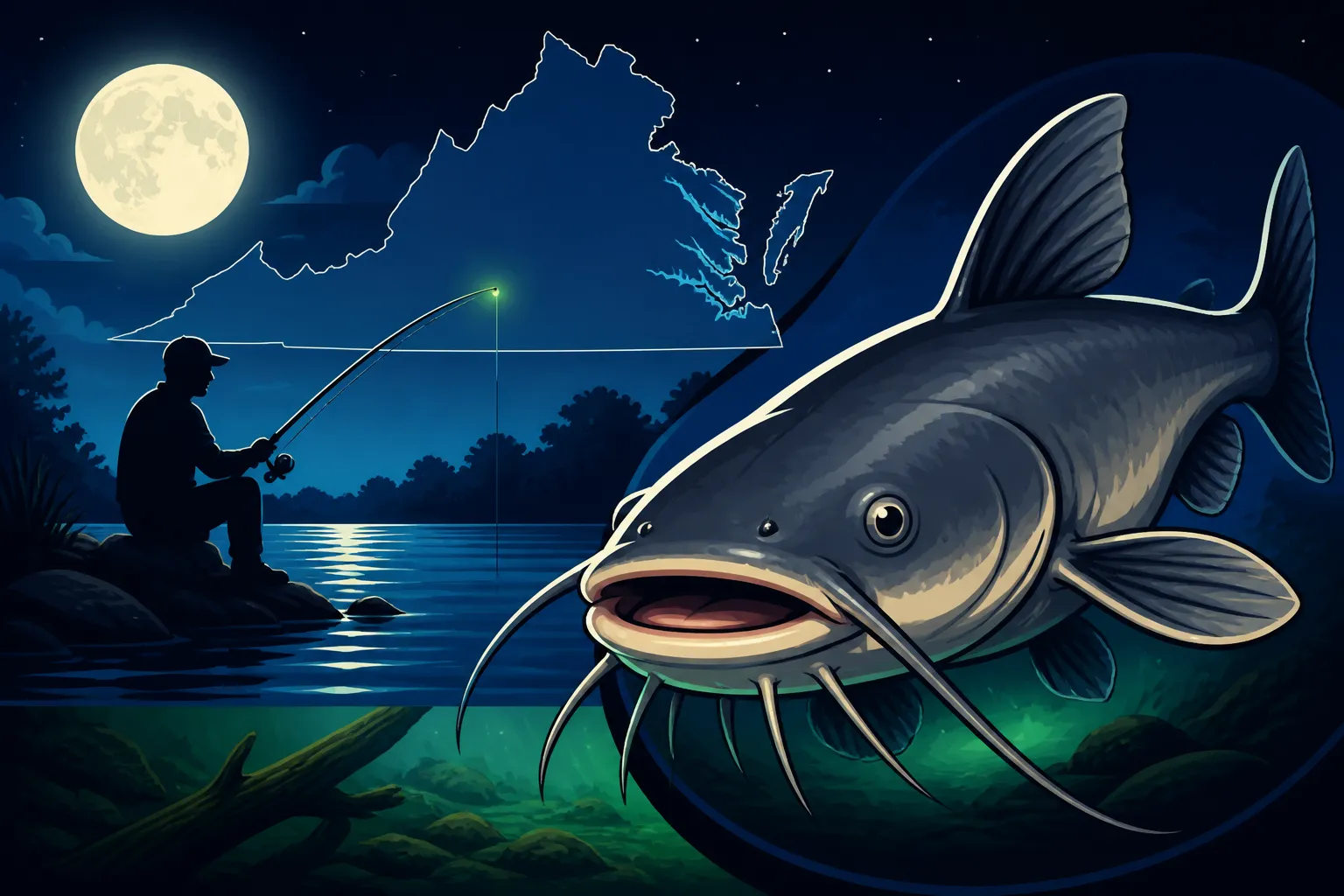
There’s something uniquely thrilling about fishing after the sun dips below the horizon, especially when you’re targeting the mysterious and often massive catfish that lurk in Virginia’s waters. Many anglers feel frustrated trying to find the best spots when visibility is low, or they simply don't know where to start once twilight hits. This comprehensive guide is here to shed some light on the best places to fish for catfish after dark across the Old Dominion, offering practical advice and insider tips to help you land that trophy cat.
Why Catfish Thrive After Dark in Virginia Waters
It's no secret among seasoned anglers that catfish become far more active once the sun goes down. Understanding why they do this is the first step to becoming a successful night catfisher. Virginia’s waters are teeming with various catfish species, including the incredibly popular Channel Catfish, the formidable Flathead Catfish, and the sometimes-overlooked White Catfish, and all of them share a common preference for the cloak of night.
The Catfish's Nocturnal Nature Explained
Catfish are primarily nocturnal feeders, meaning their peak activity times are during the twilight hours and throughout the night. This isn't just a quirk; it's a survival strategy perfected over millennia. One major factor is their superior sensory system. Unlike many fish that rely heavily on sight, catfish use a combination of barbels (those whisker-like protrusions around their mouth), an acute sense of smell, and their lateral line system to detect prey in low-light conditions. Their barbels are packed with taste buds, allowing them to "taste" the water for food sources, while their lateral line picks up subtle vibrations from struggling baitfish or crustaceans moving on the bottom.
Furthermore, night offers a distinct advantage for these bottom-dwelling predators. During the day, bright sunlight penetrates the water, making them more visible to larger predators and forcing them into deeper, darker, or more structured cover. As night falls, the cover of darkness allows them to roam more freely, venturing into shallower waters and open areas to forage for food without the same level of risk. The cooler water temperatures at night can also play a role, making them more comfortable and energetic, particularly during the scorching Virginia summers.
Advantages for Anglers Targeting Nighttime Catfish
For anglers, this nocturnal behavior translates into a fantastic opportunity. First and foremost, you often experience less boat traffic and fewer distractions on the water after dark. This creates a much more peaceful and focused fishing experience, allowing you to truly immerse yourself in the natural rhythms of the night. It's a fantastic escape from the hustle and bustle that can sometimes plague popular fishing spots during daylight hours.
Secondly, the fish themselves tend to be less spooky and more willing to bite. With their increased activity levels and reduced wariness, you might find that the bites are more aggressive and sustained. Many trophy-sized catfish are caught at night precisely because these larger, more cautious fish feel safer moving out of their daytime hiding spots. Plus, those hot, muggy Virginia summer days can be brutal; night fishing offers a welcome reprieve with much cooler and more comfortable temperatures, making for a far more enjoyable outing.
Top Freshwater Lakes and Rivers for Night Catfishing in Virginia
Virginia boasts an incredible array of freshwater systems, and many of them come alive with whiskered giants once the sun sets. Knowing where to focus your efforts can make all the difference, transforming a quiet night into a memorable fishing adventure.
Lake Anna: A Night Catfishing Hotspot
Lake Anna, a sprawling reservoir in Central Virginia, is a true gem for night catfishing, particularly for Channel and Flathead Catfish. During the day, the lake can be bustling with pleasure boats and anglers, but as evening descends, a different kind of activity begins. Flatheads especially are known to move from their deep, log-filled daytime haunts into shallower coves and along creek channels to ambush prey.
When targeting catfish here at night, focus your efforts on the mouths of major creeks like Sturgeon Creek or Goldmine Creek. These areas often have good cover, varying depths, and plenty of baitfish moving in and out with the currents. Look for submerged timber, rock piles, or sudden drop-offs where catfish might stage. Using fresh cut bait, like shad or sunfish, is often incredibly effective for Flatheads. Channel cats are less picky and will readily take stink baits, chicken livers, or nightcrawlers. If you're wondering, "Is Lake Anna Good for Night Fishing?", the answer is a resounding yes, especially for catfish!
James River: Home to Monster Flatheads
The James River, Virginia's longest river, is legendary for its impressive population of Channel and Flathead Catfish, and night fishing here can be an absolutely wild experience. The tidal sections of the James, particularly downstream from Richmond, are prime territory for truly gargantuan Flatheads. These fish feed heavily at night, leveraging the strong currents and abundant prey.
For bank anglers, public access points in and around the Richmond area, such as near Ancarrow's Landing or certain sections of the Virginia Capital Trail that offer river access, can be productive. From a boat, consider anchoring in deeper holes (often 15-30 feet) adjacent to shallower flats or near significant structures like bridge pilings or submerged wrecks. The key here is presenting large, fresh cut bait (gizzard shad or even large sunfish) directly on the bottom. Remember that the current can be strong, so heavy weights are necessary to hold your bait in place. Navigating the James at night requires extreme caution due to unmarked hazards and strong currents, so consider exploring guided trips via platforms like FishingBooker if you're unfamiliar with the area.
Kerr Lake (Buggs Island Lake): Giant Catfish After Dark
Straddling the Virginia-North Carolina border, Kerr Lake, often referred to as Buggs Island Lake, is a massive impoundment renowned for its trophy catfish, especially huge Flatheads and a thriving population of Channel Catfish. This lake's sheer size and diverse habitat make it a prime destination for after-dark angling.
Night fishing on Kerr Lake often involves targeting the extensive creek arms and main lake points. Flatheads will follow schools of baitfish into these shallower areas, particularly during the warmer months. Look for areas with standing timber, old roadbeds, or sharp ledges. Bottom fishing with large chunks of cut bait or live bluegill is a favored tactic for Flatheads. For Channel Cats, try drifting chicken livers or punch baits along the bottom in slightly shallower flats or creek channels. Anglers frequently have success in areas like the Staunton River arm or near the Clarksville bridge after dark. Don't underestimate the size of the fish here; a 50-pound Flathead is a real possibility!
Claytor Lake: Mixed Bag Catfish Action
Claytor Lake, nestled in Southwest Virginia, is another fantastic option for night catfishing, offering a diverse range of species. While it’s known for its abundant Flathead Catfish, you'll also find plenty of Channel Catfish and even some smaller White Catfish, making it a great spot for varied action under the stars.
The lake’s deep, clear waters mean that catfish often move shallower from their daytime haunts to feed more aggressively at night. Target areas around the Claytor Lake State Park shorelines, especially near drop-offs or submerged structures. The mouths of creeks flowing into the lake, like Peak Creek, are also excellent choices. For Flatheads, try live bluegill or sunfish fished near timber or rock ledges. Channel cats will readily take cut bait, shrimp, or stink baits presented on the bottom or under a bobber in shallower coves. To learn more about "Claytor Lake's Big Flathead Catfish" and other species, check out our detailed guide.
Tidal Rivers and Estuaries: Saltwater-Adjacent Night Catfishing
Virginia’s unique geography means many of its major rivers are tidal, flowing into the Chesapeake Bay. These brackish waters offer fantastic catfishing opportunities, often blending freshwater and saltwater species. The lower, tidal sections of these rivers can be exceptionally productive for night catfishing.
Rappahannock River: Channels in the Current
The Rappahannock River, particularly its lower tidal sections, is a prime location for Channel Catfish after dark. The consistent flow and abundance of baitfish make it an ideal environment for these opportunistic feeders. As the tide changes, catfish will stage in different areas, often moving into shallower feeding flats during higher tides and retreating to deeper channels or holes as the tide recedes.
Focus on areas around deeper bends, bridge pilings, or along oyster reefs. These structures provide current breaks and ambush points. Fresh cut bait, like shad or mullet, can be very effective, as can traditional chicken livers or store-bought prepared baits. Bank access can be found in towns like Port Royal or Tappahannock, while boaters have excellent options for exploring the main river channel. Understanding the tide charts is crucial here; planning your trip around the slack tide or the beginning/end of the strong current can be beneficial.
Potomac River: A Border Catfish Bounty
The mighty Potomac River, forming part of Virginia's northern border, offers outstanding night catfishing, particularly in its lower tidal segments. While known for its Striped Bass and Largemouth Bass, the Potomac is also home to robust populations of Channel and even some sizable Flathead Catfish in its more freshwater-dominated stretches.
For night fishing, look for deeper holes and channels, especially those with submerged structure like logs or debris. Areas downstream from towns like Colonial Beach or along sections of George Washington's Birthplace National Monument can offer bank access to productive waters. From a boat, explore the edges of channel markers or the mouths of smaller creeks. Live bait, like small sunfish, can entice larger Flatheads, while cut bait and stink baits are proven winners for Channel Cats. As with the James, always be mindful of strong currents and boat traffic, even at night.
York River: Brackish Water Catfishing
The York River, formed by the confluence of the Pamunkey and Mattaponi rivers, is another tidal system that provides intriguing night catfishing options. While perhaps not as famous for its catfish as the James or Potomac, it holds a healthy population of Channel Catfish and, in its upper reaches, White Catfish, particularly in the brackish zones.
Night fishing here often means targeting the deeper channels and depressions, especially where tributary creeks meet the main river. These confluences concentrate baitfish and provide excellent ambush points. The York River's less intense currents compared to some other tidal rivers can make for a more relaxed night fishing experience. Try fishing with cut bait, shrimp, or even small pieces of crab (catfish love them!) on the bottom. Public piers and boat ramps, such as those near Yorktown, can provide access. If you're exploring the area, you might also find success with other species. For more on the diverse fish in the area, check out "Best Catfish Fishing on the York River, Virginia."
Essential Gear and Safety for Night Catfishing
Night fishing for catfish is an incredible experience, but it comes with its own set of challenges and requirements. Being prepared with the right gear and prioritizing safety are paramount for a successful and enjoyable outing.
Lighting and Navigation Essentials for the Dark
When you're out on the water after dark, good lighting is your best friend. A reliable headlamp with both a bright white light and a red light setting is non-negotiable. The white light is for tying knots, rigging bait, and handling fish, while the red light preserves your night vision and is less disruptive to other anglers and wildlife. Consider having a backup flashlight or headlamp as well, just in case.
If you're fishing from a boat, all federal and state navigation lights must be operational and on. A powerful spotlight can be useful for spotting distant markers, hazards, or navigating slowly into unfamiliar areas. Additionally, small clip-on lights for your rods or glow sticks attached to your line can help you detect subtle bites. If you're bank fishing, ensure your path to and from the water is well-lit and clear of obstacles. Remember, the goal is to see without blinding yourself or others.
Bait and Tackle for the Dark Catfish Hunter
Night fishing often means bigger fish and more aggressive bites, so your tackle needs to be up to the task. Heavy-action rods paired with robust baitcasting or spinning reels spooled with at least 20-30 pound monofilament or braided line are ideal. A strong leader (50-80 pound test fluorocarbon or monofilament) will prevent break-offs from abrasive teeth or submerged structures. For hooks, circle hooks in sizes 5/0 to 9/0 are excellent, as they minimize gut hooking and ensure a solid hookset.
When it comes to bait, there are distinct preferences. For Flathead Catfish, fresh cut bait (shad, bluegill, sunfish) or live bait is almost always superior. For Channel Catfish and White Catfish, you have more options: stink baits (prepared dough baits, blood baits), chicken livers, shrimp, nightcrawlers, and even hot dogs can be highly effective. The key is to use smelly baits that disperse their scent well in the water, as catfish rely heavily on their sense of smell at night. Don't be afraid to cast out multiple rods with different baits to see what they prefer on a given night. Learning "How to Catch Catfish at Night" often comes down to these bait choices.
Safety First: Essential Precautions for Nighttime Angling
Safety should always be your top priority when fishing after dark. It’s easy to get disoriented or encounter unexpected hazards. Always tell someone your float plan or where you'll be fishing and when you expect to return. Better yet, go with a buddy. A fishing partner provides an extra set of hands and eyes, and someone to help in an emergency. If you're going out on the water, everyone on board should wear a U.S. Coast Guard-approved life jacket, regardless of swimming ability.
Beyond the basics, carry a fully charged cell phone, a first-aid kit, and plenty of water and snacks. Insect repellent is crucial in Virginia's humid nights to fend off mosquitoes and other biting insects. Be extremely cautious when handling fish, especially large catfish, as their fins can be sharp. A good pair of pliers or a dehooker is essential. And always, always know the water you're fishing. If you're unfamiliar with a particular lake or river, consider going during the day first to scout out potential hazards, depth changes, and access points, or consider booking a local guide. Many experienced guides, often found on platforms like FishingBooker, specialize in night fishing trips and can ensure both a productive and safe adventure.
| Virginia Night Catfishing Hotspot | Primary Target Species | Recommended Night Bait | Key Night Fishing Technique | Best Time (Season) |
|---|---|---|---|---|
| Lake Anna | Channel, Flathead | Cut Bait (Shad), Live Bluegill | Bottom Fishing near structures | Summer, Early Fall |
| James River (Tidal) | Flathead, Channel | Large Cut Bait (Shad, Sunfish) | Heavy Bottom Rigs in deep holes | Spring, Summer, Fall |
| Kerr Lake (Buggs Island) | Flathead, Channel | Cut Bait, Live Bluegill | Drifting, Anchored Bottom Fishing | Spring, Summer, Fall |
| Claytor Lake | Flathead, Channel, White | Live Bluegill, Cut Bait, Stink Bait | Bottom Fishing near ledges/coves | Summer, Early Fall |
| Rappahannock River (Tidal) | Channel | Cut Bait, Chicken Livers | Bottom Fishing with current | Spring, Summer |
| Potomac River (Tidal) | Channel, Flathead | Cut Bait, Live Bait | Bottom Fishing near channels | Spring, Summer |
| York River (Tidal) | Channel, White | Cut Bait, Shrimp, Small Crabs | Bottom Fishing in depressions | Spring, Summer |
Disclaimer
The information provided in this guide is for general informational purposes only and is not a substitute for professional advice. Fishing regulations, conditions, and safety guidelines can change. Always check current Virginia Department of Wildlife Resources (DWR) regulations before fishing and prioritize your safety on the water.