Where to Catch Trout Near South Holston Lake
It can be incredibly frustrating to arrive at a truly stunning destination like South Holston Lake, only to realize you're not quite sure where the real trout action is. While the lake itself is renowned for its diverse fishery, finding those elusive, finicky trout in the surrounding waters requires local insight. This comprehensive guide is here to demystify the best spots for catching trout near South Holston Lake, ensuring your next angling adventure is successful and deeply rewarding.
Discovering the Premier Trout Waters Near South Holston Lake
When you're looking for trout near South Holston Lake, your thoughts should immediately turn to the rivers and streams that feed into or flow out of this magnificent body of water. Trout, especially the wilder varieties, thrive in cold, oxygen-rich moving water, which often means heading upstream or downstream from the main lake itself. The beauty of this region is its incredible diversity, offering everything from challenging fly-fishing experiences on renowned tailwaters to peaceful spin-fishing opportunities in smaller, less-pressured creeks. It's a true gem for any angler seeking a vibrant trout experience in Virginia.
The Legendary South Holston River Tailwater Fishery
Without a doubt, the crown jewel for trout fishing in this area is the South Holston River tailwater, particularly the section below the dam. This isn't just any river; it's a world-class trout fishery known far and wide. The water released from the bottom of South Holston Dam is consistently cold, providing the ideal habitat for healthy populations of both rainbow and brown trout. This stable temperature allows for prolific insect hatches year-round, which in turn means the trout here are well-fed and grow to impressive sizes.
Anglers often find themselves wading into the clear, crisp waters, or drifting silently in drift boats, eagerly anticipating the next rise. The sheer volume of aquatic insects, from midges and caddis to mayflies, creates a feeding frenzy at various times of the day and throughout the year. This makes the South Holston River a dream destination for fly fishermen, who can spend hours matching the hatch and testing their skills against truly wild and wary trout. For those new to the area, or even seasoned veterans looking for an edge, hiring a local guide can be invaluable. These experts know the river intimately, from the best drifts to the most effective fly patterns, and can make your trip much more productive.
Exploring the Lesser-Known Trout Streams
While the South Holston River tailwater often steals the spotlight, there are several other fantastic, albeit perhaps less famous, options for trout fishing in the surrounding areas. Many smaller tributaries feed into the South Holston Lake system, and some of these offer excellent opportunities for catching trout, especially if you're willing to do a bit of exploring. These creeks often hold a mix of wild and stocked trout, providing a different kind of angling experience compared to the intense, technical fishing of the main tailwater.
Look for streams that originate high in the Appalachian foothills, where the water stays colder throughout the year. These smaller waters, often shaded by dense forest canopies, are perfect for light tackle spin fishing or even tenkara-style fly fishing. You might find yourself casting into pockets and runs, searching for a feisty brook trout or a well-hidden brown. These spots are often quieter, more serene, and offer a wonderful escape from the crowds that can sometimes gather on more popular stretches of water. It's truly a chance to connect with nature and enjoy a more intimate fishing experience.
Targeting Specific Trout Species and Effective Techniques
The trout fishery near South Holston Lake is incredibly diverse, offering anglers the chance to pursue several different species, each with its own characteristics and preferred habitats. Knowing what to expect and having the right approach can significantly increase your chances of success. Whether you're a dedicated fly angler or prefer the simplicity of spin fishing, there are techniques perfectly suited to the conditions and the fish you're trying to entice.
Hooking Rainbow and Brown Trout
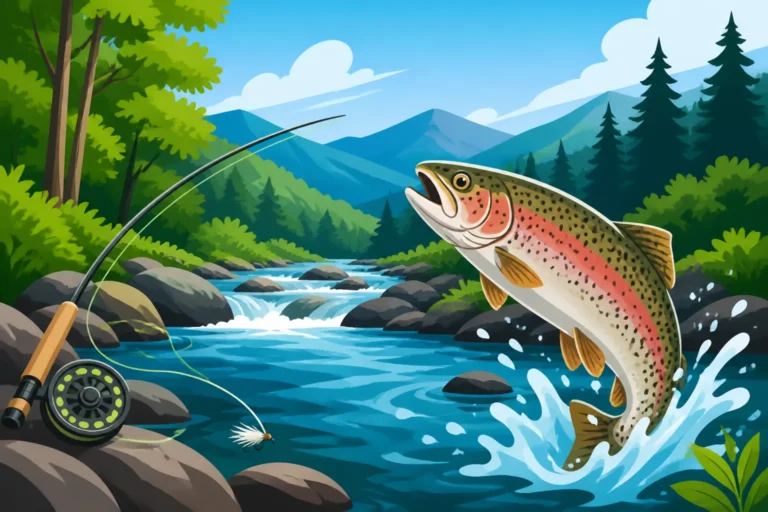
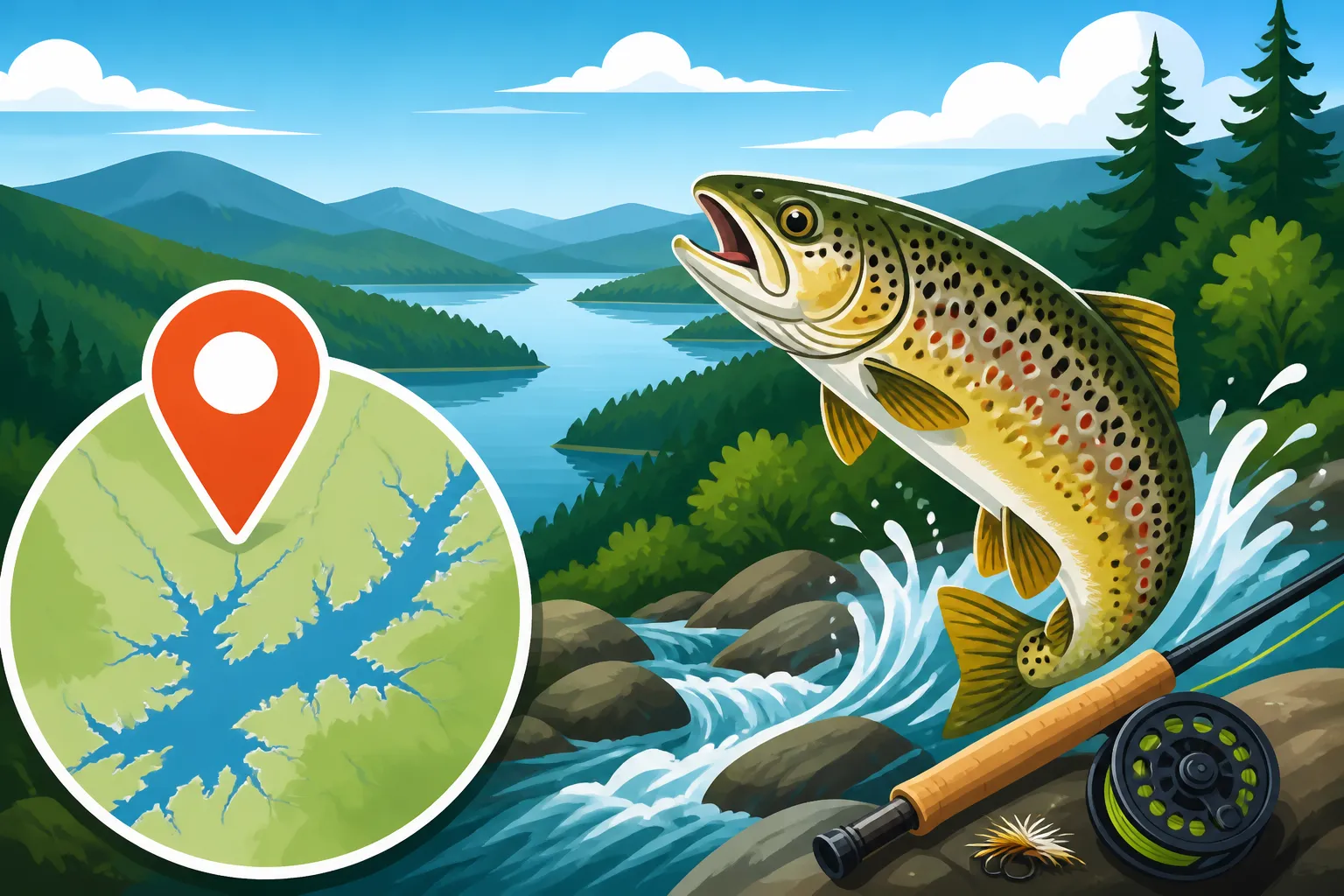
The primary targets in the South Holston River and many of its larger tributaries are rainbow and brown trout. Rainbow trout are known for their vibrant colors and acrobatic fights, often leaping clear of the water once hooked. They tend to be more aggressive and opportunistic feeders, making them a favorite for many anglers. Brown trout, on the other hand, are often more elusive and can grow to larger sizes, making them a prized catch. They are typically more nocturnal and prefer holding in deeper, more secluded lies, often under cut banks or submerged logs.
For fly fishing, matching the hatch is paramount, especially on the South Holston tailwater. During periods of heavy insect activity, successful anglers will observe what insects are present and select imitations that closely resemble them in size, shape, and color. Think tiny midges in the winter, robust caddis in the spring and fall, and various mayfly patterns throughout the warmer months. Nymphing techniques, using weighted flies to drift along the river bottom, are also incredibly effective year-round, as trout consume a vast majority of their diet sub-surface. Spin fishermen can find success with small inline spinners, spoons, or natural baits like powerbait, corn, or worms, especially in stocked sections or when targeting less pressured fish.
The Elusive Native Brook Trout
For many anglers, the ultimate prize is the native brook trout, Virginia's state fish. These beautiful, brightly colored fish are typically found in the colder, pristine headwater streams and higher elevation tributaries where water quality is excellent and pollution is minimal. They are generally smaller than rainbows or browns but make up for it with their stunning appearance and the sheer joy of catching a truly wild, native fish. Finding brook trout often means hiking into more remote areas, navigating through dense brush, and fishing smaller, trickier waters.
When targeting brook trout, a stealthy approach is key. These fish are easily spooked. Fly anglers will often use small dry flies, like attractor patterns or ant imitations, or tiny nymphs drifted through small pools and riffles. Ultralight spin gear with small spinners or even a simple worm under a bobber can also be effective. It's important to remember that these delicate ecosystems are fragile, and practicing catch-and-release is highly recommended, especially for native brook trout, to ensure their populations continue to thrive for future generations. For more on how to preserve these pristine environments, check out the Wild Trout Stream Rules in Virginia.
Essential Regulations and Planning Your Trout Fishing Trip
Before you even think about wetting a line near South Holston Lake, it's absolutely crucial to understand the rules and regulations. Virginia's fishing laws are in place to protect its fisheries and ensure sustainable angling for everyone. Getting caught without the proper license or violating catch limits can lead to hefty fines and a ruined day, so a little preparation goes a long way.
Navigating Virginia Fishing License Requirements
Every angler aged 16 and older needs a valid Virginia fishing license to fish in the state's public waters. This isn't just a suggestion; it's the law. If you're planning to fish for trout, you'll need a basic freshwater fishing license. However, if you intend to fish in any of the DWR's designated stocked trout waters, you'll also need an additional Stocked Trout License Requirements in Virginia. This additional license helps fund the stocking program that provides fantastic angling opportunities throughout the state.
Non-residents planning a trip to the South Holston area will also need a non-resident freshwater fishing license. While an annual license is available, tourists might find a Virginia's 5-Day Freshwater Fishing Pass to be a more cost-effective option for a short visit. You can easily purchase these licenses online through the Virginia Department of Wildlife Resources (DWR) website, or in person at various license agents, including sporting goods stores and bait shops, throughout the state. Always keep your license with you while fishing, either a physical copy or a digital one on your phone, as wildlife officers frequently check. For a comprehensive overview, refer to the Virginia Fishing License Guide.
Finding Your Way: Access, Accommodation, and Guided Trips
Access to the prime trout waters around South Holston Lake is generally good, but knowing where to go can make a huge difference. For the South Holston River tailwater, public access points with parking and launch areas for drift boats are available below the dam, often near the towns of Abingdon and Bristol. Many local guides operate out of these areas, providing not only their expertise but also the necessary equipment and transportation on the river.
Accommodation ranges from hotels and motels in nearby towns like Abingdon, Bristol, and Damascus, to private cabins and campgrounds. For those looking for a more immersive experience, camping along the river can put you right where the action is. When it comes to finding a reputable guide, especially for a specialized experience like fly fishing the South Holston tailwater, online platforms like FishingBooker are incredibly helpful. You can browse various local guides, compare their offerings, read reviews from other anglers, and even book your trip directly. This takes much of the guesswork out of finding a top-notch guide who knows the waters intimately and can ensure you have a safe and productive day on the water.
Here’s a quick overview of license types relevant to trout fishing in Virginia:
| License Type | Resident Annual Cost | Nonresident Annual Cost | What it Covers | Notes |
|---|---|---|---|---|
| Freshwater Fishing License | $23.00 | $47.00 | All freshwater species, including trout in non-stocked waters. | Required for all anglers 16+ fishing in freshwater. |
| Trout License | $23.00 | $23.00 | Required in addition to a freshwater license for stocked trout waters. | Funds the DWR's trout stocking program. |
| 5-Day Freshwater Fishing Pass | N/A | $14.00 | Freshwater fishing for five consecutive days. | Ideal for short visits or tourists. |
| Apprentice License | $10.00 | $10.00 | Allows one day of fishing with a licensed mentor. | Good for beginners to try fishing without a full commitment. |
| Lifetime Freshwater License | Varies by age | N/A | All freshwater fishing for life. | Excellent long-term value for dedicated resident anglers. |
Note: Prices are subject to change by the Virginia DWR. Always check the official DWR website for the most current information.
Maximizing Your Trout Catch and Protecting the Fishery
Now that you know where to go and what you need, let's talk about the nuances that can truly elevate your trout fishing experience near South Holston Lake. Success in trout fishing often comes down to understanding the subtle rhythms of the river and employing best practices that not only help you catch more fish but also ensure the health of this vital ecosystem for years to come.
Seasonal Considerations and Prime Fishing Times
Trout fishing near South Holston Lake can be a year-round affair, but certain seasons offer distinct advantages and challenges. Spring, from March through May, is often considered prime time. As water temperatures begin to rise, insect hatches become more prolific, and trout become very active feeders. This is an excellent time for dry fly fishing, as well as nymphing and streamer fishing. The cooler temperatures of fall, particularly September and October, also provide fantastic fishing, especially for larger brown trout that become more aggressive as they prepare for their spawning season.
Summer can be challenging, particularly during hot spells, when trout seek refuge in deeper, colder pockets of water or become more active during the cooler hours of dawn and dusk. Winter fishing, while requiring more resilience from the angler, can be incredibly rewarding. The South Holston River tailwater, with its stable temperatures, remains productive throughout the colder months, offering consistent midge hatches and good nymphing opportunities. Planning your trip around these seasonal patterns, and even consulting a local guide found on platforms like FishingBooker, can dramatically improve your outing. For general information on when fish are most active, you might also look into articles about Best Times to Fish in Virginia Throughout the Year.
Responsible Angling and Conservation Efforts
As stewards of the natural world, anglers have a crucial role to play in protecting the precious trout fisheries around South Holston Lake. Practicing responsible angling ensures that these waters remain healthy and productive for generations to come. This includes adhering strictly to all Virginia Fishing Regulations Explained, understanding catch-and-release practices, and minimizing your impact on the environment.
When practicing catch-and-release, handle fish gently with wet hands, avoid touching their gills, and release them as quickly as possible. Barbless hooks can also make releasing fish much easier and reduce harm. Beyond individual practices, supporting local conservation efforts is vital. A portion of your fishing license fees directly contributes to wildlife conservation in Virginia, helping to fund habitat restoration, fish stocking programs, and enforcement of fishing regulations. Many local fly shops and guide services are also deeply involved in conservation, and patronizing these businesses helps support their efforts. By doing your part, you help ensure that the stunning trout waters near South Holston Lake remain a vibrant and thriving fishery for all to enjoy.
Disclaimer
The information provided in this guide is for general informational purposes only and does not constitute legal advice. Fishing regulations and license requirements in Virginia can change. Always consult the official Virginia Department of Wildlife Resources (DWR) website or contact a DWR representative for the most current and accurate information before planning your fishing trip. Adherence to all local, state, and federal laws is the sole responsibility of the angler.