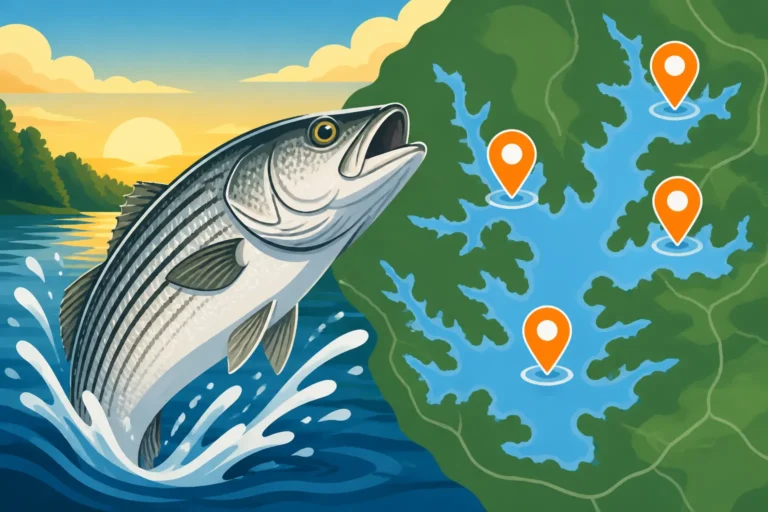
Fishing the Potomac River in Virginia
Many anglers look at the vast expanse of the Potomac River and feel a mix of excitement and intimidation. It's a truly iconic waterway, but its sheer size and diverse environments—from freshwater upstream to brackish tidal zones downstream—can make figuring out where to start a real head-scratcher. This comprehensive guide is designed to cut through that confusion, giving you the insider knowledge you need to successfully fish the Potomac River in Virginia, whether you're chasing bass, stripers, or a hefty catfish.
Understanding the Potomac River's Unique Character in Virginia
The Potomac River isn't just one river; it's a dynamic system that changes dramatically as it flows. For anglers focusing on the Virginia side, understanding these distinctions is key to a successful outing. You're dealing with different environments that dictate what fish you'll find and how they behave.
Upper Tidal Potomac vs. Lower Potomac Tributaries
When we talk about the Potomac River in Virginia, we're often focusing on the tidal section, which stretches from Great Falls all the way down to the Chesapeake Bay. This vast area is influenced by the ocean's tides, even far inland, and presents a unique challenge and opportunity for anglers.
The "Upper Tidal Potomac" refers to the stretch closer to Washington D.C., where the water is predominantly freshwater but still experiences significant tidal fluctuations. Here, you'll find incredible largemouth bass fishing, particularly around structure like docks, submerged logs, and weed lines. This part of the river feels more like a large lake or reservoir in terms of habitat, but the constant rise and fall of the water level means fish are constantly on the move, positioning themselves in relation to the current and cover. You might see the river rise several feet and then drop again, exposing mud flats and changing current patterns. This requires anglers to be adaptable, perhaps focusing on deeper channels during low tide and moving to shallower cover as the tide comes in. It's a fantastic fishery, drawing competitive anglers from all over the region, and learning its nuances can be incredibly rewarding.
As you move further downstream, the river widens, and its character shifts significantly, especially as it approaches the Chesapeake Bay. Here, major Virginia tributaries like Aquia Creek, Potomac Creek, and Nomini Creek feed into the main stem, each offering its own unique fishing opportunities. These lower tributaries and main stem areas are often referred to as the "Lower Potomac" or "Tidal Potomac" as they become increasingly brackish, meaning they have a mix of fresh and saltwater. These areas can sometimes be less crowded than the more popular spots closer to the D.C. metro area, offering a different kind of angling experience. You might find excellent fishing for a wider variety of species that tolerate or prefer brackish conditions, including some that migrate in from the Bay. Exploring these smaller creeks can lead to hidden gems, offering sheltered waters and diverse habitats for different fish species.
Salinity and Fish Distribution
The gradual increase in salinity as the Potomac River approaches the Chesapeake Bay is perhaps the most significant factor influencing what fish species you'll encounter. In the upper tidal freshwater reaches, species like largemouth bass, various panfish, and catfish thrive. These fish are adapted to freshwater environments and will be less prevalent, or even absent, once the water becomes noticeably salty.
However, as the river transitions into a brackish estuary, new opportunities arise. This is where you'll start to encounter the famous striped bass, often affectionately called "rockfish" by locals. These anadromous fish spend most of their lives in saltwater but migrate into brackish and freshwater rivers to spawn. They are incredibly popular targets, known for their powerful fights. Along with stripers, you'll find other brackish water species like white perch, croaker, and even some flounder pushing up into the lower stretches of the river. The exact point where the salinity becomes noticeable varies depending on rainfall and tidal cycles, but generally, south of the Harry W. Nice Memorial Bridge (US-301) marks a more consistently brackish environment.
Understanding this gradient is crucial. If you're dead set on catching a trophy largemouth, you'll want to focus your efforts upstream where the water is fresh. If you're dreaming of a battling striper, you'll need to head downstream, closer to the Bay, where the mix of fresh and saltwater provides their preferred habitat. Knowing this also helps you choose the right bait and tackle, as saltwater species often respond differently than their freshwater cousins. It's truly like having two completely different fisheries in one river, demanding different approaches and offering diverse rewards.
Top Fish Species to Target in the Potomac River
The Potomac River is a true angler's paradise because of its incredible diversity of fish. Depending on where you drop your line on the Virginia side, you could be reeling in anything from a powerful bass to a massive catfish, or even the highly sought-after striped bass. Knowing what you're likely to encounter helps you tailor your approach, ensuring you have the right gear and expectations for a successful day.
Largemouth Bass: A Riverine Legend
Without a doubt, largemouth bass are the undisputed champions of the Upper Tidal Potomac, particularly on the Virginia side. This fishery is world-renowned and consistently ranks among the best bass fishing destinations on the East Coast. What makes them so prevalent here? The river's vast network of shallow flats, submerged grass beds, docks, lily pads, and fallen timber creates an ideal habitat for these ambush predators. They have everything they need to thrive: plenty of cover to hide in, and an abundance of baitfish like shad, perch, and bluegill to feed on.
Anglers targeting largemouth here often use a variety of techniques. Topwater lures like poppers, frogs, and buzzbaits are incredibly exciting to use, especially during low-light conditions or over dense vegetation where bass explode on the surface. For fishing around docks and wood, jigs, Texas-rigged worms, and creature baits are highly effective for probing deeper cover. Spinnerbaits and chatterbaits are excellent search baits for covering water and locating active fish in grassy areas. The tidal fluctuations play a huge role in bass behavior; as the tide rises, bass will often move into shallower cover to feed, and then retreat to deeper edges as the tide falls. Understanding these patterns is critical to consistent success. Many competitive bass tournaments are held on this section of the Potomac, a testament to the quality and quantity of its largemouth population. If you're looking for a thrilling fight from a hard-hitting fish, the Potomac's largemouth are calling your name.
Striped Bass Rockfish: The Tidal Powerhouse
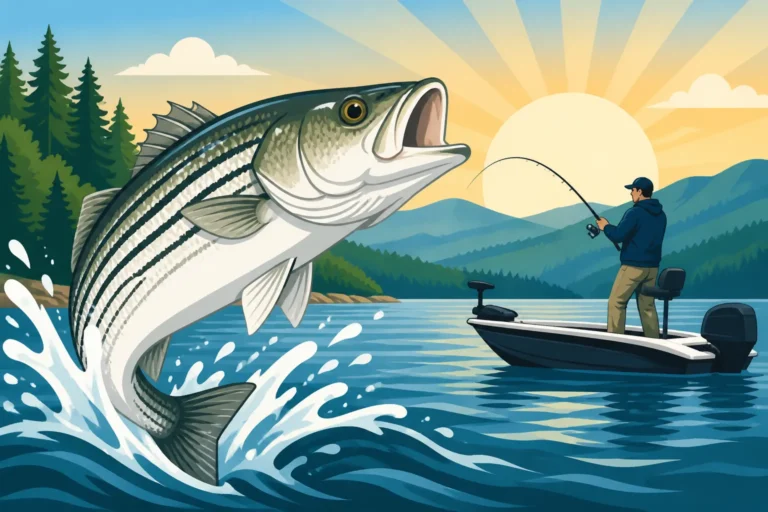
As you move downstream into the more brackish and saltwater-influenced sections of the Potomac River, the iconic striped bass—or "rockfish" as they're known in Virginia—become the star of the show. These migratory fish are a highly prized sportfish, known for their strong runs and aggressive bites. They spend much of their lives in the open ocean of the Atlantic but make seasonal migrations into the Chesapeake Bay and its tributaries, including the Potomac, to spawn and feed. This makes the lower Potomac, particularly the areas closer to the Bay, prime territory for striper fishing during their runs.
Virginia's striped bass season and slot limit guide details the specific times when you can target and keep these magnificent fish, as regulations are strict and designed to protect the population. Typically, you'll find split seasons, with specific windows in fall and spring offering the best chances. During these periods, stripers can be caught using a variety of methods. Trolling with large swimbaits, bucktails, or umbrella rigs is a popular and effective way to cover water and locate schools of fish, especially in the main river channels. Casting jigs, soft plastic paddle tails, and even topwater plugs can be incredibly productive, particularly when fish are actively feeding on schools of baitfish near the surface. Live lining eels or menhaden is another highly successful technique, especially for larger fish. The challenge and reward of battling a powerful striper make them a favorite target for many anglers on the lower Potomac.
Catfish: Abundant and Fun to Catch
No matter where you are on the Potomac River in Virginia, from the freshwater stretches near Great Falls down to the brackish lower river, you're almost guaranteed to find a healthy population of catfish. Channel catfish, blue catfish, and flathead catfish all call the Potomac home, and they offer fantastic angling opportunities for both casual and dedicated fishermen. Blue catfish, in particular, have exploded in numbers and size in recent decades, with many anglers reporting catches of fish weighing 50 pounds or more, and even some pushing well over 100 pounds!
These bottom-dwelling fish are voracious eaters and can be caught year-round, making them a reliable target when other species might be less active. They are often found in deeper holes, channels, and around significant structure like bridge pilings, fallen trees, and sharp bends in the river where currents create natural scour holes. The best bait for catfish in summer, and throughout the year, includes cut bait (like pieces of gizzard shad, menhaden, or white perch), chicken livers, stink baits, and even nightcrawlers. Simple bottom-fishing rigs with a weight and a circle hook are usually all you need. Many anglers use heavy-duty gear to handle the larger blues, which can put up an incredible fight. Catching catfish on the Potomac can be a fantastic family activity, providing plenty of action and often a delicious meal.
Snakeheads: An Invasive Species with a Dedicated Following
The Northern Snakehead is an invasive species that has firmly established itself in the Potomac River, particularly in the upper tidal freshwater reaches. While their presence is a concern for native ecosystems, they have also created a unique and exciting fishery for anglers. These toothy predators are known for their aggressive strikes and powerful fights, making them a thrilling target.
Snakeheads prefer shallow, heavily vegetated areas, often found lurking in lily pads, dense grass mats, and submerged brush. They are primarily sight hunters, ambushing their prey with explosive speed. The best fishing spots near Alexandria, Virginia, in the tidal creeks and backwater ponds connected to the Potomac, are renowned for their snakehead populations. Anglers often target them with topwater frogs, weedless plastic swimbaits, and spinnerbaits, mimicking the prey they feed on. When a snakehead hits a topwater frog, it's an experience you won't soon forget! Due to their invasive status, there are often specific regulations regarding their harvest, typically encouraging anglers to keep all caught snakeheads and not to release them back into the water. This provides a conservation benefit while also offering a fantastic sportfishing challenge.
Best Fishing Spots Along the Virginia Side of the Potomac
The sheer size of the Potomac River can be overwhelming when trying to pinpoint where to wet a line. Thankfully, the Virginia side offers numerous accessible and productive spots, whether you prefer fishing from shore or launching a boat. Knowing these key locations can dramatically improve your chances of a successful and enjoyable day.
Bank Fishing Access Points: Easy to Reach Shores
For many anglers, especially those just starting out or looking for a relaxing day without the hassle of a boat, bank fishing offers incredible opportunities on the Potomac. Several fantastic spots along the Virginia side provide direct access to the river's rich waters.
One of the most popular and accessible areas is Leesylvania State Park in Woodbridge. This park boasts a fishing pier that extends into the Potomac, offering excellent opportunities for various species, including striped bass, white perch, catfish, and even some largemouth bass depending on the tide and season. The park also has extensive shoreline access for those who prefer to cast from the bank. It's a great spot for families, with amenities like picnic areas and restrooms. Further downstream, areas around Quantico and Stafford County also offer sporadic public access points, though they might require a bit more local knowledge or exploring to find. When considering bank fishing access points on the Potomac River near Alexandria, Virginia, you might find more limited direct riverfront access due to urban development, but nearby tributary parks or designated fishing areas within the broader region can be good options. Always check local park regulations and signage for specific fishing rules and permitted areas. These spots are fantastic for a quick trip after work or a leisurely weekend outing, proving that you don't always need a boat to enjoy great Potomac River fishing.
Boat Ramps and Marina Access
For anglers with boats, the Potomac River opens up an entirely new world of possibilities, allowing access to deeper channels, expansive flats, and remote coves that are inaccessible from shore. There are numerous public and private boat ramps along the Virginia side that cater to various boat sizes and fishing preferences.
For those targeting the upper tidal freshwater section, ramps like Occoquan Regional Park and Pohick Bay Regional Park in Fairfax County offer excellent access. These ramps are busy, especially on weekends and during bass tournaments, but they put you right in the heart of prime largemouth bass territory. You'll have easy access to the famous grass flats, lily pad fields, and extensive dock systems that hold big bass. Further downstream, as the river widens and becomes more brackish, ramps in Stafford, King George, and Westmoreland counties become more relevant. Colonial Beach, for instance, has public ramps that offer access to the lower Potomac, ideal for chasing striped bass, white perch, and catfish. Marinas along the river also provide boat slips and often have associated ramps, though these might come with a fee. Using a platform like FishingBooker can help you find and book charters that operate from these marinas if you're looking for a guided experience without owning your own boat. When choosing a ramp, consider the species you're targeting and the tidal conditions, as some ramps can be tricky to navigate at extreme low tides.
Key Tributaries and Coves
Beyond the main stem of the Potomac River, its myriad tributaries and sheltered coves on the Virginia side are absolute goldmines for anglers. These smaller waterways often provide calmer conditions, unique habitats, and concentrated fish populations that can be easier to pattern than the vast main river.
For example, Occoquan Bay and the Occoquan River itself, which flows into the Potomac, are highly regarded for both largemouth bass and various panfish. The river has diverse structure, including woody debris, rock formations, and docks. Similarly, Pohick Bay and Belmont Bay, two large embayments near Mount Vernon, are known for excellent bass fishing in their protected coves and extensive grass beds. These areas offer a refuge from the strong currents of the main stem and can be particularly productive during adverse weather or strong tides. As you move downstream, creeks like Aquia Creek, Potomac Creek, and Nomini Creek become prime locations. These creeks often have a mix of fresh and brackish water, supporting a blend of species. They are excellent for targeting catfish in deeper holes, and during the striped bass runs, stripers will push into these tributaries to feed and spawn. They also offer fantastic opportunities for white perch, especially in the spring. Exploring these hidden gems can lead to less crowded waters and some truly memorable fishing experiences, often feeling like a completely different world compared to the bustling main river.
Effective Techniques and Baits for Potomac River Fishing
Successfully fishing the Potomac River in Virginia means more than just knowing where to go; it means understanding how to fish it. The river's dynamic nature, with its varying habitats and tidal influences, demands a versatile approach to techniques and bait selection. Matching your strategy to the conditions and the target species is paramount.
Lures and Baits for Bass and Stripers
When it comes to the Potomac's most popular sportfish, largemouth bass and striped bass, a diverse tackle box is your best friend. For largemouth bass, especially in the upper tidal river where vegetation is king, weedless presentations are crucial. Soft plastic frogs or rats skittered across lily pads and grass mats can elicit explosive topwater strikes, particularly during low light conditions or cloudy days. Spinnerbaits and chatterbaits are excellent for covering ground and tempting bass hiding in submerged grass. When bass are holding tight to cover like docks, fallen trees, or brush piles, Texas-rigged plastic worms, creature baits, and jigs are ideal for pitching and flipping into tight spaces. Crankbaits and lipless crankbaits can also be effective when fish are active in open water or along grass edges.
For striped bass in the lower, brackish sections, the approach often shifts to larger baits and techniques designed for covering open water or targeting schooling fish. Trolling with large swimbaits, bucktail jigs with soft plastic trailers, or umbrella rigs is a common and highly effective method for stripers, especially when they are suspended in the water column or moving along channels. When stripers are chasing bait on the surface, casting heavy topwater plugs, large poppers, or metal spoons can lead to thrilling strikes. For those looking for a more natural presentation, live lining eels or fresh bunker (menhaden) is a deadly technique, especially for larger rockfish. Using the right lure color can sometimes make a big difference, with chartreuse, white, and baitfish patterns often being top producers. Don't forget that these fish are strong, so appropriate rod and reel setups are essential.
Catfish Rigging and Bait Choices
Catfish fishing on the Potomac River is often less about fancy lures and more about robust tackle and irresistible bait. The key is to get your bait on the bottom, where these whiskered scavengers feed. For the prolific channel, blue, and flathead catfish, a simple bottom rig is usually all you need. This typically consists of a heavy sinker (such as an egg sinker or pyramid sinker) that slides on your main line, followed by a swivel, a leader, and a strong circle hook. The sliding sinker allows the fish to pick up the bait without feeling immediate resistance, which can lead to more solid hooksets.
When it comes to bait, variety is the spice of life for Potomac catfish, but some stand out as consistent winners. Fresh cut bait is arguably the most effective, especially for the larger blue and flathead catfish. Chunks of gizzard shad, menhaden, or even white perch caught from the river itself make excellent bait. The fresher the better, as the oils and scent are incredibly attractive. Chicken livers, though messy, are another time-tested favorite. Prepared stink baits, blood baits, and even large nightcrawlers can also be very productive, particularly for channel catfish. Fishing in deeper holes, along channel edges, and around bridge pilings are prime locations. For more details, our guide on catfish fishing techniques and bait guide offers even deeper insights. Make sure your tackle is stout enough to handle these powerful fish; a medium-heavy to heavy action rod with a strong baitcasting or spinning reel spooled with 20-50 lb test line is generally appropriate.
Adapting to Tidal Currents
The Potomac River's tidal nature is a constant factor that anglers must learn to embrace and adapt to. Unlike a static lake, the river's water levels, currents, and fish behavior are in a constant state of flux, cycling through two high tides and two low tides each day. This rhythmic movement directly impacts where fish position themselves and how they feed.
During a strong incoming or outgoing tide, currents can be quite powerful, especially in narrower sections or around prominent points and structures. Fish, being opportunists, will often use these currents to their advantage, positioning themselves behind cover or in current seams to ambush baitfish being swept downstream or upstream. This means you might need to adjust the weight of your sinkers or jigs to ensure your bait stays in the strike zone rather than being swept away. Understanding how to read water when fly fishing a river or using traditional tackle is essential. Current breaks, eddies, and subtle changes in flow are often prime holding spots.
Conversely, during slack tide – the period of minimal water movement between a high and low tide – the currents slow down significantly. Fish might disperse from their current-focused ambush points and move to different areas, perhaps venturing into shallower, calmer waters to forage more freely. This might be a good time to target fish in less structured areas or with slower presentations. Anglers often consult tide charts for the specific section of the Potomac they plan to fish, as tidal times can vary significantly from the mouth of the river upstream. Learning to "fish the tide" is a skill that takes practice, but mastering it will unlock consistent success on the Potomac.
Seasonal Fishing Guide for the Potomac River
The Potomac River offers year-round fishing opportunities, but what you target and how you do it changes dramatically with the seasons. Each period brings its own unique challenges and rewards, dictated by water temperature, fish spawning cycles, and migratory patterns. Understanding these seasonal shifts is key to maximizing your success.
Spring: Pre-Spawn and Early Season Action
Spring on the Potomac River is a time of incredible resurgence and is arguably one of the most exciting periods for anglers, especially for bass and striped bass. As water temperatures begin to climb after the winter chill, fish become increasingly active and hungry. This pre-spawn period for largemouth bass typically kicks off in March and April, where bass move from their deeper wintering grounds towards shallower flats and staging areas. They're aggressively feeding to build energy for the upcoming spawn, making them highly susceptible to crankbaits, spinnerbaits, and jerkbaits. Once the water temperature reaches the mid-60s, typically late April into May, the actual spawn begins, and bass move onto beds. While challenging to catch directly off beds, the surrounding areas can still be productive.
For striped bass, spring marks their migration into the lower Potomac and its tributaries to spawn. This is one of the best times of year for a strong striper bite, particularly from March through May. As these powerful fish move upstream from the Chesapeake Bay, they become aggressive feeders. Trolling, jigging, and live lining bait are all highly effective methods. It's crucial to check Virginia's striped bass season and slot limit guide, as specific catch and possession limits are in place to protect these valuable spawning fish. Our Virginia's Split Striped Bass Season Into Two Parts article can offer more context. Spring also sees an increase in catfish activity as they shake off winter lethargy, and white perch begin to move into the tributaries for their own spawning runs, offering excellent light tackle action.
Summer: Challenging but Rewarding
Summer fishing on the Potomac River can be both challenging and incredibly rewarding. As air and water temperatures soar, fish behavior shifts dramatically. Largemouth bass, particularly, will often move to deeper, cooler water during the heat of the day, seeking refuge in dense submerged grass, deep creek channels, or under heavy cover like docks and fallen trees. Early mornings, late evenings, and even night fishing become prime times for bass, as they move into shallower water to feed when temperatures are cooler. Topwater frogs over matted grass and flipping jigs or Texas-rigged worms into thick cover are popular techniques.
For striped bass, the season typically closes in the warmer months to protect them from heat stress and ensure the health of the population after their spring spawn. However, white perch and catfish remain excellent targets throughout the summer. White perch, found in the brackish lower river and tributaries, can provide consistent action with small jigs, bottom rigs, or tiny spinnerbaits. Catfish, especially the abundant blue catfish, thrive in the warm water and can be caught day or night in the river's deeper channels and holes using cut bait. For those seeking unique thrills, summer is also prime time to target Northern Snakeheads in the shallow, vegetated backwaters and creeks. While they love the heat, targeting them early or late in the day can be most productive. Despite the heat, the long daylight hours of summer offer plenty of opportunity for persistent anglers.
Fall: The Striper Run and More
Fall is another peak season for fishing on the Potomac River, bringing cooler temperatures and renewed fish activity, especially for striped bass. As the water cools, baitfish begin to move out of the tributaries and into the main river and the Chesapeake Bay, and the stripers follow, aggressively feeding to fatten up for winter. This "fall run" can be spectacular, offering some of the best striped bass fishing of the year. Trolling, casting large plugs, or jigging around bait schools are all effective methods during this period. Again, keeping an eye on the Virginia Striped Bass Season and Slot Limit Guide is crucial, as the fall season has specific dates and regulations.
Largemouth bass also become incredibly active in the fall. They go through a "fall feed" to prepare for winter, often schooling up and chasing baitfish. This makes them highly susceptible to reaction baits like crankbaits, spinnerbaits, and lipless crankbaits, as well as soft plastic swimbaits. They can be found in various depths, from shallow flats to creek channels, often following the movements of baitfish. Catfish remain a consistent target throughout the fall, continuing their aggressive feeding patterns. As winter approaches, fishing pressure generally decreases, and anglers who brave the cooler temperatures can be rewarded with some truly memorable catches. The vibrant fall foliage along the riverbanks also adds a beautiful backdrop to any fishing trip.
Navigating Regulations and Safety on the Potomac River
Fishing on the Potomac River, particularly on the Virginia side, comes with specific rules and safety considerations that every angler must be aware of. The river's unique status as a border waterway, combined with state and federal conservation efforts, means that adhering to regulations and practicing safe boating are not just recommendations, but necessities. Our Virginia Fishing License Guide is a great place to start, but there are some nuances for the Potomac.
Virginia Fishing License Requirements
First and foremost, if you're fishing the Virginia side of the Potomac River, you will need a valid Virginia fishing license. This applies to both residents and nonresidents, with certain age exemptions (generally for children under 16). The Potomac River is unique because parts of it form a border with Maryland and the District of Columbia. While a Virginia license typically covers the Virginia portion of the river, anglers should be aware that if they cross into Maryland or D.C. waters (even if just drifting), they might need a license from that jurisdiction as well, depending on specific reciprocity agreements. For example, Virginia and Maryland fishing license reciprocity rules often allow anglers with a valid license from one state to fish the main stem of the tidal Potomac River from a boat, but not necessarily the tributaries of the other state. It's always best to check the latest regulations from the Virginia Department of Wildlife Resources (DWR) and, if venturing near other jurisdictions, those states' agencies as well.
There are different types of licenses available, including freshwater, saltwater, and combination licenses. Given the Potomac's transition from freshwater to brackish to saltwater, a combination license is often the most practical choice for anglers who might explore different sections of the river. However, if you know you'll only be fishing the upper freshwater tidal areas for bass and catfish, a freshwater license might suffice. Always keep your license readily accessible, as Virginia game wardens check for valid fishing licenses on the water. Penalties for fishing without a license in Virginia can range from fines to confiscation of gear, so it's simply not worth the risk.
Specific Potomac River Rules and Limits
Beyond general licensing, the Potomac River has specific rules and limits that can vary by species, season, and even specific sections of the river. These regulations are designed to manage fish populations and ensure sustainable fishing for future generations.
One of the most critical sets of rules applies to striped bass, or rockfish. Due to their migratory nature and importance to the ecosystem, striped bass regulations are often complex, involving specific open seasons (which can be split into different windows), slot limits (a specific size range of fish that can be kept, e.g., 28 to 31 inches), and daily creel limits (how many fish you can keep per day). These rules are frequently updated, so always consult the latest Virginia DWR regulations before heading out. Our Virginia Fishing Regulations Explained provides a good overview, but checking the DWR website for the most current Potomac-specific rules is essential.
For other popular species like largemouth bass, there are typically daily creel limits and sometimes length limits. Catfish generally have very generous limits or no limits at all, especially for invasive blue catfish, where anglers are encouraged to harvest them. Northern Snakeheads, being an invasive species, typically have specific harvest requirements, often encouraging anglers to retain all caught fish and not release them alive. It's not just about fish size and number; some regulations also cover fishing methods, gear restrictions, and even specific areas or times when fishing might be prohibited. Ignorance of the law is not an excuse, so always be informed.
Essential Safety Considerations
Fishing on the Potomac River, like any large body of water, requires serious attention to safety. Whether you're fishing from a boat or the bank, being prepared can make all the difference.
For boaters, having all required safety gear is non-negotiable. This includes properly fitting personal flotation devices (PFDs) for everyone on board, a sound-producing device (whistle or horn), visual distress signals, a fire extinguisher, and proper navigation lights if operating after sunset or before sunrise. Our Is the Potomac River Safe for Bank Fishing? article highlights some general concerns, but they apply to boaters too. The Potomac can get very rough, especially on windy days or when large vessels create significant wakes. Always check the marine weather forecast before you go out, and be prepared to head back to shore if conditions deteriorate. Understanding navigation channels, markers, and avoiding areas with heavy commercial traffic are also crucial.
For both boat and bank anglers, personal safety is paramount. Wear appropriate clothing for the weather, including sun protection like hats and sunglasses. Bring plenty of water to stay hydrated, especially in warmer months. If bank fishing, be aware of your surroundings; steep or slippery banks can be dangerous, and private property should always be respected. Let someone know where you're going and when you expect to return. The Potomac River, particularly the lower sections, has a mix of recreational boaters, commercial vessels, and military traffic, so staying vigilant is always important. A little preparation and common sense go a long way in ensuring a safe and enjoyable fishing trip on this magnificent river.
| Species | Primary Location | Best Seasons | Common Baits/Lures |
|---|---|---|---|
| Largemouth Bass | Upper Tidal Potomac (freshwater/light brackish) | Spring, Fall (Summer mornings/evenings) | Jigs, worms, crankbaits, topwater frogs |
| Striped Bass | Lower Potomac (brackish/saltwater) | Spring (spawn), Fall (migration) | Swimbaits, bucktails, live eels, topwater |
| Blue Catfish | Throughout the river (freshwater to brackish) | Year-round (Summer peak) | Cut bait, chicken livers, stink bait |
| Northern Snakehead | Upper Tidal Potomac (shallow, vegetated areas) | Summer, Fall | Topwater frogs, weedless swimbaits |
| White Perch | Lower Potomac & Tributaries (brackish/saltwater) | Spring (spawn), Summer, Fall | Small jigs, bottom rigs, small spinnerbaits |
Disclaimer
Please remember that fishing regulations, including license requirements, catch limits, and seasons, can change. Always consult the official Virginia Department of Wildlife Resources (DWR) website or their current regulations digest before heading out on the water to ensure you are fully compliant with the latest rules. Safety should always be your top priority when fishing the Potomac River.