Chesapeake Bay Striped Bass Fishing Guide
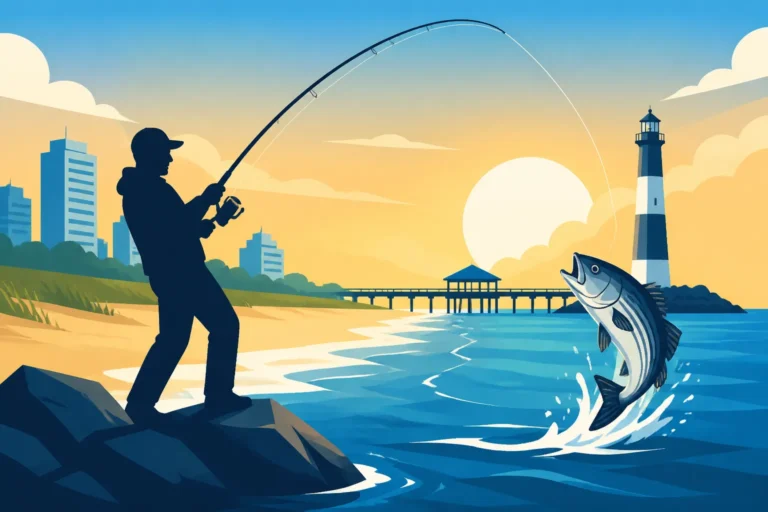
Oh, the Chesapeake Bay! If you're anything like me, the mere mention of it conjures up images of vast, shimmering waters and the thrilling tug of a powerful fish on the line. But let's be honest, trying to navigate the incredible striped bass fishery there can feel a bit overwhelming, especially with all the seasons, spots, and rules. This guide is here to untangle all that for you, offering a deep dive into everything you need to know to successfully target those legendary "rockfish" in Virginia's magnificent Bay.
Understanding the Chesapeake Bay Striped Bass Fishery
The Chesapeake Bay isn't just a body of water; it's an entire ecosystem, a vibrant, complex world that hosts one of the most iconic sportfish on the East Coast: the striped bass, affectionately known as "rockfish" by many local anglers. These magnificent creatures are migratory, spending parts of their lives in the ocean and then making their way into the Bay and its tributary rivers to spawn. Understanding their patterns and the unique environment of the Bay is absolutely key to successful fishing.
The Life Cycle and Migration of Chesapeake Stripers
Striped bass are truly remarkable fish, and their life cycle is a testament to nature's resilience. Most of the striped bass found in the Chesapeake Bay are part of the Atlantic coastal migratory stock. This means they travel up and down the Atlantic seaboard, but a significant portion return to the Chesapeake Bay and its rivers, like the James, York, Rappahannock, and Potomac, to spawn each spring. Imagine these powerful fish, some weighing over 50 pounds, making their arduous journey upstream from the deeper, saltier waters of the main Bay into the fresher, shallower spawning grounds. After spawning, they gradually move back downstream and eventually out into the Atlantic Ocean for the summer and fall, only to return again. This annual pilgrimage dictates much of the fishing opportunities in the Bay. The constant movement of these fish means that successful angling often depends on knowing not just where they are, but why they are there and where they're headed next.
Why the Chesapeake Bay is a Premier Striped Bass Destination
There's a reason the Chesapeake Bay consistently ranks among the top striped bass fisheries in the world. It's an immense estuary, the largest in the United States, providing a vast and incredibly productive habitat. The mixing of freshwater from numerous rivers with the saltwater from the Atlantic creates a unique brackish environment teeming with baitfish – think menhaden, herring, anchovies, and silversides – which are the primary food source for striped bass. This abundance of food allows stripers to grow large and healthy. Furthermore, the Bay's diverse structure, from shallow grass flats and oyster reefs to deep channels and bridge pilings, offers countless ambush points and resting areas for these predatory fish. The sheer scale and biodiversity of the Chesapeake Bay make it a crucial nursery for juvenile stripers and a prime feeding ground for adults, solidifying its status as a bucket-list destination for any serious striped bass angler.
Prime Seasons for Striped Bass Fishing in the Chesapeake Bay
Fishing for striped bass in the Chesapeake Bay isn't a year-round affair; it's a seasonal dance dictated by the fish's migration and spawning cycles, as well as strict regulations designed to protect this precious resource. Understanding these seasons is crucial, not only for catching fish but also for staying within the law. The excitement builds with each seasonal opening, offering different challenges and rewards for anglers. For a detailed breakdown of all the specific dates and rules, you'll want to check out our comprehensive guide on the Virginia Striped Bass Season and Slot Limit Guide.
Spring Run: Post-Spawn Feasting and Transition
The spring run in the Chesapeake Bay is a period of intense activity and excitement. After completing their spawning duties in the freshwater rivers, the striped bass, often referred to as "rockfish," begin their journey back down to the main Bay and eventually out to the ocean. They are often ravenously hungry during this post-spawn period, looking to regain energy lost during reproduction. This is a fantastic time for anglers, as large schools of fish can be found congregating in various parts of the Bay, often following schools of baitfish. The spring season typically sees a lot of trolling action, especially in the main stem of the Bay, as anglers cover large areas to intercept these moving fish. Weather can be a bit unpredictable, but the potential for a memorable catch makes it worth braving cooler temperatures or spring showers.
Fall Run: The Grand Finale
If spring is the appetizer, the fall run is the main course—a spectacular grand finale to the fishing year. As water temperatures begin to drop in late summer and early fall, striped bass from all over the Atlantic coast, including those that spent their summer months in the cooler ocean waters, converge on the Chesapeake Bay. This is a massive feeding frenzy as they gorge themselves on abundant baitfish, building up reserves for their winter migration. The fish are often aggressive and can be found in huge schools, sometimes pushing baitfish to the surface in what's known as "blitzes." During this time, you might see everything from casting topwater lures to jigging or live-lining being incredibly effective. The sheer volume of fish and the dynamic nature of the fishing make the fall run an unforgettable experience, often providing some of the best trophy opportunities. It's also why Virginia often Why Virginia Splits Its Striped Bass Season Into Two Parts, to account for different migratory patterns and spawning cycles.
Winter and Summer: Understanding the Closures
While spring and fall are the prime times, it's essential to understand that striped bass fishing in the Chesapeake Bay is subject to closures during certain parts of the year, particularly in winter and summer. These closures are not arbitrary; they are critical conservation measures designed to protect the fish during vulnerable periods. The winter closure, for example, allows the spawning stock to congregate and migrate to their spawning grounds undisturbed. The summer closure helps reduce fishing pressure when water temperatures are high, which can stress the fish, especially larger ones, making them more susceptible to post-release mortality. These regulations, including the strict slot limits and possession rules, are put in place by regulatory bodies like the Virginia Marine Resources Commission (VMRC) and the Atlantic States Marine Fisheries Commission (ASMFC) to ensure the long-term health of the striped bass population. While it can be frustrating to see fishing opportunities limited, these closures are vital for sustaining the fishery for future generations of anglers. Always double-check current regulations before heading out, as they can change annually.
Top Fishing Spots for Striped Bass in the Bay
The Chesapeake Bay is enormous, and figuring out where to start looking for striped bass can be a challenge. But seasoned anglers know that certain areas consistently hold fish due to their unique structure, depth, or proximity to baitfish concentrations. Whether you're chasing them in the main Bay or up its tributary rivers, understanding these hotspots will significantly increase your chances of success. For a broader look at prime locations, our article on the Best Rockfish Fishing Spots on the Chesapeake Bay offers additional insights.
Deep Channels and Drop-offs
Striped bass, especially the larger ones, love structure, and the deep channels and sharp drop-offs throughout the Chesapeake Bay are absolute magnets for them. These underwater highways and ledges offer cooler water, stronger currents, and perfect ambush points for stripers waiting to pounce on unsuspecting baitfish being swept along. Areas like the main shipping channels, particularly near the mouth of the Bay, and the deeper sections of major tributary rivers are prime examples.
Anglers often target these zones by trolling deep-diving lures or surgical eels, or by bottom fishing with live or cut bait. Electronic fishfinders become your best friend here, helping you locate schools of bait and the tell-tale arches of striped bass holding along these contours. The transition areas where depths change dramatically are especially productive, as fish will often stage themselves there. Learning to "read" your sonar and understanding the topography of the Bay floor is an art form that pays off handsomely in these deep-water haunts.
Bridge Pilings and Artificial Reefs
Human-made structures are another highly productive category of fishing spots for striped bass. The Chesapeake Bay is dotted with massive bridge systems, like the Chesapeake Bay Bridge-Tunnel (CBBT), and numerous artificial reefs created from old tires, sunken ships, and concrete rubble. The pilings of these bridges create complex current breaks and offer shelter and ambush points for stripers, while also attracting a host of baitfish and other marine life.
Fishing around these structures requires precision and often involves vertical jigging with heavy metal jigs or soft plastics, or live-lining spot or eels right up against the pilings. The sheer amount of structure means there's always a new spot to explore, and the currents can be quite strong, requiring heavier tackle and careful boat positioning. Artificial reefs, on the other hand, provide a labyrinth of hiding spots and feeding grounds, particularly for larger, more solitary stripers. Whether you're dropping a bait down or working a jig, these submerged oases are well worth the effort.
Tributary River Mouths and Flats
Don't overlook the mouths of the Bay's major tributary rivers—places like the James, York, Rappahannock, and Potomac. These areas are crucial transition zones where freshwater meets saltwater, creating a rich environment that attracts both baitfish and the stripers that feed on them. During the spring, post-spawn stripers will linger here before heading out to the ocean, and in the fall, they'll congregate as they prepare to move upriver or into the ocean.
Shallow flats, especially those with submerged grass beds, can also be incredibly productive, particularly during cooler parts of the day or lower light conditions. These areas hold abundant crabs, shrimp, and juvenile baitfish. Anglers often employ casting techniques with topwater lures, swimbaits, or even fly fishing in these shallower reaches. The fishing here can be quite visual, with stripers often busting on the surface or creating tell-tale wakes as they chase bait. Learning the tides and current flows in these areas is paramount, as they often dictate when and where the fish will be actively feeding.
Effective Techniques and Baits for Chesapeake Bay Stripers
Successfully catching striped bass in the Chesapeake Bay involves a blend of knowledge, skill, and adaptability. The best technique often depends on the season, water conditions, and the behavior of both the fish and their prey. From classic methods to more modern approaches, having a diverse toolkit will make you a more versatile and successful angler. Knowing your target fish and their habits is paramount, but so is understanding the proper gear.
Trolling for Migratory Schools
Trolling is a cornerstone technique for targeting striped bass in the vast waters of the Chesapeake Bay, especially when trying to locate migratory schools during the spring and fall runs. This method involves dragging multiple lures or baits behind a moving boat, covering a wide area and presenting offerings at various depths simultaneously. It’s particularly effective in the main channels and deeper sections of the Bay where stripers are on the move.
Anglers typically employ a spread of rods, each with a different lure presentation. Umbrella rigs, made up of multiple teasers (like shad or squids) culminating in a larger chase bait, are incredibly popular and effective. Other common lures include large bucktail jigs dressed with plastic shads, Mojo rigs (heavy bucktails fished with a soft plastic trailer), and deep-diving crankbaits. Planer boards and downriggers are often used to spread out lines and get baits to specific depths without the need for excessively heavy weights. The key to successful trolling is maintaining the right speed, typically between 2.5 and 3.5 knots, and adjusting lure depth and color until you find what the fish are hitting. It's a method that allows you to cover water efficiently and intercept those fast-moving schools of hungry stripers.
Jigging and Casting Around Structure
When striped bass are holding tight to structure—like bridge pilings, artificial reefs, or deep-water humps—jigging and casting become incredibly effective tactics. These methods allow for a more precise presentation, getting your lure right into the strike zone where the fish are hiding or ambushing bait.
Vertical jigging involves dropping a heavy metal jig or a leadhead jig with a large soft plastic body directly down to the fish, then rapidly lifting and dropping it to mimic an injured baitfish. This is a very active fishing style that can be incredibly rewarding. Popular jigs include those from brands like Crippled Herring or StingSILVER, often paired with large curly-tailed or paddle-tailed soft plastics. Casting, on the other hand, is excellent for working shallower areas, current seams, or around visible structure. Anglers will throw topwater plugs (especially at dawn or dusk), large swimbaits, or bucktail jigs and retrieve them with various actions to entice a strike. Knowing the currents and where the fish are positioned relative to the structure is crucial for accurate casts and proper lure presentation. For more on what these fish like to eat, check out our Best Bait for Striped Bass in Chesapeake Bay guide.
Live-lining and Cut Bait
Sometimes, nothing beats the real thing. Live-lining and fishing with cut bait are traditional and often deadly effective methods for targeting striped bass in the Chesapeake Bay. These techniques appeal to the striper's natural predatory instincts and can be particularly effective when fish are finicky or when you're targeting larger, more solitary individuals.
Live-lining involves presenting a live baitfish, such as a spot, croaker, bunker (menhaden), or eel, on a hook with minimal weight, allowing it to swim naturally. This is especially potent around bridge pilings, jetties, or deep-water humps where stripers are actively hunting. The natural swimming action is irresistible to hungry stripers. When live-lining, use a circle hook to reduce gut-hooking and ensure a healthier release if you're not keeping the fish. Cut bait, typically chunks of bunker, spot, or even squid, is often fished on the bottom using a fishfinder rig or a simple Carolina rig. This method is fantastic for targeting larger stripers that might be less inclined to chase a fast-moving lure, or for night fishing when stripers are less visual and more reliant on scent. The strong scent trail emitted by fresh cut bait can draw stripers in from a distance, making it a patient but often very rewarding technique.
Regulations and Conservation Efforts
Fishing for striped bass in the Chesapeake Bay isn't just about the thrill of the catch; it's also about being a responsible steward of the resource. Striped bass populations have faced significant challenges over the years, leading to strict regulations designed to ensure their long-term health and sustainability. Every angler plays a vital role in conservation by understanding and adhering to these rules. It's not always easy to keep up, but it's essential.
Understanding Slot Limits and Possession Rules
One of the most important regulations anglers need to understand is the slot limit. Unlike a simple minimum or maximum size limit, a slot limit specifies a range of lengths within which a fish can be legally harvested. For example, Virginia's Virginia's Striped Bass Slot Limit: 28 to 31 Inches means you can only keep striped bass that measure between 28 and 31 inches in length, measured from the tip of the nose to the tip of the tail. Fish smaller or larger than this slot must be immediately released, unharmed.
The purpose of a slot limit is multi-faceted. It protects juvenile fish, allowing them to grow and mature, and it also protects the largest, most prolific spawning adults, ensuring they can continue to contribute to the population. Anglers are also subject to possession limits, which dictate How Many Striped Bass Can You Keep in Virginia per person per day. These limits can change, sometimes even within the same year, so always check the Virginia Marine Resources Commission (VMRC) website or local bait shops for the most up-to-date information before you head out. Ignorance of the law is never an excuse, and game wardens do patrol the waters.
Catch and Release Best Practices
Even when targeting fish within the legal slot limit, many anglers practice catch and release, especially with larger fish or when they've already met their possession limit. However, simply releasing a fish isn't enough; it needs to be done correctly to maximize its chances of survival. Best practices for catch and release fishing for striped bass are critical, especially during warmer months when fish can be more stressed.
First, minimize handling the fish as much as possible. If you must handle it, do so with wet hands or a wet towel to protect its protective slime coat. Avoid dragging the fish onto dry land or holding it by the gills or eyes. Use circle hooks whenever possible, as they dramatically reduce the incidence of gut-hooking, making unhooking much easier and less traumatic for the fish. Have a dehooking tool or pliers readily available to quickly remove the hook. When releasing, hold the fish gently in the water, supporting its belly, and allow it to recover and swim off on its own power. Sometimes a gentle push forward will help water flow over its gills, aiding recovery. These simple steps can make a huge difference in the survival rate of released fish, contributing directly to the health of the striped bass population.
Hiring a Chesapeake Bay Striped Bass Fishing Charter
For many anglers, especially those visiting the area or those without their own boat and extensive local knowledge, hiring a fishing charter is by far the best way to experience Chesapeake Bay striped bass fishing. It removes the guesswork, provides all the necessary gear, and puts you in the hands of experienced professionals who live and breathe Bay fishing.
What to Expect from a Charter Trip
Booking a Chesapeake Bay fishing charter means you're signing up for an adventure guided by local experts who spend hundreds of days a year on these waters. When you step aboard a reputable charter, you can expect the captain and crew to provide all the essential gear: rods, reels, tackle, and often, even the bait. They'll also have the necessary safety equipment and, importantly, the knowledge to find the fish. Most charters include the required fishing licenses for everyone on board, so you typically don't need to worry about individual Do You Need Your Own License for a Charter Trip? for the specific species you're targeting.
You'll usually meet at a designated marina in the early morning, receive a safety briefing, and then head out. The captain will take you to the most productive spots based on current conditions, recent reports, and their extensive experience. They'll guide you on techniques, help with baiting, and assist with landing and unhooking fish. Once you return to the dock, many charters will even clean and bag your catch for you. It’s a truly turnkey experience designed to maximize your chances of success and provide a memorable day on the water. If you're looking for an easy way to explore options, platforms like FishingBooker make it simple to compare different Chesapeake Bay charter operations and read reviews.
Benefits of Fishing with a Local Guide
The advantages of fishing with a local guide, especially in a vast and dynamic fishery like the Chesapeake Bay, are immense. First and foremost, guides possess an unparalleled knowledge of the local waters, including hidden channels, oyster reefs, and seasonal migratory patterns that would take an individual angler years to discover. They know where the fish are likely to be biting on any given day, taking into account factors like tides, currents, water temperature, and baitfish movements.
A good guide is also an expert in the most effective fishing techniques for the current conditions, whether it's trolling a specific spread, jigging a particular structure, or live-lining a certain bait. They have the right gear, properly maintained, and can quickly adapt if one method isn't working. Furthermore, guides are intimately familiar with the ever-changing regulations, ensuring your trip is fully compliant. For beginners, a guide offers invaluable instruction, teaching you casting techniques, knot tying, and how to read the water. For experienced anglers, a guide provides access to new areas and advanced strategies, pushing your skills further. It's an investment in a highly productive and educational fishing experience. Many experienced captains list their trips on platforms like FishingBooker, offering a convenient way to find the perfect guide for your next adventure. Our guide on Chesapeake Bay Fishing Charters in Virginia can help you further explore these options.
Choosing the Right Charter for Your Trip
Selecting the right charter boat and captain is crucial for a successful and enjoyable Chesapeake Bay striped bass fishing trip. With many options available, it's worth doing a little research to ensure a good fit for your group and fishing goals. Consider the type of trip you want: Are you looking for a half-day or full-day excursion? Do you prefer a private charter for your group or a shared trip where you join other anglers? The group size will also influence the type of boat and the overall cost.
Look for captains who specialize in striped bass fishing and have a strong track record. Online platforms like FishingBooker allow you to read reviews from previous customers, giving you a good sense of the captain's expertise, professionalism, and the condition of their boat. Don't hesitate to call the captain directly to discuss your expectations, ask about their approach to fishing, and inquire about their catch-and-release philosophy. A good captain will be happy to answer your questions and help you decide if their operation is the right choice for your Chesapeake Bay adventure. Confirm what's included in the price – sometimes bait is extra, for example – and always clarify cancellation policies, especially regarding weather.
| Season | Best Timeframe | Typical Striped Bass Behavior | Common Techniques | Key Considerations |
|---|---|---|---|---|
| Spring Run | March – May (varies) | Post-spawn, migrating out of rivers, actively feeding. | Trolling (umbrella rigs, Mojo rigs), Jigging | Check specific slot limits for the season; variable weather. |
| Summer | June – August | Often closed due to conservation (high water temp stress). | Focus on other species; no striper harvest | High water temps, potential for catch-and-release mortality. |
| Fall Run | October – December | Migrating into Bay from ocean, aggressive feeding ("blitzes"). | Trolling, Jigging, Live-lining, Casting | High potential for trophy fish; intense action. |
| Winter | January – February | Pre-spawn, migrating to spawning rivers; often closed. | Focus on other species; no striper harvest | Cold weather; critical spawning migration period. |
Disclaimer
Please remember that fishing regulations, including seasons, slot limits, and possession limits, are subject to change. Always consult the most current regulations from the Virginia Marine Resources Commission (VMRC) or the relevant regulatory body before planning your fishing trip. This guide is for informational purposes only and should not be considered a substitute for official legal guidance.