Claytor Lake Fishing Spots and Tips
Oh, the sheer joy (and sometimes, utter confusion!) of planning a fishing trip to a new spot, especially one as magnificent and diverse as Claytor Lake. You scour maps, read forums, and still end up wondering where to even drop your first line. It's a common struggle, whether you're a seasoned angler looking for that trophy catch or a family just hoping to get the kids hooked on fishing. That's precisely what we're tackling today: a deep dive into Claytor Lake, arming you with the knowledge of its best fishing spots, the incredible variety of fish species, and the techniques that will turn your next outing into a memorable success.
Claytor Lake: A Gem for Anglers in Southwest Virginia
Claytor Lake, nestled in the scenic New River Valley, isn't just another body of water; it's a vibrant ecosystem that offers an incredible playground for anglers of all skill levels. If you've ever felt overwhelmed by massive lakes with too many options, or underwhelmed by smaller ponds lacking in variety, Claytor Lake truly hits that sweet spot. It’s large enough to offer diverse habitats and challenge experienced boaters, yet its numerous coves and accessible shoreline make it incredibly welcoming for bank anglers and families with young ones.
Geographical Snapshot and Unique Features
Claytor Lake is a 4,500-acre reservoir formed by the Claytor Hydroelectric Dam on the New River. This unique origin, being part of one of the oldest rivers in the world, contributes to its rich aquatic environment. The lake stretches for about 21 miles, boasting 100 miles of shoreline that vary dramatically from steep, rocky bluffs to gentle, sloping banks. Depths can plunge to over 100 feet in the main channel, providing cool, oxygenated water for species that prefer it, while numerous shallow coves and creek arms offer warmer, fertile grounds for others. The diverse underwater topography, featuring old river channels, submerged timber, rock piles, and artificial fish habitats, creates an intricate network of potential fishing hotspots. It’s this variety, this constant change of scenery and depth, that makes it such an exciting place to explore with a rod and reel. Plus, with Claytor Lake State Park offering fantastic amenities, it’s a destination that caters to more than just fishing, making it perfect for a full family getaway.
Why Claytor Lake is a Top Fishing Destination
What truly sets Claytor Lake apart is its reputation as a consistent producer of quality fish across multiple species. It’s not a one-trick pony; whether you're obsessed with bass, chasing crappie, or hoping to land a hefty catfish, Claytor Lake delivers. The Virginia Department of Wildlife Resources (DWR) actively manages the lake, with regular stocking programs and habitat improvement projects, ensuring a healthy and thriving fishery. This commitment translates directly into better fishing opportunities for you. Anglers often brag about the challenge and reward of targeting the various bass species here, and the panfish action can be lights-out, providing endless entertainment for kids and adults alike. It’s also known for its hybrid striped bass, which offer an exhilarating fight, and a surprisingly robust walleye fishery, a species not always common in many Virginia lakes. This rich diversity means you can tailor your trip to your angling preference or even switch tactics throughout the day if one bite slows down. It’s a place where every cast holds the promise of something exciting, making it one of the most beloved lakes for fishing in Virginia.
Unraveling Claytor Lake's Diverse Fish Population
One of the most exciting aspects of fishing Claytor Lake is the sheer variety of species you can encounter. Unlike some lakes that are primarily known for just one or two types of fish, Claytor Lake truly offers a smorgasbord, appealing to anglers with different preferences and techniques. This diversity is what keeps people coming back, year after year, always with a new target in mind.
The Claytor Lake Bass Extravaganza: Largemouth, Smallmouth, Spotted, and Alabama Bass
If you’re a bass angler, Claytor Lake is practically a dream come true, offering what many call a true "bass extravaganza." You won't just find one or two species; Claytor Lake's Mixed Bass Fishery includes largemouth, smallmouth, spotted, and even the increasingly prominent Alabama bass. Each of these bass species has its own preferred habitats and feeding patterns, meaning you can adapt your approach and always find action.
- Largemouth Bass: These are often the most sought-after bass, and Claytor Lake holds some impressive ones. You’ll find them in the lake’s abundant shallow coves, around submerged timber, docks, and weed beds, especially in the upper arms of the lake where the New River feeds in and creates more fertile, stained water. During the spring spawn, they move into extremely shallow areas, making them prime targets for sight fishing or flipping jigs and soft plastics into cover. As summer progresses, they’ll often retreat to deeper brush piles or the shade of docks, requiring a more finesse approach with drop shots or deep-diving crankbaits.
- Smallmouth Bass: Known for their incredible fighting spirit, the smallmouth bass thrive in Claytor Lake's clearer, rocky areas, particularly in the lower lake near the dam and along the main river channel. They love current and structure, so look for them around points, ledges, and rocky banks. They'll readily strike a variety of lures, including tube jigs, spinnerbaits, and small crankbaits. For those who enjoy the challenge, fly fishing for smallmouth bass on Claytor Lake can be an incredibly rewarding experience, especially when they're actively feeding on baitfish near the surface.
- Spotted Bass: Often confused with largemouths, spotted bass are abundant in Claytor Lake and tend to occupy a niche between largemouth and smallmouth. They prefer slightly deeper, clearer water than largemouths but are less dependent on current than smallmouths. You’ll often find them schooled up around main lake points, submerged humps, and ledges. They are aggressive feeders and will readily hit jigs, shaky heads, and small crankbaits. Many anglers who fish for them often find Where to Find Spotted Bass in Virginia right here in Claytor Lake.
- Alabama Bass: This relative newcomer to Virginia waters is well-established in Claytor Lake and is known for its incredible growth rate and hard fighting ability. Often overlapping with spotted bass habitats, Alabama bass tend to school in open water, chasing baitfish. They are excellent targets for anglers using jigging spoons, swimbaits, or even vertical jigging techniques over deep structure. Identifying an Alabama Bass can sometimes be tricky, as they look very similar to spotted bass, but their potential for larger size makes them an exciting catch.
This variety means that no matter what conditions Claytor Lake throws at you, there’s likely a bass species willing to cooperate. Understanding the subtle differences in their preferences can dramatically improve your success.
Targeting Claytor Lake's Crappie and Panfish
Beyond the bass, Claytor Lake is a fantastic destination for targeting panfish, providing consistent action and often filling a cooler for a delicious fish fry. The lake is especially well-regarded for its crappie population.
- Crappie: Both black and white crappie thrive in Claytor Lake. They are schooling fish that love to relate to structure. In early spring, they move into shallow coves and creek arms to spawn, making them accessible to bank anglers and boaters alike. Look for them around submerged brush piles, standing timber, dock pilings, and bridge abutments. During this time, small jigs (like Bobby Garland crappie jigs) or live minnows suspended under a bobber are deadly. As the water warms in summer and cools in fall, crappie often move to deeper brush piles and creek channels, requiring vertical jigging or slow trolling with multiple rods. The key to crappie fishing success often lies in locating these underwater structures.
- Other Panfish: Claytor Lake is also home to abundant bluegill, redear sunfish (shellcrackers), and yellow perch. These species are perfect for a relaxing day of fishing, especially with kids. They congregate around docks, lily pads, fallen trees, and shallow weed beds. Simple tactics like a small hook baited with a piece of worm or a crickets under a bobber are incredibly effective. These fish bite readily, providing constant entertainment and are a great way to introduce new anglers to the sport. Knowing the Best Panfish Spots for Kids on Claytor Lake can turn a good outing into a truly memorable one for the whole family.
The Allure of Claytor Lake's Catfish and Walleye
Claytor Lake truly distinguishes itself with strong populations of both catfish and walleye, offering unique angling experiences you might not find in every Virginia lake.
- Catfish: If you're looking for a powerful fight and a meal that can feed a crowd, Claytor Lake's catfish population won't disappoint. The lake is home to channel catfish, flathead catfish, and even some white catfish. Channel catfish are widespread and can be caught almost anywhere using stink baits, cut bait, or chicken livers, particularly in the deeper holes and along creek channels. Flathead catfish, known for their preference for live bait and their incredible size, can be found in the deeper, woodier sections of the main river channel and around large log jams. Many anglers specifically target Claytor Lake's Big Flathead Catfish, some reaching impressive weights. Night fishing is often the most productive time for catfish, especially during the warmer months, when they move into shallower areas to feed.
- Walleye: While sometimes elusive, Claytor Lake offers a legitimate walleye fishery, a prized species for many anglers due to their delicious taste and challenging nature. Walleye prefer cooler, deeper, and clearer water, often associating with rocky bottoms, submerged humps, and points, particularly in the lower lake closer to the dam. They are primarily nocturnal feeders, so dawn, dusk, and night are often the most productive times. Trolling with deep-diving crankbaits or presenting jigs tipped with minnows or nightcrawlers along contours are popular and effective Walleye Fishing on Claytor Lake techniques. Understanding the best baits for Walleye in Virginia can significantly increase your chances of success, as they can be finicky eaters. Claytor Lake's Walleye Population: What Anglers Should Know before hitting the water.
This incredible blend of species means that Claytor Lake truly has something for every angler, providing varied challenges and rewards throughout the year.
Prime Fishing Hotspots on Claytor Lake
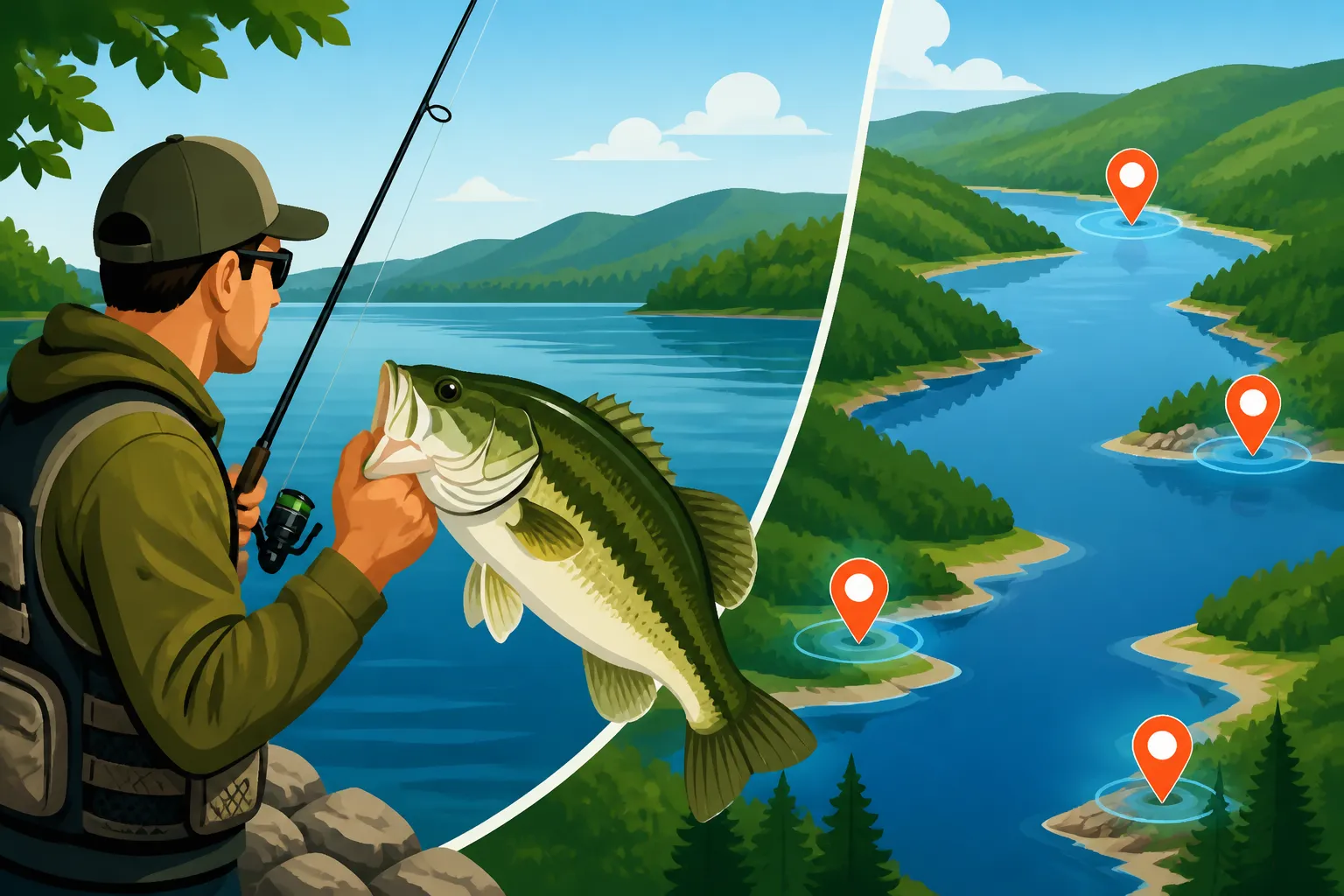
Knowing what fish live in Claytor Lake is one thing, but knowing where to find them is the real secret sauce. Claytor Lake’s sprawling nature means there are countless nooks and crannies, and while fish can be almost anywhere, certain areas consistently hold more promise due to their structure, depth, and forage availability.
Navigating the Main Lake Channel and Deep Water Structures
The main lake channel of Claytor Lake, which follows the old New River bed, is a highway for many fish species, especially during warmer and colder months when fish seek stable temperatures and deeper cover. Understanding this underwater topography is crucial.
- Ledges and Humps: As the main channel winds its way through the lake, it creates distinct ledges and humps that rise from the bottom. These underwater features act as natural ambush points for bass, walleye, and hybrid striped bass. Fish will often suspend just off these ledges or hug the contour lines. A good fish finder is invaluable here to locate these structures and spot schools of baitfish or larger game fish. For bass, try dragging jig-and-pig combinations or slow-rolling large spinnerbaits along these breaks. Walleye anglers will often troll deep-diving crankbaits or jig spoons directly over humps. Remember, the deeper parts of Claytor Lake, especially near the dam, often hold the largest concentrations of cooler-water species like walleye.
- The Dam Area: The area immediately around the Claytor Hydroelectric Dam is a significant deep-water zone. While fishing is often restricted directly at the dam for safety reasons, the surrounding deep pockets and strong currents can hold large concentrations of fish, particularly hybrid striped bass and flathead catfish. These fish are drawn to the cooler water, abundant oxygen, and schooling baitfish that congregate here. For the really big ones, consider using heavy tackle and live bait, such as large shiners or bluegill, fished on the bottom in these deep current breaks. Always check local regulations for any specific restrictions around the dam.
These deep-water zones require a different approach than shallow-water fishing. Patience, advanced electronics, and a willingness to fish heavier baits are often the keys to success in these productive but challenging areas.
Exploring the Coves, Creeks, and Shallow Water Hideaways
While the main lake channel offers deep-water excitement, Claytor Lake's numerous coves, creek arms, and shallow embayments are where a lot of the action happens, especially during the spring and fall migrations.
- Brush Piles and Docks: Throughout the lake, especially in the larger coves, you’ll find an abundance of private docks and artificial brush piles that local anglers and the DWR have installed. These structures are magnets for crappie, bluegill, and largemouth bass, offering shade, cover, and ambush points. In spring, crappie will absolutely stack up on these brush piles, making them easy targets for vertical jigging or minnows. For bass, pitching jigs or Texas-rigged soft plastics into the darkest recesses under docks can be incredibly effective. Don’t be afraid to experiment with different depths around these structures, as fish might be holding anywhere from just under the surface to several feet down.
- Upper River Arms: The upper reaches of Claytor Lake, particularly the sections where the New River flows in, tend to be shallower and offer more stained water. These areas are prime largemouth bass habitat, with plenty of submerged timber, laydowns, and sparse weed growth. During the spring spawn and throughout the summer, these backwater areas warm up quickly, creating ideal conditions for bass. Buzzbaits and topwater frogs can be exhilarating in these shallow, woody zones. This is also where you’ll find significant populations of channel catfish, especially in the deeper bends of the old river channel within these arms. Anglers looking for a true "Virginia Bass Fishing" experience will find these upper river arms incredibly productive.
These shallow-water havens are often more accessible and offer fantastic opportunities for anglers who prefer casting to visible cover or exploring with a trolling motor.
Public Access Points and Family-Friendly Shore Fishing
One of Claytor Lake's greatest strengths is its accessibility. Not everyone has a fancy bass boat, and thankfully, the lake offers plenty of options for those fishing from the bank or smaller watercraft.
- Claytor Lake State Park: This state park is a jewel, offering some of the best public access on the lake. It has a fantastic multi-lane boat ramp for those with trailers, but it also boasts a well-maintained fishing pier that is perfect for families and anglers without boats. The pier is lit at night, extending fishing opportunities, and is a known hotspot for crappie, bluegill, and even some smaller bass. The park also has plenty of shoreline access, particularly around picnic areas and camping loops, where you can cast a line for panfish or try for a shallow-water bass. This is a great place for Family-Friendly Fishing Spots in Virginia. Before you go, ensure you have your Virginia Fishing License Guide squared away, even for pier fishing.
- Allisonia, Dublin, and DeHaven Boat Ramps: Beyond the State Park, numerous public boat ramps dot the shoreline, providing essential access for boaters. Ramps like Allisonia, Dublin (DWR Claytor Lake Access), and DeHaven are popular choices. These ramps often have adjacent parking and sometimes small areas of shoreline where you can fish while waiting for your boat or just for a quick trip. For kayakers and canoeists, these ramps provide an excellent launch point to explore the quieter coves and creek arms that might be inaccessible to larger boats, offering a chance to find those remote fishing spots in Virginia. Utilizing resources like FishingBooker can help you find local guides who operate out of these ramps, providing invaluable insights into less-pressured areas and effective techniques.
Claytor Lake’s combination of deep-water challenges and accessible shallow-water opportunities makes it a truly versatile fishing destination. No matter your preferred method or target species, there’s a spot on Claytor Lake waiting for you.
Mastering Claytor Lake Fishing Techniques and Strategies
Knowing where the fish are is half the battle; the other half is knowing how to catch them! Claytor Lake's diverse fishery demands a versatile approach. Adapting your techniques to the season, target species, and prevailing conditions is paramount to consistent success.
Seasonal Approaches for Bass, Crappie, and Walleye
Fishing isn't a one-size-fits-all endeavor, especially on a dynamic lake like Claytor. The season dictates everything from fish location to their metabolism and feeding preferences.
- Spring Fling (March-May): Ah, springtime! This is arguably the most exciting time to fish Claytor Lake, as everything seems to come alive. As water temperatures rise into the 50s and 60s, bass, especially largemouths, move into shallow coves and creek arms for their spawn. Target visible cover like docks, brush, and lily pad stems with jigs, Texas-rigged plastics, or spinnerbaits. Smallmouth bass will be found on rocky points and main lake humps. Crappie stack up in brush piles and around docks in these same shallow areas; small jigs and minnows are kings here. Walleye, too, become more active, moving shallower to feed on baitfish. This is a prime time for Bass Spawn Timing on Virginia Lakes, so respecting spawning fish is important.
- Summer Heat (June-August): As the mercury climbs, fishing shifts to early mornings, late evenings, and deep-water tactics. Bass will often retreat to cooler, deeper water during the day, holding on ledges, humps, and deep brush piles, making finesse tactics like drop-shotting or deep crankbaits effective. Topwater action can be phenomenal at dawn and dusk. Crappie move to deeper brush piles and creek channels, often suspending. Catfish really turn on during the summer nights, moving shallower to feed. Walleye will also be in deeper, cooler water, often near the dam or main channel ledges, requiring deep trolling or vertical jigging. Consider night fishing techniques for many species during the peak summer months.
- Fall Feast (September-November): Many consider autumn to be the best time to fish Claytor Lake, as fish begin to aggressively feed in preparation for winter. Water temperatures cool, and fish scatter from their deep summer haunts, moving shallower to chase baitfish. Bass will be found on points, humps, and creek channels, gorging on shad. Reaction baits like crankbaits, spinnerbaits, and jerkbaits become incredibly effective. Crappie return to shallower brush piles and docks, often in large schools. Walleye also get active again, hitting jigs and crankbaits. The cooler, more stable weather often makes for incredibly comfortable and productive days on the water.
- Winter Chill (December-February): Don't hang up your rods just yet! Winter fishing on Claytor Lake can be surprisingly productive, especially for hardier species. Bass will school up on deep main lake points, ledges, and creek channel bends. Slow-moving baits like jigging spoons, blade baits, and suspending jerkbaits are key. Crappie often go deep, suspending over brush piles in 20-30 feet of water, requiring patience and a good fish finder. Catfish can still be caught in deeper holes. Walleye are also deep, and vertical jigging with minnows or spoons can entice bites. Just remember to bundle up and focus on slower presentations. Knowing how to Catch Bass in Cold Water can make all the difference.
Effective Baits and Lures for Claytor Lake Species
Having the right bait or lure can make or break a fishing trip. Claytor Lake offers a variety of forage, and matching the hatch is often the ticket to success.
- Bass Baits: For largemouth, soft plastics like Texas-rigged worms, creature baits, and jigs are staples, especially when fishing cover. Crankbaits (shallow and deep-diving) and spinnerbaits excel when bass are active and chasing bait. Topwater lures like buzzbaits, frogs, and poppers are thrilling at dawn and dusk. For smallmouth and spotted bass, finesse baits like tube jigs, shaky heads, and Ned rigs are highly effective, as are small crankbaits and spinnerbaits. When they're chasing, jerkbaits can be deadly. Don't forget the power of live bait, like shiners, especially for bigger bass.
- Crappie and Panfish Baits: Small jigs (1/32 to 1/8 ounce) in various colors (chartreuse, white, black/chartreuse) tipped with a small plastic grub or tube are incredibly effective for crappie. Live minnows suspended under a bobber are also foolproof. For bluegill and other sunfish, a simple worm, cricket, or mealworm on a small hook under a bobber can lead to non-stop action, perfect for teaching a kid to fish. Tiny spinners or Beetle Spins also work well.
- Catfish and Walleye Baits: Catfish are generally not picky. For channel catfish, stink baits, chicken livers, and cut bait (especially shad) are go-to choices. For the trophy flatheads, live bait like bluegill, large shiners, or suckers are essential, fished on heavy tackle on the bottom. Walleye can be more discerning. Jigs tipped with minnows, nightcrawlers, or leeches are very effective. Deep-diving crankbaits in shad or crayfish patterns, trolled slowly along ledges and humps, also produce. Jigging spoons can work wonders when walleye are schooling deep.
Always have a diverse tackle box ready, because what worked yesterday might not work today, and what works for bass might not interest a walleye. Flexibility is your friend.
Adapting to Claytor Lake's Water Conditions
Beyond seasonal changes, daily water conditions – temperature, clarity, and current – play a huge role in fish behavior. Claytor Lake, being part of the New River system and having a dam, can see variations.
- Water Temperature: This is perhaps the single most critical factor. Fish are cold-blooded, and their activity levels are directly tied to water temperature. Use a thermometer to gauge where fish might be most comfortable. For example, in spring, bass will seek out warmer shallow water to spawn, while in summer, they retreat to deeper, cooler zones. Understanding How Water Temperature Affects Fish Feeding can instantly elevate your game.
- Water Clarity: Claytor Lake's clarity can vary from stained in the upper river arms to relatively clear in the lower lake. In clear water, fish rely more on sight, so natural colors and lighter lines are often best. In stained or murky water, fish rely on scent and vibration, making bright colors (chartreuse, orange), noisy lures (rattling crankbaits), and scent-enhanced baits more effective. After heavy rains, the lake can get muddy, which often pushes fish closer to cover or into areas with slightly clearer feeder creeks.
- Current and Dam Operations: Being a hydroelectric lake, Claytor Lake can experience current fluctuations due to dam operations. While strong currents can make fishing challenging, they also concentrate baitfish and create predictable ambush points for predatory fish. During periods of generation, target eddies, current seams, and areas downstream of structure. Fish will often hold just out of the main current, waiting for an easy meal to be swept by. Pay attention to discharge schedules if available, as these can drastically impact fishing conditions.
Being a thoughtful angler means observing these conditions and being willing to change your tactics. The anglers who catch fish consistently on Claytor Lake aren't just lucky; they're constantly learning and adapting.
Navigating Regulations and Enhancing Your Claytor Lake Experience
Embarking on a fishing adventure at Claytor Lake is fantastic, but it's crucial to remember that responsible angling means understanding and adhering to the rules. Plus, there are ways to make your trip even more enjoyable and successful, whether you're going solo or with a group.
Essential Virginia Fishing License Information
This might sound obvious, but it's the first step for anyone casting a line in Virginia's waters: you need a valid fishing license. It's not just a formality; the fees collected from licenses directly fund the Virginia Department of Wildlife Resources (DWR) conservation efforts, stocking programs, and habitat improvements that make Claytor Lake such a fantastic fishery.
- Who Needs One: Generally, anyone 16 years or older needs a Virginia fishing license. There are some exceptions, such as on Virginia Free Fishing Days or for certain landowners fishing on their own property, but for most anglers heading to Claytor Lake, a license is a must. If you're a Virginia resident, you'll need a resident freshwater fishing license. Non-residents, naturally, will need a nonresident freshwater fishing license in Virginia. Even if you're only planning on catch-and-release fishing, a license is still required.
- Types and Costs: The most common license for Claytor Lake is an annual resident freshwater fishing license, which is very affordable. If you're only visiting for a short period, you might consider a short-term option like Virginia's 5-Day Freshwater Fishing Pass, which can be more cost-effective for tourists. There are also lifetime options and special provisions for seniors and disabled anglers. Always check the official DWR website or a local license vendor for the most current costs and requirements, as these can change.
- Where to Buy: Getting your license is easy. You can purchase one online directly through the Virginia DWR website, which is often the quickest and most convenient option. Many sporting goods stores like Dick's Sporting Goods or local tackle shops and even some bait-and-tackle kiosks at gas stations around Claytor Lake are authorized license agents. Make sure you have it on you when fishing, either a printed copy or on your phone, because Virginia game wardens check for valid fishing licenses on the water. Getting caught without one can result in penalties for fishing without a license in Virginia, which nobody wants!
Considering a Claytor Lake Fishing Guide or Charter
For many, a fishing trip is about the challenge of discovery, but sometimes, a little expert help can transform a good trip into an unforgettable one. Hiring a local fishing guide for Claytor Lake is an investment that often pays dividends.
- Benefits of a Guide: A seasoned Claytor Lake fishing guide brings years of local knowledge to the table. They know the current hotspots, the most effective techniques for the day's conditions, and can put you on fish faster than you might on your own. This is especially valuable if you're targeting a specific species like walleye or big flatheads, which can be elusive. Guides often provide all the necessary gear, bait, and even clean your catch, making it a truly hassle-free experience. For beginners or those looking to learn new techniques, a guide can offer invaluable instruction and insights into Virginia Fishing Seasons Explained, Best Times to Fish in Virginia Throughout the Year, and the specifics of Claytor Lake.
- Booking a Trip: You can find Claytor Lake fishing guides through local bait shops, word-of-mouth, or online platforms. Websites like FishingBooker are excellent resources for comparing guides, reading reviews, and booking trips directly. When booking, be clear about your target species, group size, and any specific preferences you have (e.g., fly fishing, bait fishing, artificial lures only). Ask what's included in the price – typically, licenses are not, so you'll still need your own, but tackle, bait, and safety equipment usually are. Many guides offer both half-day and full-day trips, allowing you to tailor the experience to your schedule and budget. For a truly focused trip on species like hybrid stripers, consider looking specifically for Claytor Lake's Elite Virginia Striped Bass Fishery guides.
Conservation and Responsible Angling Practices
As anglers, we have a vital role to play in protecting the natural resources that provide us with such incredible recreation. Responsible angling ensures that Claytor Lake remains a fantastic fishery for generations to come.
- Know Your Limits and Regulations: Beyond your fishing license, it’s crucial to understand Claytor Lake's specific catch limits and size restrictions for each species. These rules are in place to manage fish populations and ensure healthy breeding stocks. For instance, Statewide Bass Fishing Limits in Virginia might apply, but some Virginia lakes enforce their own bass slot limits, so always check the DWR's annual fishing regulations guide for Claytor Lake. If you're targeting crappie or panfish, which often have generous limits, only keep what you intend to eat and release the rest.
- Practice Catch and Release: For trophy-sized fish, especially bass, consider practicing catch and release. Handle fish gently with wet hands, minimize their time out of water, and use proper dehooking tools. If you plan to release a fish, consider crimping down barbs on your hooks to make removal easier and less traumatic for the fish. A quick photo, then back into the water! This helps preserve the quality of the fishery and allows those larger fish to spawn and grow even bigger.
- Leave No Trace: Always pack out everything you pack in, and perhaps even a little more. Discarded fishing line, bait containers, and other trash not only detract from the beauty of the lake but can also be harmful to wildlife. Be mindful of your impact on the shoreline and water. Respect private property boundaries and other anglers, whether they're fishing from a boat, kayak, or the bank.
By embracing these responsible angling practices, you contribute to the health and longevity of Claytor Lake, ensuring that this incredible Virginia gem continues to provide wonderful fishing experiences for everyone.
| Species | Best Season to Target | Preferred Habitat | Recommended Baits/Lures | Size/Bag Limit (General Virginia) |
|---|---|---|---|---|
| Largemouth Bass | Spring, Fall | Shallow coves, docks, timber, weed beds | Jigs, plastics, crankbaits, spinnerbaits, topwater | 5 fish daily, 12-inch minimum* |
| Smallmouth Bass | Spring, Fall | Rocky points, ledges, main channel, current breaks | Tube jigs, crankbaits, spinnerbaits, jerkbaits | 5 fish daily, 12-inch minimum* |
| Spotted Bass | Year-round | Main lake points, humps, ledges, deeper coves | Jigs, shaky heads, small crankbaits | 5 fish daily, 12-inch minimum* |
| Alabama Bass | Year-round | Open water, deep humps, chasing baitfish | Jigging spoons, swimbaits | 5 fish daily, 12-inch minimum* |
| Crappie | Spring, Fall, Winter | Brush piles, docks, standing timber, creek channels | Small jigs, live minnows | 25 fish daily, 9-inch minimum |
| Bluegill/Sunfish | Spring, Summer | Shallow cover, docks, lily pads | Worms, crickets, small spinners | No limit |
| Channel Catfish | Summer, Fall | Deep holes, creek channels, river bends | Stink bait, cut bait, chicken livers | 20 fish daily (no size limit) |
| Flathead Catfish | Summer, Fall (especially night) | Deep, woody areas, log jams, main river channel | Live bluegill/shiners | 10 fish daily (no size limit) |
| Walleye | Spring, Fall, Winter | Deep, rocky bottoms, humps, points, main channel | Jigs tipped with minnows, deep-diving crankbaits | 5 fish daily, 18-inch minimum |
Note: Bass limits can vary on specific bodies of water within Virginia. Always consult current DWR regulations for Claytor Lake before fishing.
Disclaimer
Fishing conditions, regulations, and fish populations can change. While every effort has been made to provide accurate and up-to-date information, it is the angler's responsibility to consult the latest Virginia Department of Wildlife Resources (DWR) regulations and local advisories before heading out on Claytor Lake. This guide is for informational purposes only and does not constitute legal or professional advice.