Budgeting for fishing licenses on a multi-state road trip
Planning an epic multi-state fishing adventure can be incredibly exciting, but let's be honest, the moment you start thinking about licenses in different states, that excitement can quickly turn into a headache. The rules and costs vary so wildly that it feels like you need a law degree just to figure out what you need. This guide is here to untangle the confusion, helping you budget wisely for fishing licenses as you hit the road through Virginia and beyond.
Deciphering Virginia's Fishing License Landscape
Let's kick things off by making sure you're squared away for fishing in the Old Dominion. Virginia's got a pretty straightforward system once you get the hang of it, but it does differentiate between residents and nonresidents, and, of course, freshwater and saltwater. Ignoring these distinctions can lead to fines, which definitely puts a damper on any road trip budget!
Understanding Resident vs. Nonresident Requirements
If you call Virginia home, you're in luck because your licenses are generally less expensive. A Virginia resident freshwater fishing license, for example, is quite affordable, running around $23 for an annual permit. If your heart is set on the coastal waters, a Virginia resident saltwater fishing license cost is a bit less at $17.50. For the best of both worlds, Virginia offers a combination fishing license price that covers both fresh and saltwater, which is often the most economical choice if you plan to fish diverse waters within the state.
Now, for my fellow anglers coming from out of state, the costs naturally go up a bit, but it's still very manageable, especially when you consider the incredible fishing opportunities here. An out-of-state anglers pay $47 for a Virginia freshwater license. If you're eyeing the Chesapeake Bay or coastal sounds, Virginia's annual nonresident saltwater-only license is $25. And just like residents, nonresidents can opt for a Virginia nonresident combo license runs $71, giving you access to all public fishing waters. Remember, these annual licenses are valid for one year from the date of purchase, not just for a calendar year, which can be a real budgeting plus if you're timing a late-year trip.
Short-Term Licenses: Your Road Trip MVP
For multi-state road trippers, especially those just passing through or planning a quick weekend stop, annual licenses might be overkill. This is where Virginia's short-term options truly shine. These are specifically designed for those shorter visits and can save you a bundle.
For freshwater fishing, a five-day Virginia freshwater fishing pass costs $14 for residents and non-residents alike. That's a fantastic deal if you're only spending a few days chasing bass or trout in our rivers and lakes. On the saltwater side, a five-day Virginia saltwater pass runs $24 for non-residents. Interestingly, Virginia's short-term saltwater license charges residents and visitors the same $10 for a ten-day permit, making it an incredibly cheap way to fish legally in Virginia for a weekend or even longer by the coast. These short-term licenses are perfect for trying out new spots without committing to a full year.
Sometimes, timing your trip right can even mean you don't need a license at all! Virginia waives license requirements for three days each June, providing a fantastic opportunity to fish without any permit costs. Mark your calendar: Virginia's 2026 Free Fishing Days are June 5-7. It's always a good idea to check the Virginia Department of Wildlife Resources (DWR) website for the exact dates each year, just in case you can line up your trip with one of these free days.
Navigating Neighboring State Licensing
A multi-state road trip isn't just about Virginia; it's about all those other cool places you'll hit! Understanding the general rules for nearby states is crucial. Most states have a similar resident/nonresident structure, but reciprocity agreements are rare and usually only apply to shared border waters.
General Rules for Reciprocity
Let's be clear: generally, a fishing license from one state does not automatically allow you to fish in another. It's a common misconception that can land you in hot water. For instance, does a North Carolina license let you fish in Virginia? No, it doesn't. You'll need a specific Virginia license. The same goes for other neighbors like West Virginia or Tennessee; you'll need the appropriate state's license wherever you drop a line.
However, there are exceptions, particularly for shared boundary waters. The Potomac River, for example, which borders Virginia and Maryland, has specific agreements. For the tidal portion of the Potomac River, Virginia and Maryland fishing license reciprocity rules can get a little nuanced, often allowing either state's license if you're fishing from a boat on the main stem. Always, always check the specific regulations for that body of water before you go, as these can change or have very precise boundaries. Don't risk a hefty fine by assuming.
License Costs in Nearby States
To give you a real-world perspective for your budgeting, let's look at typical nonresident fishing license fees in some states bordering or near Virginia. Keep in mind these are approximate annual costs for non-residents and can change, so always verify on the respective state wildlife agency websites.
| State | Freshwater (Nonresident Annual) | Saltwater (Nonresident Annual) | Combination (Nonresident Annual) |
|---|---|---|---|
| Virginia | $47 | $25 (annual) / $10 (10-day) | $71 |
| Maryland | ~$70 (Consolidated) | ~$70 (Consolidated) | ~$70 (Consolidated) |
| North Carolina | ~$45 | ~$30 | ~$60 |
| West Virginia | ~$35 | N/A (Landlocked) | N/A |
| Tennessee | ~$40 | N/A (Landlocked) | N/A |
| Kentucky | ~$55 | N/A (Landlocked) | N/A |
Note: Maryland often bundles hunting and fishing, or has consolidated recreation licenses, so the cost might cover more than just fishing. Always check their Department of Natural Resources website.
As you can see, the costs add up quickly when you factor in multiple states. That's why having a solid budgeting strategy is absolutely key.
Smart Budgeting Strategies for Multi-State Licenses
Okay, so you know the drill – each state wants its cut. But that doesn't mean you have to break the bank. With a little planning, you can make your fishing road trip affordable and stress-free.
Research and Compare Short-Term Options
This is probably the single most important tip for multi-state budgeting. Unless you plan to spend extensive time in each state, purchasing annual nonresident licenses everywhere will drain your wallet faster than a tackle box in a leaky boat. Instead, focus on short-term licenses. Many states, like Virginia, offer 3-day, 5-day, or 10-day passes that are significantly cheaper than their annual counterparts.
Before you even leave home, map out your itinerary. How many days will you actually be fishing in Virginia, how many in North Carolina, and so on? Once you have a clear picture, visit each state's wildlife or natural resources department website. Look specifically for "short-term nonresident fishing license" options. Sometimes, a two-day license in one state might be just what you need, while a week-long pass in another is more suitable. Don't just assume an annual license is your only option.
Look for Special Exemptions and Free Fishing Days
Every penny saved is a penny you can put towards a new lure (or gas!). Many states offer exemptions that could benefit you or someone in your travel party:
- Age Exemptions: Do you have young anglers with you? In Virginia, kids under 16 generally don't need a fishing license, which is fantastic for family trips. But this age varies by state. Always check the specific rules for fishing license rules for kids in Virginia and any other state you plan to visit. Similarly, Virginia offers some great benefits for seniors, including free fishing license for Virginia seniors 65 and older for freshwater fishing, and a one-time $5 saltwater license for anglers over 65. These can be huge savings!
- Disabled Anglers: Many states also offer reduced-cost or free licenses for disabled anglers. Check these specific categories on state websites.
- Free Fishing Days: As mentioned, Virginia has free fishing days, and so do many other states. If your road trip timing is flexible, aligning your visit with these days can completely eliminate a license cost for a short period. This is an incredible opportunity to enjoy a new fishing spot without the upfront fee. Are facility use permits waived during Virginia's Free Fishing Days? Generally, yes, but always confirm the specifics for any particular park or access point.
Consolidate Purchases and Streamline Information
While you'll need individual state licenses, you can often make the purchase process easier. Most states now offer online purchasing through their Department of Wildlife Resources (DWR) or similar agency websites. For example, the Virginia DWR website fishing license purchase steps are very straightforward. You can usually print a temporary copy immediately and keep the digital version on your phone. This means less scrambling when you arrive.
Consider setting up a spreadsheet for your trip. List each state, the type of license you need (e.g., "Virginia Nonresident 5-day Freshwater"), the cost, and a link to where you can buy it. This helps you visualize the total cost and ensures you don't forget anything. Having all your licenses, whether digital or printed, organized in one spot will make interactions with game wardens much smoother.
Factor in Gear and Other Costs
Beyond licenses, don't forget to budget for other essentials. Maybe you need some travel-sized tackle boxes, or perhaps a new fishing rod that breaks down easily for car travel. You might find great deals on fishing gear on Amazon, or pick up specific baits that are known to work well in certain regions you're visiting. Also, consider bait, gas, accommodation, and food. A fishing road trip is more than just fishing!
Avoiding Common Pitfalls and Ensuring Compliance
Nobody wants to get a ticket or, worse, have their gear confiscated. A little proactive effort goes a long way in ensuring your multi-state fishing adventure is legal and enjoyable.
Double-Check Regulations for Specific Waters
Just because you have a valid license doesn't mean you can catch anything, anywhere, anytime. Fishing regulations are incredibly specific, covering everything from species, size limits, and creel limits to season dates and permitted tackle. These rules often vary even within a single state.
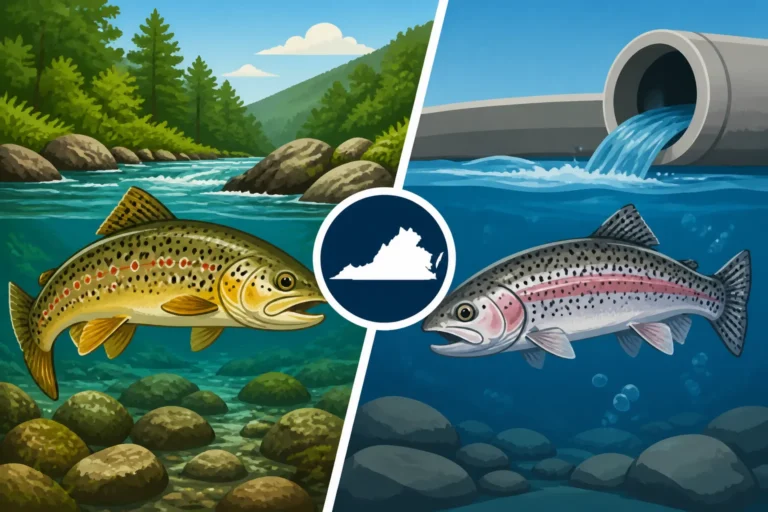
For example, Virginia's striped bass season runs January 1 through March 31, with a second season opening May 16. The Virginia rockfish slot limit is 28 to 31 inches, and only one striped bass per person allowed. These regulations are vital to know, especially if you're targeting specific species. Wild trout stream rules in Virginia are different from stocked trout waters. You might even need a special trout license to fish stocked trout waters in Virginia in addition to your general freshwater license. Always check the current regulations handbook for each state you visit, usually found on their DWR websites. A quick search for "Virginia fishing regulations explained" will bring up the official guide.
Understanding Enforcement and Penalties
Game wardens and wildlife officers are out there, and they're serious about enforcing fishing laws. You don't want to learn about the penalties for fishing without a license in Virginia the hard way. Virginia game wardens check for valid fishing licenses on the water, and yes, rangers can cite you for fishing without a license in Virginia. The fines can be substantial, often ranging from a few hundred dollars to more, plus court costs, and could even include confiscation of your gear or loss of future fishing privileges. It's simply not worth the risk to try and save a few bucks by skipping a license.
Keeping Your License Accessible
Whether you buy your Virginia fishing license online through the DWR website or in person at a licensed agent, make sure you have proof of it with you at all times while fishing. Many states allow a digital copy on your phone, but it’s always wise to have a printed paper copy of your Virginia fishing license as a backup, especially if you're in areas with spotty cell service. Keep it in a waterproof bag along with your ID. This simple step can save you a lot of hassle during a routine check.
Consider a Fishing App for On-the-Go Info
Several excellent fishing apps are available, some of which compile regulations for multiple states. While these are not official legal documents, they can be incredibly handy for quick reference on the water, especially for things like size and creel limits. Just be sure to cross-reference with official state websites for critical information.
Planning for Success: A Multi-State Checklist
To recap and help you plan your ultimate fishing road trip, here’s a quick checklist to keep you organized:
- Map Your Route: Identify all the states you'll be fishing in.
- Identify Target Species: This will help you narrow down if you need freshwater, saltwater, or specific trout endorsements.
- Check Resident vs. Nonresident Status: Know which category you fall into for each state.
- Research License Options: Prioritize short-term licenses over annual ones for brief stops.
- Look for Exemptions: See if youth, senior, or disabled anglers in your group qualify for special rates.
- Note Free Fishing Days: Can you align your trip for some license-free fishing?
- Budget Accordingly: Create a spreadsheet or detailed list of all license costs.
- Verify Regulations: Download or bookmark the official regulations for each state and specific waters.
- Purchase Licenses in Advance: Buy online where possible and save proof (digital + print).
- Pack Smart: Ensure all necessary gear, including your licenses, is accessible and waterproof.
By taking the time to properly budget and prepare for fishing licenses on a multi-state road trip, you'll be able to focus on what really matters: enjoying the incredible fishing opportunities Virginia and its neighbors have to offer. Tight lines!
Disclaimer
The information provided in this guide is for general informational purposes only and does not constitute legal advice. Fishing regulations and license requirements are subject to change without notice. Always consult the official websites of the Virginia Department of Wildlife Resources (DWR) and the relevant wildlife agencies of any other state you plan to fish in for the most current and accurate regulations before your trip.