Statewide bass daily limits explained
There’s nothing quite like the excitement of a bass hitting your line in a Virginia lake or river. The fight is legendary, and the thought of bringing in a lunker is what keeps many of us coming back. But amidst that excitement, it’s all too easy to get tripped up by the regulations, especially when it comes to how many bass you can actually keep. This guide is here to clear up the confusion around Virginia's statewide bass daily limits, so you can focus on fishing smart and staying compliant.
Understanding Virginia's General Bass Regulations
Virginia's waters are home to a fantastic array of bass species, from the ubiquitous largemouth to the feisty smallmouth, and even the increasingly common spotted and Alabama bass. While each offers a unique angling experience, the Virginia Department of Wildlife Resources (DWR) has established clear guidelines to ensure these populations remain healthy and abundant for generations to come. It’s crucial for every angler, whether you’re a seasoned veteran or just starting out, to understand these fundamental rules before you even cast your first line.
The Statewide Daily Creel Limit for Bass
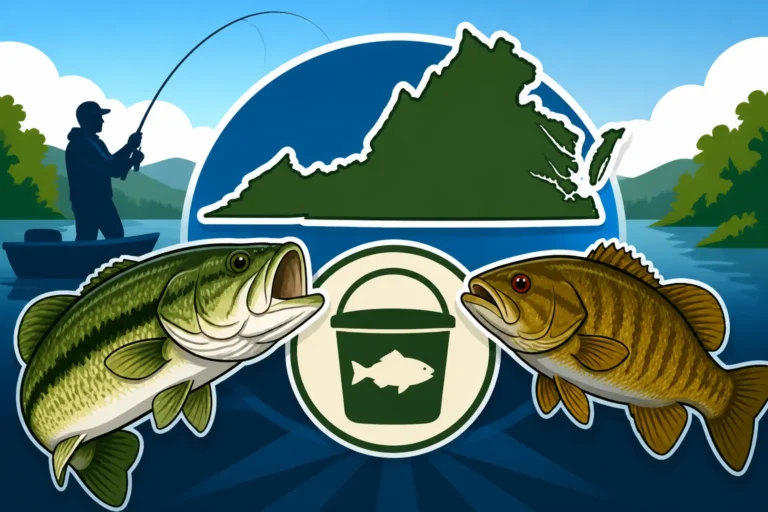
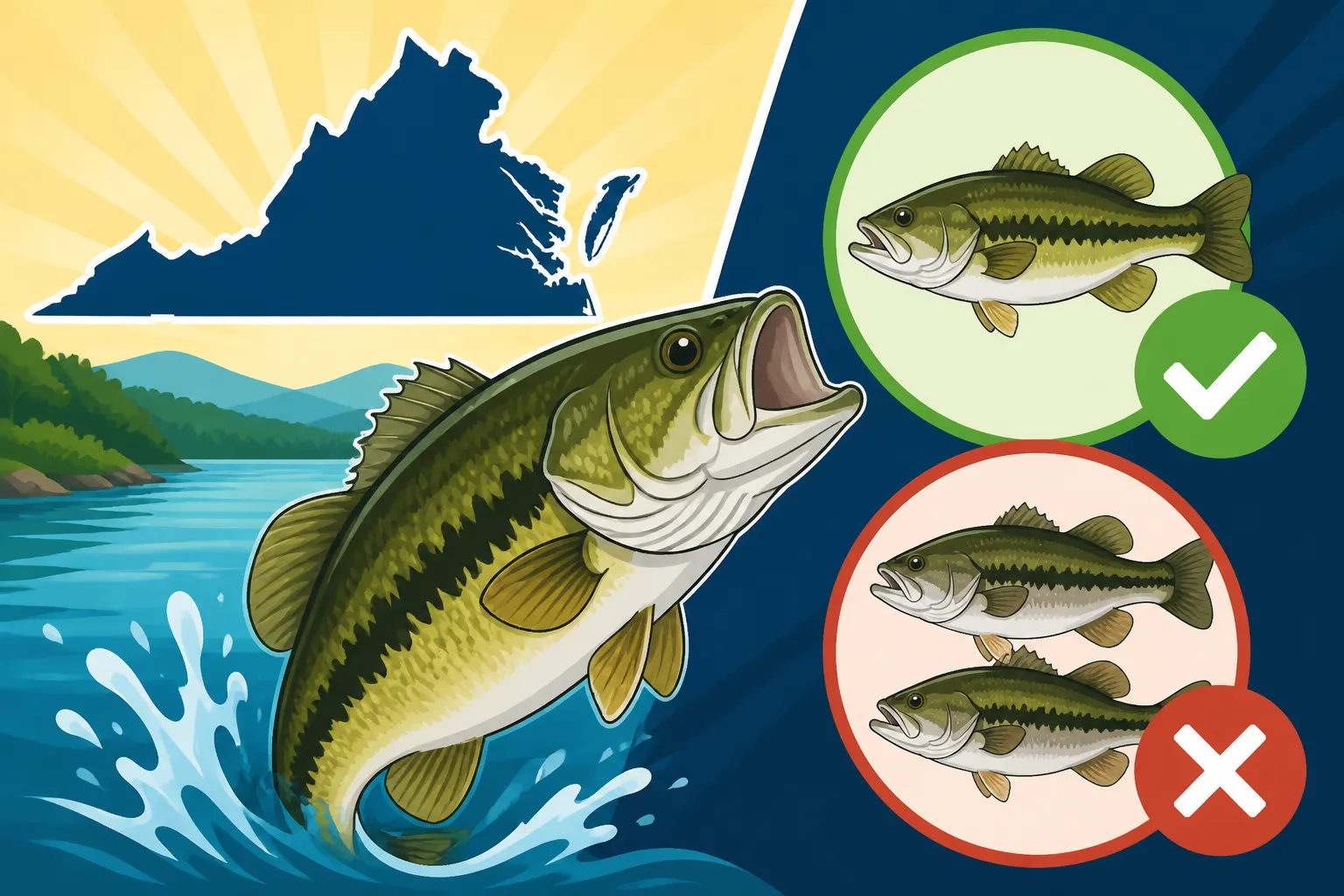
One of the most important rules to etch into your memory is the statewide daily creel limit for bass. In Virginia, you are allowed to keep 5 bass combined per day. Now, "combined" is the key word here, and it’s where some anglers can get a little confused. This limit isn't just for one species; it encompasses all major black bass species found in the Commonwealth, including largemouth, smallmouth, spotted, and Alabama bass. This means that if you catch three largemouth bass and two smallmouth bass, you’ve reached your daily limit of five, even if you haven't caught five of any single species. It's a cumulative total across the entire black bass family.
It’s vital to be able to identify your catch accurately, which can sometimes be a challenge, especially when comparing similar-looking species like largemouth and spotted bass. Knowing your fish is not just for bragging rights; it’s a crucial part of being a responsible angler and abiding by the regulations. You can learn more about how to identify a largemouth bass in Virginia or how to identify a smallmouth bass in Virginia to help you distinguish between your catches. Remember, the goal is conservation, and these limits help manage the overall pressure on our bass fisheries.
Statewide Length Limits and Why They Matter
While the daily creel limit of 5 bass combined is pretty straightforward statewide, the topic of length limits can sometimes be a bit more nuanced. For most of Virginia’s waters, there isn't a general statewide minimum or maximum length limit specifically for black bass. This often surprises anglers who are used to strict length regulations in other states or for different species. However, this absence of a blanket statewide length limit doesn't mean you can keep any size bass you catch. It simply means that most length restrictions are applied at a more local, site-specific level, which we’ll dive into next.
The DWR employs various management strategies, and for bass, this often involves focusing on creel limits and, where necessary, special slot limits or minimum/maximum lengths on particular bodies of water. These limits are carefully determined based on scientific data, population assessments, and the unique characteristics of each fishery. The primary reason for any length limit, whether statewide or local, is conservation. They are designed to protect younger fish, allowing them to grow to maturity and reproduce, thereby contributing to a sustainable fishery. They can also be used to create trophy fisheries by protecting larger, older fish. Always ask, "Is there a statewide length limit on bass in Virginia?" before you head out, and you'll find the answer is usually "no" for the state as a whole, but that doesn't let you off the hook for local rules.
Navigating Special Regulations and Slot Limits
Here’s where things get a little more intricate, and it's absolutely crucial for every angler to pay close attention. While Virginia has a straightforward statewide daily creel limit for bass, many of its most popular and productive fishing spots operate under their own specific rules. Ignoring these localized regulations can lead to serious fines and penalties, not to mention impacting the very fisheries we love to enjoy.
When Statewide Rules Don't Apply: Site-Specific Regulations
It’s a common misconception that once you know the general statewide rules, you’re good to go anywhere. Unfortunately, that’s not always the case, especially in a state with such diverse fishing opportunities as Virginia. Many of the Commonwealth's lakes, rivers, and reservoirs have their own unique set of regulations that supersede or add to the statewide guidelines. These site-specific rules are often implemented for very good reasons, tailored to the biological needs of the fish population in that particular body of water. For instance, a lake known for its trophy largemouth bass might have a slot limit designed to protect those larger breeding fish, while a river recovering from environmental stress might have more restrictive daily limits.
Think of popular spots like Smith Mountain Lake or Lake Anna; while the statewide 5-bass limit applies, these waters might have additional rules regarding minimum or maximum lengths, or even specific seasons for certain bass species. This is why it’s imperative to check the DWR regulations specifically for the body of water you plan to fish every single time you go out. Conditions and regulations can change, and what was true last year might not be true today. Just because you know the statewide "Virginia's daily bass limit is 5 fish combined" doesn't mean you've got all the information you need. Always remember, "Some Virginia lakes enforce their own bass slot limits," and it's your responsibility to know which ones.
Deciphering Slot Limits and Minimum/Maximum Lengths
Slot limits are a particular type of regulation that can be confusing for those unfamiliar with them, but they are incredibly effective tools for fisheries management. A slot limit typically specifies a size range (the "slot") within which fish cannot be kept, or conversely, a range within which they must be kept. For example, a common slot limit might be "no bass between 12-15 inches can be kept," meaning you can keep fish smaller than 12 inches and larger than 15 inches, up to your daily creel limit. Another variation might be "only one bass over 20 inches, with all other fish under 16 inches." These rules are designed to protect specific size classes of fish – often the prime breeding stock or young fish that need more time to grow.
Minimum length limits mean that any fish you catch below a certain size must be immediately released. This protects juvenile fish, allowing them to mature and contribute to the population. Maximum length limits, on the other hand, require you to release any fish over a certain size. This strategy aims to protect large, often older, trophy-sized fish that are crucial for genetic diversity and reproductive success within the fishery. For example, you might find regulations that say, "5 bass daily, with only one bass over 18 inches allowed." Understanding these nuances is key. Always read the DWR fishing regulations explained for your specific location carefully.
Practical Tips for Staying Compliant and Enjoying Your Trip
Nobody wants a great day of fishing to end with a citation or a confusing conversation with a game warden. Staying compliant with Virginia's bass limits and other regulations is easier than you think, but it requires a little preparation and mindfulness. It's about being a responsible angler who respects the resource and helps ensure healthy fish populations for everyone.
Essential Tools for Measuring and Counting Your Catch
When you're out on the water, especially in a boat, having the right tools readily accessible makes a world of difference. The most critical piece of equipment, beyond your rod and reel, is a reliable measuring device. A flat, rigid measuring board or a flexible, sturdy tape measure is indispensable. You'll want something that allows you to quickly and accurately measure your catch without causing undue stress to the fish. When measuring, always lay the fish flat on its side, mouth closed against a bump board or end of the tape, and measure to the tip of the tail. Precision matters here; don't just eyeball it. You can find excellent, durable measuring boards and tapes on platforms like Amazon, often designed specifically for anglers.
Beyond measuring, keeping track of your catch count is equally important, particularly when that 5-bass combined daily limit is looming. A simple stringer is effective if you plan to keep your fish. For catch-and-release, or if you're keeping a few but releasing most, a livewell is ideal. Some anglers even use small clicker counters, like those found on Amazon for various purposes, to keep a tally as they go. This prevents the common mistake of accidentally over-bagging. It's easy to lose count in the excitement of a good bite, so having a system in place will save you a lot of headaches later.
Where to Find the Most Up-to-Date Regulations
This might sound like a broken record, but it bears repeating: always check the current regulations before you go fishing. The Virginia Department of Wildlife Resources (DWR) is your absolute best source for up-to-date and accurate information. Their website is a treasure trove of knowledge, offering detailed breakdowns of all Virginia fishing regulations explained, including specific rules for individual lakes and rivers. You can often download a PDF of the current regulations pamphlet, which is also available in print at most DWR offices, bait and tackle shops, and even some sporting goods stores.
Never rely solely on what you think you remember from last season, or what a friend told you. Regulations can and do change to adapt to fish populations, environmental conditions, and management goals. For instance, the specific rules for striped bass season and slot limit in Virginia, or even wild trout stream rules in Virginia, are updated regularly. Many local bait shops are also fantastic resources, as their owners and staff are usually avid local anglers themselves and stay current on the rules. When in doubt, a quick check of the DWR website or a call to a local DWR office can prevent a costly mistake. And while you're there, remember to secure your Virginia fishing license guide, which you can usually find through their online portal or at various license agents. You can also explore options like how to buy a fishing license online in Virginia or where to buy a Virginia fishing license in person.
The Impact of Bass Limits on Conservation
Fishing is more than just a hobby; it’s a connection to nature and a tradition passed down through generations. For these traditions to continue, we must all play our part in conservation. Daily limits and size restrictions aren’t arbitrary hurdles; they are scientifically determined measures designed to protect our precious natural resources. Understanding the "why" behind these rules helps us appreciate their importance and fosters a deeper respect for the sport and the environment.
How Daily Limits Support Healthy Fish Populations
Every fish we catch, whether we keep it or release it, has an impact on the overall population. Daily creel limits are a cornerstone of responsible fisheries management, working to prevent overfishing and ensure that a sufficient number of fish remain in the water to reproduce and sustain the population. When too many fish are removed, especially larger, mature breeding stock, the entire ecosystem can suffer, leading to smaller average sizes, fewer fish, and ultimately, a decline in fishing quality.
The "5 fish combined" limit for bass in Virginia is a carefully calculated figure. Fisheries biologists consider factors like the reproductive rates of bass, their growth potential, and the fishing pressure on various waters. By setting a limit, they ensure that enough fish escape the hook each season to spawn, replenish stocks, and allow future generations of anglers to enjoy the same vibrant fisheries we have today. This balance is critical for long-term ecological health. It also ensures that the money you spend on your fishing license, which contributes directly to how fishing license fees support wildlife conservation in Virginia, is put to good use managing these resources.
The Role of Anglers in Virginia's Fisheries Management
As anglers, we are not just consumers of a resource; we are also stewards. Our actions on the water have a direct impact on the health and future of Virginia's fisheries. Adhering to daily limits, understanding slot limits, and practicing responsible catch-and-release are all ways we contribute to effective fisheries management. Releasing fish properly, especially those outside the legal harvest slot or those we don't intend to keep, ensures they have the best chance of survival. This includes minimizing handling time, using wet hands, and supporting the fish's body rather than holding it by the jaw alone.
Beyond simply following the rules, anglers can actively participate in conservation efforts. Reporting violations of fishing regulations to the DWR is crucial, as it helps enforce the rules that protect our fish. Participating in angler surveys, sharing your catch data (when requested by DWR), and engaging in local clean-up initiatives are other ways to give back. By embracing our role as conservation partners, we help ensure that the serene beauty of Virginia's waters and the thrill of landing a bass will be there for our children and grandchildren to experience. Remember that even the smallest angler needs to be aware of these practices, and you can learn more about fishing license rules for kids in Virginia to get them started right.
Virginia Statewide Bass Daily Limits Explained
| Regulation Type | Statewide Rule (Black Bass) | Specifics & Considerations |
|---|---|---|
| Daily Creel Limit | 5 fish combined | Applies to Largemouth, Smallmouth, Spotted, and Alabama Bass. Once you reach 5 fish of any combination of these species, your daily limit is met. |
| Length Limit | No general statewide limit | There is no blanket minimum or maximum length limit for bass across all Virginia waters. |
| Site-Specific Rules | Varies by waterbody | Many popular lakes and rivers (e.g., Smith Mountain Lake, Lake Anna, Claytor Lake) have their own unique length restrictions, slot limits, or special conditions that supersede the general "no statewide length limit" rule. ALWAYS CHECK LOCAL REGULATIONS! |
| Species Covered | Largemouth, Smallmouth, Spotted, Alabama Bass | These are the primary "black bass" species included in the combined daily limit. |
| Conservation Purpose | Sustainable harvest, healthy populations, trophy management | Limits help protect breeding stock, allow fish to reach maturity, and balance fishing pressure with ecological health. |
Disclaimer
The information provided in this guide is intended for general informational purposes only and is subject to change. While we strive to provide accurate and up-to-date content, fishing regulations are regularly updated by the Virginia Department of Wildlife Resources (DWR). It is the angler's sole responsibility to consult the official DWR regulations before fishing in any Virginia waters. Failure to do so may result in penalties.