Difference between wild trout and stocked trout rules in Virginia
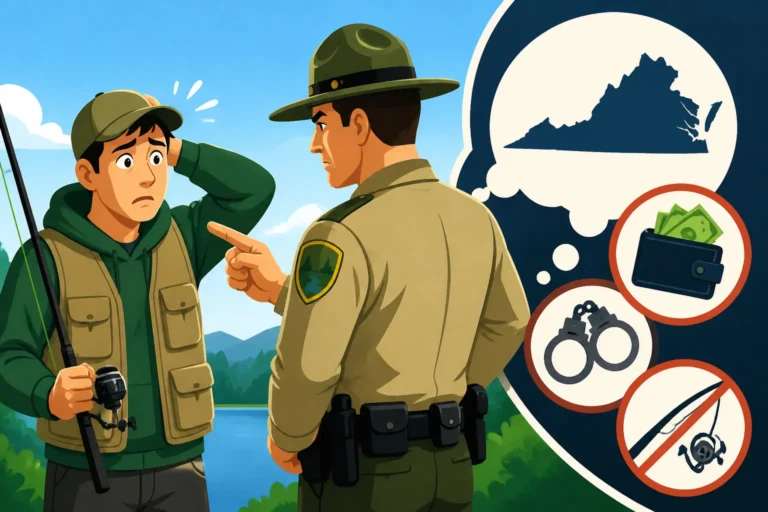
It can be incredibly confusing to figure out the exact rules when you're casting your line in Virginia, especially when it comes to trout. You hear talk of "wild" streams and "stocked" ponds, and suddenly you're wondering if your trusty fishing license is even enough, or if you need a special stamp, and what you can even keep. This guide is here to clear up that head-scratching difference between wild trout and stocked trout fishing rules in Virginia, so you can fish with confidence and stay on the right side of the regulations.
Understanding the Basics of Virginia Trout Fishing
Trout fishing in Virginia is a fantastic experience, offering everything from pristine mountain streams to easily accessible community ponds. But before you even think about what lure to tie on, it’s crucial to understand that not all trout waters are created equal in the eyes of the Virginia Department of Wildlife Resources (DWR). The regulations governing how you can fish, what you can keep, and even what gear you can use, often hinge on whether you’re targeting wild, self-sustaining trout populations or hatchery-raised fish released for recreational purposes.
Why Differentiate Between Wild and Stocked Trout?
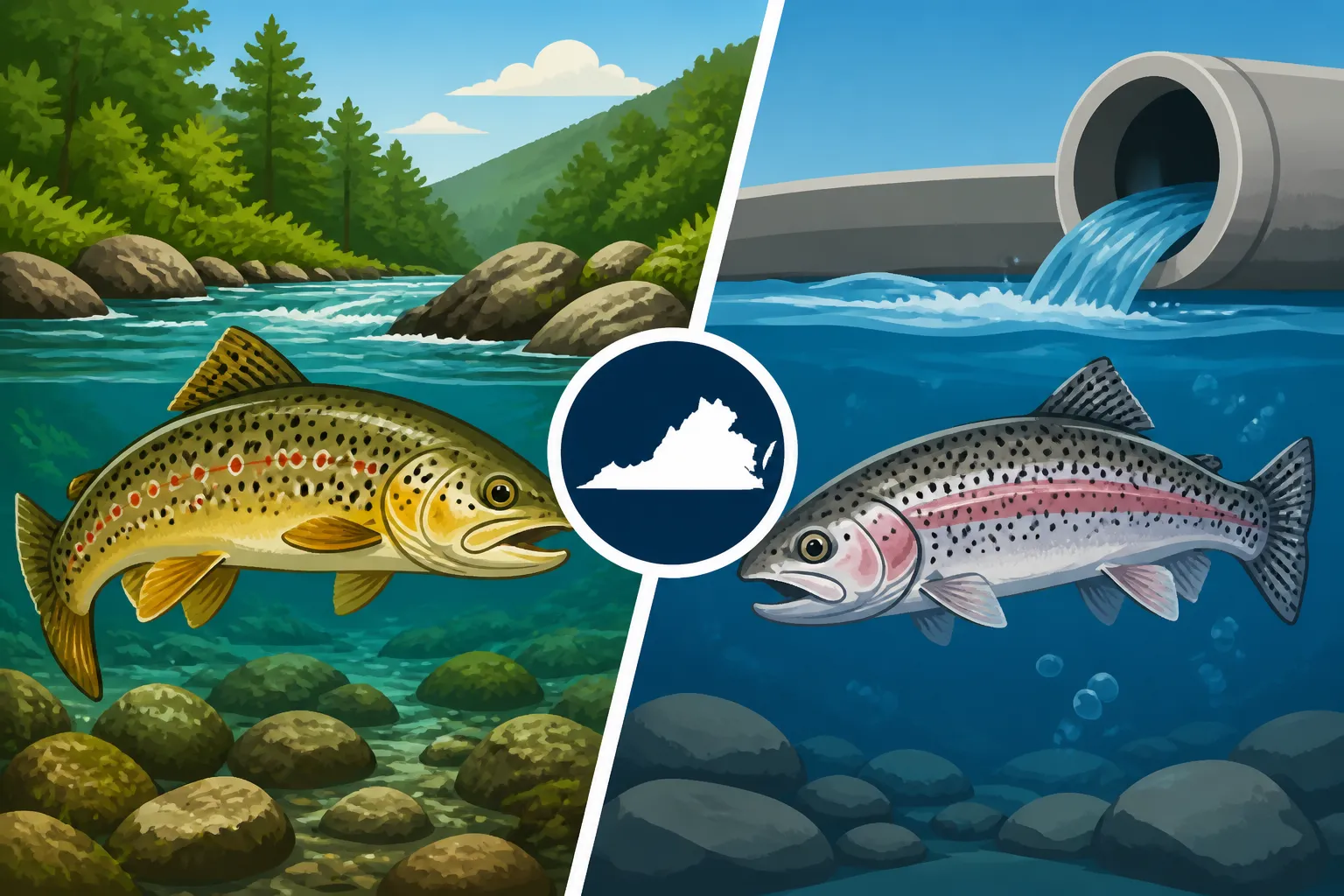
The distinction between wild and stocked trout isn't just about semantics; it's fundamental to how Virginia manages its fisheries for sustainability and angler enjoyment. Wild trout populations are a delicate resource. These fish reproduce naturally in healthy, often remote, stream ecosystems. Their survival depends on factors like water quality, habitat integrity, and controlled fishing pressure. Overharvesting or inappropriate fishing methods can quickly decimate these fragile populations, which take years to recover. Thus, wild trout waters typically have more restrictive rules aimed at conservation and protecting the genetic diversity of native species, especially the beautiful state fish, the Brook Trout.
Stocked trout, on the other hand, are raised in hatcheries and released into designated waters specifically to create fishing opportunities. These "put-and-take" fisheries are designed to be enjoyed by a broader range of anglers, from beginners to seasoned veterans, without impacting wild populations. Since these fish are grown and replenished by the DWR, the rules are often more liberal, focusing on providing a good harvest for anglers. Understanding this core difference in management goals is the first step to truly grasping the varied regulations you'll encounter across the Commonwealth.
General Trout Fishing License Requirements
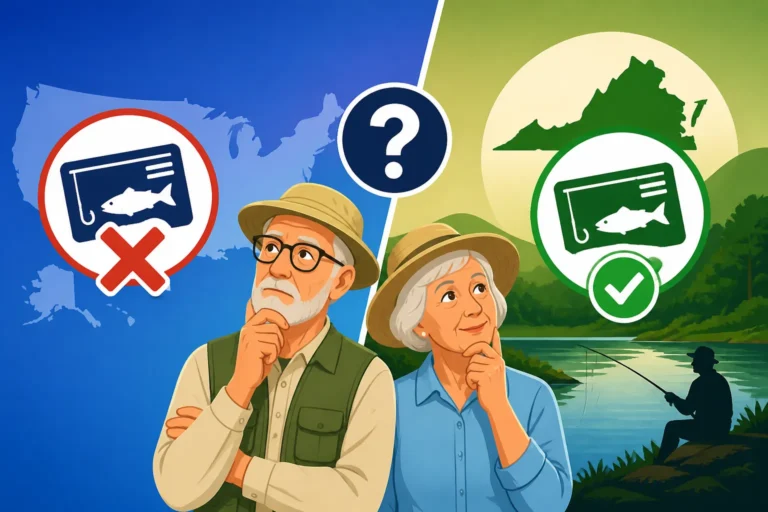
No matter if you're chasing elusive wild trout in a remote mountain hollow or casting for freshly stocked rainbows in a local lake, the first thing you'll need is a valid Virginia fishing license. For most resident anglers aged 16 and older, a basic annual freshwater fishing license is the foundation. However, and this is where many folks get tripped up, if you plan to fish in stocked trout waters, you'll almost always need an additional Virginia Freshwater Trout Fishing License, commonly referred to as a trout stamp. This stamp is a specific endorsement on your general license that helps fund the DWR's extensive trout stocking program.
It’s important to remember that not all waters require this stamp. For instance, if you're solely fishing for wild trout in a designated wild trout stream, the general freshwater license is usually sufficient. But if you’re heading to one of the DWR’s heavily stocked waters, like those found in the Delayed Harvest Trout Waters program or the regular Put-and-Take trout streams, that trout stamp is non-negotiable. It’s always best practice to double-check the specific regulations for the body of water you intend to fish, as rules can change annually. You can find more detailed information on specific requirements in our Stocked Trout License Requirements in Virginia guide, or by consulting the latest Virginia Fishing Regulations Explained document.
Deciphering Wild Trout Stream Regulations
Virginia's wild trout streams are a treasure, offering a challenging yet incredibly rewarding experience for anglers who appreciate solitude and the pursuit of truly native fish. These are often the smaller, colder headwater streams nestled deep in the Appalachian Mountains, supporting self-sustaining populations of Brook Trout, and in some areas, wild Brown Trout and Rainbow Trout. Fishing these waters is less about catching a limit and more about the art of the presentation and the joy of connecting with a wild creature in its natural habitat.
Key Characteristics of Wild Trout Streams
What makes a wild trout stream "wild" isn't just the absence of hatchery fish, but the entire ecosystem that supports them. These streams are characterized by their pristine water quality, often crystal clear and extremely cold, even in the height of summer. They typically have a healthy mix of riffles, runs, and deep pools, with plenty of instream cover from rocks, fallen timber, and undercut banks. The surrounding riparian zone—the land directly adjacent to the stream—is usually undisturbed, providing shade, insect life, and preventing erosion.
The trout themselves are distinct. Wild Brook Trout, with their vibrant colors and intricate patterns, are a sight to behold and are particularly prized. You might also find wild Brown Trout, which are known for their wariness, and in some systems, naturally reproducing Rainbow Trout. These fish tend to be smaller than their stocked counterparts, but what they lack in size, they more than make up for in beauty, feistiness, and the sheer satisfaction of catching a fish that has survived entirely on its own wits. Because these populations are self-sustaining, they are highly sensitive to environmental changes and fishing pressure, necessitating more protective regulations. This is why knowing the difference is paramount for any responsible angler exploring Best Trout Streams in Virginia.
Specific Rules for Wild Trout Waters
When you're fishing in a designated wild trout stream, the regulations are typically designed for conservation, focusing on protecting the natural resource. This often means catch-and-release is strongly encouraged or even mandated, especially for native Brook Trout. While specific rules can vary by individual stream or river section, here are some common guidelines:
- Length Limits: Many wild trout streams have strict minimum length limits, and it's not uncommon to find areas where all trout must be immediately released, regardless of size. For example, Virginia wild trout streams have a 7-inch minimum length for keeping fish, but many stretches are managed as catch-and-release only. This ensures that larger, spawning-age fish remain in the population to reproduce.
- Creel Limits: Daily creel limits on wild trout waters are often much lower than stocked waters, typically one or two fish per day, if any harvest is allowed at all. In many instances, the daily limit is zero, meaning pure catch-and-release is the only option.
- Gear Restrictions: This is a major differentiator. To minimize harm to wild trout and ensure fair chase, many wild trout streams restrict anglers to using only artificial lures or flies with a single, barbless hook. Live bait, which can lead to deeper hooking and higher mortality rates for released fish, is often prohibited. Using barbless hooks makes it much easier to safely release a fish, increasing its chances of survival.
- Seasons: While some wild trout streams are open year-round for catch-and-release, others might have specific seasons, especially those designated as Special Regulation Waters. Always consult the DWR's current regulations guide for the specific stream you plan to fish.
These stringent rules are in place to preserve the delicate balance of these natural ecosystems and ensure that future generations can also experience the thrill of catching wild Trout Fishing in Virginia: Rainbow, Brown, and Brook Trout.
Navigating Stocked Trout Water Rules
For many anglers in Virginia, especially those looking for a more accessible and often more productive fishing experience, stocked trout waters are the go-to. These are the streams, rivers, and lakes where the DWR regularly releases hatchery-raised trout, primarily Rainbow Trout, but also Brown and Brook Trout, to provide ample opportunities for anglers to catch and keep fish.
How Stocked Trout Programs Work in Virginia
Virginia's stocked trout program is a well-oiled machine, carefully planned and executed by the DWR to spread fishing opportunities across the state. Hatcheries, like the well-known Montebello Hatchery in Nelson County, raise millions of trout each year. These fish are then transported and released into designated "Put-and-Take" streams, "Delayed Harvest" waters, and "Catchable Trout" ponds and lakes. The primary goal is to provide a readily available fishery for anglers, especially in areas where natural trout reproduction isn't sustainable due to water temperature, habitat, or other factors.
The stocking schedule is critical for these fisheries. The DWR typically begins stocking in the fall, continuing through the winter and into the spring. This is because trout thrive in colder water, so stocking during these cooler months ensures the fish have the best chance of survival and provides peak fishing opportunities. For example, Virginia's stocked trout season runs from October to mid-June, offering extended periods of excellent fishing. The stocking program not only supports recreational angling but also provides an economic boost to many rural communities that host these popular fishing destinations. You can dive deeper into the DWR's strategy and specific waters in our Virginia Stocked Trout Season Guide.
Regulations for Stocked Trout Waters
Rules for stocked trout waters tend to be more relaxed than those for wild streams, focusing on giving anglers a fair chance at harvesting their catch. However, they are still precise and require attention to detail, especially regarding the need for that extra trout stamp.
- Trout Stamp Requirement: As mentioned earlier, if you're fishing in designated stocked trout waters, you'll almost certainly need a Virginia Freshwater Trout Fishing License (trout stamp) in addition to your general freshwater license. This ensures that the costs associated with raising and transporting these fish are offset, directly supporting the program you're enjoying. This is a common point of confusion for new anglers, so make sure to double-check: Do you need a special license to fish stocked trout waters in Virginia?
- Creel Limits: Stocked waters typically have more generous daily creel limits, usually allowing anglers to keep 4-6 fish per day. The exact number can vary by specific water body and time of year, so always check the regulations for the particular stream or lake you're visiting.
- Size Limits: While some stocked waters might have a minimum size limit (e.g., 7 inches), many allow anglers to keep trout of any size. This is particularly true for "put-and-take" waters where the goal is to provide harvest opportunities for all sizes of stocked fish.
- Gear Restrictions: Unlike many wild trout streams, stocked waters generally allow the use of a wider variety of baits and lures. This means you can typically use natural baits like worms, corn, or powerbait, along with artificial lures and flies. This flexibility makes these waters more accessible for different fishing styles and experience levels.
- Special Regulations (Delayed Harvest): Virginia also has "Delayed Harvest" waters. These streams are stocked in the fall and spring and managed under catch-and-release regulations (often artificial lures/flies only, single barbless hook) for a period, typically until early June. After that, they revert to general trout regulations, allowing harvest. This provides a unique extended catch-and-release season before transitioning to a more traditional "put-and-take" model. Always verify the specific rules for Delayed Harvest waters, as they combine aspects of both wild and stocked regulations.
Practical Tips for Anglers
Navigating Virginia's trout fishing rules doesn't have to be a headache. With a little preparation and the right approach, you can ensure your time on the water is both productive and compliant with DWR regulations.
Identifying Your Fishing Location
The first and most critical step to avoiding any regulatory mishaps is knowing exactly where you're fishing. Virginia has hundreds of miles of trout streams, and distinguishing between a wild trout section and a stocked section can sometimes be challenging without the right resources.
Your best friend here is the Virginia DWR's fishing guide and interactive map. They provide detailed maps that clearly mark designated wild trout streams, stocked trout streams, and special regulation areas like Delayed Harvest waters. Many popular fishing spots will also have signage indicating the specific rules for that stretch of water. Don't rely on word-of-mouth alone; always cross-reference with official DWR publications or their website. Taking a moment to confirm your location on a map can save you from potential fines or inadvertently harming a delicate wild trout population. A good waterproof map, which you can often find on Amazon or at local tackle shops, is always a wise investment for remote areas without cell service.
Essential Gear and Techniques
The type of trout water you're fishing will often dictate your gear and preferred techniques.
- For Wild Trout: When targeting wild trout, especially in smaller streams, a lighter touch is key. Ultralight spinning gear with 2-4 lb test line or a light fly rod (2-4 weight) is ideal. Flies like small dry flies, nymphs, and emergers are highly effective, as are small spinners (e.g., Panther Martin, Rooster Tail) or tiny spoons with a single, barbless hook. Stealth is paramount; wild trout are incredibly wary. Approach streams carefully, minimize shadows, and cast accurately. You might find a great selection of barbless hooks and fly-tying materials on Amazon to prepare for these specific conditions.
- For Stocked Trout: Stocked trout are generally less finicky and will respond to a wider array of baits and lures. PowerBait, worms, corn, salmon eggs, and small marshmallow combinations are all popular and effective baits. For artificials, spinners, small spoons, and even small crankbaits can work wonders. Medium-light spinning gear with 4-6 lb test line is a versatile choice. Stocked trout often congregate near stocking points, deeper pools, or areas with current that bring food. You can easily stock up on these versatile baits and lures, including popular brands, through retailers or online via Amazon before your trip.
- General Tips: Regardless of the water type, always carry a pair of needle-nose pliers or a hook remover for quick and safe unhooking. A small net with rubber mesh can also help protect fish if you plan to release them. Wearing polarized sunglasses will help you spot fish and underwater structure. Always check the water temperature; trout are cold-water fish, and understanding how temperature influences their activity can greatly improve your success.
Respecting the Resource
Beyond just following the rules, being a responsible angler means showing respect for the fish and the environment. This includes practicing "Leave No Trace" principles—pack out everything you pack in, and perhaps even a little extra trash you find. Handle all fish with wet hands, especially if you intend to release them, to protect their protective slime coat. If a fish is deeply hooked and you plan to release it, it's often better to cut the line as close to the hook as possible rather than trying to remove the hook, which can cause more damage.
By understanding the difference between wild and stocked trout regulations in Virginia, you're not just avoiding a ticket; you're actively participating in the conservation efforts that keep Virginia's fishing heritage alive and thriving for everyone. Be informed, be prepared, and enjoy your time on the beautiful waters of Virginia!
| Feature | Wild Trout Waters | Stocked Trout Waters |
|---|---|---|
| Purpose | Conservation of natural, self-sustaining populations | Provide recreational harvest opportunities |
| Primary Species | Native Brook Trout; Wild Brown, Rainbow Trout | Hatchery-raised Rainbow, Brown, Brook Trout |
| Trout Stamp Needed? | Generally NO (unless special regulation applies) | YES (in most designated stocked waters) |
| Daily Creel Limit | Often 0 (catch-and-release), 1-2 fish maximum | Typically 4-6 fish |
| Size Limit | Often 7+ inches, or catch-and-release only | Varies, sometimes no minimum, often 7+ inches |
| Gear Restrictions | Often Artificial Lures/Flies ONLY, Single Barbless Hook | Generally allows Natural Baits, Artificial Lures, Flies |
| Stocking | NO stocking | YES, regularly stocked by DWR |
| Season | Often year-round, specific seasons for some | Defined stocking seasons (Fall, Winter, Spring) |
| Habitat | Pristine, cold, high-elevation mountain streams | More accessible rivers, lakes, ponds, or specific stream sections |
Disclaimer
The information provided in this guide is for general informational purposes only and is not a substitute for the official Virginia Department of Wildlife Resources (DWR) regulations. Fishing laws and regulations can change, and it is the angler's responsibility to consult the most current DWR fishing guide or website before fishing. Always verify specific rules for the exact body of water you intend to fish.