What to Bring on a Chesapeake Bay Fishing Charter
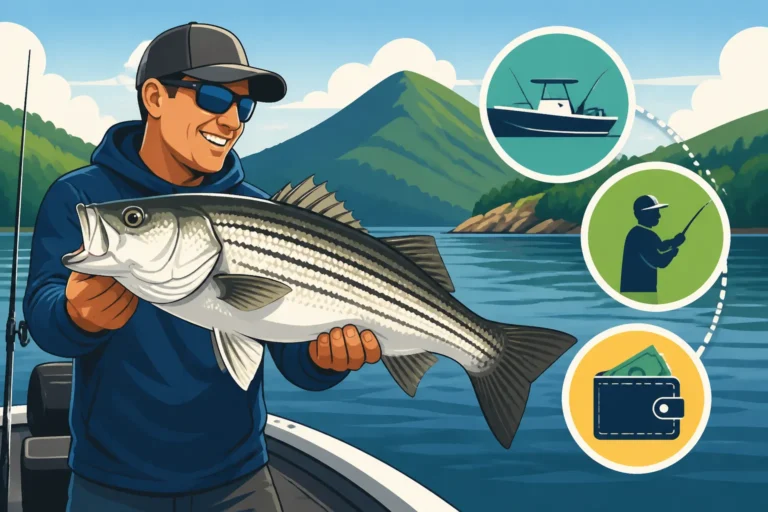
Heading out on a Chesapeake Bay fishing charter is an incredibly exciting prospect, but the moment you start thinking about what to pack, a wave of confusion can hit. Will they have enough rods? What about sunscreen? Is my trusty lucky hat a necessity or an extra? This comprehensive guide will put your mind at ease by detailing everything you should consider bringing to make your Chesapeake Bay fishing adventure smooth, comfortable, and ultimately, unforgettable.
Understanding What Your Charter Typically Provides
Before you even start rummaging through your tackle box or digging out your old fishing clothes, it’s really important to understand that most reputable Chesapeake Bay fishing charters are pretty well-equipped. They're in the business of getting you on fish, and that means providing the essential tools for the job. Don't fall into the trap of thinking you need to haul every piece of gear you own onto the boat!
A quick look at your charter's booking information, often found on their website or confirmation email, is your first stop. Many services, especially those booked through platforms like FishingBooker, clearly outline what's included. This is where you'll usually find details about fishing licenses, which is a huge relief. Typically, the charter will cover the boat's blanket license, meaning you won't need to purchase an individual Virginia Fishing License Guide specifically for that trip while you're on their vessel. However, always double-check this critical detail!
Most charters also provide rods, reels, and a good selection of terminal tackle relevant to the species you'll be targeting, whether that's striped bass, flounder, or red drum. They'll have a cooler full of ice for your catch, and often offer to clean and bag your fish at the end of the trip. But don't assume they'll have everything you might personally want or need beyond the basics. They are there to facilitate fishing, not to act as your personal outfitter for the day!
Standard Inclusions: What to Expect on Board
When you step aboard a Chesapeake Bay fishing charter, you can generally expect a few key things to already be in place. First and foremost, you're on a vessel with an experienced captain and often a mate, who know the local waters like the back of their hand. They understand the patterns of the fish, the tides, and how to keep everyone safe. That expertise alone is worth its weight in gold.
Beyond the human element, the boat itself will be equipped with all necessary safety gear. Think life jackets, first-aid kits, communication devices, and navigation equipment. This isn't just a courtesy; it's a legal requirement and a testament to their professionalism. For fishing, expect quality rods and reels appropriate for saltwater species, along with a variety of hooks, sinkers, leaders, and lures. They'll likely have fresh bait ready to go, often purchased that morning to ensure its quality. Live bait is a game-changer on the Bay, and your charter will usually have it if the target species calls for it. You might also find a large cooler on board, specifically for keeping your prize catches on ice throughout the day. It's a good idea to confirm What's Included in a Virginia Fishing Charter when you book to avoid any surprises.
What Charters Often Don't Include
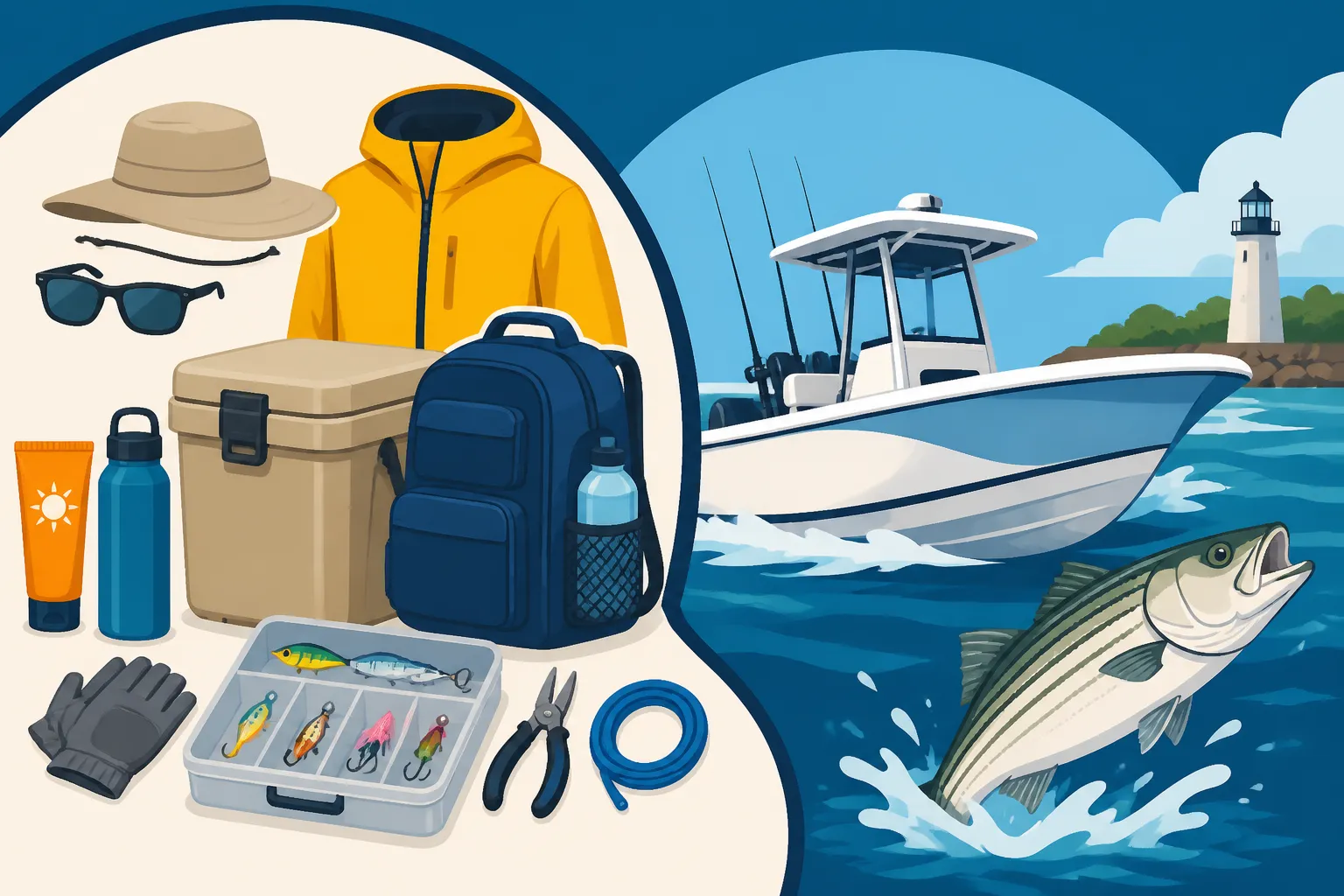
While charters are fantastic for providing the core fishing experience, they usually don't provide for your personal comfort items or specific preferences. This is where your packing list really comes into play. You won't find a communal supply of snacks, drinks, or lunch, so you'll definitely need to bring your own sustenance. Personal items like sunscreen, sunglasses, hats, and appropriate clothing for changing weather conditions are also entirely your responsibility.
Specialized fishing gear, beyond the standard setup, is also generally not included. If you have a specific lure you swear by, a lucky net, or a preferred type of pliers, bring it along! Just remember to ask the captain or mate if your personal gear is appropriate for the day's target species and conditions. They might have a better recommendation or a rule about what can be used on their boat. Things like rain gear, extra layers, and personal medications are also vital and strictly up to you to remember.
Personal Essentials: Keeping Yourself Comfortable and Safe
When you're out on the Chesapeake Bay, especially for a full day, comfort and safety should be your top priorities. The Bay can be unpredictable, with weather shifting rapidly, and what starts as a sunny morning can quickly turn breezy and overcast. Being prepared for these changes will make your trip infinitely more enjoyable.
Think about layers when it comes to clothing. Even on a hot summer day, the breeze out on the water can be cooler than you expect, and a sudden shower can leave you chilled if you're not prepared. Sun protection is absolutely non-negotiable; the reflection off the water amplifies the sun's rays, making sunburn a real threat even on cloudy days.
And don't forget those small personal items that can make a big difference. A good pair of polarized sunglasses will not only protect your eyes but also help you spot fish or structure under the water. A hat with a brim is another simple but effective shield against the sun. Trust me, nobody wants to spend the second half of their fishing trip squinting and nursing a headache.
Clothing for All Seasons and Sudden Weather Shifts
The Chesapeake Bay weather has a mind of its own, and you'll often experience four seasons in a single day, especially during spring and fall. Layers are your best friend here. Start with a light, moisture-wicking base layer, even in summer, as it helps manage sweat and can dry quickly. Over that, a long-sleeved shirt is a fantastic idea for sun protection, even if you think it's too warm. Many modern fishing shirts are specifically designed to be breathable and offer UV protection.
For cooler mornings or evenings, or if a front moves in, a fleece jacket or hoodie is perfect. And for those inevitable Bay showers, a lightweight, waterproof rain jacket and pants are a lifesaver. You don't want to be soaked and miserable when the fish are biting! Remember, cotton takes forever to dry, so opt for synthetic blends or wool if you can. For your feet, waterproof deck shoes or comfortable, non-slip sneakers are ideal. Avoid open-toed sandals or flip-flops, as you want protection and stability on a moving boat deck. Consider reading What to Wear on a Virginia Beach Fishing Charter for more in-depth clothing tips that apply equally to the Bay.
Sun Protection and Hydration: Non-Negotiables
The sun on the water is no joke. Seriously, it's intense. You're getting direct rays from above and reflected rays from the water, creating a double whammy. High-SPF sunscreen, and don't skimp on it, is essential. Reapply often, especially if you're getting wet or sweating. A good lip balm with SPF is also a smart move to prevent chapped lips.
A wide-brimmed hat is crucial for protecting your face, ears, and neck, which are often overlooked areas for sunburn. Coupled with polarized sunglasses, you'll be much more comfortable and be able to see into the water better, which is a huge advantage for spotting structure or even fish. Hydration is equally important. Bring plenty of water – more than you think you'll need. Dehydration can creep up on you quickly, leading to fatigue and headaches. Sweet drinks are fine, but water is king. Some anglers also pack electrolyte drinks for longer trips, especially on hot days.
Essential Personal Items and Medications
Beyond clothing and sun protection, a few other personal items can significantly improve your trip. Any personal medications you need should be in a waterproof bag and easily accessible. If you're prone to seasickness, this is critical. Take any motion sickness medication well before you board the boat, as it's often too late once you start feeling queasy. Ginger chews or wristbands can also offer some relief for mild cases.
A small, waterproof bag or dry bag is invaluable for keeping your phone, wallet, keys, and any other valuables safe from spray or unexpected downpours. It's truly amazing how quickly something can get wet on a boat. Hand sanitizer is also a good idea, especially before eating snacks or lunch, as you'll be handling bait and fish. And while many charters have basic first-aid, bringing a small personal kit with things like band-aids, antiseptic wipes, and pain relievers can be handy for minor scrapes or headaches. Don't forget a camera (or your phone) to capture those unforgettable moments, just make sure it's protected from the elements!
Food, Drinks, and Comforts: Making Your Trip Enjoyable
Fishing can be hungry and thirsty work! While your charter will have a cooler for your catch, they generally won't be providing your personal provisions. This is your chance to pack exactly what you and your group will enjoy to keep energy levels high and spirits even higher throughout the day. A well-fed and hydrated angler is a happy angler!
Think about practical, easy-to-eat items that don't require much fuss. Wraps, sandwiches, fruit, and snacks that aren't too messy are usually the way to go. Avoid anything that needs refrigeration unless you're bringing your own small cooler with ice packs. And remember, alcohol is often permitted, but always consumed responsibly and in moderation. Some captains have specific rules about it, so it’s always best to check beforehand.
Packing Your Own Cooler and Provisions
Bringing your own cooler, separate from the boat's fish cooler, is a smart move. This ensures your food and drinks stay fresh and don't get mixed in with your catch. Pack plenty of ice or reusable ice packs to keep everything chilled for the duration of your trip. For food, think about things that are easy to eat with one hand, or that don't require utensils. Sandwiches, wraps, pre-cut fruit, granola bars, and chips are all excellent choices. Avoid anything greasy or too heavy, as it might contribute to seasickness for some.
For drinks, water is paramount. Soft drinks, juices, or sports drinks are also great additions. If you plan on bringing alcoholic beverages, do so responsibly. Many charters allow beer or wine in moderation, but hard liquor might be frowned upon or even prohibited due to safety concerns. Always ask your captain about their policy on alcohol when you book your trip. A little common courtesy goes a long way here.
Snacks, Lunch, and Hydration: Staying Energized
Fishing, especially reeling in a big striped bass from the depths of the Bay, can be quite the workout. You'll burn calories and need to refuel to maintain your energy and focus. Don't underestimate the importance of snacks throughout the day. Small, frequent snacks are often better than one huge meal.
Think about a good balance of protein, carbs, and healthy fats. Things like trail mix, beef jerky, cheese sticks, and fruit are perfect. For lunch, a hearty sandwich or wrap that can be easily eaten standing up is ideal. Pack it in a reusable container to prevent it from getting crushed. And as mentioned before, water, water, water! Bring a couple of liters per person, especially if it's going to be a warm day. Staying hydrated keeps you sharp, prevents fatigue, and helps ward off seasickness.
Documentation, Payments, and Tipping: The Logistics
While the fun of fishing is usually the main focus, there are a few practical and administrative details you shouldn't overlook. Having your necessary documents ready and understanding payment and tipping etiquette will ensure a smooth start and finish to your Chesapeake Bay charter experience. Nobody wants to be fumbling for cash or trying to figure out licensing rules when they should be enjoying the open water.
Confirming your Virginia Fishing License Requirements for Residents and Nonresidents is crucial, even if the charter provides a blanket license. It’s always good to be informed. Plus, you’ll want to be ready to settle up the balance of your trip and show appreciation for your crew's hard work.
Confirming Your Fishing License Situation
This is a big one. While many charters operate under a blanket vessel license that covers all passengers, it is imperative that you confirm this directly with your charter when you book. Do not assume. If they don't provide a blanket license, you'll need to purchase your own individual Virginia Fishing License Guide (either a freshwater, saltwater, or combination, depending on where you're fishing in the Bay and what you're targeting). Getting caught without the proper license can result in fines, which would certainly put a damper on your fishing trip.
The easiest way to check is to look at your booking confirmation or call the captain directly. Most online booking platforms, like FishingBooker, will also specify this in the inclusions list. If you do need a license, you can usually purchase one online through the Virginia Department of Wildlife Resources (DWR) website, or in person at various license agents across the state. It's always best to sort this out before the day of your trip to avoid any last-minute stress.
Final Payment and Tipping for the Crew
You've likely paid a deposit when booking your Chesapeake Bay fishing charter, but the remaining balance will typically be due on the day of the trip. Confirm with your captain or booking agent what forms of payment they accept – cash is always a safe bet, but many also accept credit cards or digital payments. Make sure you have the agreed-upon amount ready to go to avoid any awkward fumbling at the dock.
Beyond the cost of the charter itself, it's customary and highly appreciated to tip your captain and mate for their hard work, expertise, and service. These folks work incredibly long hours, often starting well before dawn, to give you the best possible experience. A common tipping range is 15-20% of the total charter cost, split between the captain and mate (if there is one). This is a great way to show your gratitude for a successful trip, or even for a great effort on a slow day. Be sure to budget for this in advance. For more details on showing appreciation, check out Tipping Norms for Virginia Fishing Charter Crews.
Preparing for the Unexpected: Essential Gear Beyond the Basics
Even the most meticulously planned fishing trip can encounter a few bumps. Whether it's a sudden equipment issue, an unexpected chill, or just needing a place to stash your essentials, being prepared for the "what ifs" can save your day. Thinking ahead about these small additions can turn a minor inconvenience into a non-issue.
These items aren't always about comfort, but about preparedness and maximizing your efficiency on the boat. Having a few small tools or accessories can make a big difference in handling fish, cutting lines, or simply keeping your gear organized.
Specialized Tools and Tackle (If Desired)
While your charter provides the basics, some anglers prefer to bring their own specialized tools or tackle. If you have a specific lucky lure that has never failed you, by all means, bring it! Just clear it with the captain first to ensure it's appropriate for the current conditions and target species. Maybe you have a favorite pair of fishing pliers, a quality set of line cutters, or a fish gripper that makes handling toothy species safer. These small additions can make your personal fishing experience more enjoyable.
A small tackle box or bag with a few extra hooks, sinkers, swivels, and perhaps a small selection of your go-to lures can be handy. Just remember, you'll likely be sharing space with other anglers, so don't overpack. If you're into photography, consider a waterproof camera or a reliable phone case to capture those trophy shots without worry.
A Small Backpack or Dry Bag for Personal Items
This is a game-changer. A small backpack or, even better, a dry bag, is perfect for keeping all your personal essentials in one place and protected from the elements. Imagine you’ve got your wallet, phone, keys, medications, a spare shirt, and your snacks all tucked away securely. When the waves are choppy or a sudden spray comes over the bow, you'll be thankful everything is dry.
Plus, it helps keep the boat organized. Instead of having your jacket here, your phone there, and your water bottle somewhere else, everything has its dedicated spot. This is especially important on a charter where space can be at a premium and you want to be considerate of other anglers and the crew. You don't want your gear sliding around or getting in the way when the action heats up.
First Aid Kit and Emergency Contact Information
While all legitimate fishing charters will have a comprehensive first aid kit on board, it never hurts to have a small personal one for minor scrapes, cuts, or blisters. Things like a few band-aids, antiseptic wipes, pain relievers, and motion sickness remedies are always good to have accessible. This is particularly true if you have any specific allergies or sensitivities that might require immediate attention.
It's also a smart habit to have your emergency contact information written down on a waterproof card, especially if you're traveling solo or with people unfamiliar with your personal details. While hopefully never needed, it's a small step that can provide peace of mind for yourself and the crew in an unlikely event. Being prepared allows you to relax and truly enjoy the fishing experience on the Chesapeake Bay.
Comprehensive Checklist for Your Chesapeake Bay Fishing Charter
To help you organize your thoughts and ensure you don't forget anything important, here's a handy checklist. Remember, this isn't about bringing absolutely everything, but ensuring you have what you need for a comfortable and productive day on the water.
| Category | Must-Have | Recommended / Nice-to-Have | Leave at Home |
|---|---|---|---|
| Personal Comfort | Layers of clothing (quick-dry) | Rain gear (jacket & pants) | Excessive clothing / cotton that holds water |
| Wide-brimmed hat | Fishing gloves (for handling fish/lines) | Open-toed shoes (for safety) | |
| Polarized sunglasses | Comfortable, waterproof deck shoes | Valuable jewelry that could get lost | |
| Sun & Hydration | High-SPF sunscreen | Lip balm with SPF | |
| Plenty of water | Electrolyte drinks | Glass bottles (prone to breaking) | |
| Food & Drink | Snacks (non-messy, easy to eat) | Lunch (sandwich/wrap) | Anything requiring complex preparation |
| Cooler for personal provisions | Responsible alcoholic beverages (check charter policy) | ||
| Documents & Money | Remaining payment for charter | Cash for tipping the crew (15-20% of trip cost) | |
| Confirmed fishing license status | ID (just in case) | ||
| Safety & Medical | Personal medications (in waterproof bag) | Small personal first aid kit (band-aids, pain relievers) | |
| Motion sickness medication (take early!) | Emergency contact info (on waterproof card) | ||
| Optional Gear | Small backpack or dry bag | Favorite fishing pliers, line cutters, fish gripper | Full tackle box (charter provides gear) |
| Waterproof camera/phone case | Favorite lures or jigs (check with captain first) | Heavy, bulky gear unless specifically needed |
By ticking off these items, you'll be well-prepared for whatever the Chesapeake Bay throws your way, allowing you to focus on the thrill of the catch and the beauty of being out on the water. A good charter, like those you can find on FishingBooker, will help guide you, but personal preparedness is key to a truly great trip. Don't forget to check out Best Times to Fish in Virginia Throughout the Year to plan your next outing!
Disclaimer
This article is for general informational purposes only and does not constitute professional advice. Laws, prices and regulations vary by location and change over time. Consult a qualified professional for guidance on your specific situation.