Tipping Norms for Virginia Fishing Charter Crews
Stepping onto a Virginia fishing charter is always an exciting prospect. You've got your gear, you're ready for the open water, and you're dreaming of that trophy catch. But then, as the trip winds down, a familiar question might pop into your head, bringing with it a little flush of awkwardness: how much do I tip the crew? It's a common dilemma, and nobody wants to feel like they're short-changing someone who just worked hard to give them an incredible experience. This guide is here to demystify the tipping norms for Virginia fishing charter crews, so you can focus on the fishing, not the post-trip etiquette.
Why Tipping is an Essential Part of Your Virginia Fishing Charter Experience
Let's be honest, fishing charters aren't exactly cheap, and sometimes folks wonder why they should tip on top of what feels like a substantial booking fee. It's a valid thought, but understanding the economics and culture behind charter fishing can really help clarify why tipping isn't just a nicety; it's a fundamental part of the crew's livelihood and a recognition of their demanding work.
The Crew's Income Structure
For many charter crews, especially the mates, tips make up a significant portion of their income. The captain often handles the boat, navigation, and primary decisions, while the mate is the tireless workhorse, constantly rigging lines, baiting hooks, netting fish, cleaning up, and ensuring everyone onboard is having a good time and staying safe. Their base pay might cover some essentials, but it rarely reflects the long hours, physical labor, and extensive knowledge required to run a successful trip. Think of it like a server in a restaurant: the price of your meal covers the food and overhead, but the tip directly compensates the person providing the service. In the same way, your charter fee covers the boat, fuel, licensing, insurance, and the captain's expertise, while the tip largely recognizes the hands-on service from the crew.
Beyond just the mate, a tip acknowledges the entire team's effort. This includes the captain's deep knowledge of Best Fishing Spots in Virginia and the local marine life, their ability to read the water, and their skill in putting you on fish, even on challenging days. It's a testament to the fact that while you're enjoying a day out, they are working hard behind the scenes to make it happen.
The Value of Exceptional Service
A great fishing charter isn't just about catching fish; it's about the entire experience. Did the crew go above and beyond to make your kids feel special? Were they patient with a first-time angler who needed extra help? Did they tirelessly untangle lines, re-rig broken setups, and keep the deck spotless? These are the small, often un-noticed details that transform a good trip into an unforgettable one.
When you're out on the water, battling a feisty striped bass or pulling in flounder, you want a crew that's attentive, knowledgeable, and genuinely invested in your success. They're the ones ensuring your lines are always in the water, offering advice on technique, and skillfully gaffing or netting your catch. Their expertise and dedication contribute directly to the enjoyment and success of your trip, and a tip is your way of saying, "Thank you, your hard work made a real difference." It encourages that high level of service for future anglers and reinforces the value of their craft.
Standard Tipping Percentages for Virginia Fishing Charters
Now for the numbers! While there's no hard-and-fast law about tipping, a well-established etiquette guides how much you should offer. This usually comes down to a percentage of your total charter fee.
The 15-20% Rule of Thumb
Across the board, the generally accepted tipping range for a fishing charter crew in Virginia, and indeed most places, is 15% to 20% of the total cost of your trip. This figure is pretty standard in the service industry, and fishing charters are no exception. If you had an absolutely stellar experience, the crew was fantastic, and you caught a boatload of fish (within legal limits, of course!), leaning towards the higher end of that 20% is certainly appropriate and appreciated. If the fishing was tough, but the crew worked their tails off and maintained a positive attitude, still aiming for that 15% shows you value their effort, even if the fish weren't cooperating.
Remember, this percentage is based on the total cost of the charter, not just your individual share if you're part of a larger group that booked the boat together. For example, if you booked a private full-day charter for $1,000, a 15% tip would be $150, and 20% would be $200. This is typically split between the captain and mate, with the mate often receiving a larger share of the tip for their constant physical labor.
Does Trip Length or Type Affect the Percentage?
While the 15-20% guideline remains consistent, the total dollar amount will naturally vary based on the duration and type of your trip. A half-day charter will naturally have a lower total cost than a full-day or multi-day offshore excursion, meaning the 15-20% will result in a lower cash tip. However, the effort from the crew on a half-day trip can be just as intense, if not more so, as they work hard to find fish in a shorter window.
For instance, whether you're on a Half-Day vs Full-Day Fishing Charters in Virginia trip, the crew still meticulously prepares the boat, rigs tackle, fuels up, navigates to spots, and cleans up afterwards. Some anglers might feel compelled to tip a bit more generously on a shorter trip to ensure the crew is fairly compensated for their effort, even if the base cost is lower. On the flip side, a longer, more involved trip, like an overnight tuna trip, will have a much higher base cost, and your 15-20% tip will reflect the extended duration and specialized nature of the adventure.
Group Size and Per-Person Cost
When you book a charter, especially if you're a smaller group joining a shared trip, or a large family outing, it's easy to get confused about tipping. Some folks think, "Well, there are six of us, so if we each chip in $X, it'll cover the tip." However, the crew's effort usually doesn't scale perfectly with the number of anglers. They're working to serve everyone onboard, regardless of how many individual payments make up the total charter fee.
If you're fishing with friends, make sure to discuss the tip beforehand so everyone is on the same page. It’s usually easiest for one person to collect the tip from the group and present it to the captain or mate at the end of the trip. This prevents any awkward fumbling for cash or multiple small payments. Even if the per-person cost of your trip was modest, remember to calculate the tip based on the total boat fee, not just what each individual paid. Many reputable charter listings on platforms like FishingBooker might include notes about suggested tipping, reminding you to budget for it.
Factors That Influence Your Tip
While the 15-20% guideline is a great starting point, tipping isn't always a rigid math equation. Several subjective factors can and should influence whether you lean towards the lower or higher end of that scale, or even go beyond it. Acknowledging these nuances shows that you're a thoughtful and appreciative client.
Crew's Professionalism and Effort
This is paramount. Did the crew treat you with respect? Were they welcoming and friendly from the moment you stepped onboard? Did they clearly explain the Virginia Fishing Regulations Explained and ensure everyone was fishing legally and safely? A truly professional crew makes you feel at ease, regardless of your fishing experience. They’ll be patient with beginners, encouraging with kids, and always ready with a helping hand.
Even on a slow fishing day, the crew's effort can shine through. Were they constantly moving, trying new spots, changing baits, and adjusting tactics to try and find fish? Did they keep the boat clean and orderly? Did they remain positive and upbeat, even when conditions were challenging? If the crew gave it their all, showing relentless effort and a great attitude, that certainly warrants a tip at the higher end of the spectrum, or even a bit more. They can't control whether the fish bite, but they can control their attitude and dedication.
Your Catch and the Overall Experience
Let's be real: catching fish is a huge part of the charter experience, especially if you've booked a specialized trip like a Striped Bass Charter Fishing in Virginia excursion. If you had an epic day, reeling in multiple keepers and filling the cooler, that's a huge win for everyone and definitely warrants a generous tip. The crew’s knowledge of the local waters, fish behavior, and effective techniques played a direct role in that success.
However, as mentioned, the number of fish caught isn't the only metric. Sometimes, the fish just aren't biting, or the weather turns sour. Did the crew handle these challenges gracefully? Did they offer alternatives or interesting facts about the area? Did they make the best of a tough situation and still ensure you had a safe and enjoyable time, even if the fish count was low? If the overall experience was positive, despite what Mother Nature threw at you, that's still a win. A tip acknowledges the experience, not just the fish on the stringer.
Boat Maintenance and Safety
This might not be something you actively think about during the trip, but it's crucial. A well-maintained boat, clean and in good working order, speaks volumes about the crew's dedication to their craft and your safety. Did you feel safe and secure onboard? Was the boat clean and tidy? Were safety procedures followed and equipment readily available?
Captains and mates put in countless hours before and after a trip, maintaining the vessel, cleaning equipment, restocking supplies, and ensuring everything is shipshape for the next outing. This unseen labor is vital for a smooth, safe, and enjoyable journey. A generous tip recognizes this diligent behind-the-scenes work that directly impacts your comfort and safety on the water. When booking on platforms like FishingBooker, you can often read reviews that touch on the cleanliness and safety of the vessel, which can give you a hint about the crew's professionalism in these areas.
When to Adjust Your Tip: Going Above or Below the Norm
Understanding the 15-20% baseline is great, but life on the water isn't always by the book. There are definite situations where you might want to give more, and, regrettably, rare instances where you might feel justified in giving less.
Tipping More for Exceptional Circumstances
There are times when a standard 15-20% just doesn't feel like enough, and that's when you should feel free to be more generous. Here are a few scenarios where going above the norm is highly appreciated:
- Trophy Catch or Personal Best: If the crew helped you land the fish of a lifetime – a massive tuna, a huge striped bass, or a record-breaking marlin – they went above and beyond. Their expertise in spotting, hooking, fighting, and safely landing such a fish is invaluable. This isn't just a good day of fishing; it's a monumental achievement, and a little extra shows your profound gratitude.
- Extraordinary Effort in Tough Conditions: Imagine the weather turned nasty, or the fish were simply not cooperating anywhere. But your captain worked tirelessly, moving from spot to spot, changing tactics, and enduring discomfort to try and get you on fish. The mate was constantly re-rigging lines despite the pitching deck or cold spray. That level of dedication, even without a huge haul, deserves recognition.
- Exceptional Service for Special Needs or Beginners: Did the crew go out of their way to make the trip enjoyable for a child, an elderly relative, or someone with mobility challenges? Were they extraordinarily patient with a first-timer who needed constant guidance? Creating an inclusive and positive experience for all guests, especially those who require more attention, is a mark of truly excellent service. They turned what could have been a frustrating experience into a joyful memory.
- Outstanding Fish Cleaning and Filleting: After a successful trip, the crew often spends additional time cleaning and filleting your catch. If they do an immaculate job, vacuum-packing your fish, or preparing it perfectly for your cooler, that's added value. This takes skill and time, often extending their workday well past when you disembark.
- Safety and Problem Solving: If there was an unexpected issue on the boat (mechanical, medical, etc.) and the crew handled it with calm professionalism, prioritizing everyone's safety and well-being, that's worth more than words. Their quick thinking and preparedness ensured a potentially bad situation didn't escalate.
When Tipping Less Might Be Justified (Rarely)
While it's generally best to tip at least something to acknowledge the crew's profession, there are very rare circumstances where a significantly reduced tip, or even no tip, might be considered. This should only happen if the crew's performance was genuinely subpar due to negligence, unprofessionalism, or unsafe practices, not simply because the fish weren't biting.
Consider these serious issues:
- Safety Concerns: If the captain or crew exhibited unsafe behavior, disregarded your safety, or failed to provide necessary safety equipment. This is a non-negotiable expectation for any charter.
- Unprofessional Conduct: If the crew was rude, dismissive, intoxicated, or generally created an uncomfortable or hostile environment on board. You're paying for a professional service and experience.
- Lack of Effort: If the crew showed a blatant lack of effort, seemed disengaged, didn't try to find fish, or neglected their duties (e.g., leaving you with tangled lines for extended periods, ignoring questions).
- Damage to Your Gear (due to negligence): While accidents happen, if your personal fishing gear was damaged due to the crew's carelessness or negligence, and they showed no remorse or attempt to rectify the situation, that could factor into your decision.
Before deciding to drastically reduce or withhold a tip, reflect on whether the issues were truly due to the crew's fault or external factors they couldn't control (like bad weather or tough fishing). It's always best to communicate any serious concerns respectfully and directly with the captain after the trip, or with the charter company if the issue is unresolved. This helps everyone, as feedback can lead to improvements.
How to Deliver Your Tip Gracefully
The actual act of handing over the tip can sometimes feel a bit awkward if you're not used to it. The goal is to make it a smooth, appreciative gesture that concludes a great day on the water.
Timing and Method of Delivery
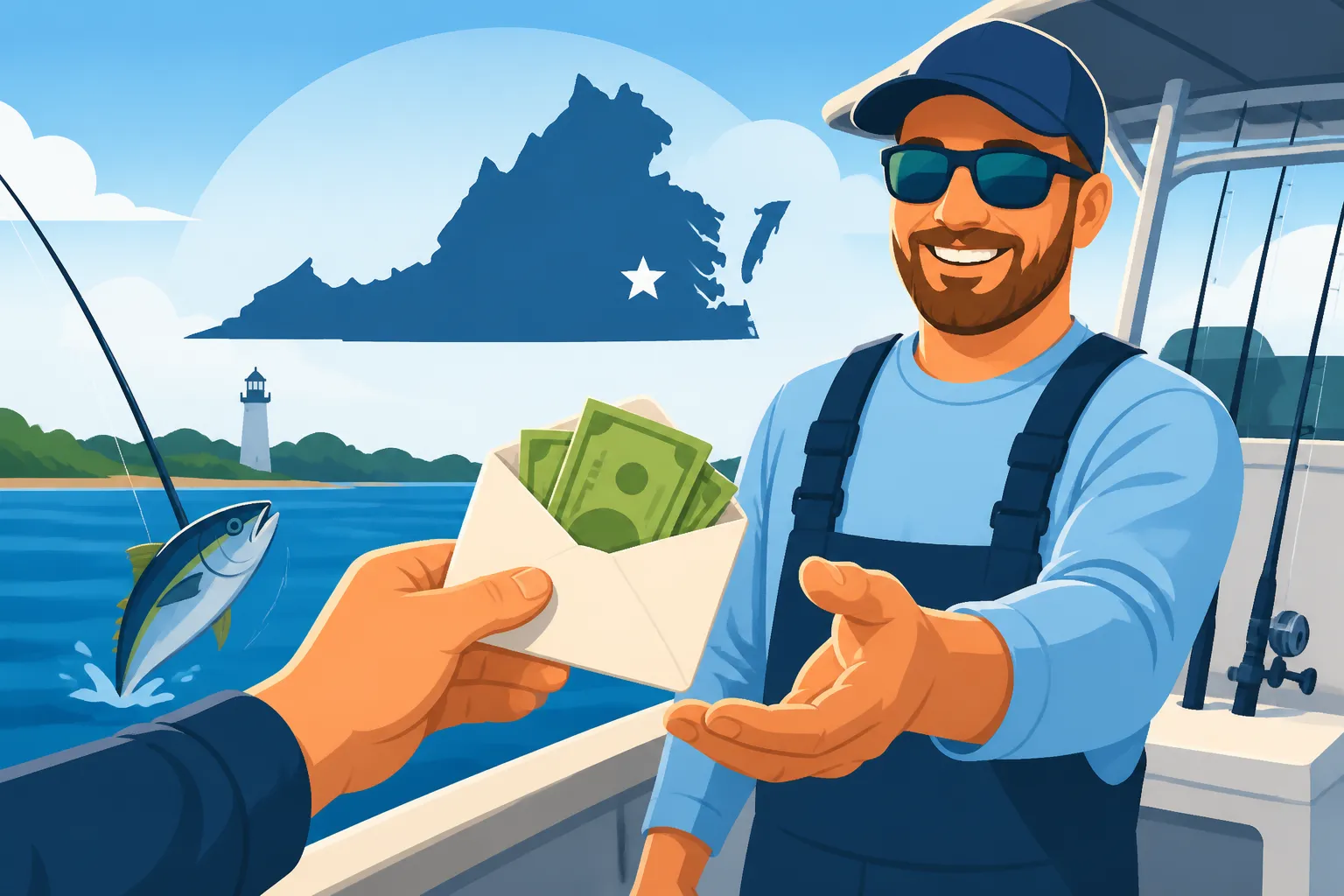
The most common and generally accepted time to present the tip is at the very end of the trip, usually when you're back at the dock and have gathered all your belongings. As you're disembarking, simply hand the tip directly to the captain or the mate. Many anglers prefer to give it to the mate, as they are often the primary recipient of tips for their physical labor, and they will typically share it with the captain. If you hand it to the captain, they will distribute it appropriately.
Cash is almost always preferred. While some larger charter operations might have ways to add a tip to a credit card payment, cash ensures the crew gets the full amount immediately and avoids any processing fees or delays. It also offers discretion, which many crew members appreciate. So, before your trip, it's a good idea to visit an ATM and have some crisp bills on hand, ready for the end of your adventure. This forethought makes the whole process much smoother and prevents any last-minute scrambling.
A Few Words of Thanks
When you hand over the tip, pair it with a genuine thank you. A simple phrase like, "Thanks for an amazing day, Captain/Mate! We really appreciate all your hard work," or "We had a fantastic time, this is for you," goes a long way. It reinforces that the tip is a gesture of gratitude for their efforts and service, not just a transaction.
If you had a particularly good experience, don't hesitate to mention specific highlights, "The way you handled that last fight was incredible," or "My son had the best time, thank you for being so patient with him." Personalizing your thanks makes the tip even more meaningful. Remember, these crews often work long hours, dealing with all sorts of personalities and unpredictable conditions, so a heartfelt thank you can really brighten their day. This positive reinforcement encourages them to continue providing excellent service.
| Trip Length | Suggested Tipping Range (of Total Cost) | Typical Crew Effort | Notes |
|---|---|---|---|
| Half-Day (4 hrs) | 15-20% | High intensity, quick setup/breakdown, pressure to find fish fast | Crew works hard to maximize limited time. Consider a slightly higher percentage if the experience was outstanding, even if the total cost is lower. |
| 3/4 Day (6 hrs) | 15-20% | Sustained effort, covers more ground, deeper fishing | Good balance of time and cost. Provides ample opportunity for crew to demonstrate skill and for anglers to catch fish. Virginia Beach 3/4-Day Charter Trips are popular for covering more ground than half-day. |
| Full-Day (8+ hrs) | 15-20% | Extensive preparation, sustained focus, potential for multiple locations/species, longer cleanup | Longer days mean more physical work and decision-making for the crew. A higher dollar tip reflects their extended commitment and expertise. |
| Multi-Day | 15-20% (per day or total trip) | Continuous effort, living on board, higher demands on service and logistics | Tipping structure might be discussed during booking. Often, anglers tip based on the total experience rather than daily, but ensure the crew is compensated for each day's work. |
Beyond the Cash: Other Ways to Show Appreciation
While cash is king when it comes to tipping a fishing charter crew, there are other meaningful ways you can show your appreciation that extend beyond monetary compensation. These gestures can build goodwill and further acknowledge a truly fantastic experience.
Positive Reviews and Recommendations
In today's digital world, online reviews are incredibly powerful. A glowing review on Google, Yelp, or fishing-specific platforms like FishingBooker can significantly boost a charter's visibility and attract new clients. Take the time to write a detailed review, mentioning the captain and mate by name if you remember them. Highlight what made your trip special: their patience, their knowledge of Virginia Striped Bass Season and Slot Limit Guide, their knack for finding fish, or how well they interacted with your family.
Word-of-mouth recommendations are also golden. Tell your friends, family, and colleagues about your amazing experience. Share photos on social media and tag the charter company. A personal endorsement from a satisfied customer is invaluable marketing for a small business, and it costs you nothing but a few minutes of your time. This can lead to future bookings for the crew, which is a gift that keeps on giving.
Sharing Your Catch (If Appropriate)
Sometimes, after a particularly successful trip, you might find yourself with more fish than you can reasonably eat or process. If you’re feeling generous and have an abundance, offering some of your cleaned catch to the crew can be a wonderful gesture. They often spend all their time helping you catch fish, and rarely get to take much home for themselves.
However, use discretion here. Don't offer them fish if you only caught a few, or if it's a species they can easily get themselves. This gesture is most appreciated when you've had an exceptionally good haul and truly have plenty to spare. Always offer respectfully, and don't be offended if they politely decline (they might already have their own provisions or be limited by personal catch restrictions). This is definitely an "above and beyond" appreciation gesture, not an expectation.
Offering Food or Beverages During the Trip
While many charters provide bottled water, bringing extra drinks, snacks, or even a packed lunch to share with the crew can be a thoughtful touch. Imagine it's a long, hot summer day on the Chesapeake Bay Fishing Charters in Virginia and you offer the mate a cold soda or a sandwich. Small acts of kindness like this can really stand out.
Again, this isn't an expectation, but it's a way to show you view them as more than just service providers – you see them as fellow humans on the water. It can foster a more relaxed and friendly atmosphere on the boat. Just remember to ask first, as some crews might have dietary restrictions or preferences, or already have their own provisions. If you do bring extras, make sure they're easy to access and consume while they're working.
Ultimately, navigating the tipping norms for Virginia fishing charter crews doesn't have to be a source of stress. By understanding why tips are so important, knowing the standard percentages, and being aware of factors that might influence your generosity, you can ensure your appreciation is properly conveyed. A great fishing trip is a partnership between you and the crew, and a thoughtful tip is the perfect way to cap off a successful adventure. Remember to also look into important details like Virginia Fishing License Requirements for Residents and Nonresidents before your trip to ensure everything goes smoothly!
Disclaimer
This article is for general informational purposes only and does not constitute professional advice. Laws, prices and regulations vary by location and change over time. Consult a qualified professional for guidance on your specific situation.